Captivating Photo Essay: Majestic Saguaros of Southern Arizona's Sonoran Desert
My first visit to Arizona in 2010 introduced me to its stunning diverse landscapes, from the deep red canyons and pine forests of the north to the rugged, otherworldly deserts of the south. The saguaro-filled desertscapes of southern Arizona quickly became my favorite.
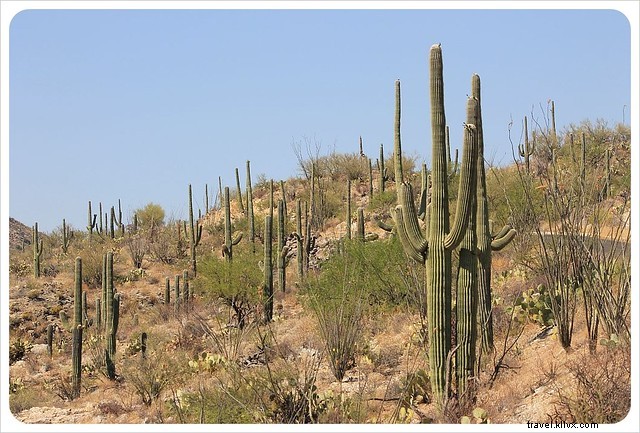
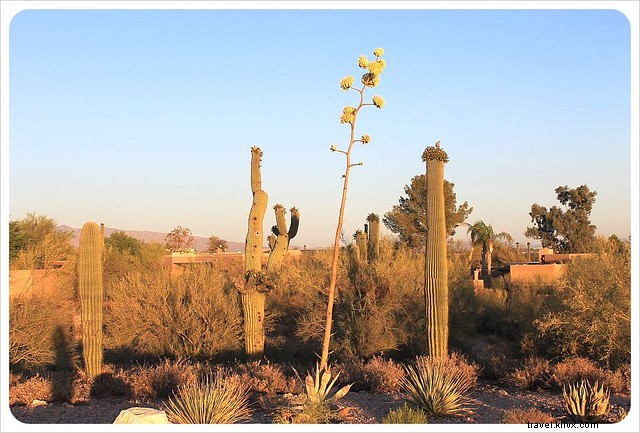
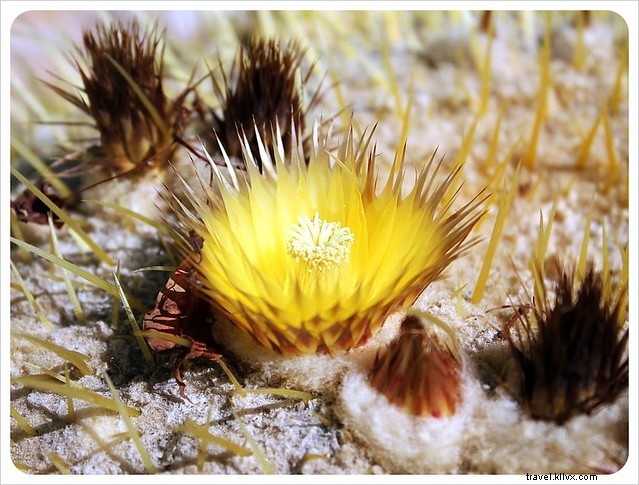 In June, we returned to housesit in Tucson, flying one-way from India and trading balmy humidity for the desert's dry heat topping 100°F—a welcome change. Our sun-tanned skin adapted easily, unlike our first pale arrival after years in England.
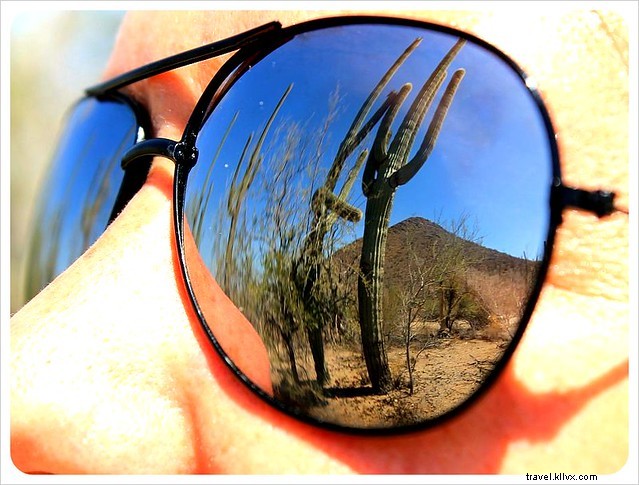
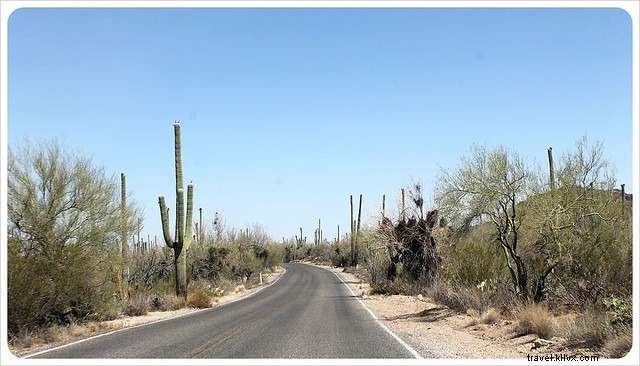
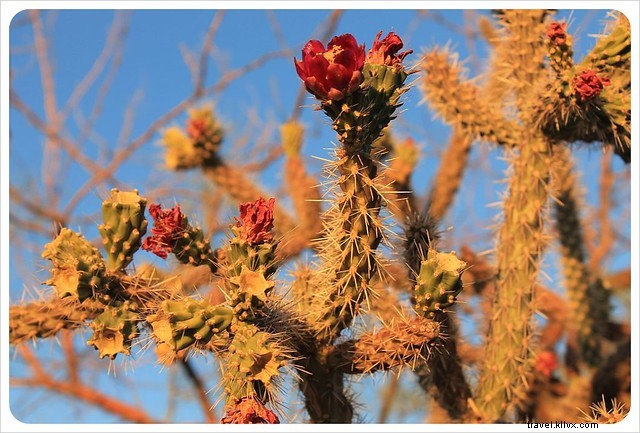
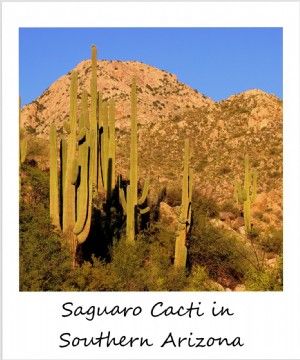
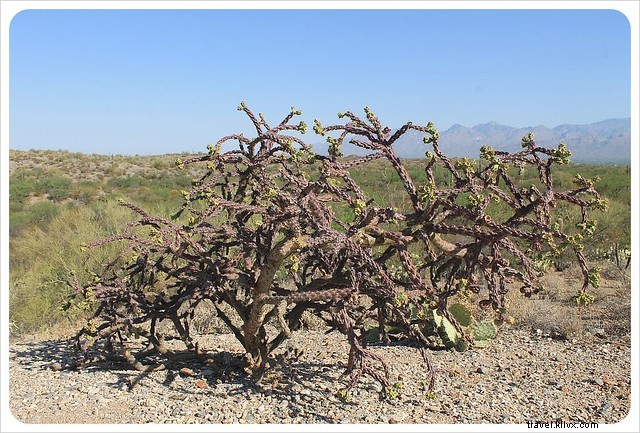 Stepping off the plane, huge saguaros greeted us in the airport parking lot, framed by majestic mountains—a perfect welcome.
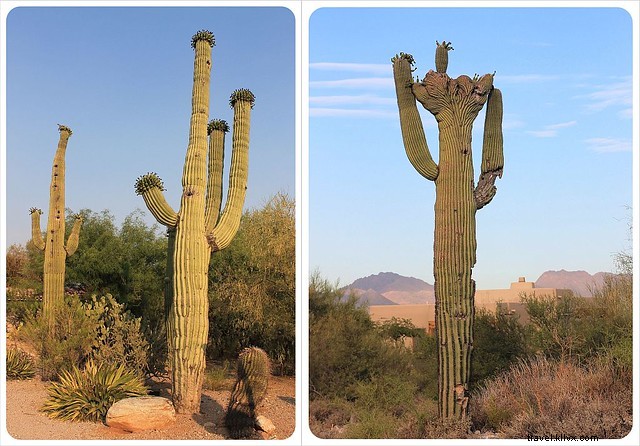 The Sonoran Desert surrounding Tucson spans the U.S. Southwest and northern Mexico, covering 311,000 square kilometers (120,000 square miles).
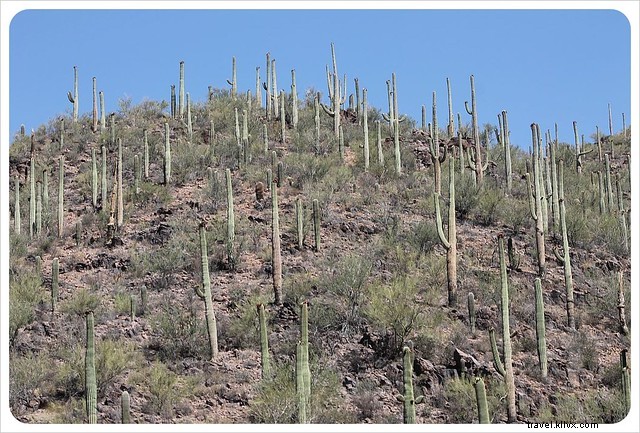
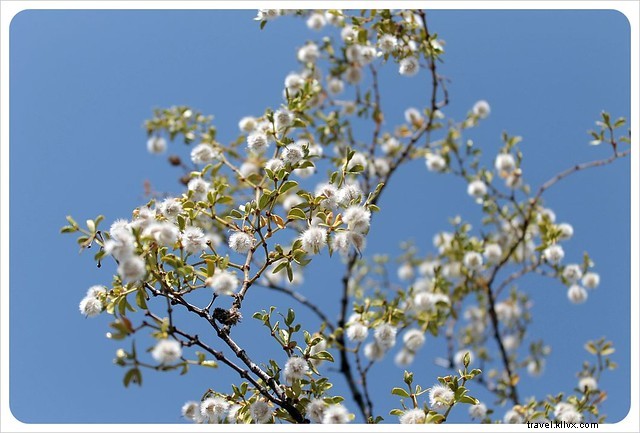
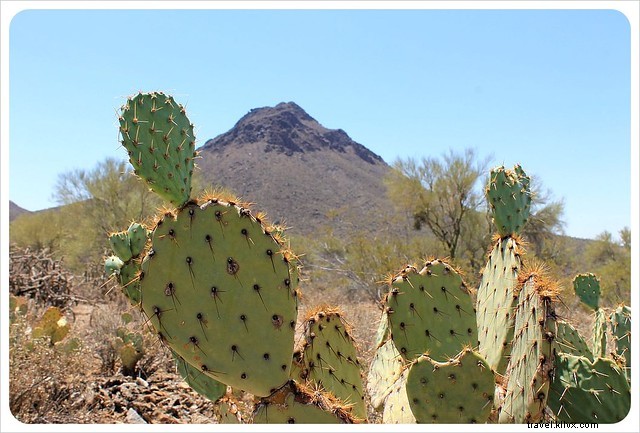 Despite its barren appearance, the Sonoran Desert hosts over 2,000 plant species, perfectly adapted to extreme conditions.
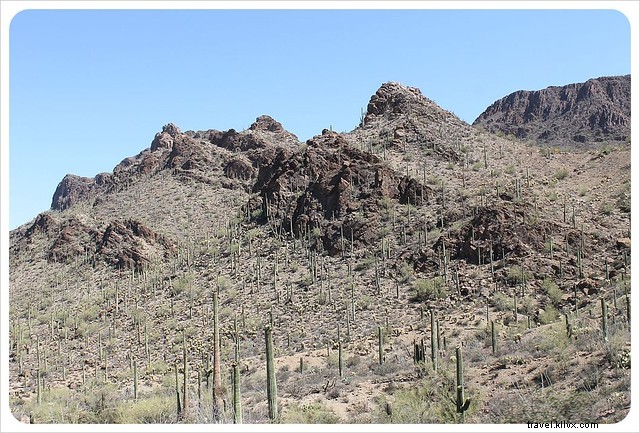
 It's the world's only natural habitat for saguaro cacti, with millions thriving here. Tucson’s Saguaro National Park alone protects over 1 million, some reaching 20 meters (70 feet) tall.
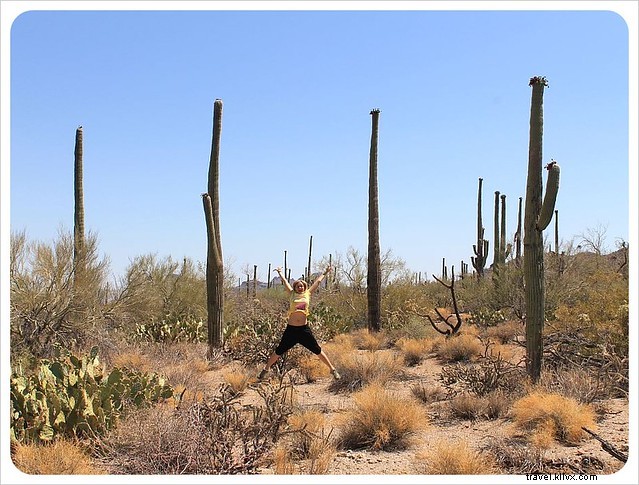
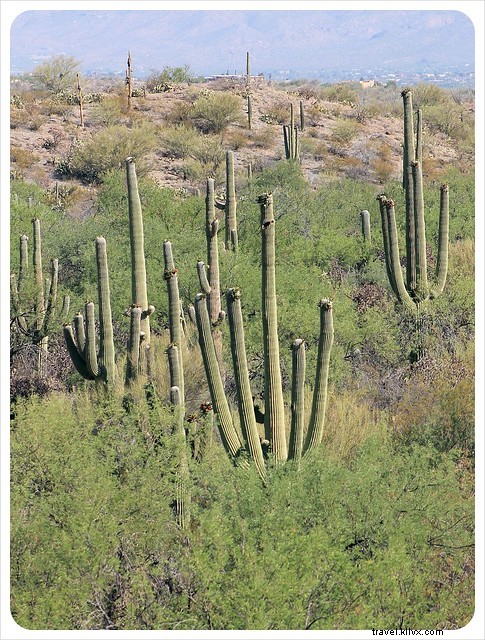
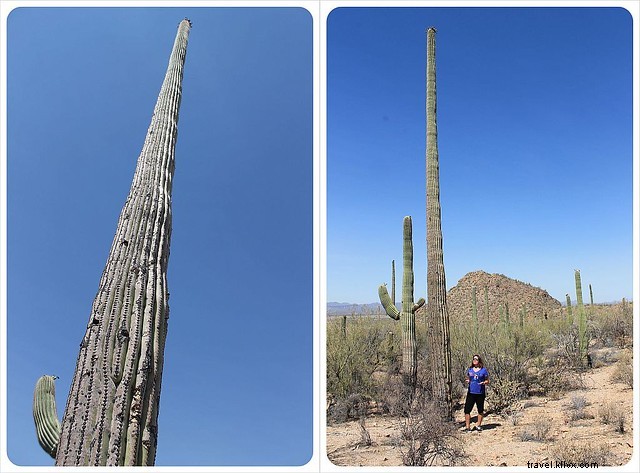 Young saguaros are called 'spears' until they sprout arms—a milestone taking over 75 years. These are mid-life markers for cacti living 150-200 years.
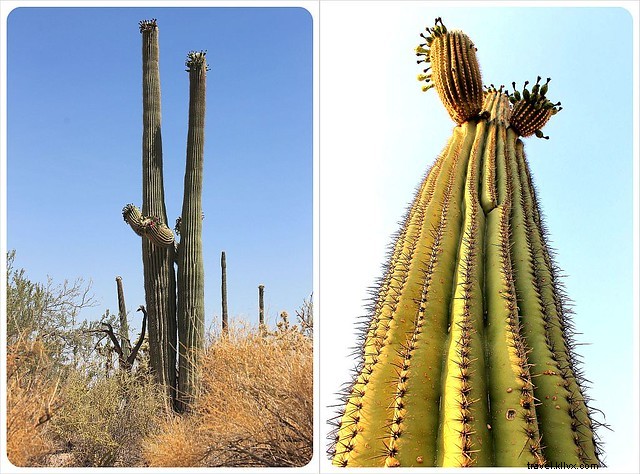 Saguaros grow slowly: up to 10 years for 1 inch (2.54 cm), 15 years for 1 foot (30.5 cm), and 40 years for 10 feet (3 meters).
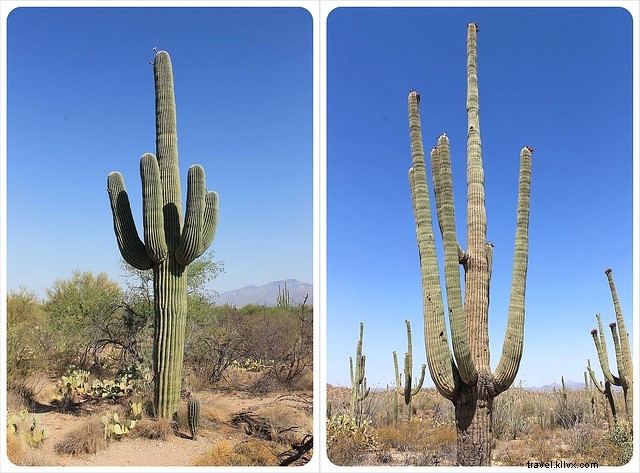
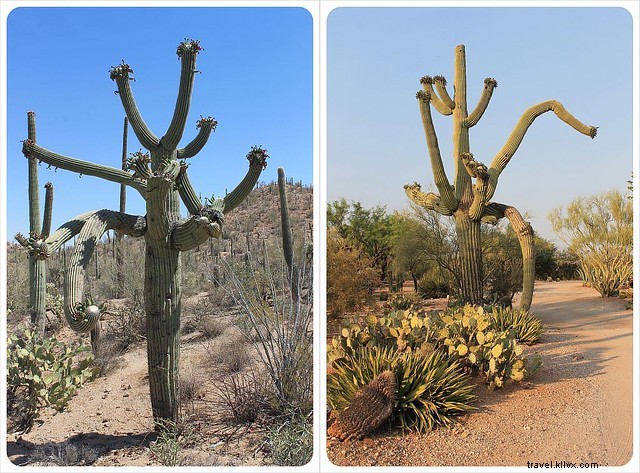
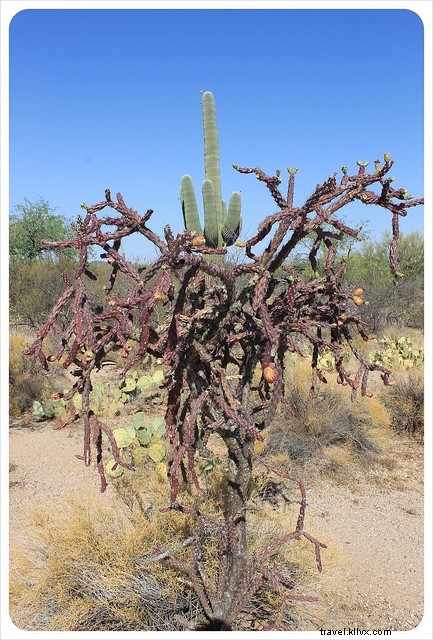 During rain, saguaros visibly expand, storing water for weeks.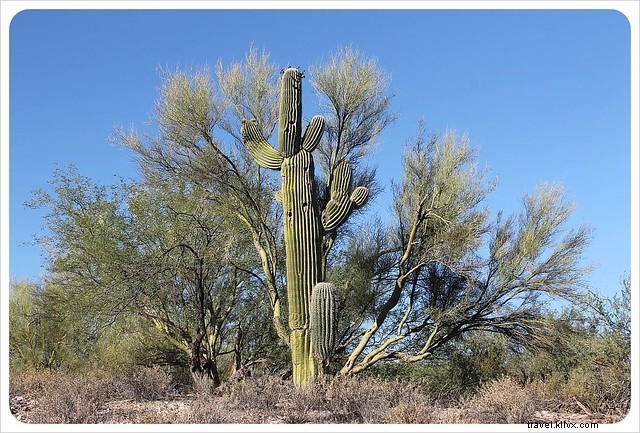
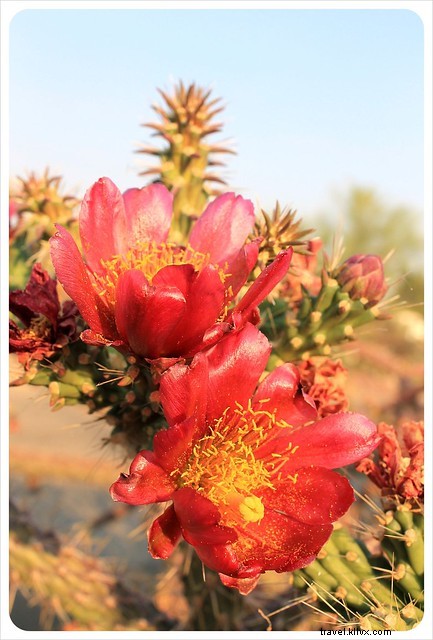
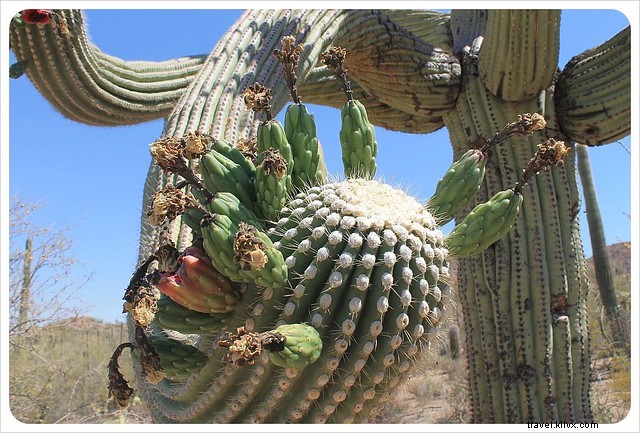 At 40 years, they produce flowers atop the plant. Mature saguaros bloom with hundreds in May and June.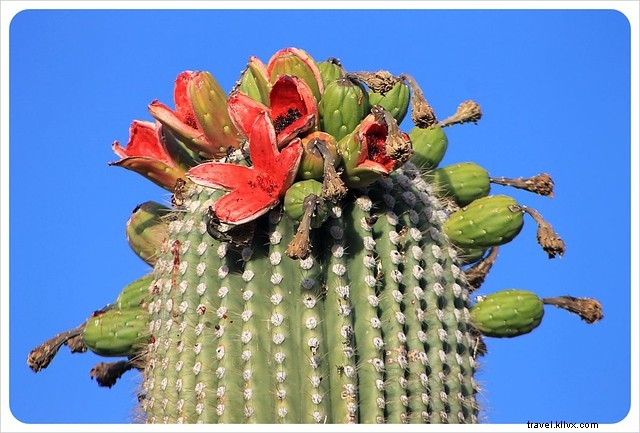
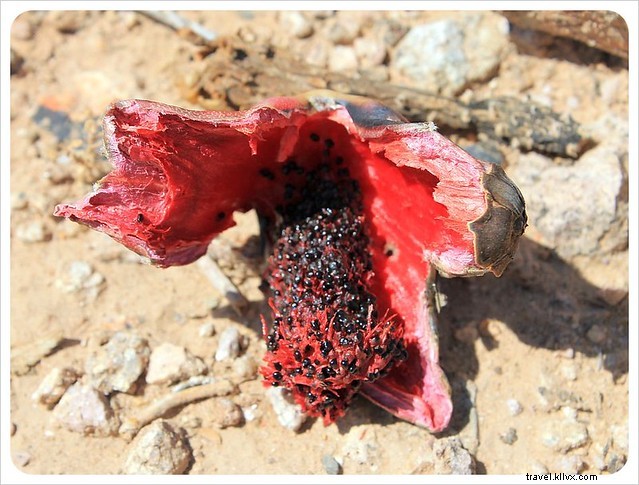
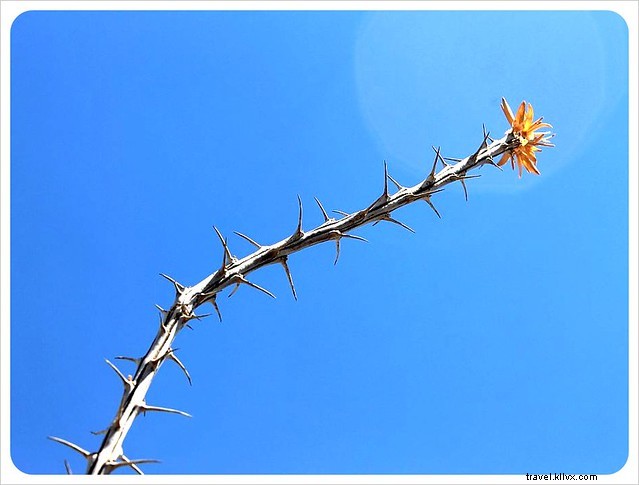 We've enjoyed the sweet, ruby-red fruit ripening in June—edible and used in jams, syrups, and candies.
  Stationary giants rely on bats and doves for cross-pollination, dispersing seeds remarkably.
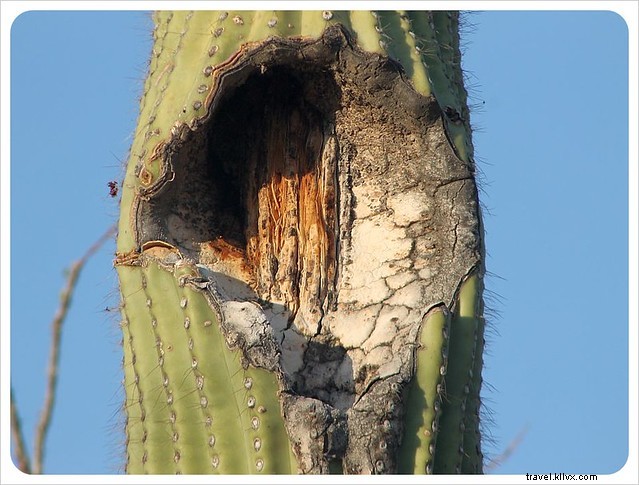
 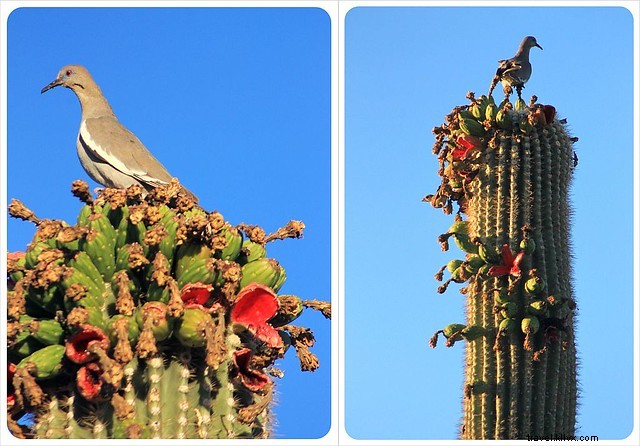 In return, birds nest within their spines.
  Sadly, saguaros face threats from development, wildfires, grazing, and poaching by 'cactus rustlers.'
 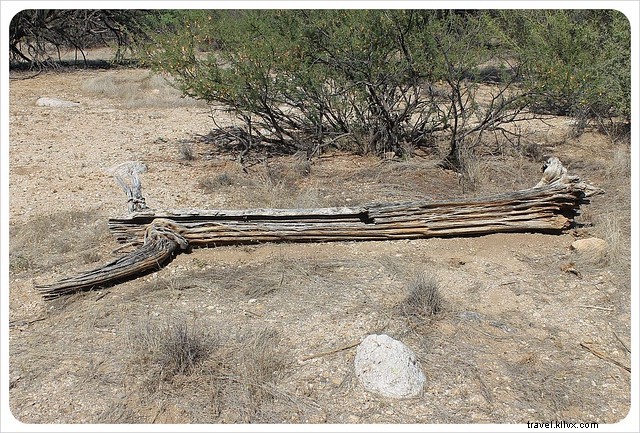 Naturally, they succumb to drought or frost; skeletons persist for years, sometimes petrifying.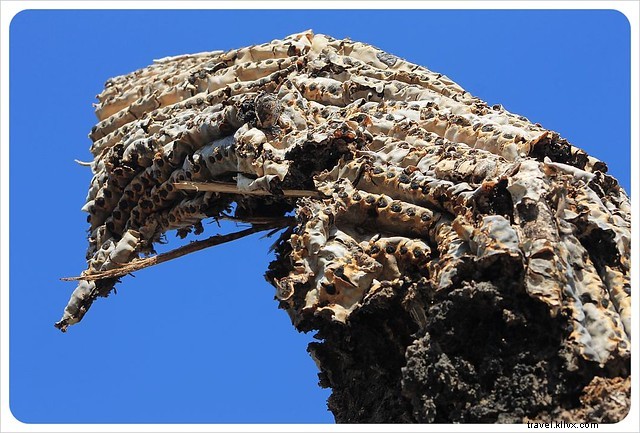
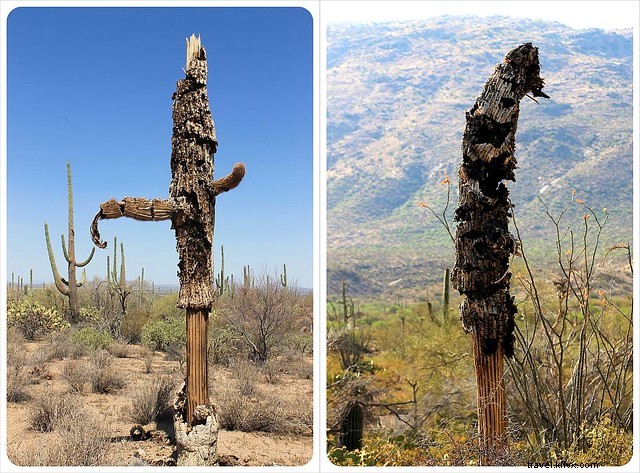
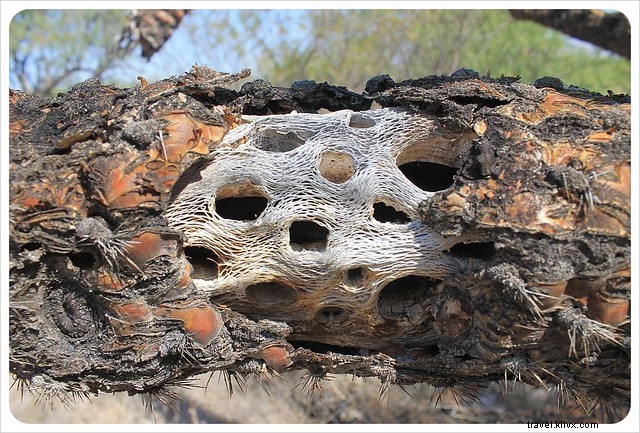 These 'skeletons' stand tall long after.
  Prickly pear cacti abound, with red fruit eaten or used in drinks, especially in Mexico. Cold-hardy, they're found up to southern Canada.
 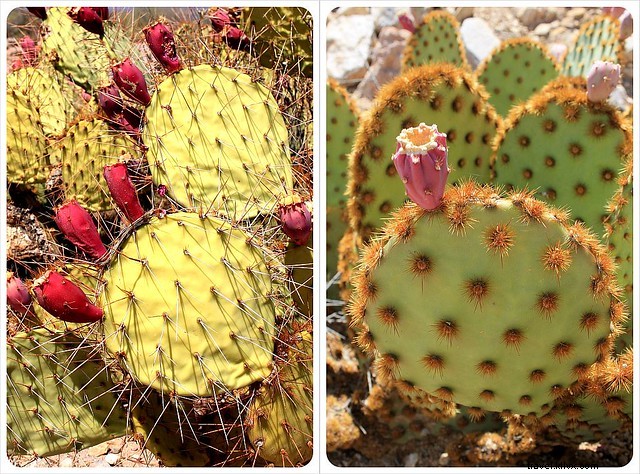 They sustain desert tortoises, unfazed by spines.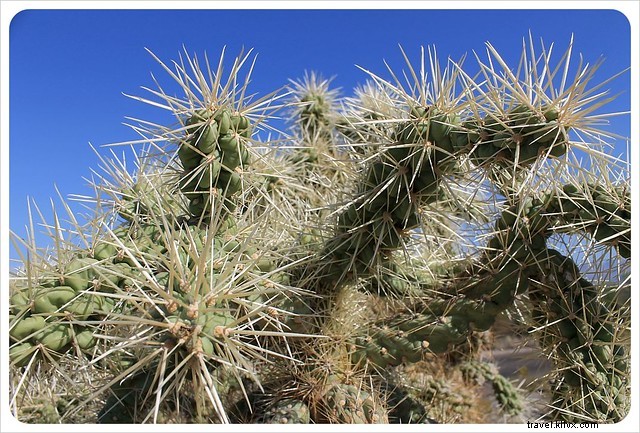
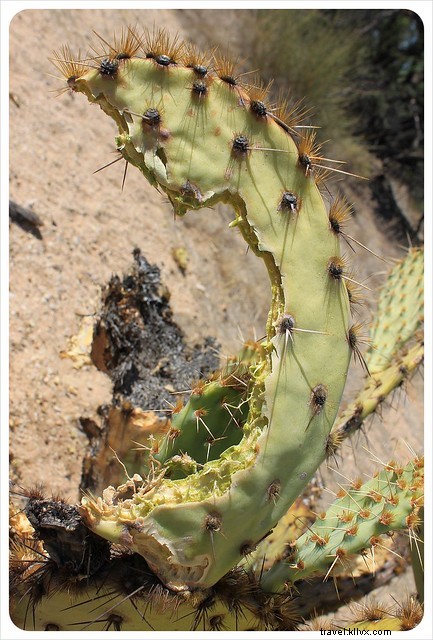 South of Tucson, the Sonoran Desert is the U.S.'s only jaguar habitat, though summer heat limits most mammals to rabbits.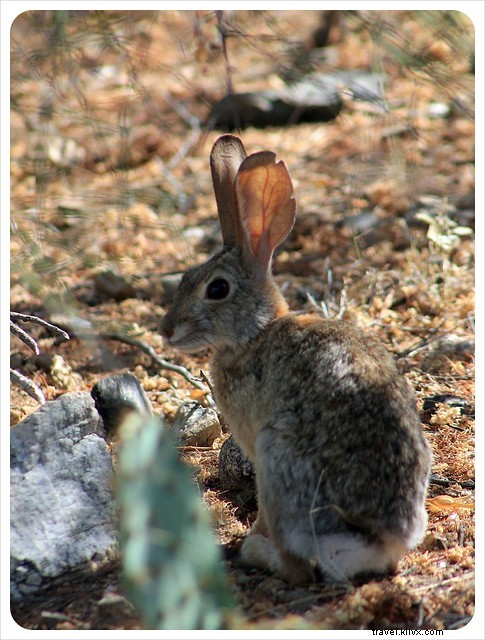
Colorful lizards add vibrancy. 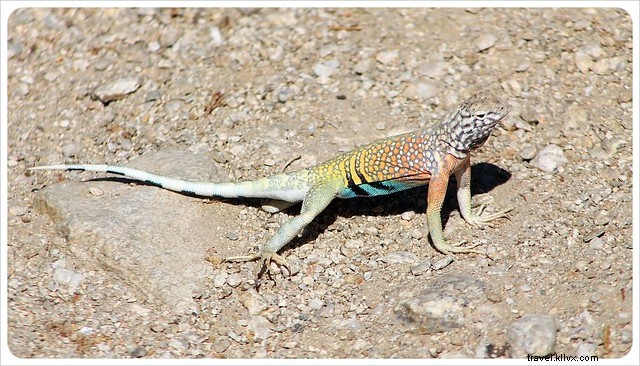
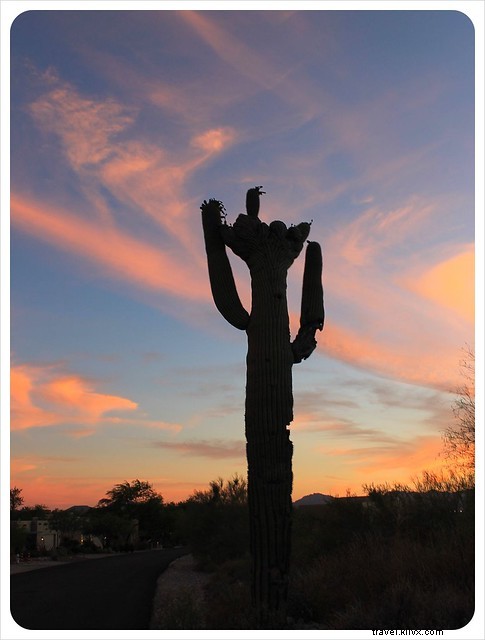
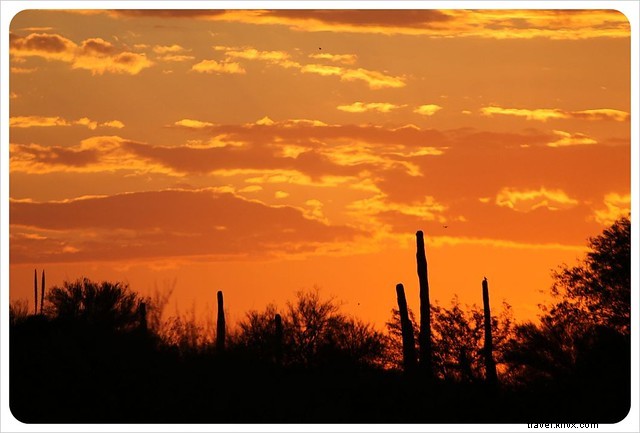
Sunset is magical: skies transform from purple to brilliant orange over the Sonoran Desert.