Ending My 12-Year Love Affair with Montezuma, Costa Rica: A Traveler's Return
Montezuma boasts one of Costa Rica’s most stunning beaches, but after three days there in February 2011, our long-standing affection came to an end. This wasn’t due to hype or nostalgia—Montezuma has evolved, and our desires have shifted too.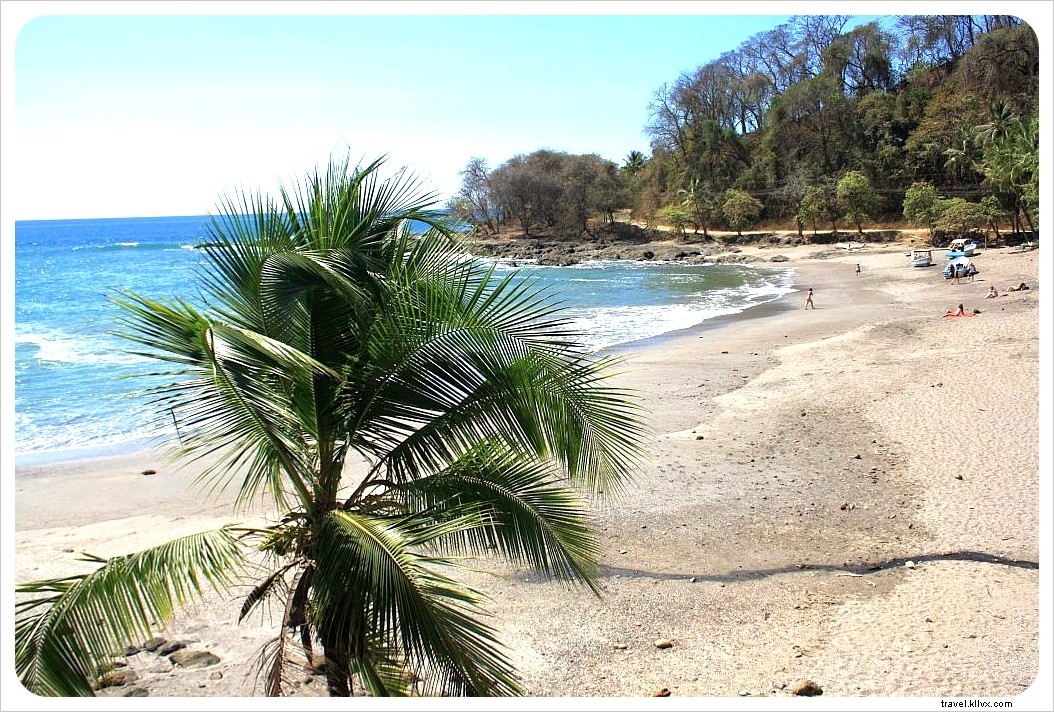
It began in 1999 during my junior year abroad in Heredia, an hour from San José. That transformative year bonded a tight group of 20 friends, who explored Costa Rica weekly and fell deeply for Montezuma at the Nicoya Peninsula’s tip on the Pacific coast.
Back then, two intersecting streets defined the sleepy beach town, dubbed ‘Montefuma’ by free-spirited Argentine hippies, Afro-Caribbean jewelers, and weathered British and American expats. For privileged American college students, these encounters with alternative lifestyles felt exhilarating and alive.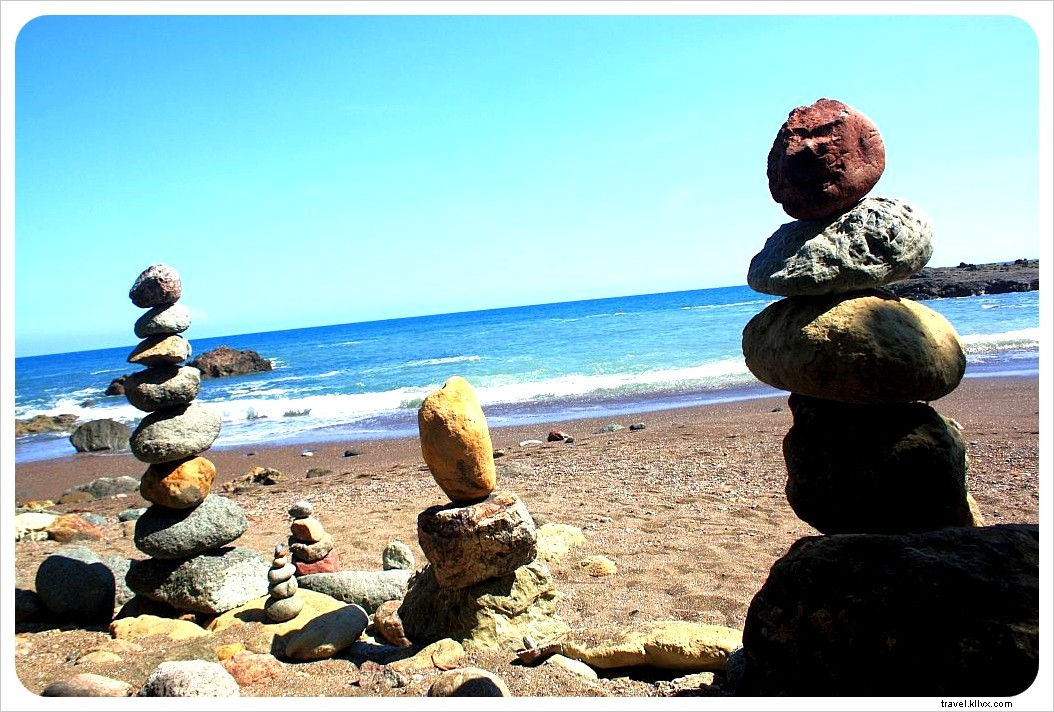
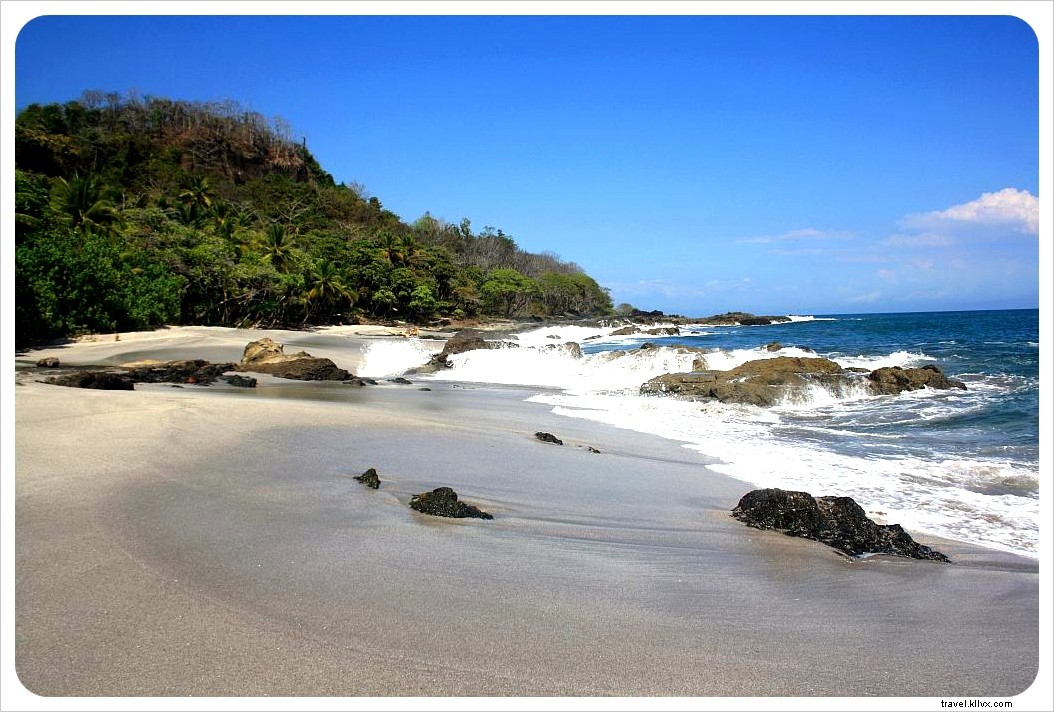
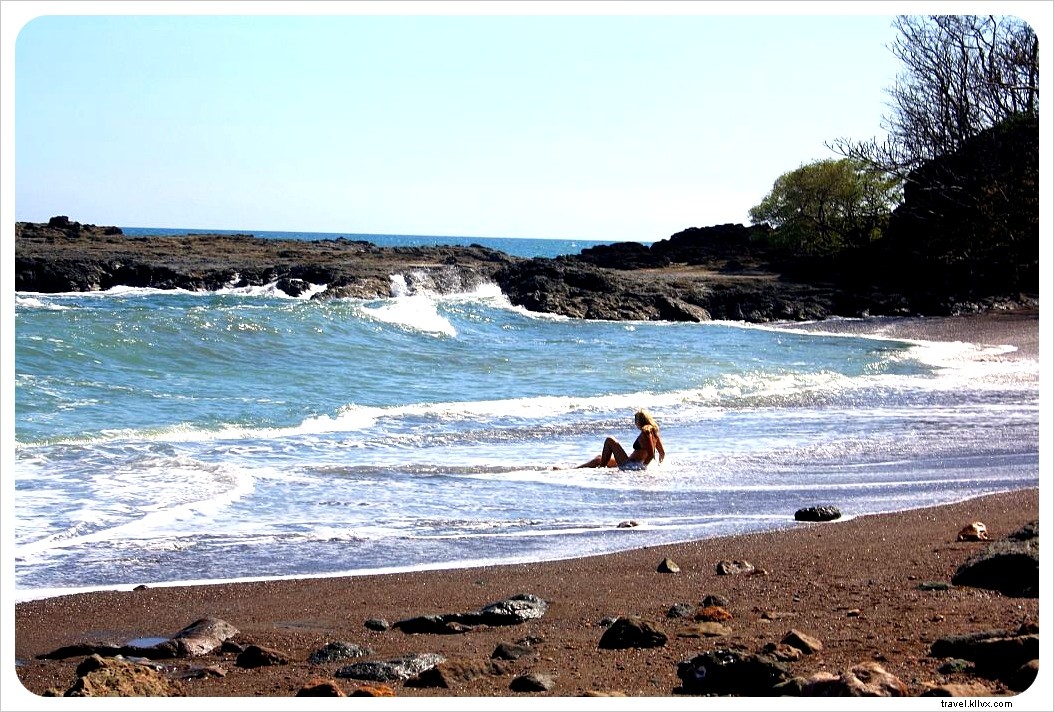
The town served as gateway to a chain of breathtaking, empty beaches—each unique: pebbled coves with crashing waves against black rocks, or long sandy stretches ideal for surfing.
Everyone drawn here embraced a ‘screw the system’ ethos, living freely on the beach—sunbathing by day, beers at Chicos bar by night. We ate at cheap sodas or grabbed basics—bread, beans, bananas, beer—from the corner store. That simplicity kept us returning.
Even two years later, living in Guatemala, a smaller international crew and I endured a three-day Tica Bus journey from Antigua to Montezuma, recapturing that carefree magic.
Twelve years on, traveling with my partner Dani through Mexico and Central America, I raved about my favorite spot. I felt protective, hoping she’d connect with it as we had.
Yet, arriving from Samara Beach, the shuttle’s final turn revealed the truth: Montezuma had transformed. The rebel spirit was gone—tourism had taken over.
Rental cars crowded former dirt roads, alongside 4x4s racing beaches. Hotel Montezuma and budget hostels endured, but mid-range lodgings and $12–$15 meals proliferated. Hippies matured into families; now organic eateries and yoga retreats dominate. A spacious playground graces the center.
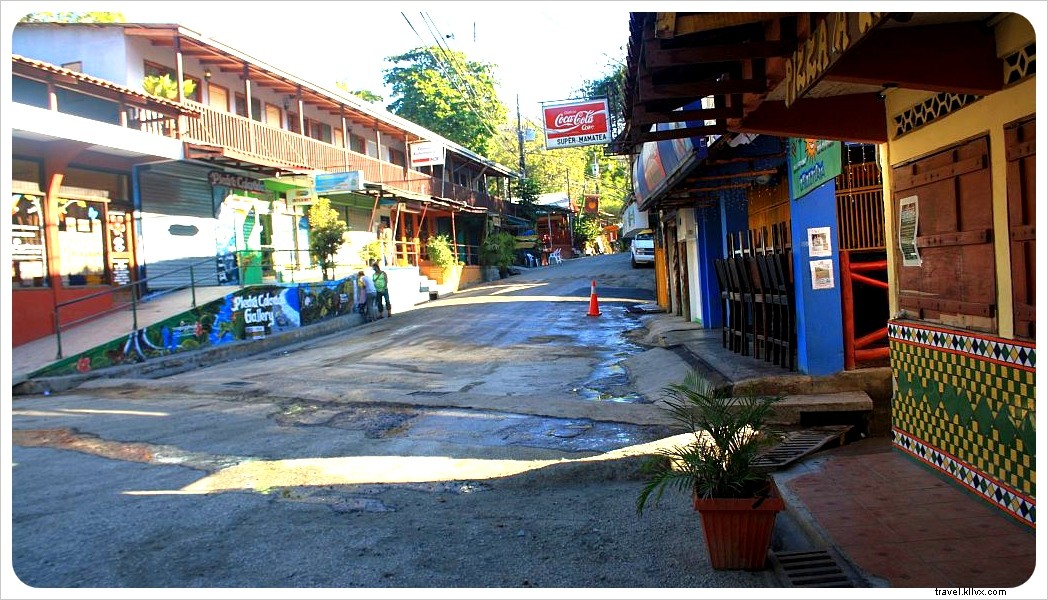
Family-oriented yet upscale, it offers boat and jungle tours, plus pricey speedboats to Jacó and Manuel Antonio (versus a $10, six-hour bus-ferry-bus).
The corner store still stocks cheap Gallo beer and boxed wine, but a new supermarket nearby carries German chocolate, French cheese, and U.S. imports. Visitors span young European families to retirees from the American South and Asia.
Montezuma now markets its bohemian past to nostalgic returnees.
With pristine beaches and prime location, its tourism boom was inevitable. Development brought economic stability and cleanliness, with no visible environmental harm. Most visitors seemed thrilled.
Dani shared my disappointment with tourist wares, pricey meals, and tours. The magic faded. This is why we urge avoiding Samara Beach—to preserve our Pacific gem.
Have you revisited a cherished spot only to find it changed? Share your stories of lost hidden gems or overtouristed destinations worldwide!