
decorative font style

National Civil Rights Museum: A Moving Tribute to MLK and the Civil Rights Struggle
National Civil Rights Museum: A Moving Tribute to MLK and the Civil Rights Struggle

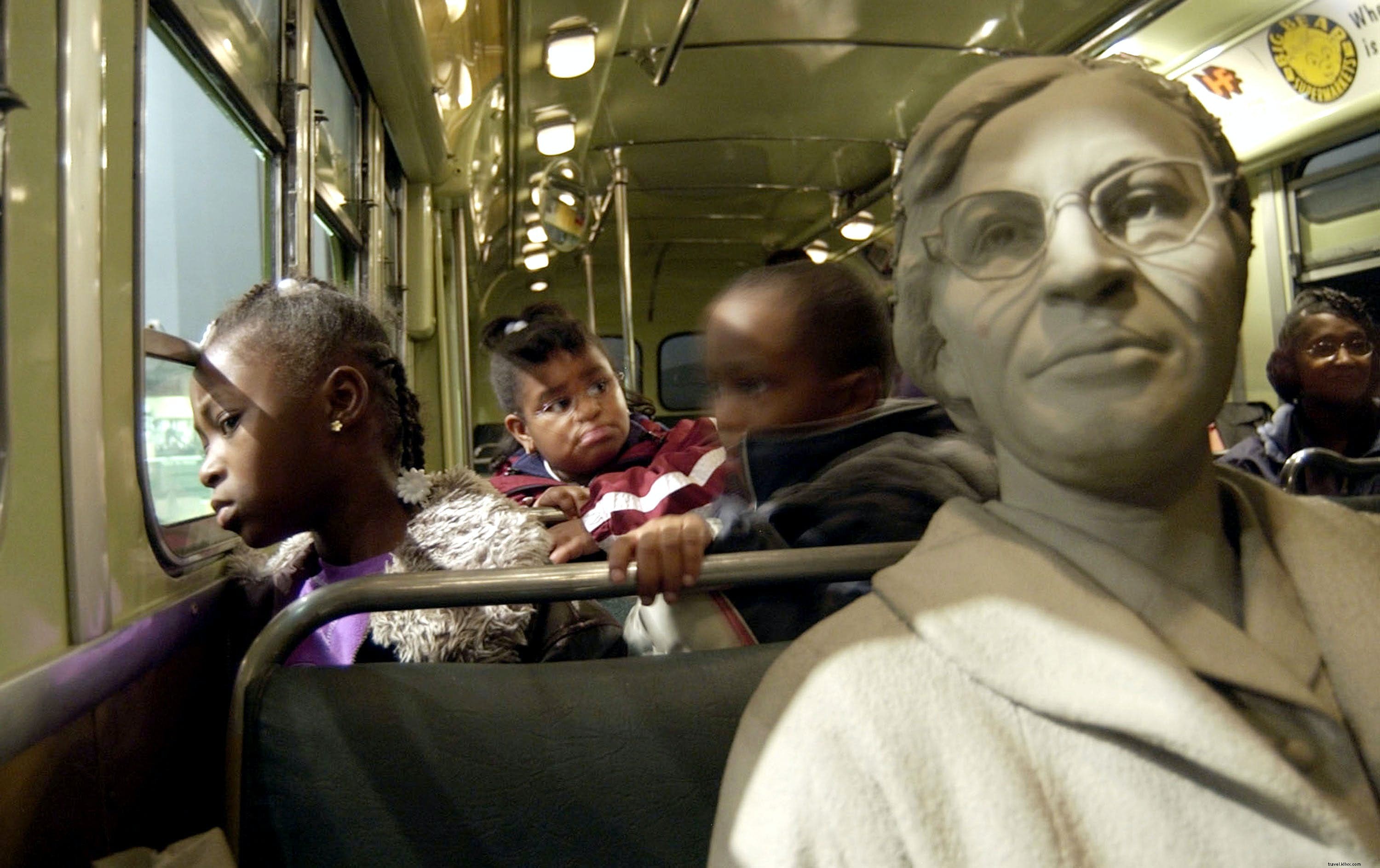
Located partly within the Lorraine Motel, site of Dr. Martin Luther King Jr.'s assassination on April 4, 1968, the National Civil Rights Museum offers a profound, immersive experience. Its exhibits trace the African American fight for freedom and equality from slavery's origins through the Civil Rights Movement, using King's life, legacy, and death as lenses to examine its history and ongoing influence.

The motel's iconic turquoise facade and two preserved rooms appear frozen in time from that tragic day. Exhibits extend across the street to the boardinghouse room where James Earl Ray likely fired the fatal shot. Allow at least half a day for this impactful visit.


Tourist Attraction
  • Explore Atlanta s Black History & Civil Rights Tours

    Step On Tour Guide Service Family Reunion Atlanta Metro Atlanta What better place to delve into African-American heritage than the Home of the Civil Rights Movement and the final resting place for many great black leaders. Atlanta became the centralized location for action, organizing, strategizing and mobilizing. Its no wonder hundreds of tourists fl

  • Explore the National Infantry Museum & Soldier Center: Honoring Infantry Heroes

    The National Infantry Museum and Soldier Center Vietnam Memorial Plaza featuring the Dignity Memorial Vietnam Wall Presidential Pathways Columbus The National Infantry Museum and Soldier Center salutes soldiers in a 190,000-square-foot facility nestled where Columbus meets Fort Benning. It is the only museum in the country dedicated to the American Infantr

  • Explore Cumberland Island National Seashore Museum – Free, Coastal Georgia Treasures

    title Coastal Georgia St. Marys The museum houses a collection of artifacts from Cumberland Island and is open and free to the public. The collection covers the timeline and people of the island. The lives of Native Americans, African Americans, the Staffords and the Carnegie family, as well as others who lived on the island in the 19th and 20th centuries. An exhibit