

Oklahoma City National Memorial & Museum: Honoring Victims of the 1995 Bombing
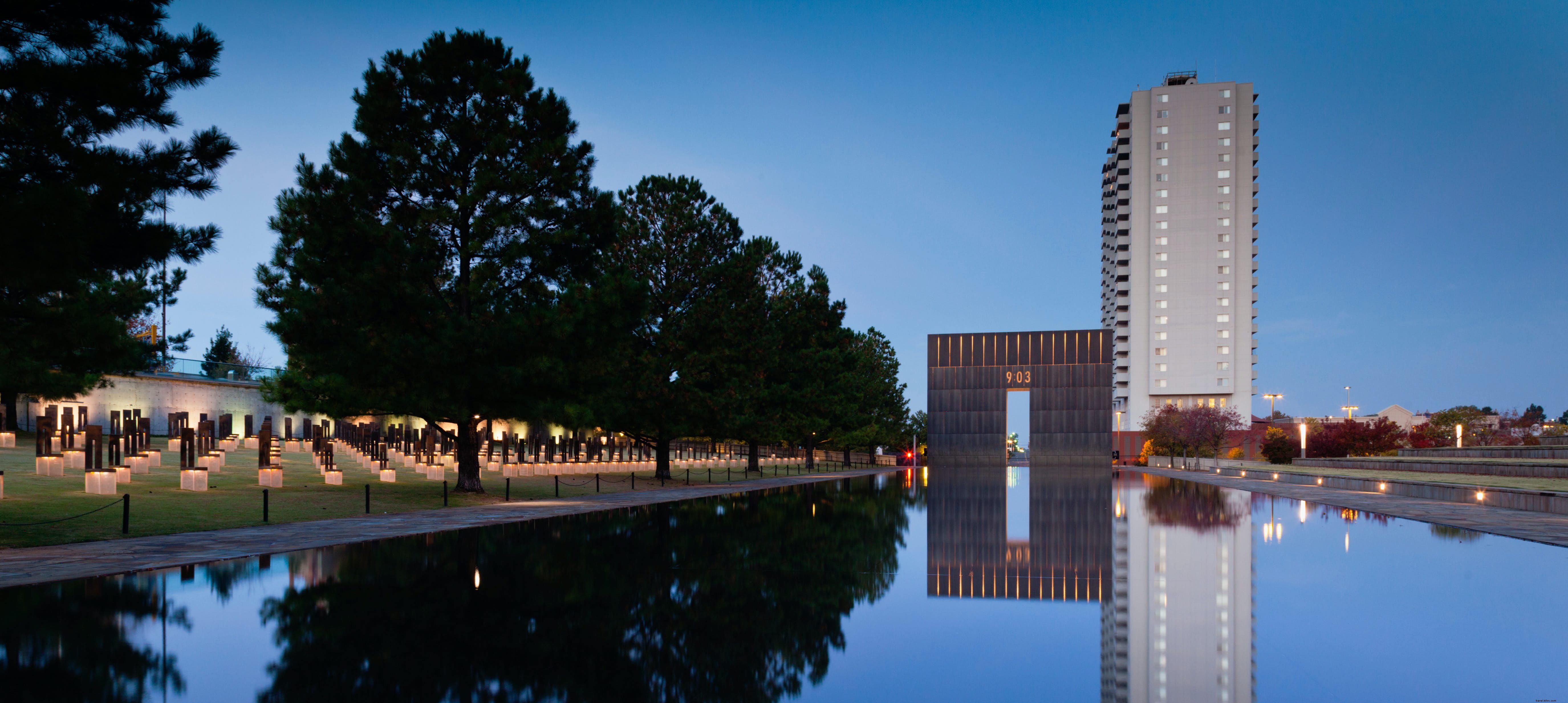
Image by Walter Bibikow / Getty RF
The Oklahoma City National Memorial Museum powerfully recounts the deadliest act of domestic terrorism in U.S. history on April 19, 1995, letting the stark facts convey their profound impact without sensationalism.
This poignant site features two key elements: the outdoor Symbolic Memorial and the indoor Memorial Museum. Self-guided tours share intimate stories of the 168 victims, survivors, rescuers, and the global response to the tragedy.
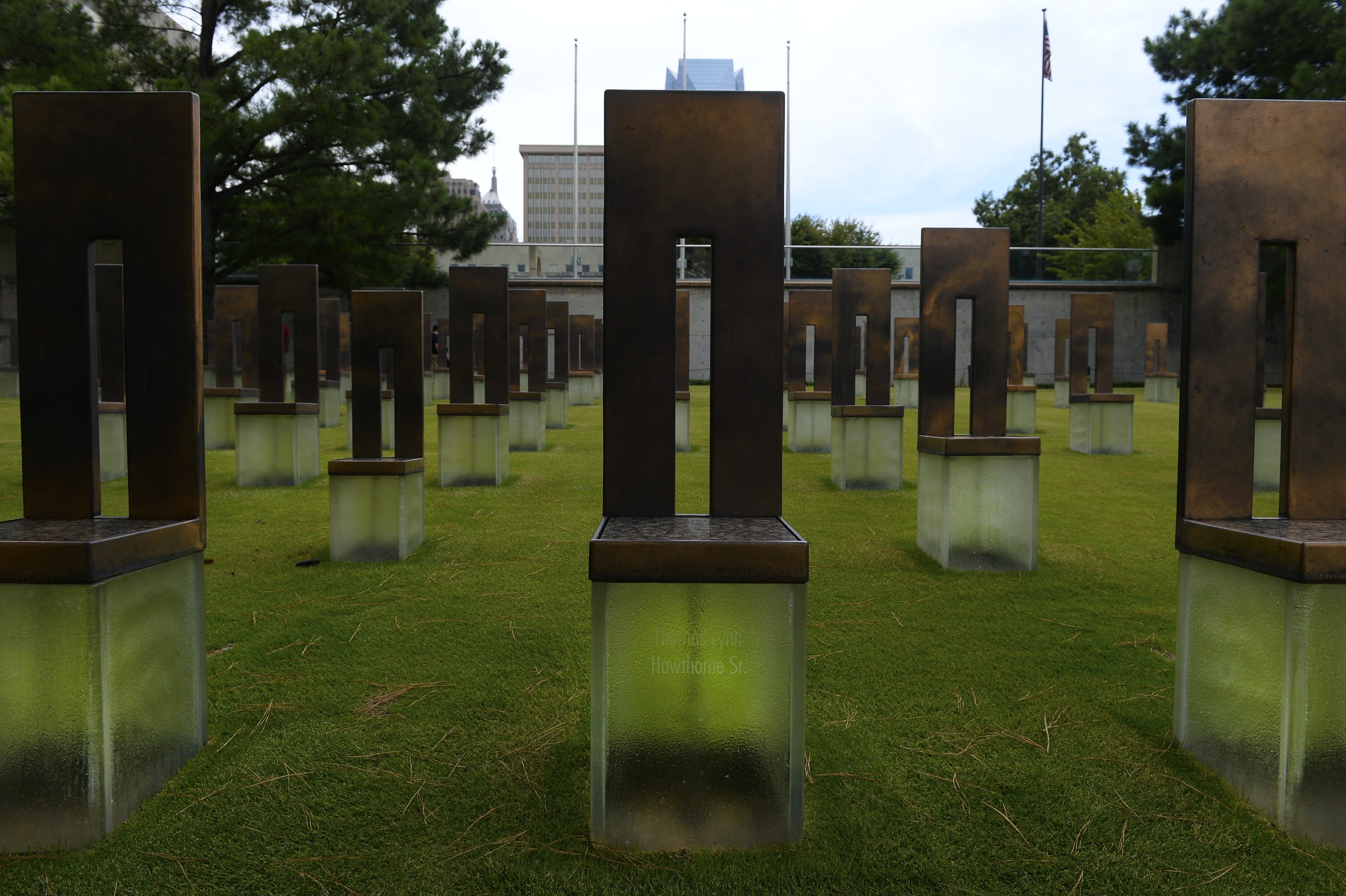
The evocative Field of Empty Chairs displays 168 sculpted chairs—one for each life lost—including 19 smaller ones for the children killed in the daycare center. These landmarks are essential for visitors to Oklahoma City.
History of the Memorial and Museum
On April 19, 1995, anti-government extremists Timothy McVeigh and Terry Nichols detonated a truck bomb at the Alfred P. Murrah Federal Building, killing 168 people, injuring over 680, and destroying more than a third of the structure, which was later demolished. The blast damaged 324 buildings in a 16-block radius, shattered glass in 258 others, and affected 86 vehicles.
In 1995, Oklahoma City Mayor Ron Norick formed a 350-member task force to commemorate the event and honor victims. Its 1999 Memorial Mission Statement advocated for a permanent tribute to those killed, survivors, and those forever changed.
In September 1996, the task force evolved into the Oklahoma City National Memorial Mission. Input came from victims' families, survivors, first responders, rescuers, and community volunteers.
President Bill Clinton dedicated the outdoor Symbolic Memorial on April 19, 2000; President George W. Bush dedicated the Memorial Museum on February 19, 2001.
What to See and Do at the Memorial and Museum
The outdoor Symbolic Memorial offers a serene space for reflection on the sacred grounds of the former Murrah Building site and surrounding blast zone. The Field of Empty Chairs individually honors each victim killed.
Visit the Survivor Tree, a resilient American elm that endured the blast. It stands as a symbol of strength, encircled by a promontory ideal for gathering and viewing the memorial.
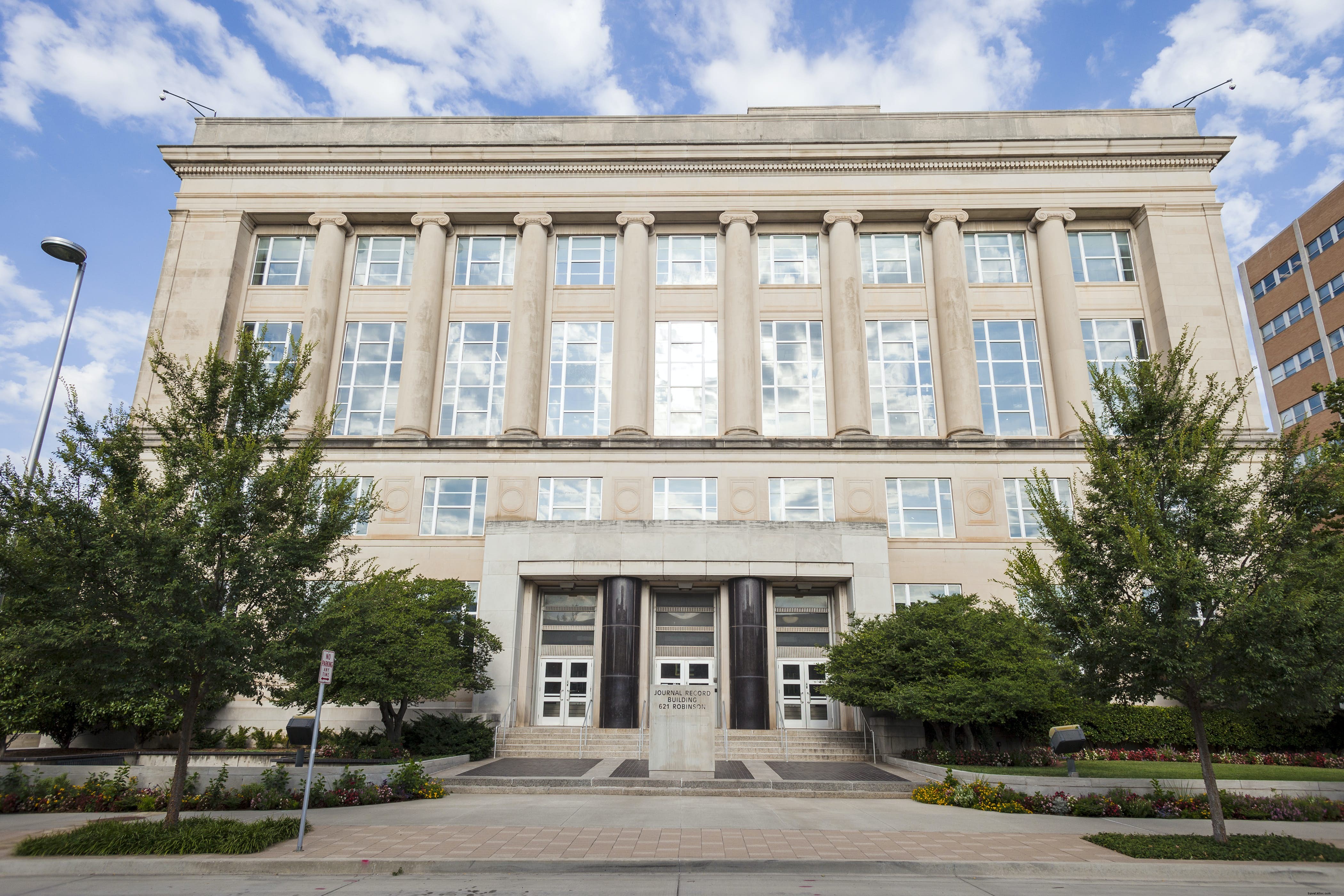
Housed in the west end of the blast-resistant Journal Record Building, the Memorial Museum delivers an immersive, self-guided experience. Explore the bombing, trials, and worldwide response through 35 interactive exhibits, hours of video, and artifacts revealing personal stories of devastation and recovery.
Tickets and Practical Information
Located at 620 N. Harvey Avenue, the Symbolic Memorial is free and open 24/7 year-round. The museum closes on Easter Sunday, Thanksgiving, Christmas Eve, Christmas Day, and New Year's Day. Free parking is available at Memorial Garage, 231 NW 6th Street.
Museum admission: Adults $15, seniors/military $13, students $12, children 5 and under free. Tickets can be booked online here.
Accessibility Features
Accessible parking is on 6th Street between Harvey and Robinson Avenues, north of the museum. Wheelchair-accessible entrances serve the memorial.
The museum entrance, floors, restrooms, and elevators are wheelchair-friendly. Free manual wheelchairs are available at admissions.
All videos feature open captions; a museum app offers audio tours for visually impaired visitors.
