Mount Rushmore National Memorial: Ultimate Visitor Guide to South Dakota's Iconic Landmark
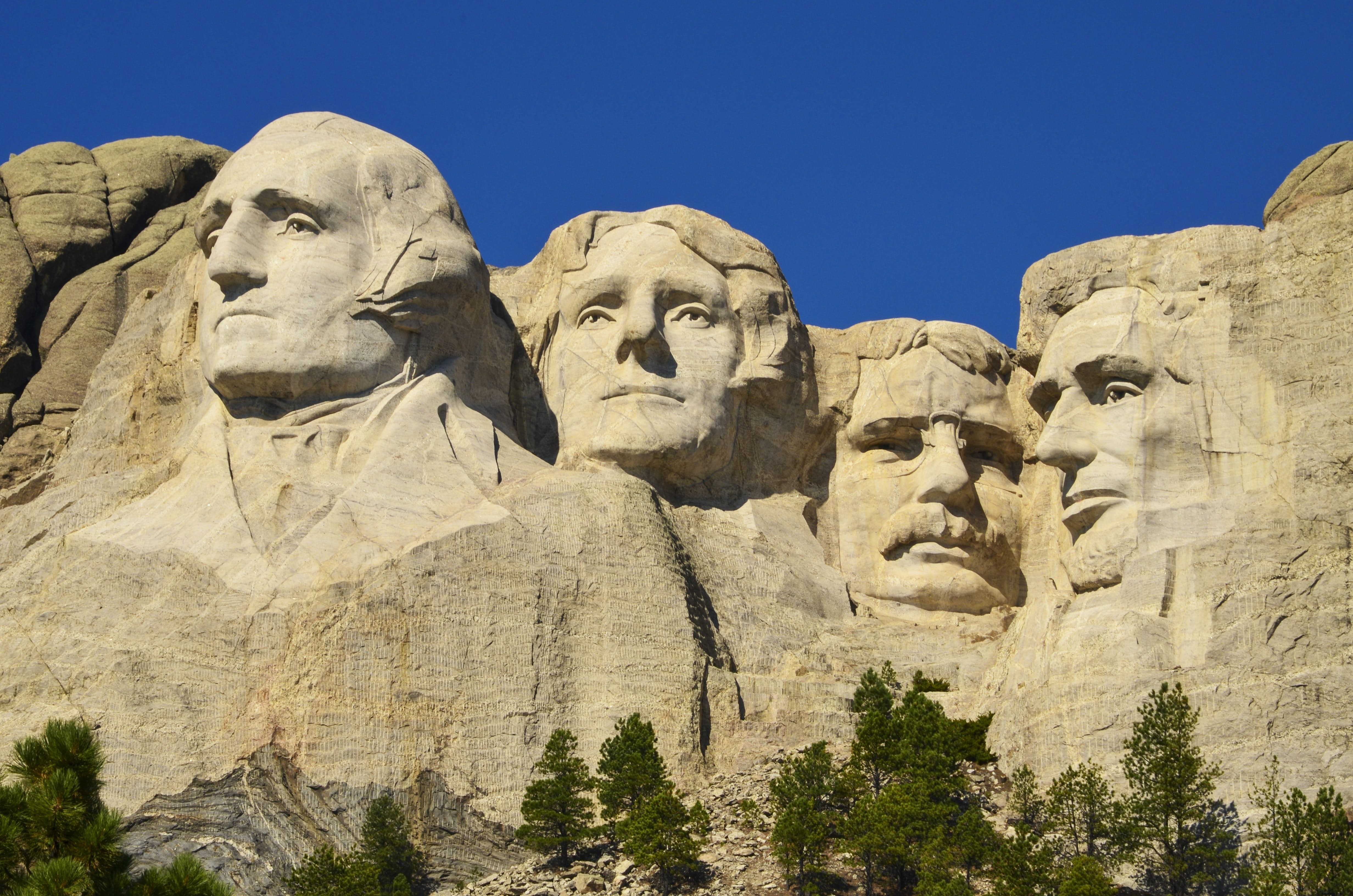
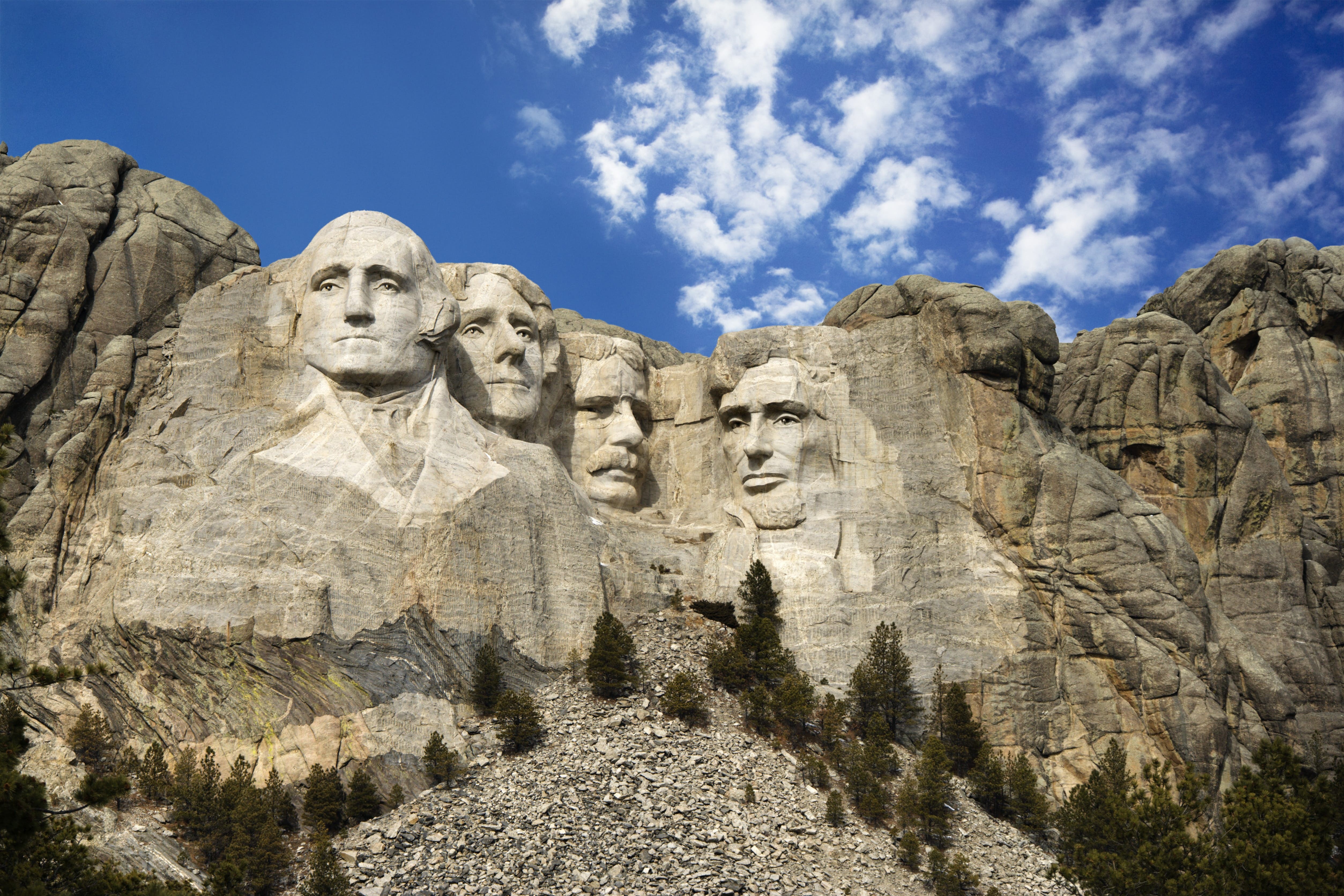
Mount Rushmore National Memorial in South Dakota exemplifies extraordinary engineering and artistry. The massive 60-foot granite faces of Presidents George Washington, Thomas Jefferson, Abraham Lincoln, and Theodore Roosevelt, sculpted into a Black Hills outcrop, rank among America's most iconic landmarks.
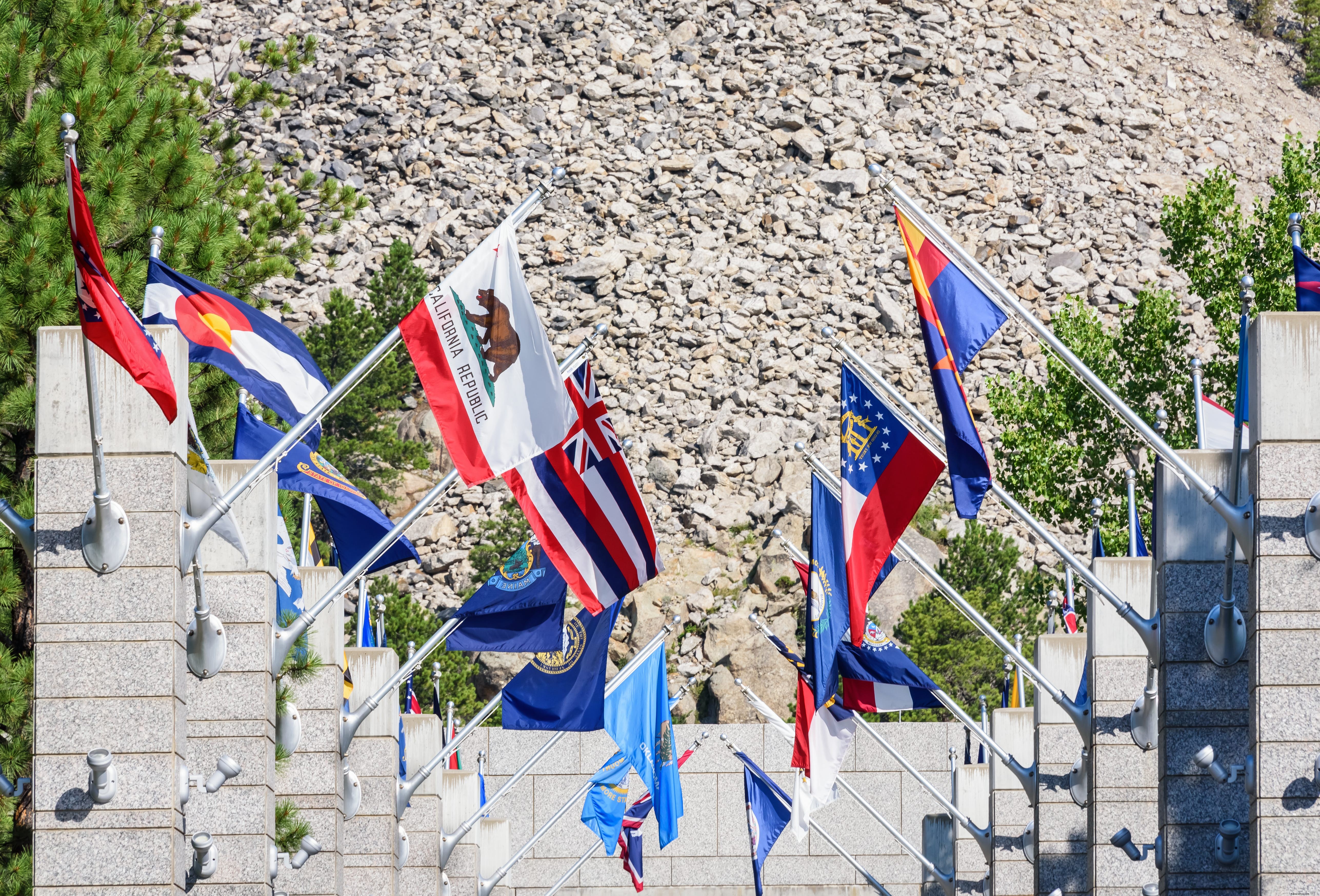
Welcoming nearly three million visitors yearly, it is South Dakota's premier attraction. The Avenue of Flags, with 56 pillars representing the 50 states, one district, three territories, and two commonwealths, sets a patriotic tone upon arrival. Active visitors can hike the 0.5-mile Presidential Trail for closer encounters with these presidential sculptures.
History of Mount Rushmore
Originally called Tunkasila Sakpe Paha, or Six Grandfathers Mountain, by the Lakota Sioux, the site passed to U.S. government control after the Great Sioux War of 1876. It was renamed after New York lawyer Charles E. Rushmore, a regular prospector and hunter in the area.
In 1923, South Dakota historian Doane Robinson envisioned carving figures into the granite to promote tourism. The concept shifted to U.S. presidents, securing congressional approval in 1925. The National Park Service assumed oversight in 1933.
Carving commenced in 1927 and wrapped up in 1941, using dynamite for major rock removal. Sculptor Gutzon Borglum directed hundreds of workers, with Luigi del Bianco as chief carver. Dedications occurred for George Washington in 1934, Thomas Jefferson in 1936, Abraham Lincoln in 1937, and Theodore Roosevelt in 1939. The project totaled $989,992.
Enhancements include granite pillars displaying flags of all 56 U.S. entities. Evening illumination brings the faces to life in a spectacular light show.
Things to Do at Mount Rushmore
Time your visit for early morning before sunrise to enjoy uncrowded vistas illuminated by soft dawn light.
The Avenue of Flags guides you to Grand View Terrace, the ideal vantage for photographs, with complimentary telescopes for detailed views.
Descend 422 stairs on the shaded, half-mile Presidential Trail for proximity to the carvings and chances to spot local wildlife.
Beneath Grand View Terrace, the Lincoln Borglum Visitor Center features exhibits and a 14-minute film on the carving process. Tour the Sculptor's Studio for ranger talks on Borglum, techniques, and workers' stories.
Families can engage in the Junior Ranger program via booklets at information desks. Dine at Carvers' Café and sample Thomas Jefferson's original vanilla ice cream recipe from the outdoor stand.
Getting There and Practical Tips
Situated on South Dakota Highway 244, about 35 miles from Rapid City Regional Airport. No public transportation is available.
From I-90, exit at Rapid City, follow US Highway 16 southwest to Keystone, then Highway 244. From the south, take US Highway 385 north to Highway 244.
Entry is free with no reservations required. Parking costs $10 per vehicle ($5 for seniors 62+).
Peak season is June-August; May, September, and October are milder. Arrive before 9 a.m. or after 3:30 p.m. to dodge crowds.
Accessibility
Braille brochures are available at the Information Center or Lincoln Borglum Visitor Center, or downloadable in advance. Free American Sign Language interpretation requires 14 days' notice.
Mobility-impaired visitors can be dropped off at the main entrance before parking. Free manual wheelchairs are offered at the Visitor Center. Elevators connect Grand View Terrace to the museum and Amphitheater.
The Sculptor's Studio may be accessible from remote parking, depending on security—check with rangers. The Presidential Trail is wheelchair-friendly from Grand View Terrace to base viewpoints. Carvers' Café and gift shop are fully accessible.