Mission San Juan Capistrano: California's Historic Jewel and Swallow Sanctuary
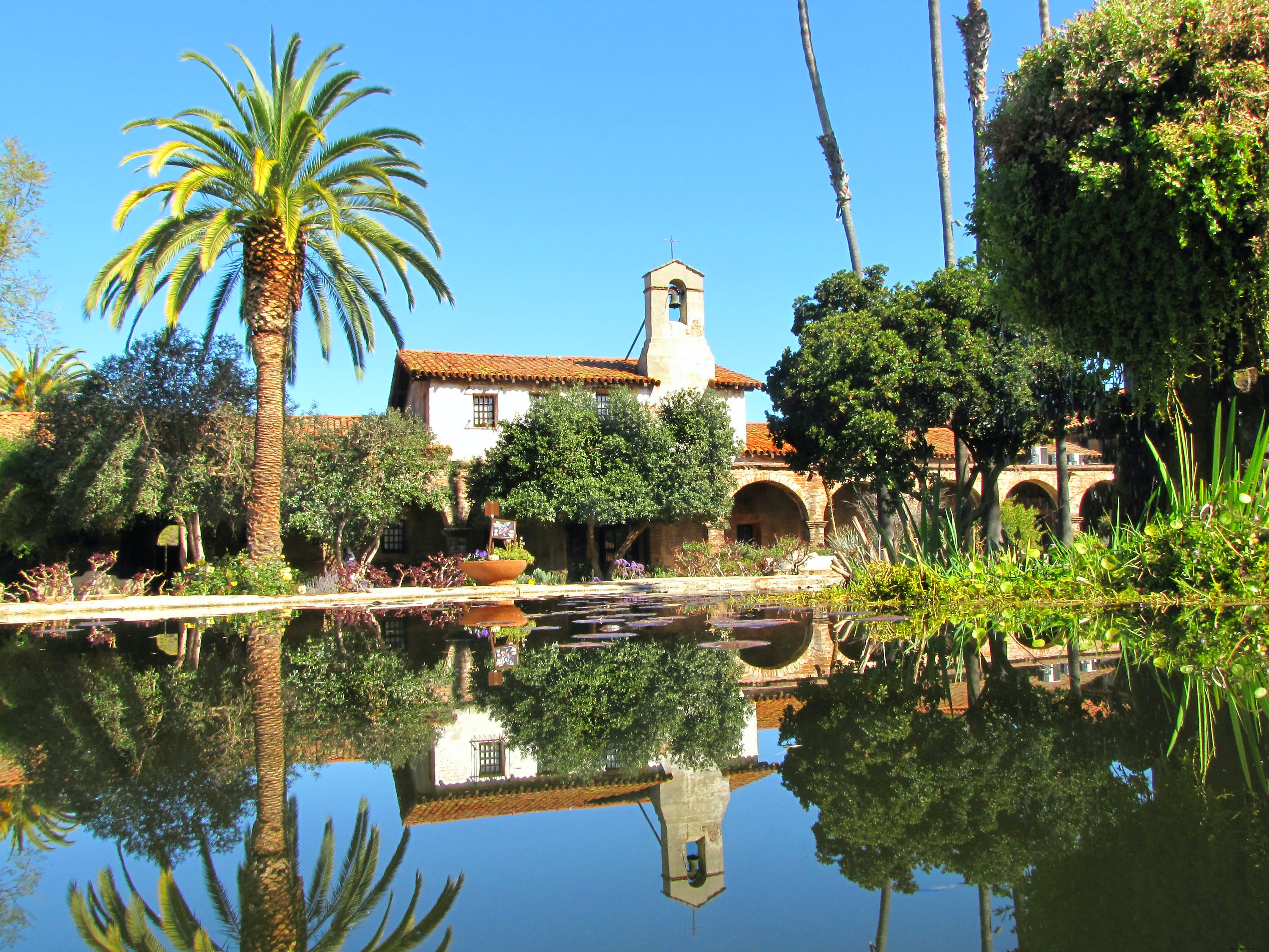
Renowned worldwide for its migratory swallows that return each year around March 19 (sometimes arriving a bit early), Mission San Juan Capistrano is home to the 'Jewel of the California Missions'—one of the iconic Roman Catholic outposts founded in the late 18th and early 19th centuries. Surrounded by picturesque adobe structures, tile-roofed buildings, and historic wooden cottages, this site boasts rich history and stunning architecture perfect for a full-day visit.
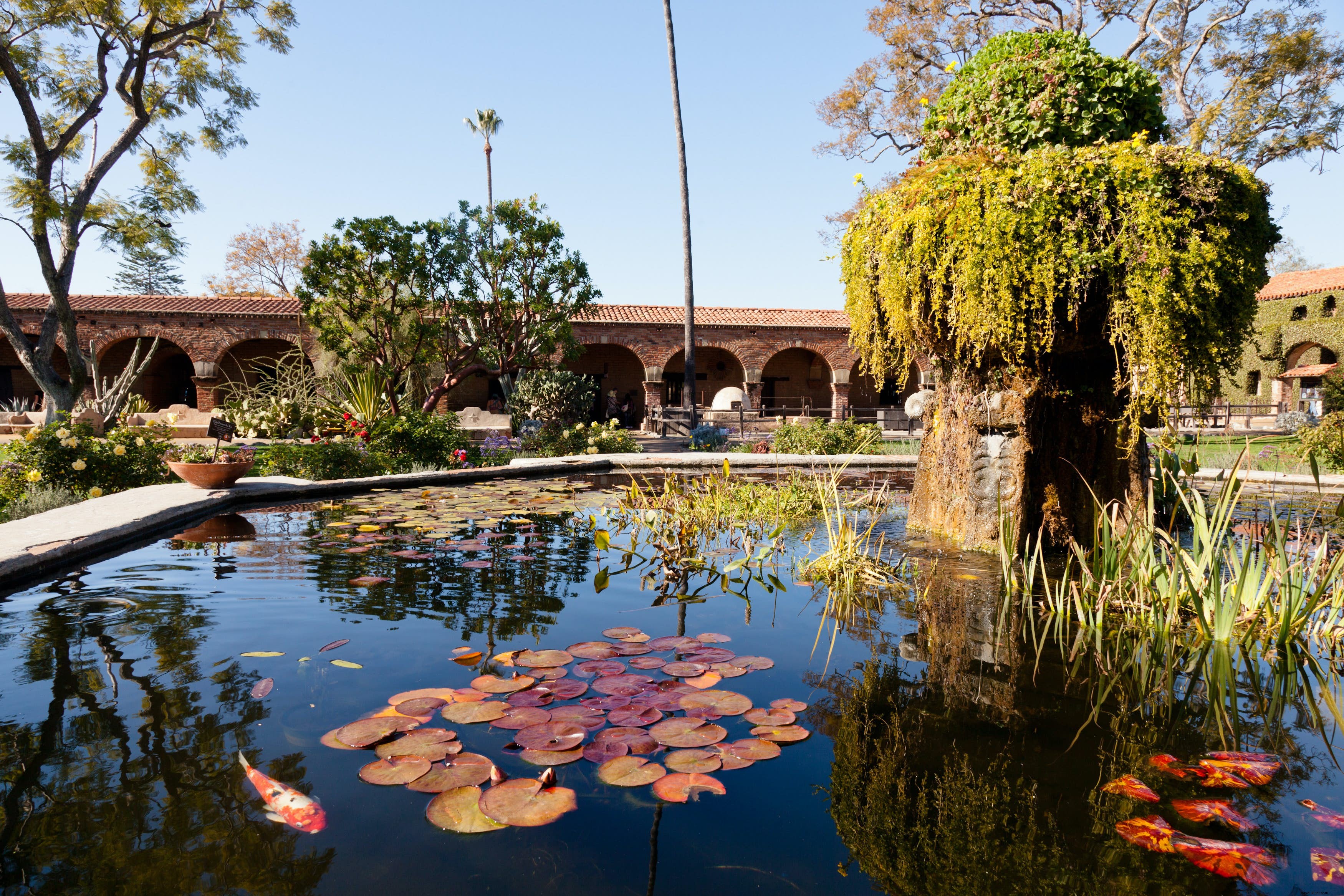
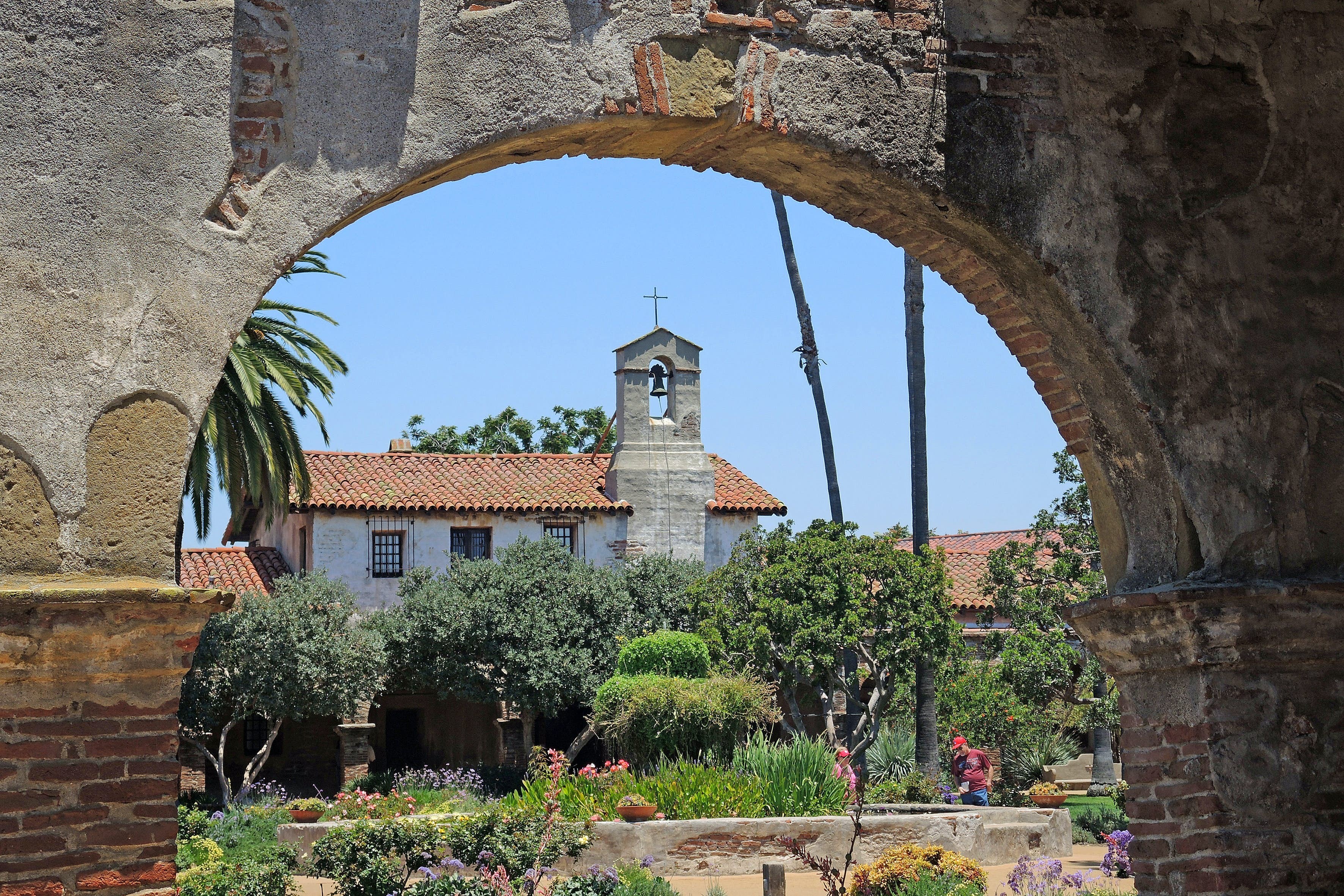
Allow at least an hour to explore the expansive mission grounds, featuring tiled roofs, covered arches, lush gardens, fountains, and serene courtyards—including the padre's quarters, soldiers' barracks, and cemetery. Admission includes an engaging audio tour narrated by local experts, sharing captivating stories. Don't miss the towering ruins of the Great Stone Church, devastated by the massive 1812 earthquake.
History of Mission San Juan Capistrano
Padre Junípero Serra, revered as the founder of California's missions, established nine of the 21 missions, including this one on November 1, 1776. The Serra Chapel—whitewashed exterior with restored interior frescoes—is considered California's oldest standing building, dating to 1782, and the only one where Serra celebrated Mass.
Prior to the missionaries' arrival, the Acjachemen (Juaneño) people inhabited the area, many of whom were later converted and integrated into the community—as evidenced by their graves in the mission cemetery. The padres introduced not only Catholicism but also criollo grapes for sacramental wine, with the first vineyards planted in 1779, laying the foundation for California's renowned wine industry.
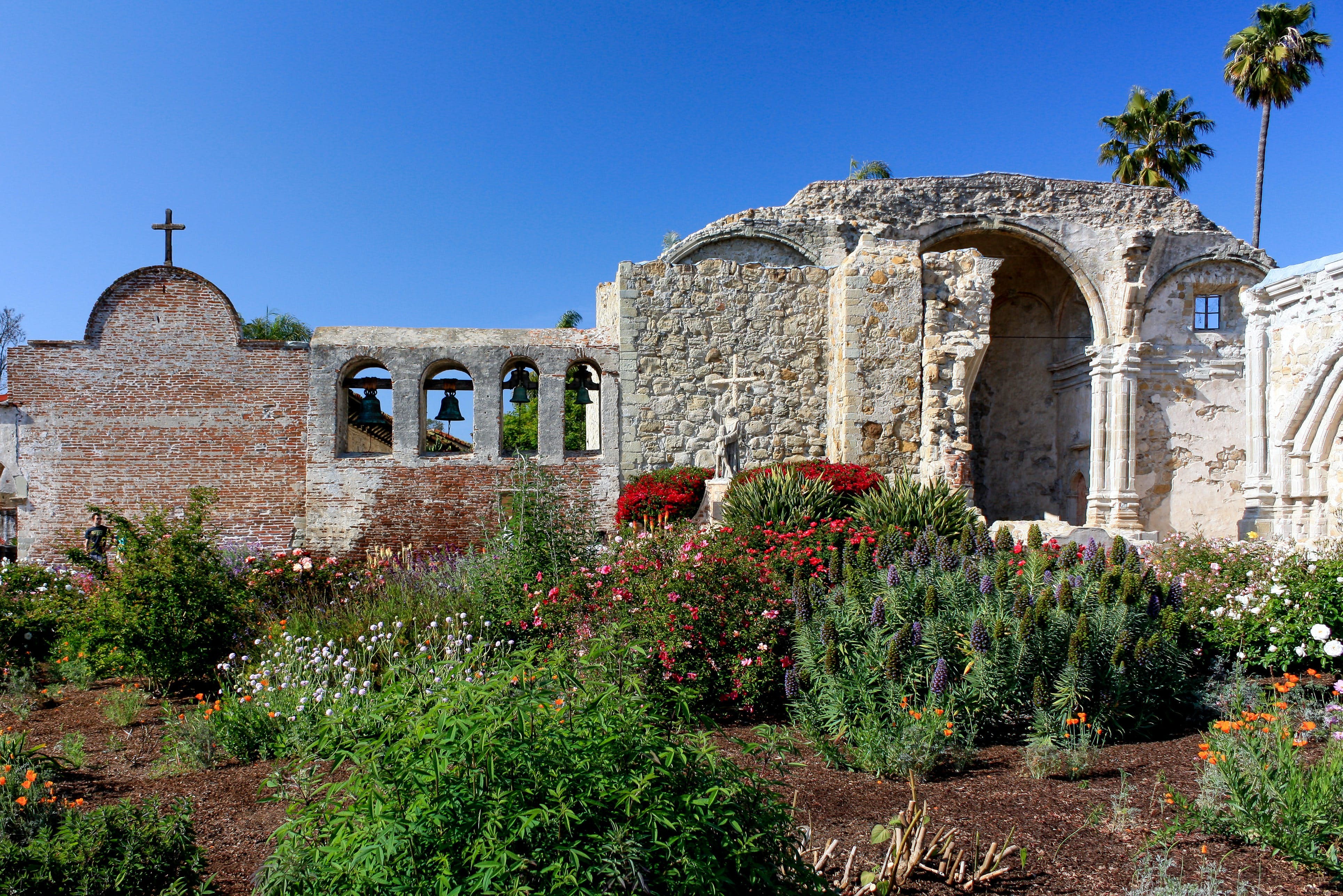
The Great Stone Church, an early mission structure, was destroyed by earthquakes in 1800 and 1812. Subsequent secularization of Mexican missions (before California joined the U.S.), along with looting by locals, former priests, and even pirates, contributed to its decline.
Today, the mission preserves its legacy through exhibits like the Native American Museum and Interpretive Center, landscape paintings, and religious artifacts.
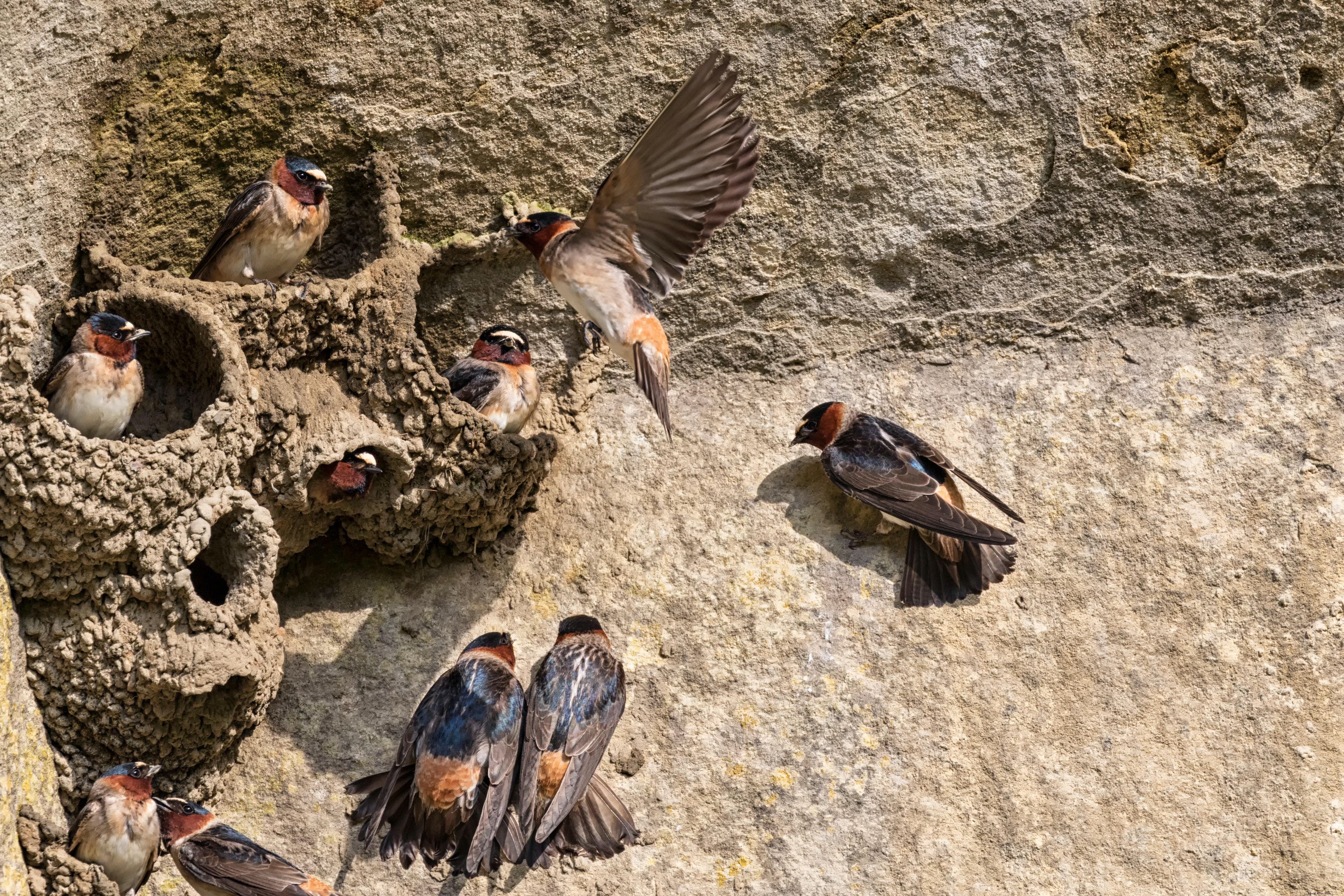
The Legendary Swallows of Mission San Juan Capistrano
Every spring around March 19—Saint Joseph's Day—the famous swallows return from South America to nest in the mission's walls, migrating roughly 7,500 miles each way. The month-long festival peaks with one of the nation's largest non-motorized parades, a tradition since the 1930s.
Along the parade route, visitors enjoy an outdoor mercado (market) on a mid-March Saturday, featuring food, drinks, and live music.
Getting to Mission San Juan Capistrano
Located at the corner of Ortega Highway and Camino Capistrano, the mission is easily accessible by car with ample free public parking nearby, including a prime lot south of Ortega Highway at El Camino Real.
Trains via Amtrak or Metrolink arrive at the station at 26701 Verdugo Street, just a two-minute walk away.
The closest hotel, the Inn at the Mission San Juan Capistrano (an Autograph Collection property), sits across El Camino Real near the Serra Chapel East Gate. Inspired by mission architecture, it features a restaurant, spa, pool, and views of the Great Stone Church ruins; it opened in September 2020.
Take a magical road trip on California's Highway 1