Great Smoky Mountains National Park: Ultimate Guide to Hiking, History, and Adventures
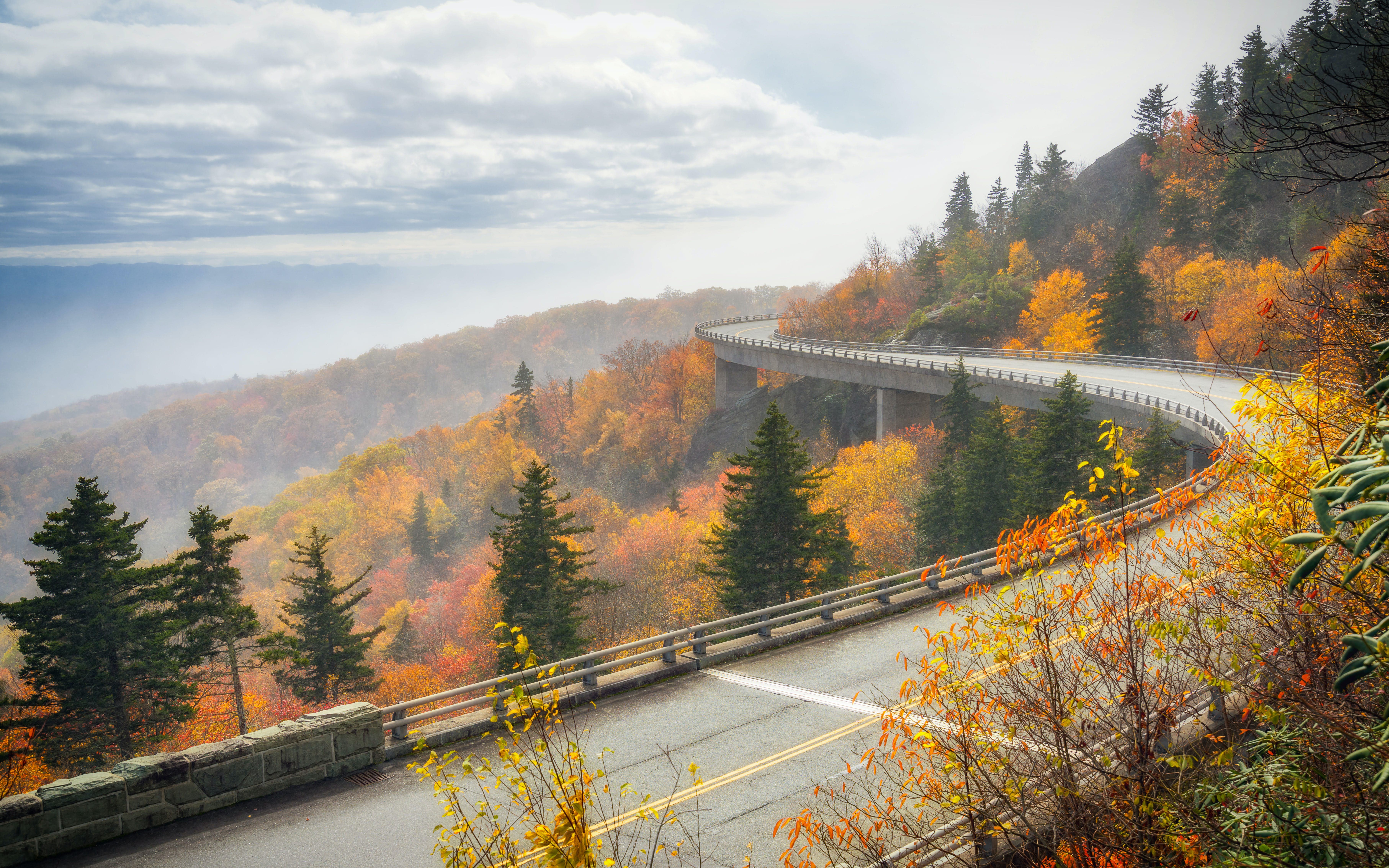
The Great Smoky Mountains boast a geological history spanning billions of years. Rocks formed on the floor of ancient seas over a billion years ago were thrust upward when the African tectonic plate collided with North America, forming one of Earth's oldest mountain chains.
Human presence here is equally ancient. Indigenous peoples have inhabited the region since prehistoric times; archaeologists have uncovered 10,000-year-old hunting artifacts and ceramics dating to 700 BCE. European settlers in the 17th century encountered Cherokee communities along river valleys. The Smokies were central to Cherokee territory until their forced removal via the Trail of Tears. In the early 1900s, logging nearly devastated the forests, but visionary locals in the 1920s championed park creation, realized in 1934.
Today, Great Smoky Mountains National Park is America's most visited, thanks to easy access from cities like the Research Triangle (NC), Knoxville (TN), Atlanta (GA), and Washington, DC. Its drivable roads and diverse trails cater to all—from casual visitors and wildlife enthusiasts to avid backpackers. Best of all, entry is free—no fees or passes required.
Discover how and when to visit, top attractions, camping options, and must-do trails. Whether a first-timer or repeat visitor, this guide has you covered.
Top Hiking Trails in Great Smoky Mountains National Park
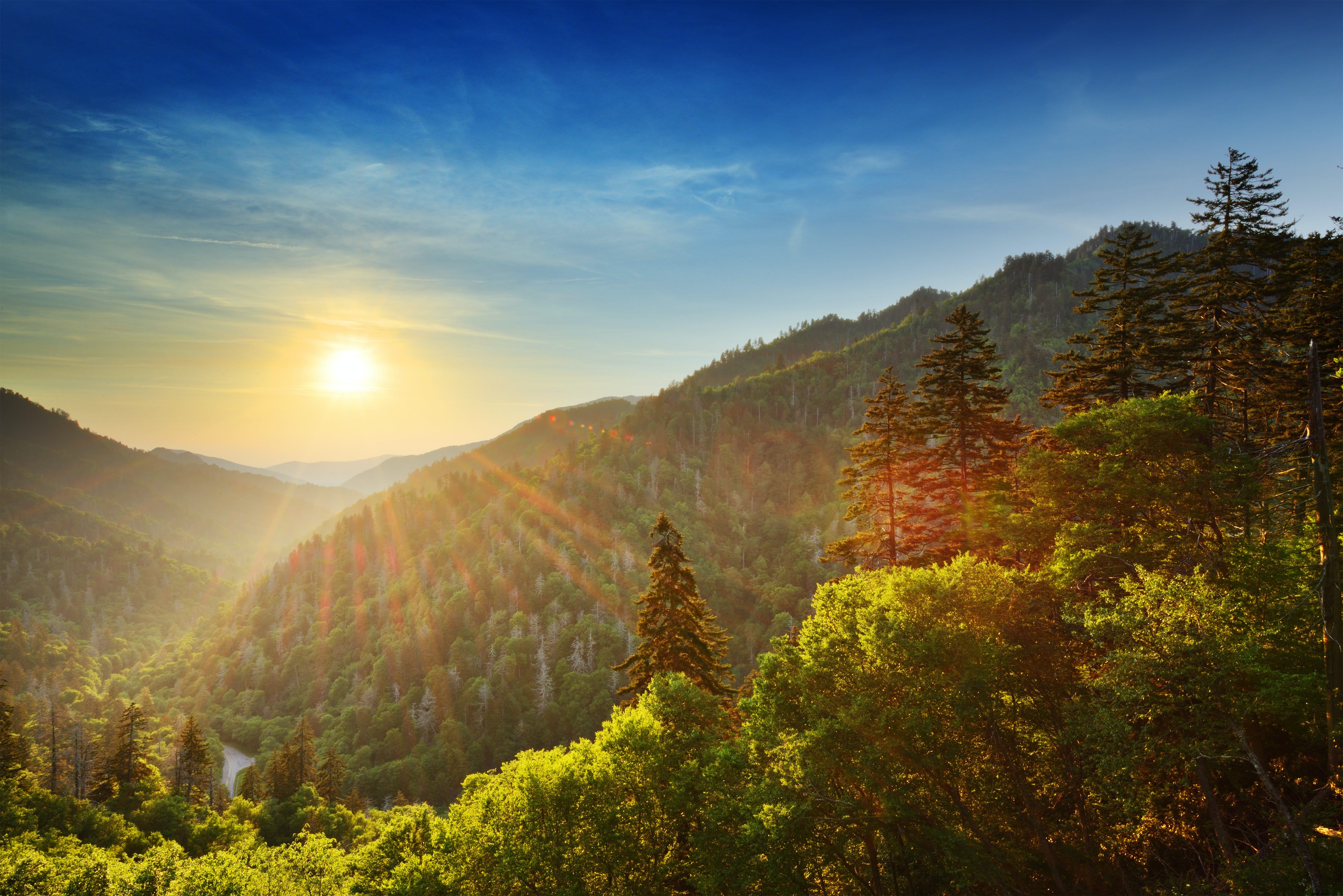
Part of the ancient Appalachian chain—formed over 200 million years ago and once rivaling the Himalayas in height—the Smokies offer profound vistas from 6,000-foot peaks. With over 800 miles of trails, options range from quick waterfall walks to multi-day epics. Highlights include:
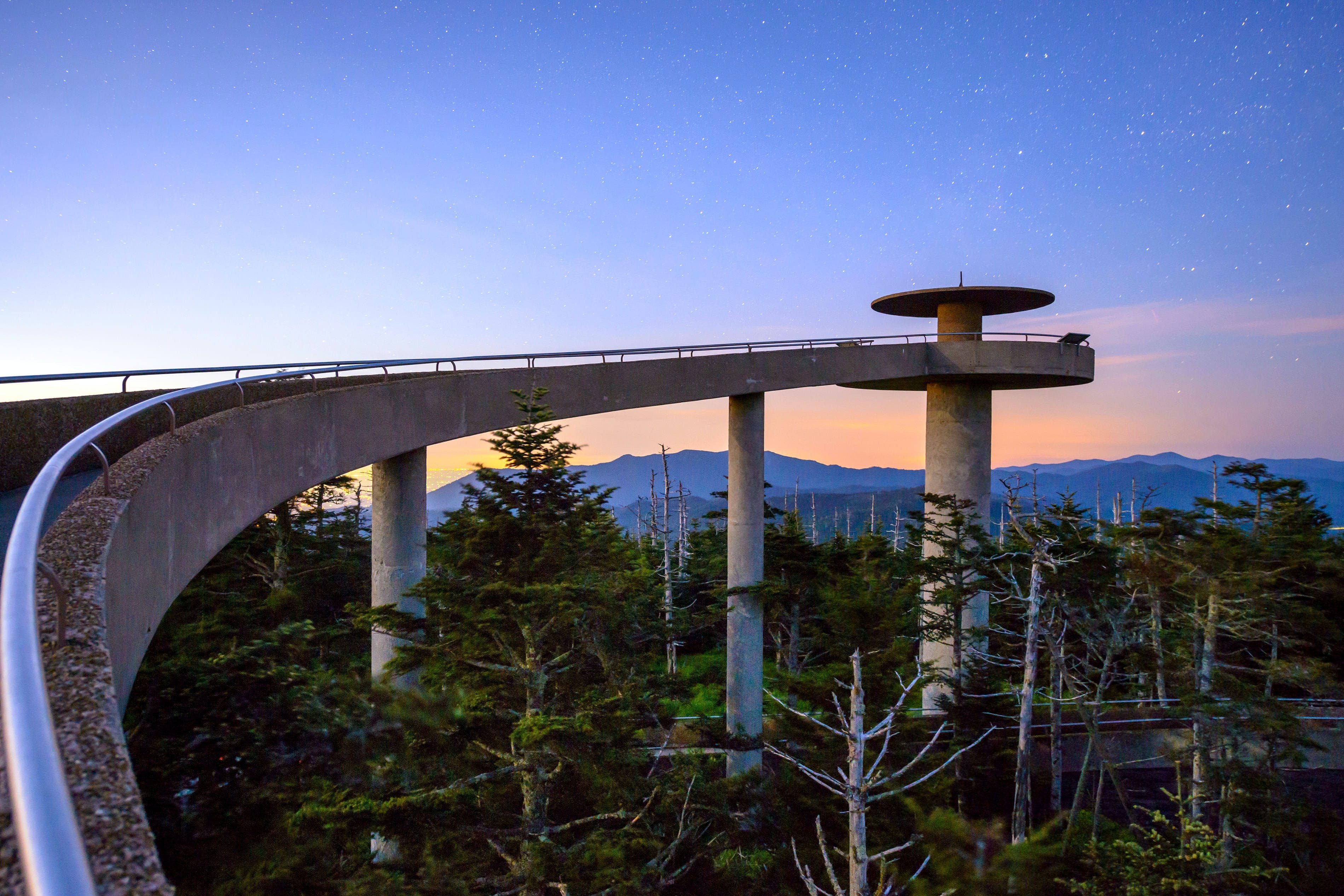
Clingmans Dome
The park's highest point delivers 360-degree views year-round from its iconic observation tower. A steep, paved half-mile path leads there, intersecting trails like the Appalachian Trail and Alum Cave Bluffs. Visit in winter for solitude when the road closes.
The Appalachian Trail
This legendary 2,200-mile path spans 14 states, with 71 challenging miles cresting the Smokies' spine. Enjoy overlooks, misty forests, and historic fire towers. Perfect for day hikes or overnights, even sans full-thru commitment.
Mt. LeConte
A premier day hike climbs to the third-highest peak (6,593 feet) via trails past waterfalls, bridges, and cliffs. Summit at the historic LeConte Lodge (book early) for an unforgettable stay.
Alum Cave Bluffs
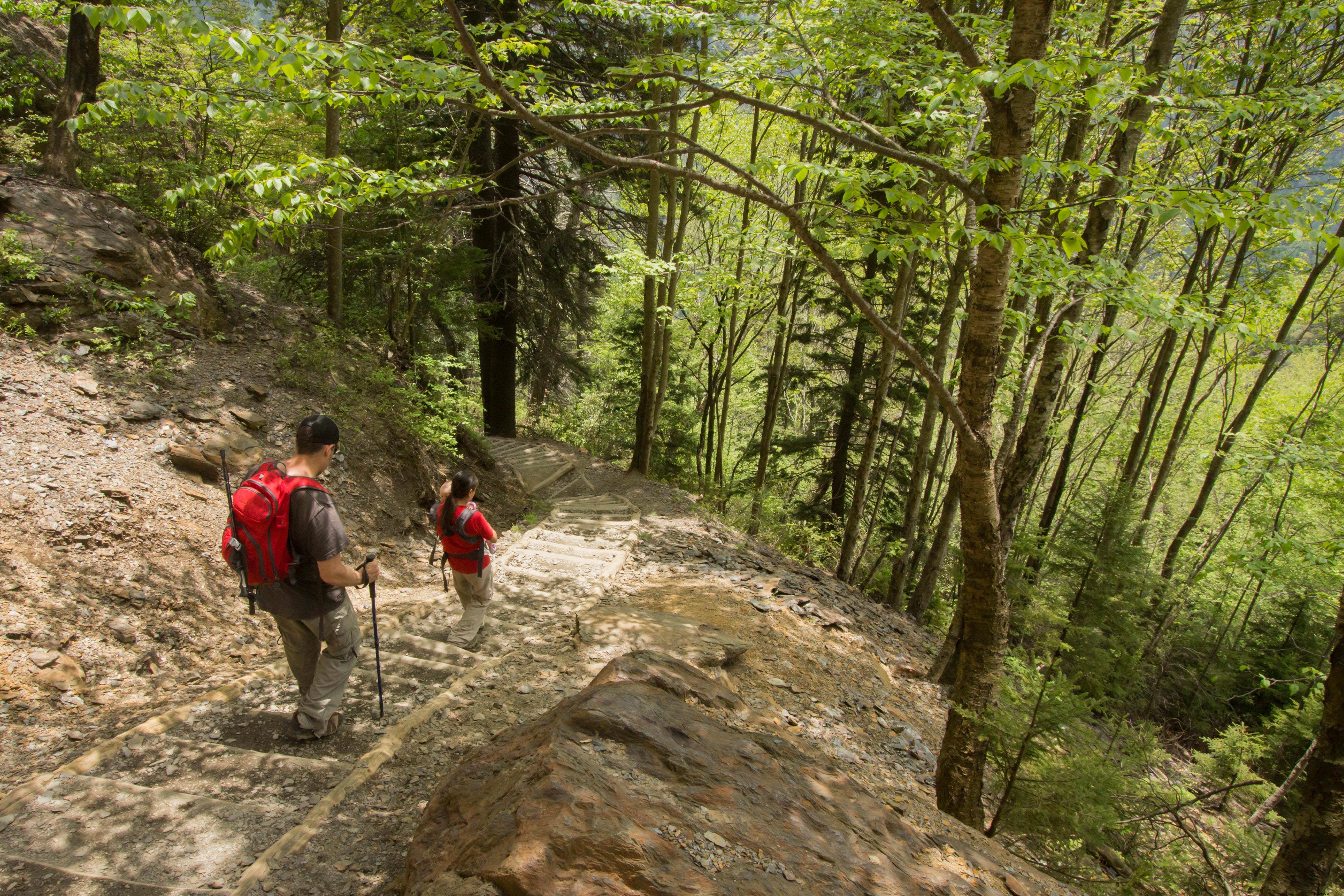
Among the park's top 10 trails, this popular route features log bridges, old-growth forest, Arch Rock, heath balds, and Inspiration Point. Reach the dramatic bluffs (a mineral-rich overhang), then continue 2.7 miles to Mt. LeConte. Arrive early to beat crowds.
Ramsey Cascades
Trek through towering old-growth tulip trees to the park's tallest waterfall (100 feet), gaining 2,280 feet. The challenging path hugs the Pigeon River; spot salamanders at the base but avoid climbing slippery rocks.
Camping in the Smokies
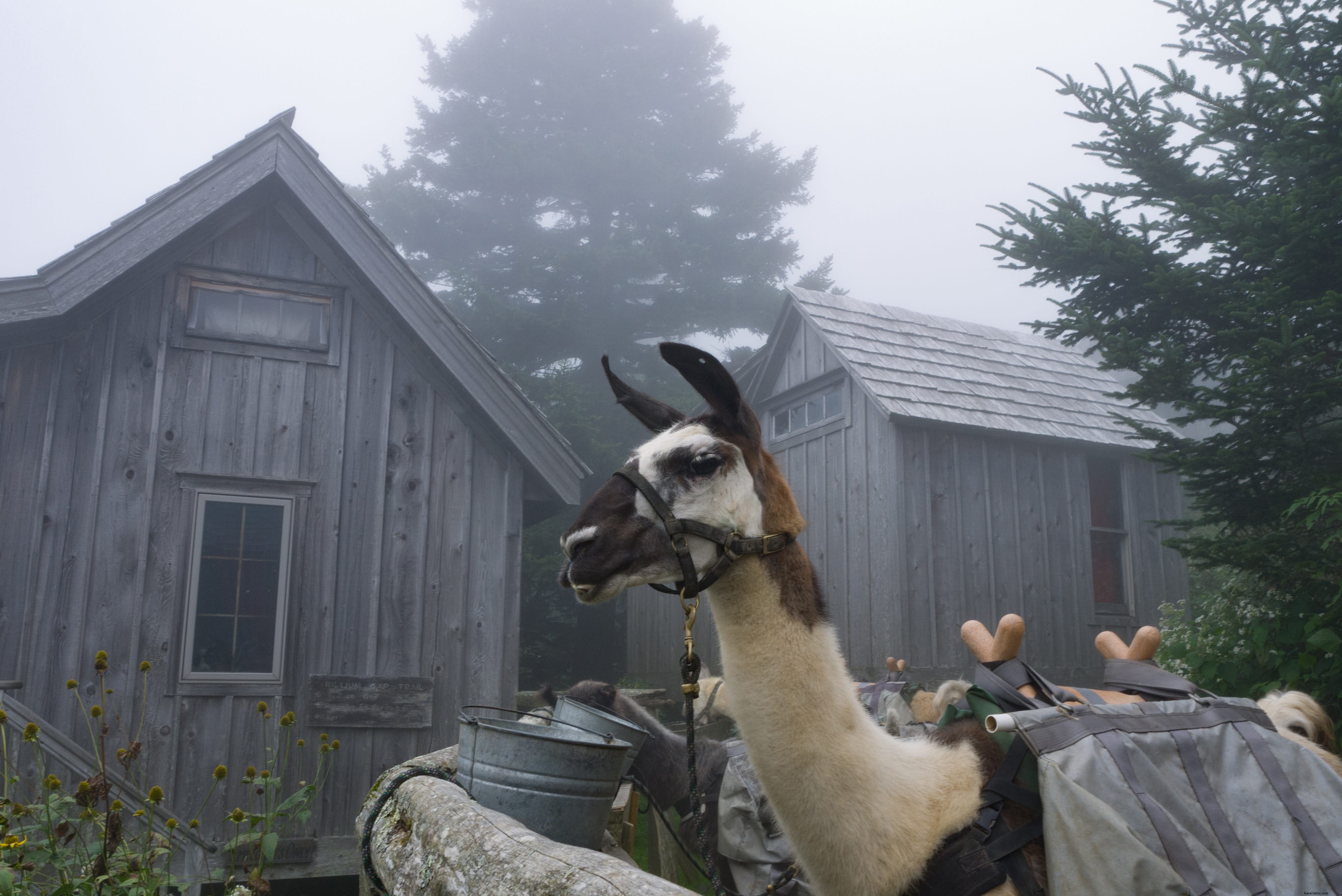
Options abound: hike-in LeConte Lodge is unique; Gatlinburg offers abundant lodging (pricey), while Pigeon Forge and Sevierville provide budget alternatives. The park's nine developed campgrounds (one closed) feature restrooms, fire grates, and picnic tables—no showers or hookups. Reserve ahead for popular sites like Cades Cove and Smokemont (year-round). Backcountry camping requires permits ($4/night for first five nights); follow regulations.

Scenic Drives in the Smoky Mountains
Debated in the park's early days, roads now enhance accessibility. With 384 miles total, favorites include Little River Road and Cades Cove Loop. Key routes:
Newfound Gap Road
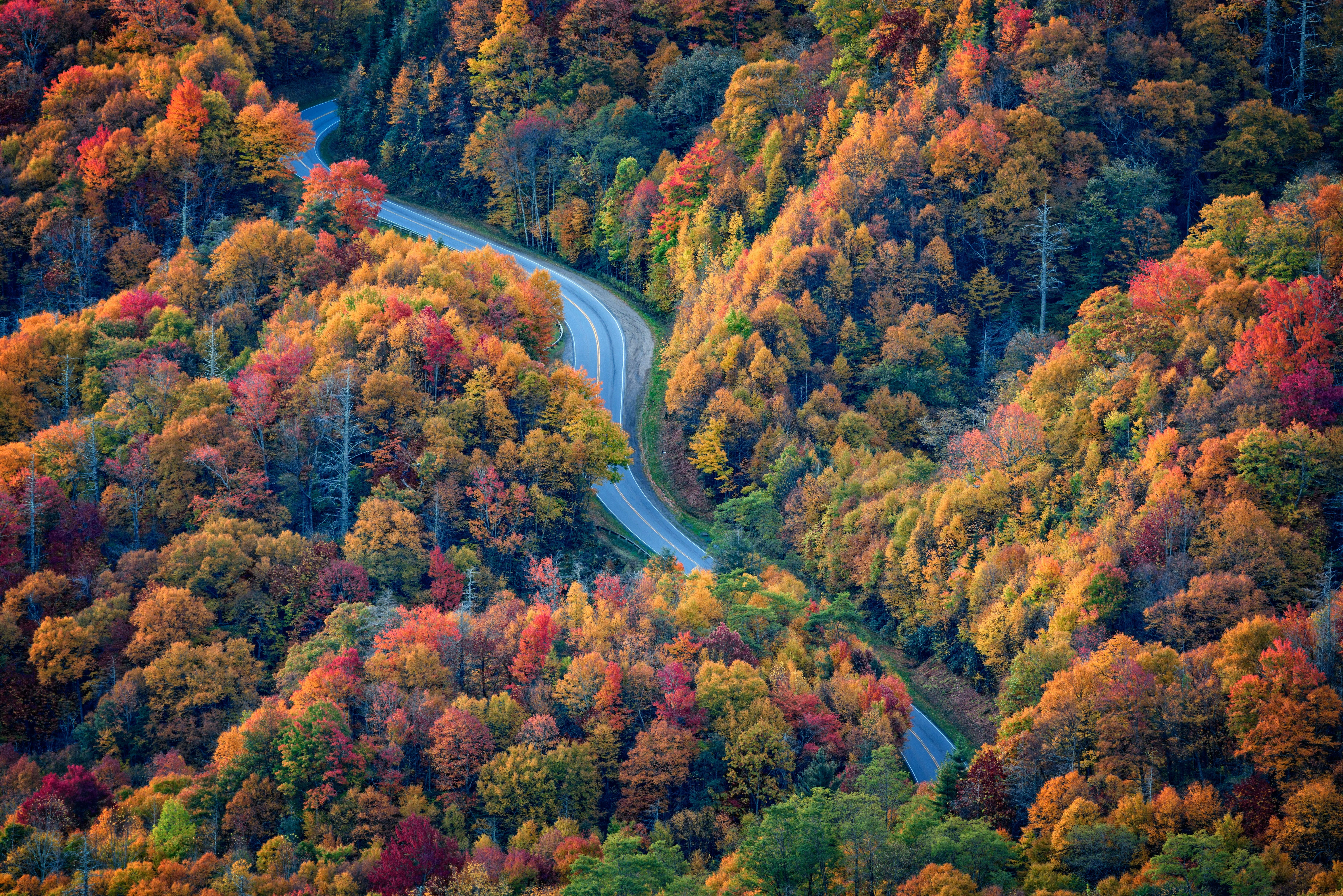
This 33-mile paved traverse links Cherokee, NC, and Gatlinburg, TN, with forest views, overlooks, streams, and trail access. Take it slow.
Roaring Fork Motor Nature Trail
A 5.5-mile gem reveals waterfalls, old-growth forest, historic sites, and trails like Grotto Falls.
Foothills Parkway
The extended 33-mile section offers stunning vistas post-2018 completion.
More Things to Do
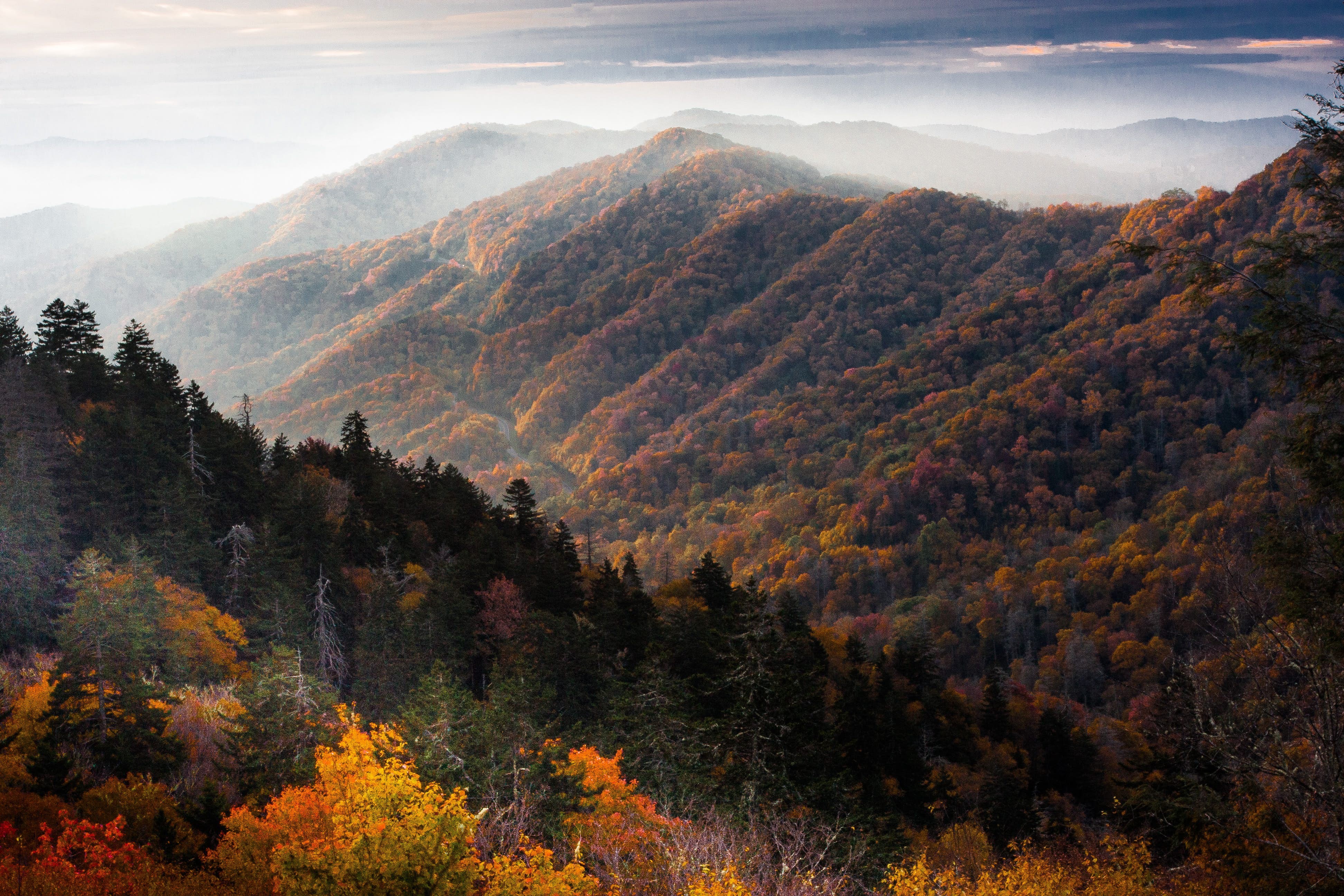
A UNESCO World Heritage Site with unmatched U.S. park biodiversity, the Smokies shine year-round. Spring wildflowers, summer azaleas, fall foliage, and winter snows await. Must-dos:
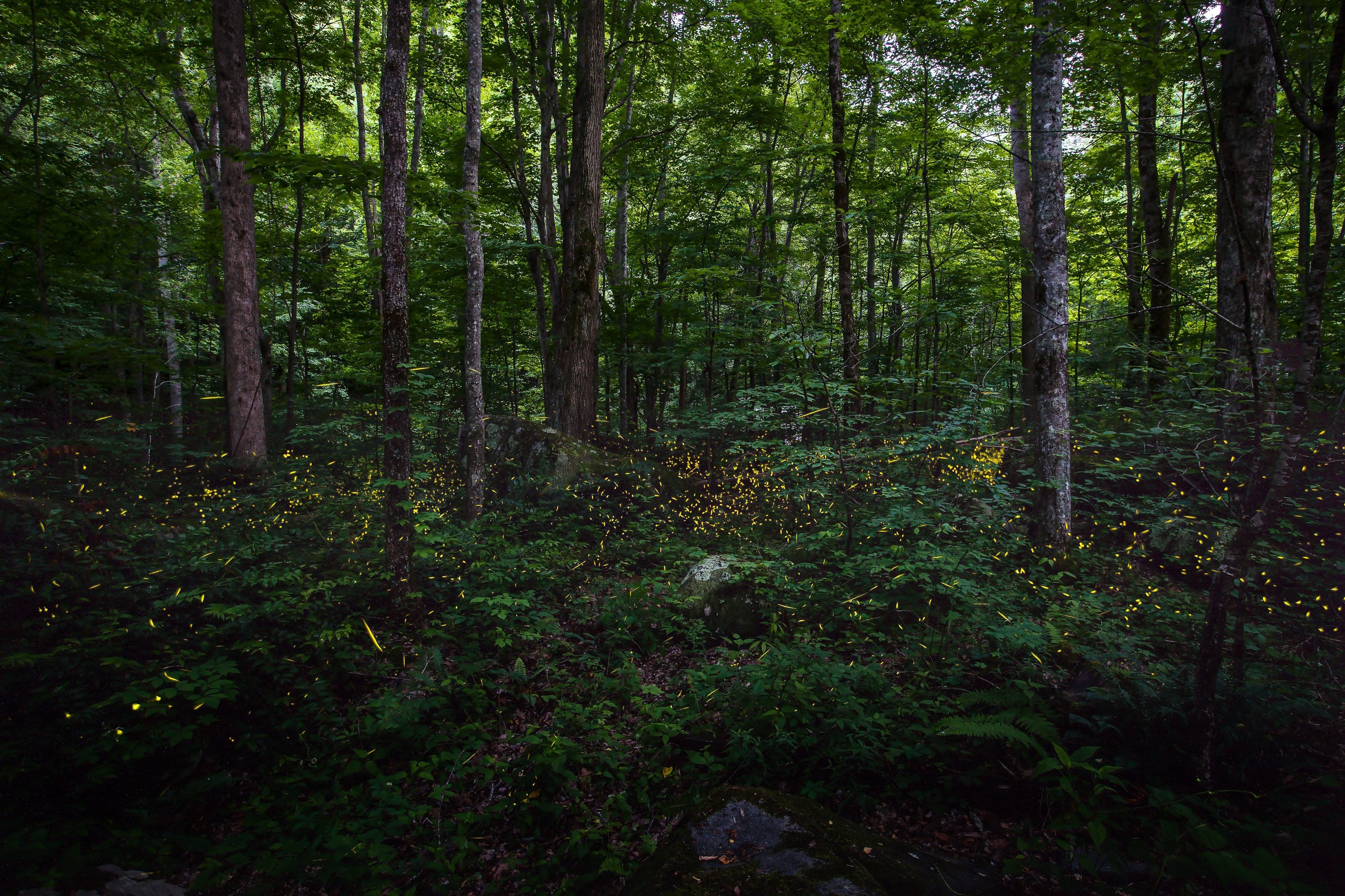
Synchronous Fireflies
Late May–June, Elkmont glows with unified flashes. Secure lottery parking passes for shuttle access.

Wildlife in Cataloochee
Spot elk, bears, and turkeys amid historic 1900s structures and trails like Boogerman.
Pigeon River Rafting
Upper Pigeon (Class III–IV) thrills; Little Pigeon suits families.
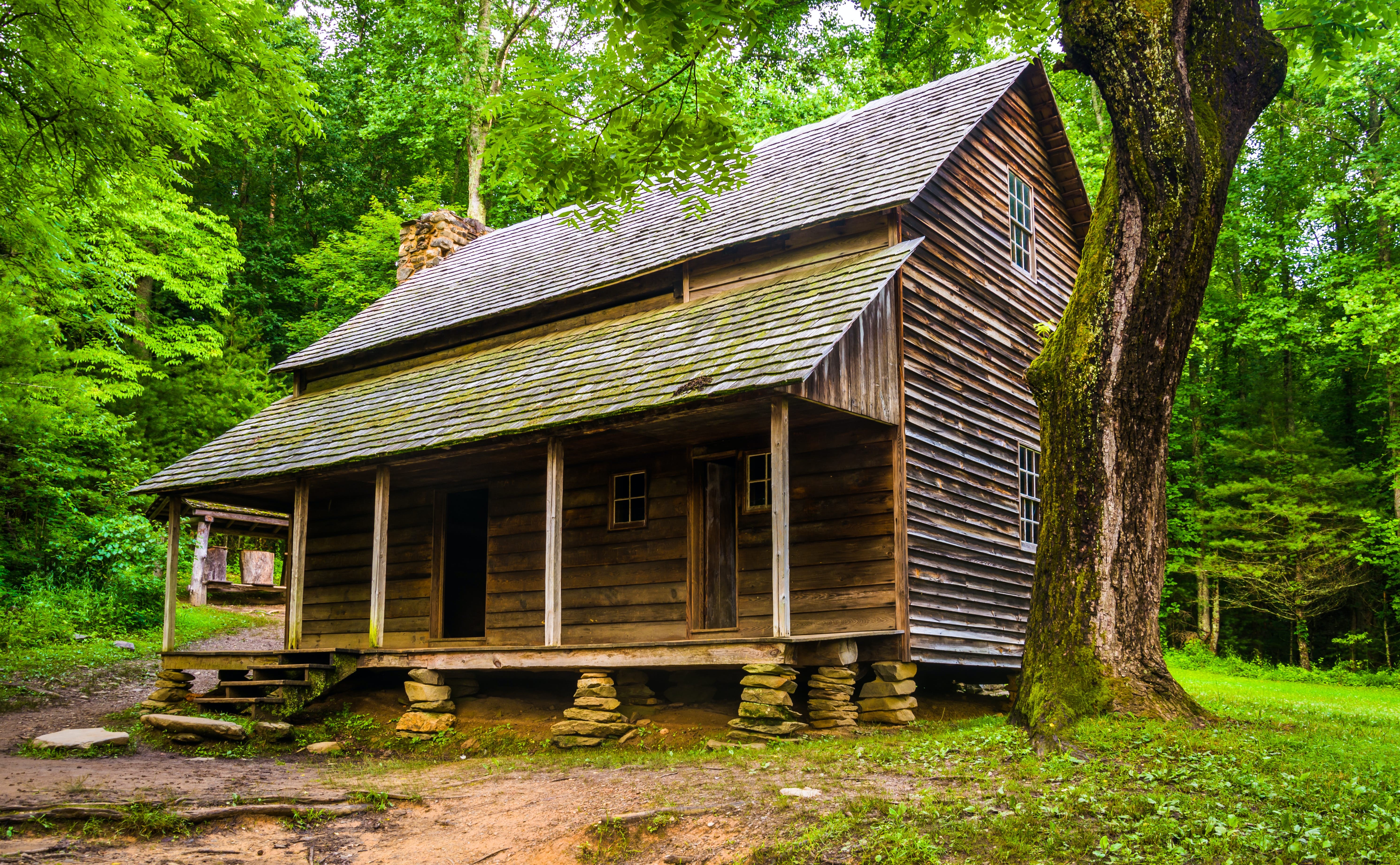
Cades Cove History
Explore 19th-century churches, barns, homes, and a gristmill in this wildlife-rich valley.
Best Time to Visit
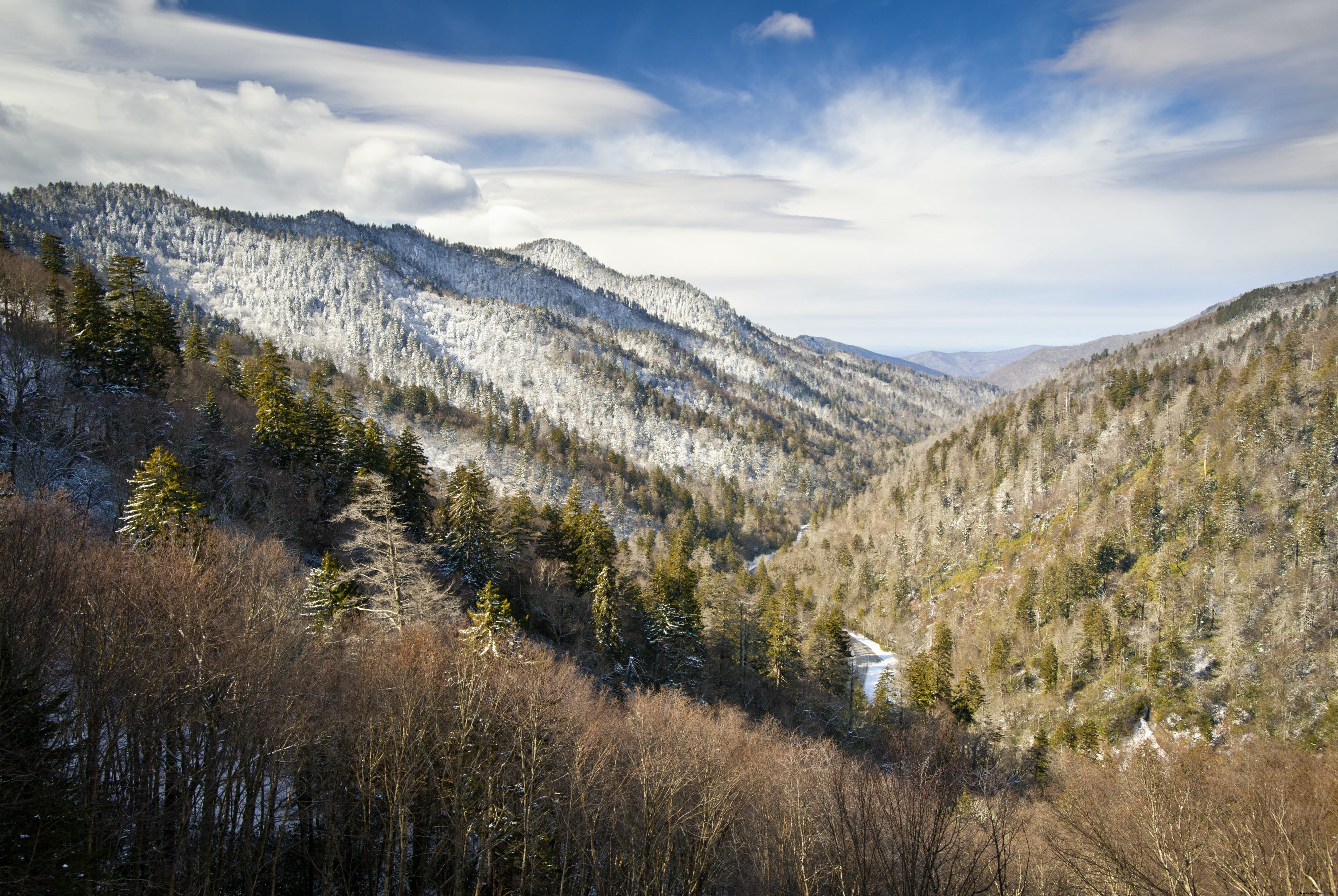
Open year-round; peak in summer/fall. Spring (April–May): wildflowers. Summer: fireflies, crowds. Fall: foliage. Winter: snowscapes, fewer visitors. Roads/campgrounds may close seasonally.

Planning Your Trip
Fly into McGhee Tyson (Knoxville), Asheville, or larger hubs; rent a car. Free entry; fees for camping/picnics. Visitor centers at Cades Cove, Oconaluftee, Sugarlands, Clingmans Dome. Bear safety: leash dogs, secure food/scents.
History of Great Smoky Mountains National Park
Hernando de Soto likely first European visitor (1540). Cherokee villages like Tsiyahi (Cades Cove) thrived. Post-1819 treaty, settlers arrived. Logging peaked 1900s; conservationists like Ann Davis led park efforts. Established 1934; CCC built infrastructure 1933–1942.