Crater Lake National Park: Explore America's Deepest Lake and Volcanic Wonders
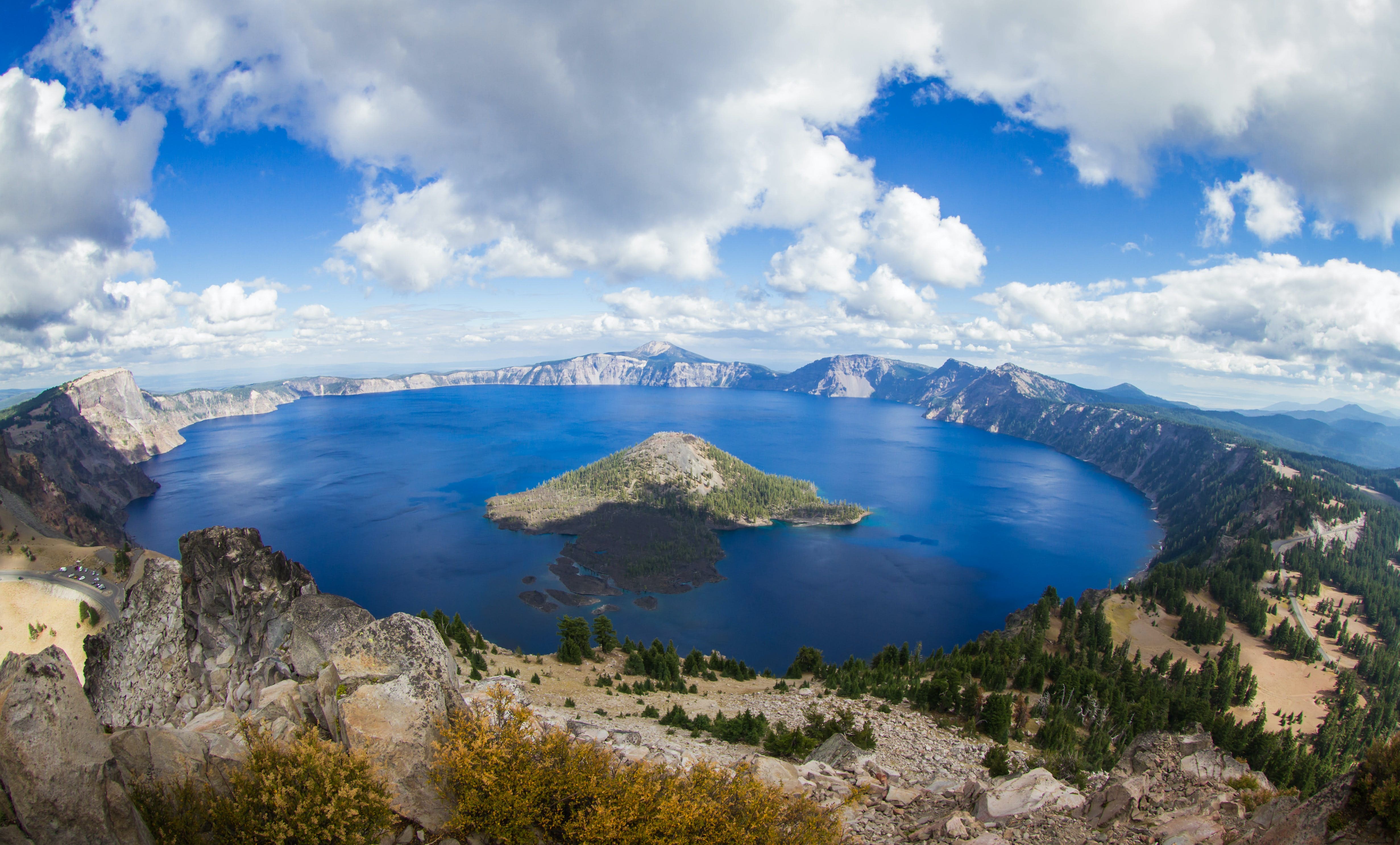
The ancient mountain forming Crater Lake was known to the Klamath, Modoc, and Yahooskin Band of the Snake as Giiwas, or "sacred place." This name stems from Indigenous accounts of a catastrophic volcanic explosion around 7,700 years ago—an event so vividly etched into their oral histories that it predicted geological features confirmed millennia later.
Before the eruption, Mount Mazama stood as a 12,000-foot glacier-covered volcano, dormant for thousands of years. Its cataclysmic blast scattered ash across hundreds of miles, with superheated pumice flows forming vast deposits. The emptied magma chambers caused the summit to collapse, creating the caldera. Today, sparse forests grow in the Pumice Desert north of the lake along North Entrance Road. Beyond the park, sites like Umpqua Hot Springs reveal ongoing geothermal activity.
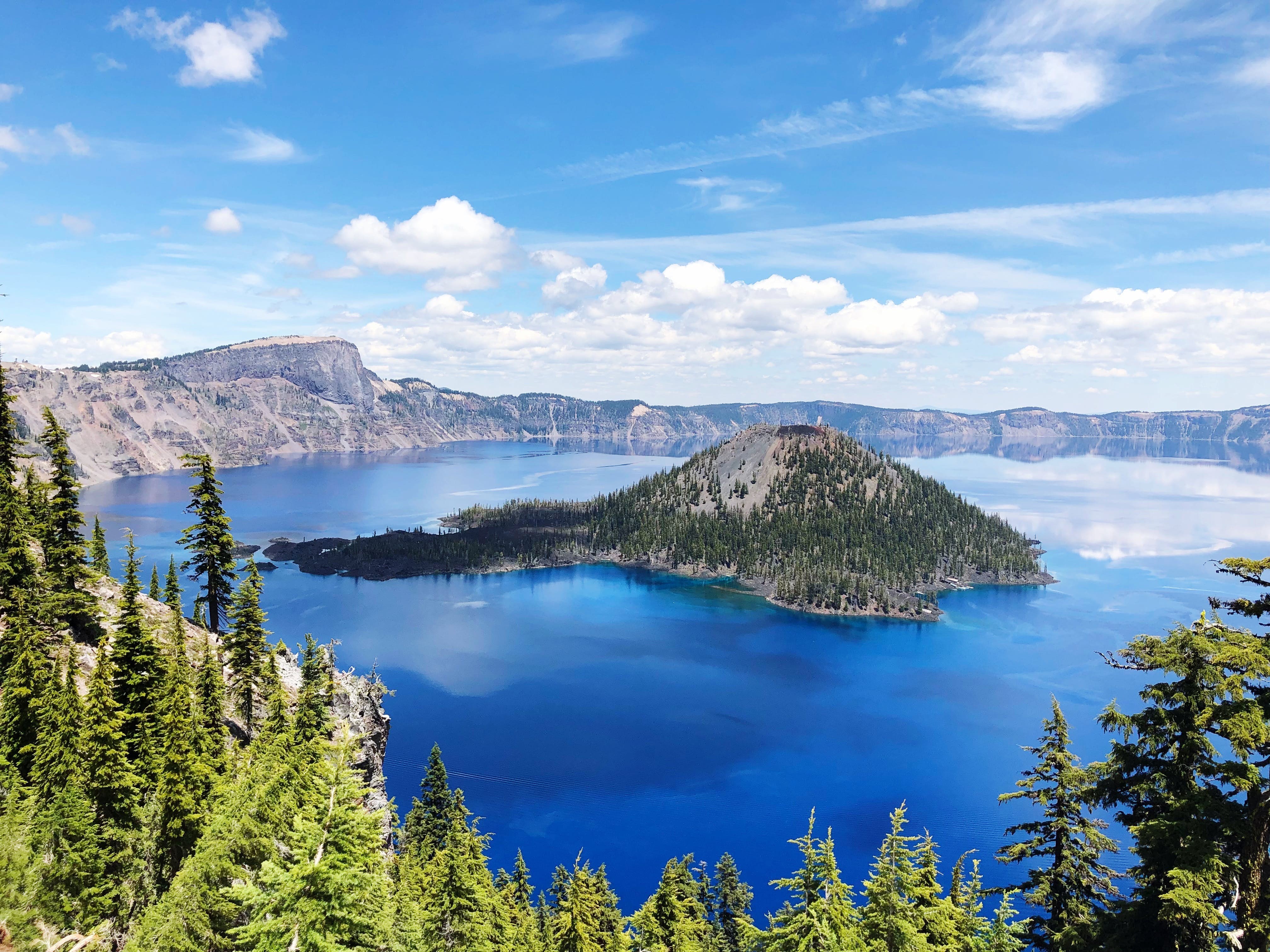
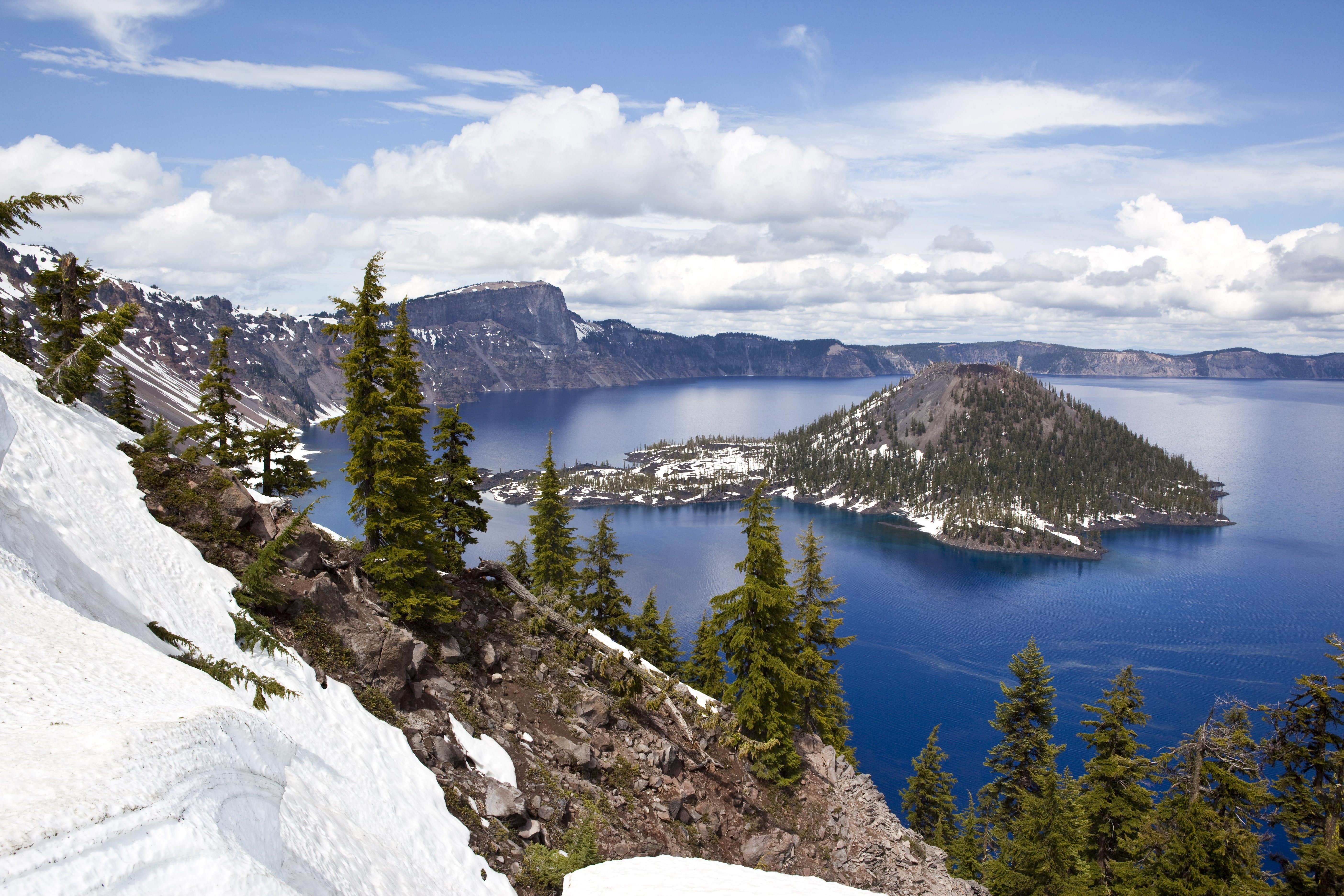
Over centuries, pure snowfall and rain filled the caldera, forming Crater Lake—the deepest in the U.S. at 1,943 feet. Its clarity and depth produce the iconic deep-blue hue, mirroring surrounding peaks like a vast sapphire. This creates unparalleled photo opportunities and panoramic vistas.
Highlights of Crater Lake National Park
The year-round south entrance leads to Rim Village, Mazama Village, and park headquarters at the Steel Visitor Center. In winter, access is limited to the rim and return; other roads remain unplowed. The north entrance operates from early June to late October, weather permitting.
Rim Drive
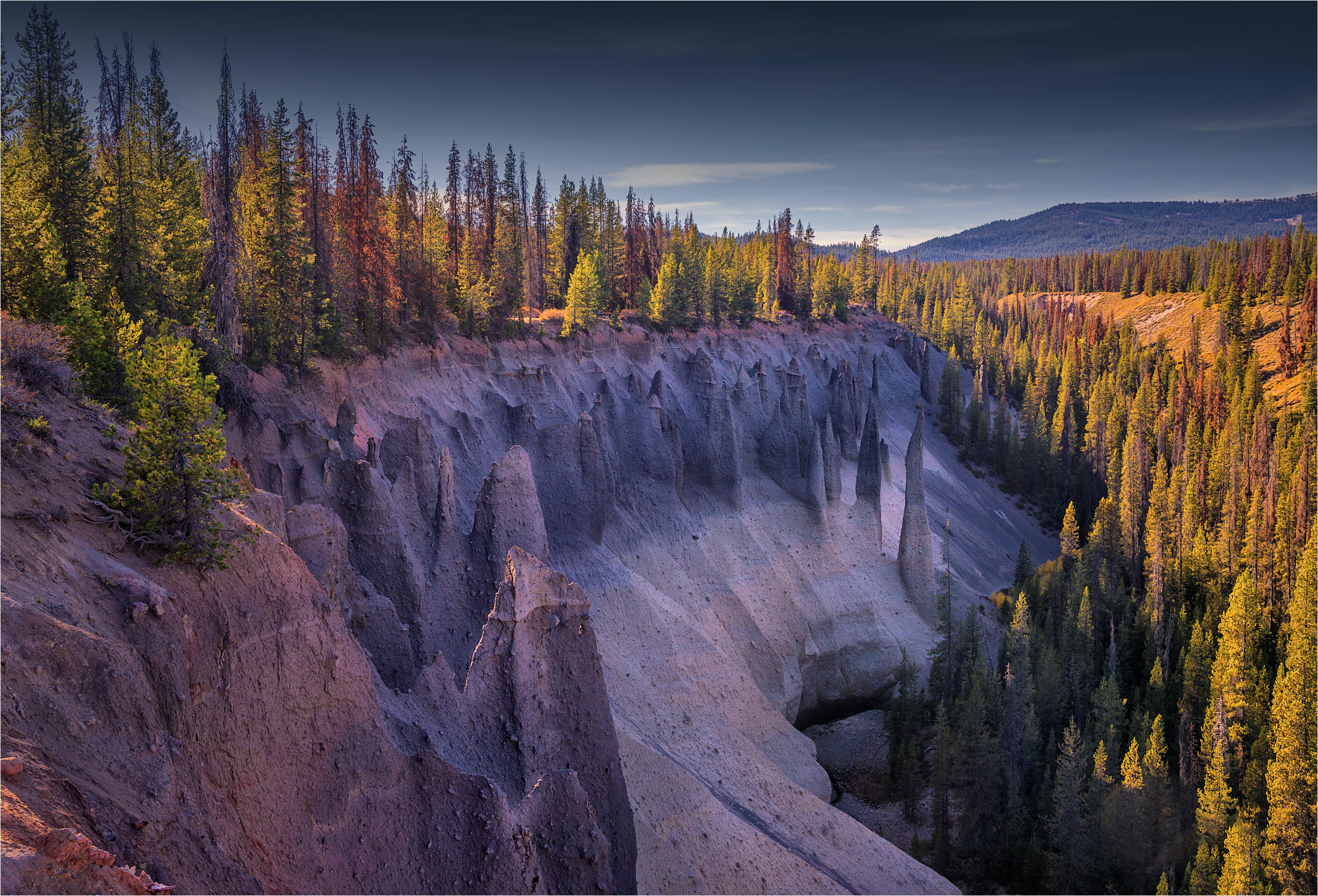
Most visitors drive the scenic 33-mile Rim Drive loop (open late June to mid-October), featuring over 30 viewpoints encircling the lake. A 7-mile spur reaches the Pinnacles—erosion-carved pumice spires up to 100 feet tall (hoodoos). The east-side Cloudcap Overlook offers dizzying 2,000-foot-high vistas. Allow at least two hours with stops.
Wizard Island
Wizard Island, a cinder cone rising 755 feet above the lake, dominates the caldera. View it from the rim or take a summer boat shuttle (advance reservations required). On the island, hike the 2.5-mile rim loop, explore the 1.4-mile Fumarole Trail amid lava formations, or swim in the pristine waters.
Tours
Join ranger-led Crater Lake Trolley tours (two hours, multiple stops) for narrated insights without driving hassles. Boat tours from Cleetwood Cove require a strenuous 1-mile hike down (and up). Options include a two-hour lake circuit ($44), Wizard Island stopover ($55), or shuttle only ($28). Book ahead.
Hiking and Snowshoeing
Over 90 miles of trails await, though high-elevation paths may hold snow until late July. Trails near Rim Village and Mazama Village are popular; venture farther for solitude and wildflowers peaking later at higher altitudes. Winter offers Nordic skiing from Rim Village (bring gear) and free ranger-led snowshoe walks (reserve ahead). Expert backcountry skiers need permits for multi-day lake loops.
Mt. Scott
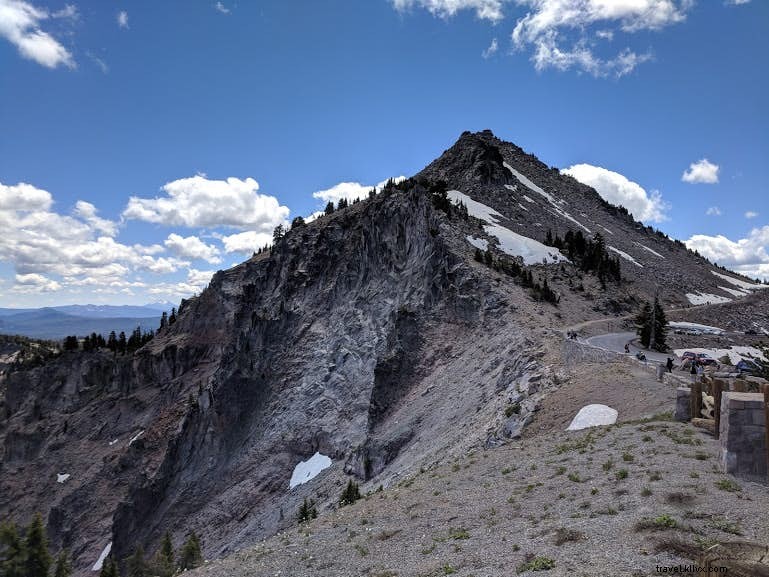
This strenuous 5-mile round-trip ascends 8,929-foot Mt. Scott, the park's highest point, for panoramic lake views. The trail starts gently through meadows before steepening; expect year-round summit snow. It's the only spot framing the entire lake and attracts birds like grouse and Steller's jays.
Garfield Peak
A steep 3.4-mile round-trip from Rim Village parking climbs to 8,054 feet, revealing the lake, Klamath Basin, and Cascades amid July wildflowers. Popular yet rewarding; prepare for altitude and persistent snow.
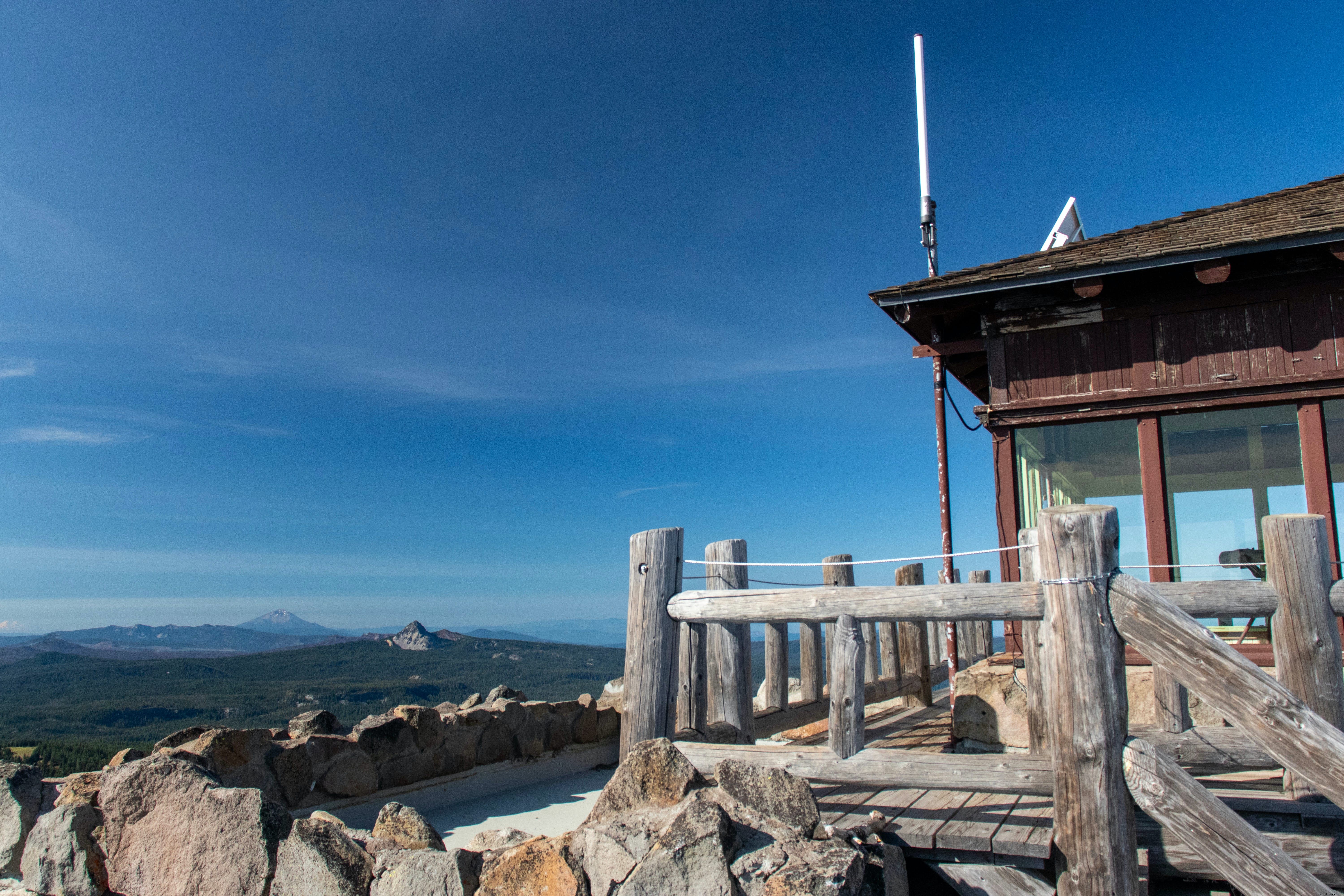
Watchman Lookout Tower
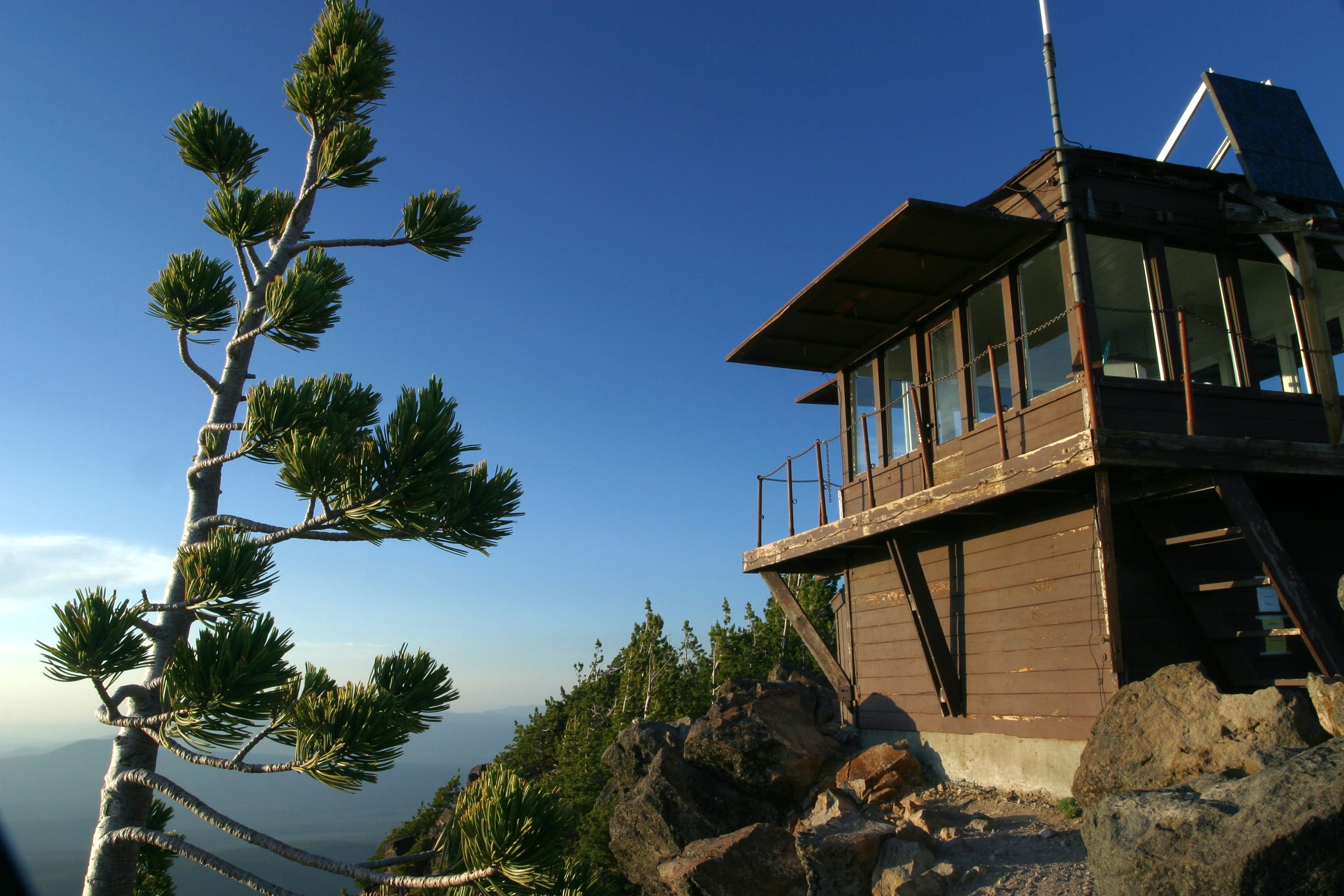
This 1.4-mile steep hike reaches a 1932 tower with prime Wizard Island views. Navigate scree in sturdy shoes; enjoy late-summer wildflowers, winds, and year-round snow.
Castle Crest Wildflower Garden Trail
Near Steel Visitor Center, this easy 1-mile loop (built 1929) showcases meadows, streams, and June blooms. Lightly visited despite mosquitoes—perfect for serenity.
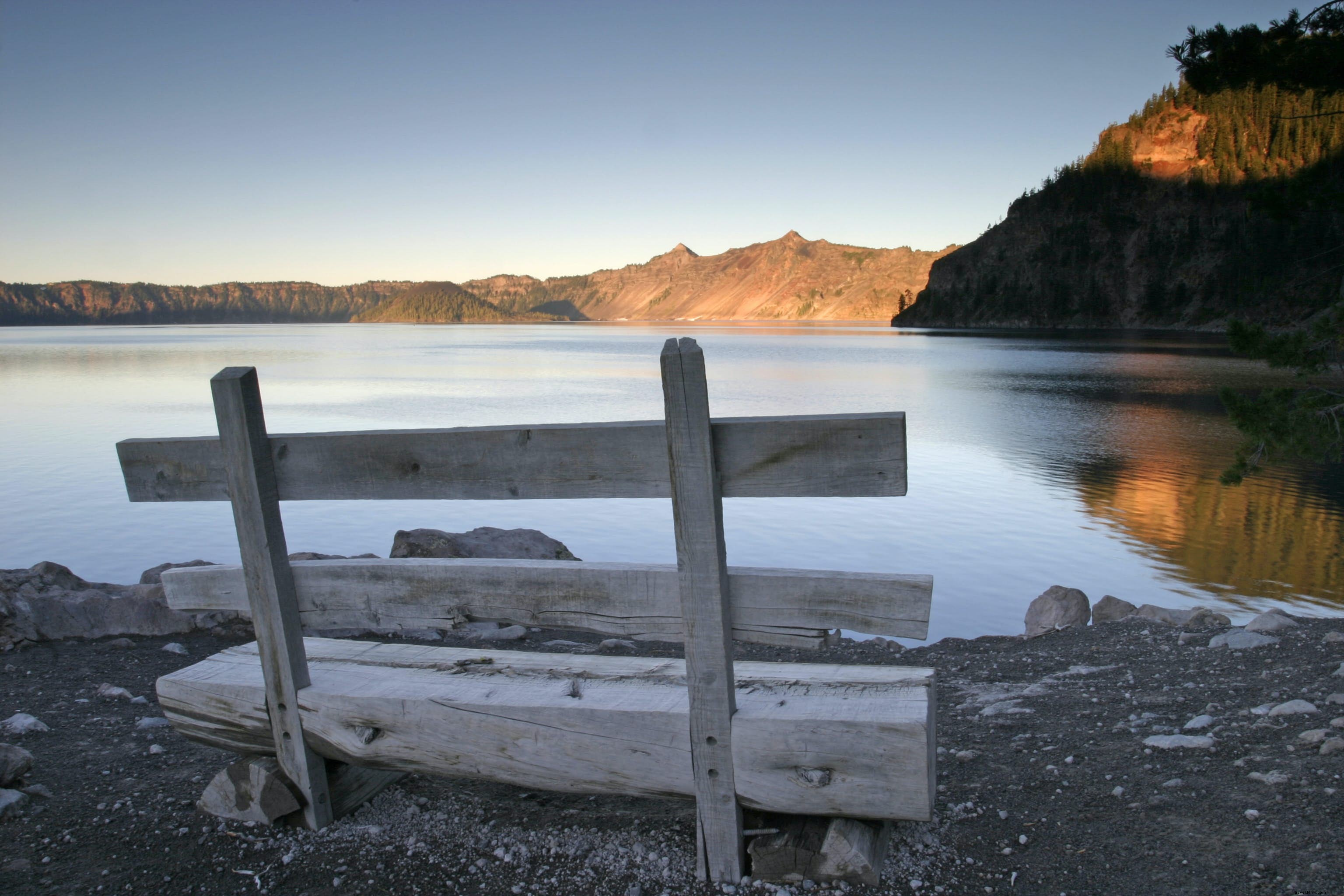
Cleetwood Cove Trail
The park's only lake access via this steep 2-mile trail (northern crater). Swim (rocky bottom—wear water shoes), study volcanic rocks, or board boats (reserve). Park roadside if lots fill.
Pinnacles Overlook Trail
Outside the park, a 1.2-mile trail off Pinnacles Road overlooks 100-foot fumarole spires. En route, detour to Plaikni Falls via its trail.
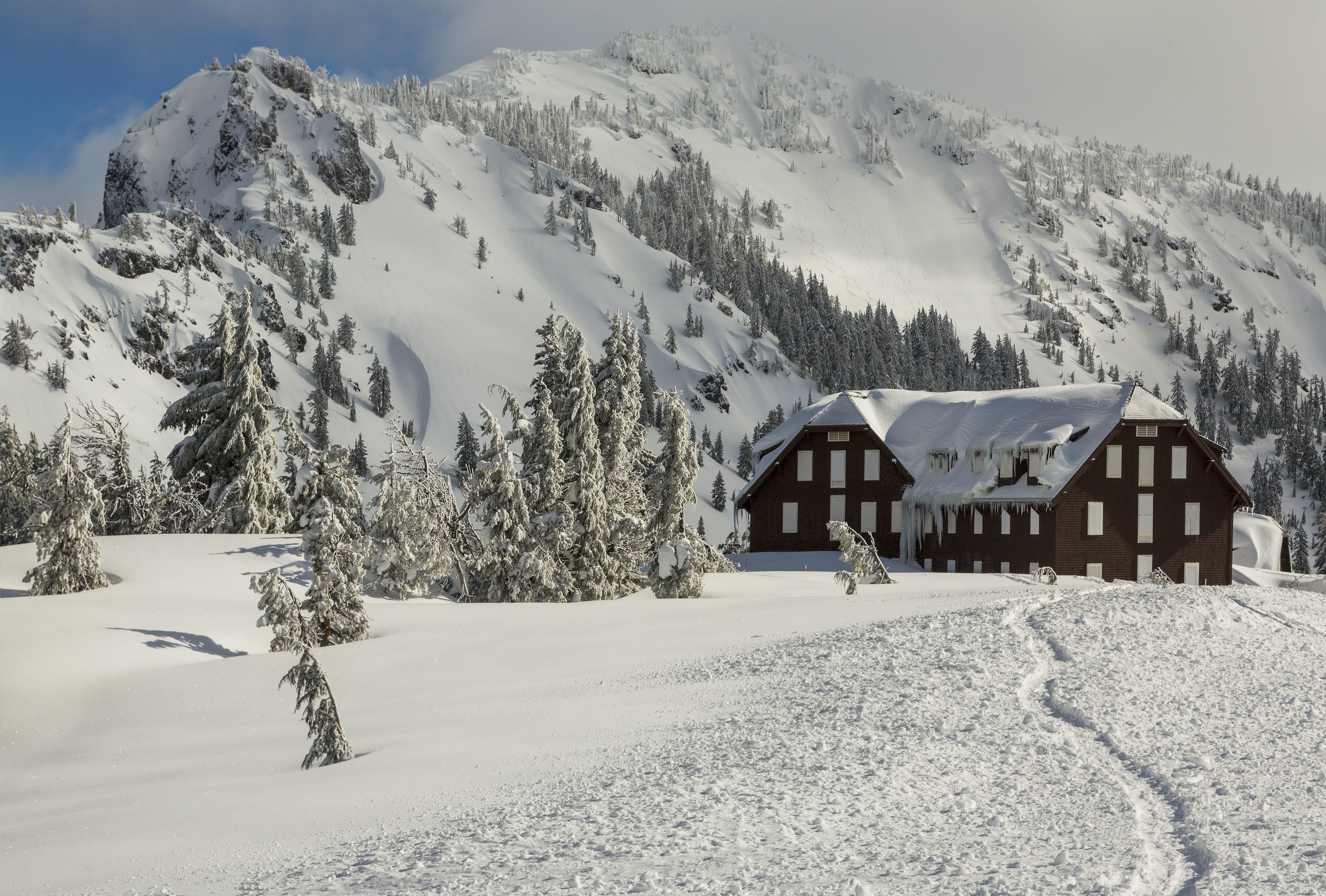
Crater Lake Lodging, RV Park, and Campgrounds
Crater Lake Lodge, a 1915 parksitecture icon (renovated 1990s, National Register-listed), offers 71 no-frills rooms without TV or phones. Its grand fireplaces, dining room, and lake-view patio shine. Open late May to mid-October.
Mazama Village (mid-June to October) provides 40 cabins and 200+ wooded campsites with showers/laundry (reservations advised; some first-come). Grocery and gas available. Nearby options: Fort Klamath (20 miles), Union Creek, Prospect, Diamond Lake resorts; more in Medford, Roseburg, Klamath Falls.
Visiting Crater Lake National Park
Drive in (carry winter chains); north entrance and interior roads close November to June. Hwy 62 to headquarters stays plowed. Rim Village road (3 miles) may close with snow—call 541-594-3100. Gas up beforehand; Mazama (summer only), Prospect, Diamond Lake, Fort Klamath nearest.
Summer Amtrak to Klamath Falls connects to daily Crater Lake Trolley (overnight required one way).
Steel Visitor Center (3 miles south of rim) offers films, permits, weather info. High elevation demands water, sun protection, layers—summers can be chilly/windy. Dining: Rim Village cafe, lodge's Northwestern fare (bison, elk; reserve lake-view tables), Mazama's Annie Creek restaurant/grocery. Picnics enhance scenic spots.