
From Sport Climbing to Winter Adventure: My Transition Journey
Why did I want to learn to trad and winter climb? After years of competing, training, and sport climbing around the world, my year abroad had opened my eyes to different types of climbing and outdoor pursuits. I tried multi-pitch sport climbing, skiing, snowboarding and even ballet for the first time. I lived amongst mountains and mountaineers, and realised there were multiple facets of climbing that I hadn’t yet tried, but which all attracted me. In Chamonix I witnessed exhausted, technicolour alpinists relaxing with a beer after a long day on the mountain, sunburnt but satisfied. Friends went ski-touring in the mountains at the weekend, the very summits I looked out onto from my window in the morning. Surely I was missing out?
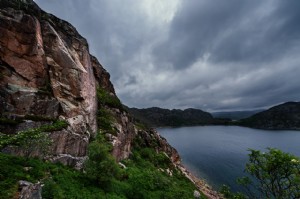
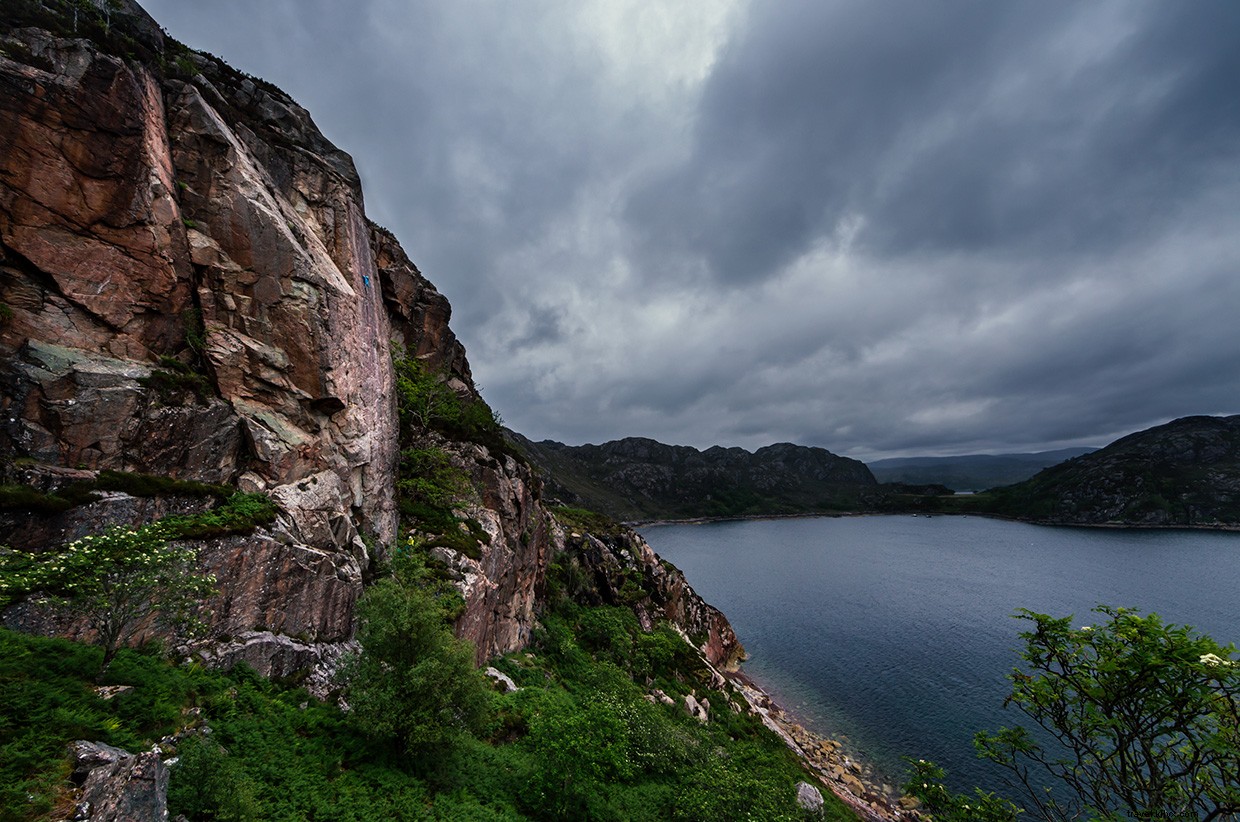
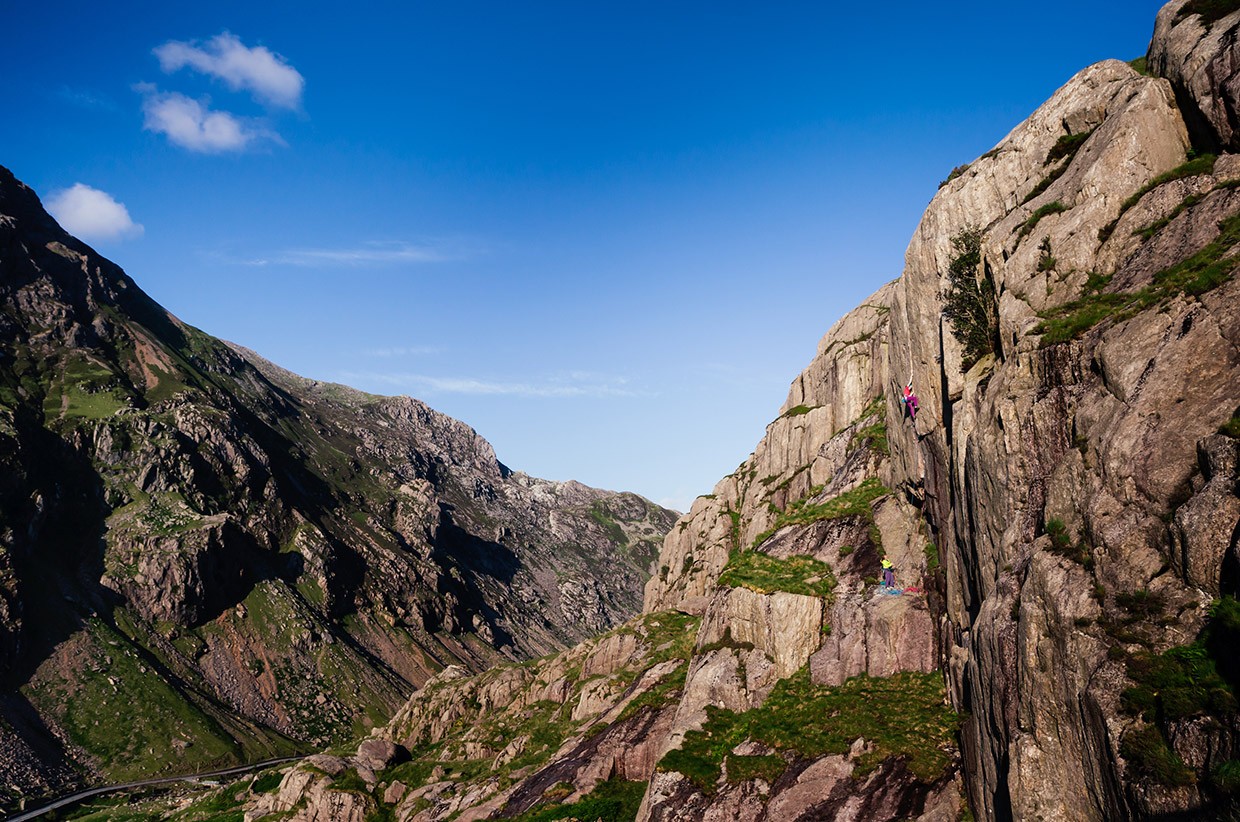
Ironically, I had barely spent any time at all climbing in Scotland, my home country, despite having lived here for over 20 years. I’d done the typical British sport climber ‘thing’ of spending weeks on sunny sport crags in France and Spain, but had neglected the vast quantities of rock that Scotland has to offer. There was, however, a significant hurdle preventing me from climbing any routes close to home: the majority of climbing in the UK is traditional and requires the climber to place their own protection in natural features in the rock, rather than relying on drilled bolt placements as one would in sport climbing.
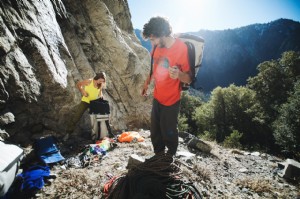
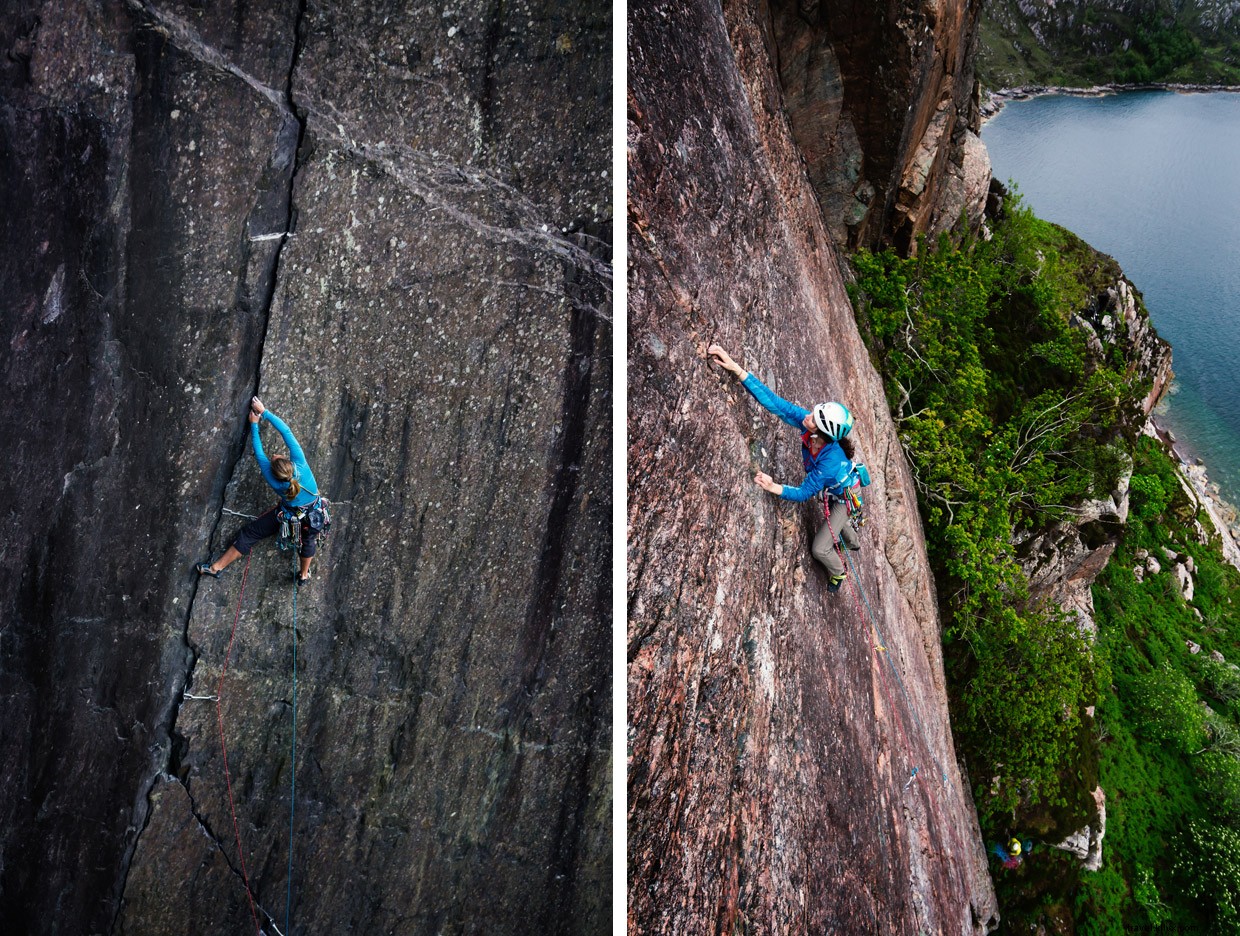
Learning to place this gear safely and efficiently is a major part of trad climbing, and something that is usually improved over years of mounting experience. With my strong physical climbing ability and mental control through competing, I already had some advantages over complete trad novices, but I still had to endure that same fumbling stage finding the correct size of nut or cam to place in a crack. I would drop gear or place a piece which would then fall out almost immediately after believing it to be satisfactory. Not exactly ideal when you’re trusting your life to your own judgement…
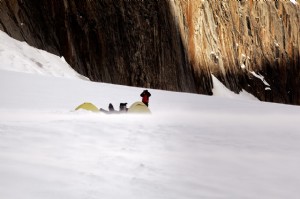
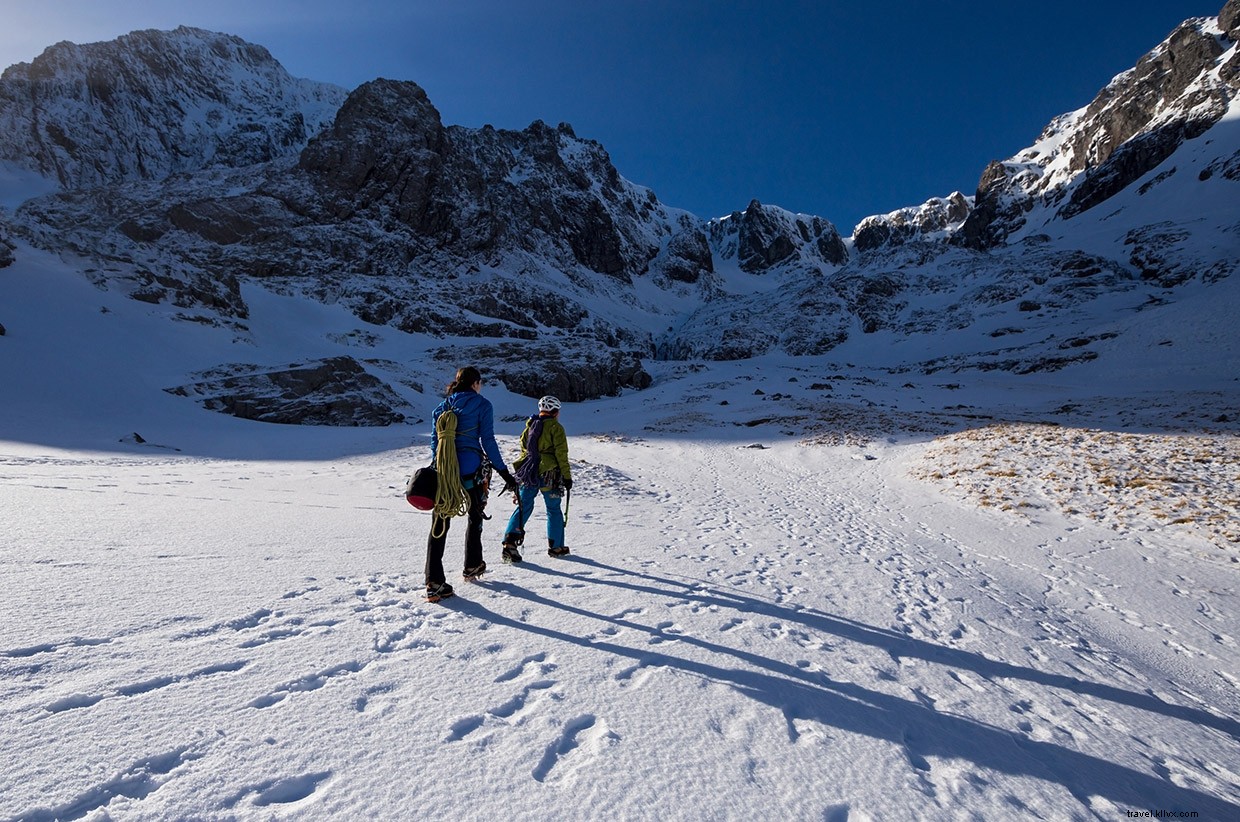
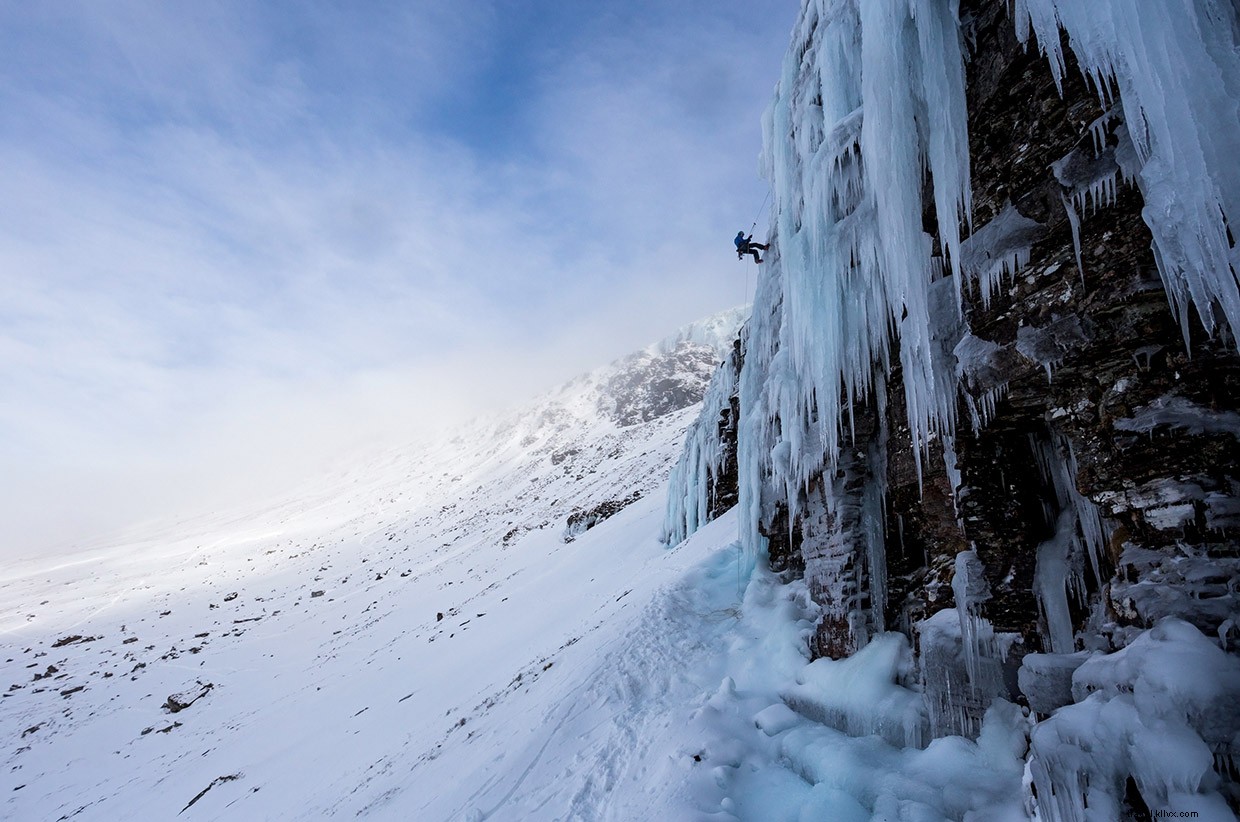
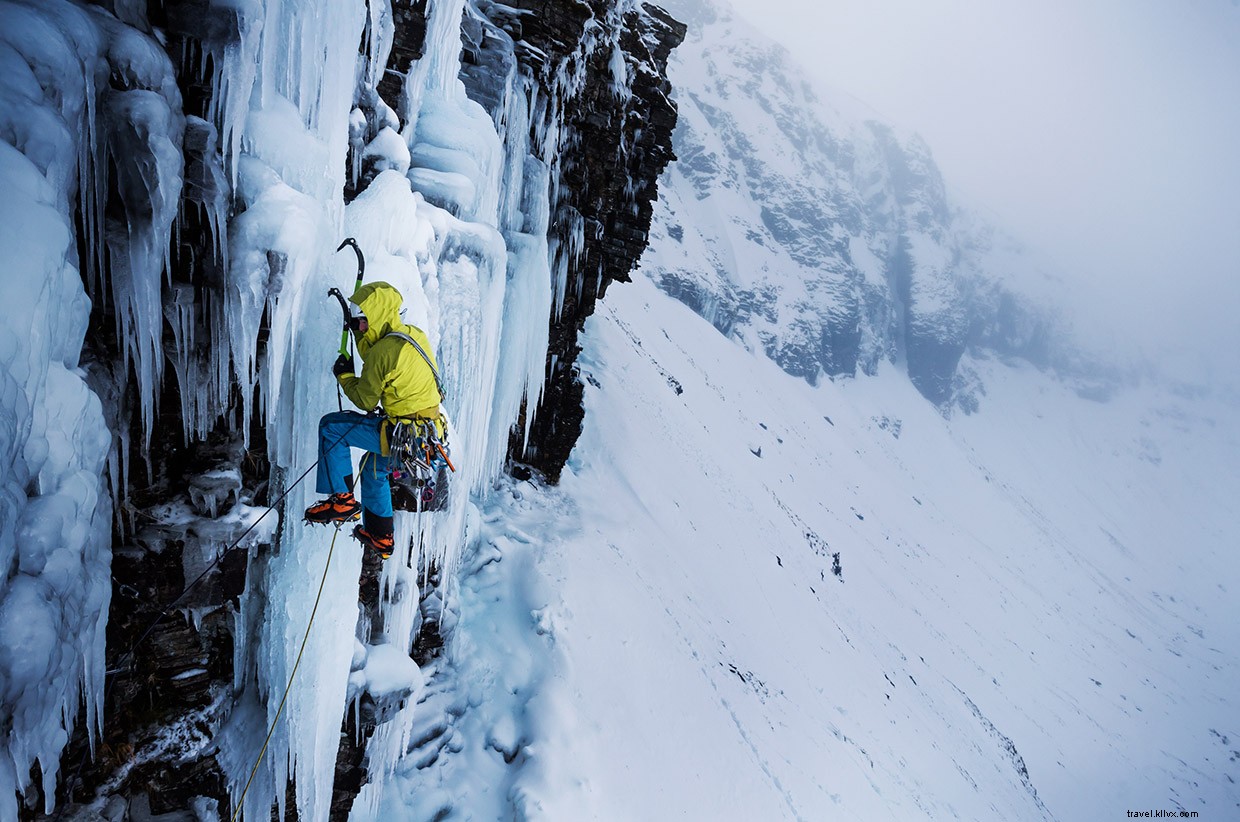
Over the process of filming I was gradually gaining more experience and by pushing myself out of my comfort zone I was learning to adapt to new situations. Winter climbing couldn’t have been further away from the warmth and dust of the climbing wall: snow, spindrift, cold winds, and icy hands suffering from hot aches were my initiation into this peculiar discipline. It was Type II fun – only after a day of suffering did you have time to appreciate the fresh air, the exercise, and the ethereal surroundings of the Scottish mountains in winter. I also learned to ski-tour and savour the smooth and (mostly) flowing descent down the mountain after earning those metres on the draining slog to the top.
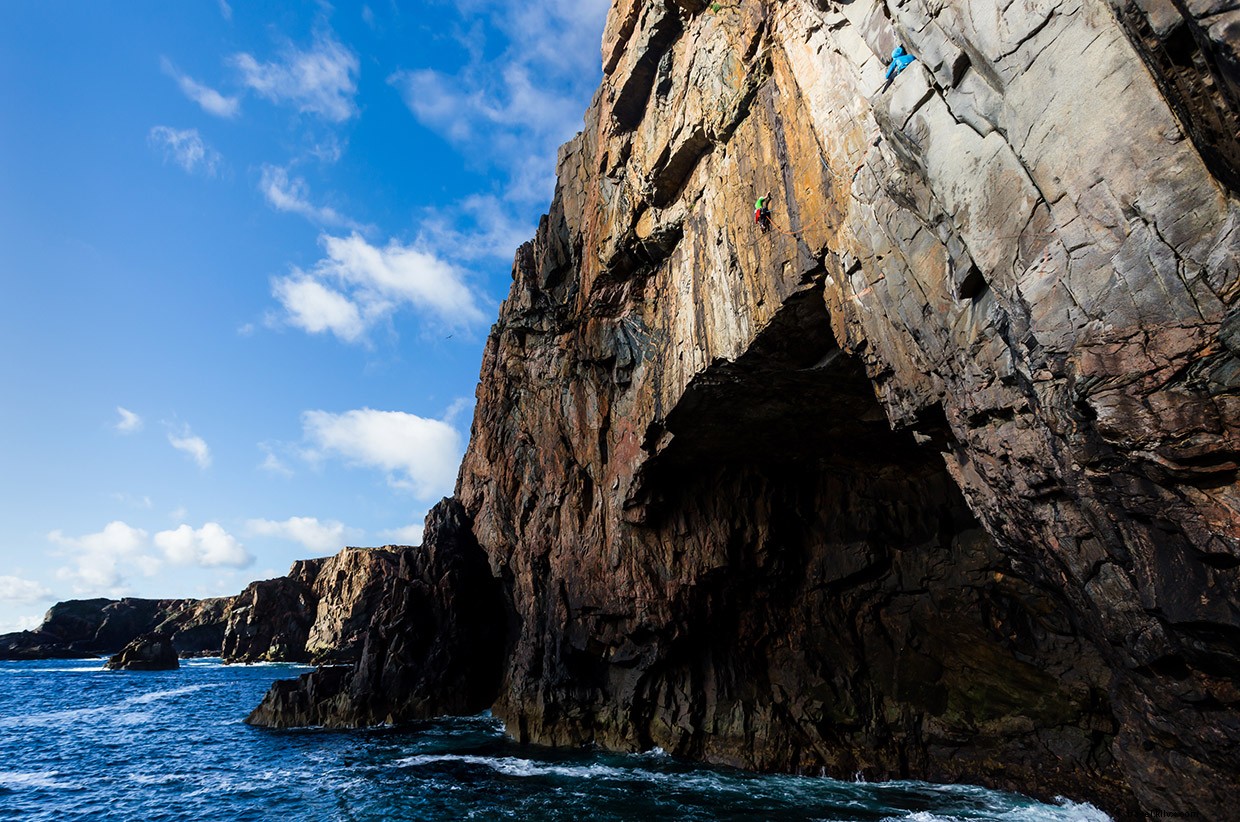
As the snow began to melt, my thoughts returned to some Spring trad climbing objectives. Compared to winter climbing, trad seemed relatively anodyne now; I was considering it from a new perspective, one with increased awareness of mitigating risk and confidence in my own abilities. We travelled to Skye, North Wales, and various crags closer to home to rack up some more mileage before attempting my hardest trad climb to date: a grade E7 on the top of a Munro. After a disappointing false start, racked with doubt and frustration, I returned one week later – having competed in the British Lead Climbing Championships in the meantime and been reselected for the Senior national team – with a self-confidence and assertiveness that seemed to have been rekindled from my days as a young competitor. In challenging weather conditions, I managed to complete the route, this marking the pinnacle of my achievements throughout the filming process and an important turning point for my climbing in general.
Throughout the two years of filming there were natural highs and lows in my performance, but in the end it somehow all came together on this one climb. I had overcome a severe mental hurdle by choosing to believe in myself principally as a climber, rather than trying to fit a description of a label such as “trad” or “indoors.” Once you’ve got the technical skills, the rest is mostly in your head…
The film, by Hot Aches Productions, will premiere at the the Kendal Mountain Festival this year. It will be available for purchase on Reelhouse and Vimeo from November 23rd.