
Discover Tuscany on a Budget: 10 Expert Tips for Affordable Luxury Travel
Italy's travel costs sit comfortably in the mid-range for Europe, but Tuscany's allure of opulent villas, gourmet cuisine, and world-class wines can deter budget travelers. With strategic planning, anyone can explore this stunning region affordably, savoring its iconic indulgences without compromise.
 1. Fly into Cost-Effective European Hubs
From the U.S. or Northern Europe, skip direct flights to Florence. Major hubs like Rome's Fiumicino Airport (3 hours from Florence) or Milan's airports (under 4 hours) offer better deals. Car rentals are also cheaper in these cities than in Florence.
Consider flights to nearby countries, then low-cost carriers like Ryanair, EasyJet, or Germanwings to Pisa or Florence for even bigger savings.
2. Travel in a Group
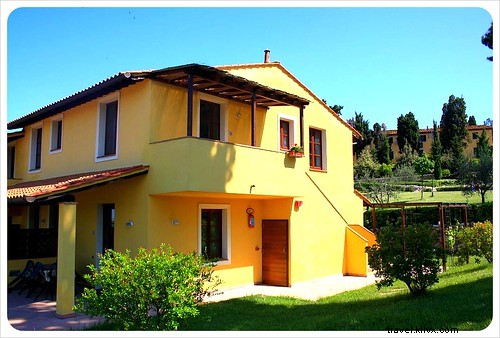
Tuscany makes for a romantic escape, but grouping with friends or family slashes costs. A rental car at €24/day drops to €6/person for four. Share gas, meals, wine, and lodging. Renting a rural villa for a week often beats hotels—even for couples—and at €20/person/night (or less off-season) for groups, it's unbeatable.
 3. Leverage Public Transportation
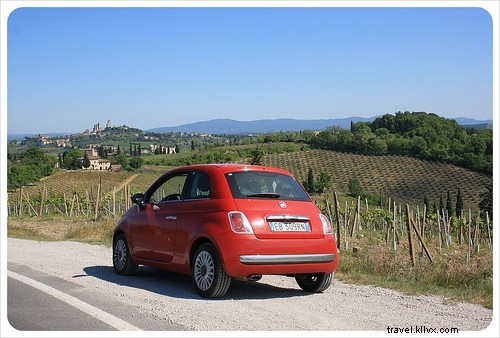
Trains and buses connect most Tuscan towns affordably, ideal for solo travelers or linear itineraries. A car offers flexibility for villages and day trips, especially shared. We scored our best deal via Argusrentals.com for a low-rate Avis car after comparing sites—bypassing pricier Hertz, Budget, or Avis direct.
Public transport saves money: Trenitalia tickets from Pisa to Lucca (€2.50), Pisa to Florence (€5.90), Florence to Poggibonsi (€5.30). Book online or at stations for discounts. Plus, no designated driver means everyone enjoys the wine!
 4. Rent a Villa—It's Smarter Than You Think
Villas aren't just for the elite; they're budget-friendly for groups. Italian hostels charge €20–€30 for dorm beds. A shared villa or apartment costs as little as €15/person/night off-season. Book early for high season to undercut hotels and hostels. Reserve hostels ahead too—they fill fast.
5. Avoid Peak Summer
Steer clear of summer crowds and price surges when Northern Europeans flock south. Opt for spring's blooming landscapes or September's warm seas. We enjoyed Belmonte Vacanze in May at half July's rate, with towns like Barga nearly empty.
 6. Indulge in Local Wine
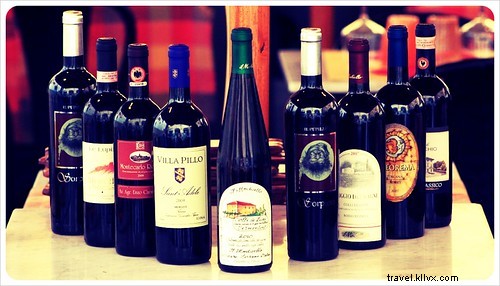
Stock up on Chianti, Montepulciano, or Pinot Grigio for €2–€5/bottle in stores. Restaurants offer house wine at €2.50/half-bottle or €6/full—cheaper than two beers. With a car, visit wineries for €0.50–€75/liter refills. Olive oil fans: same at orchards.
7. Cook Your Own Meals
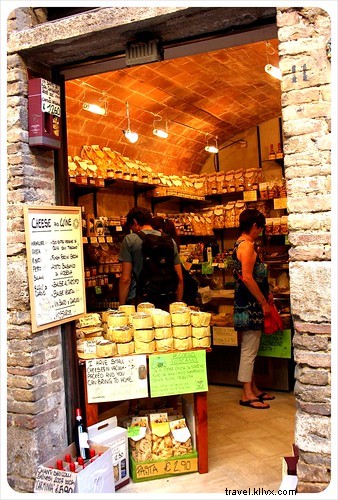
Tuscany's food scene tempts, but self-catering saves. Markets yield pasta, sauce, bread, and wine for under €10/group meal. Shop big supermarkets on town edges for local prices and variety—cheaper than tourist delis.
 8. Eat Where Locals Do
In Siena, a no-frills spot packed with locals served massive pizza slices and drinks for €3.50. Skip tourist traps near landmarks—gelato jumps from €2 to €3.20. Away from crowds, large Margherita pizzas cost €4.50 vs. €11+ in centers.
9. Sip Espresso Like a Local
Italy's 110,000+ bars serve 70 million espressos yearly. Standing at the bar: espresso €0.55–€0.90, macchiato same, cappuccino €0.90–€1.10. Skip tables for authentic savings.
 10. Skip the Autostradas
Well-maintained highways charge steep tolls: Florence–Lucca €7, Lucca–Milan €25. Free country roads parallel them, winding through hidden villages. Free exception: FI-PI-LI (Florence–Pisa–Livorno).
 Have you budgeted Tuscany? Share your tips in the comments!