

15 Essential Things to Know Before Visiting the Galápagos Islands
Visiting the Galápagos Islands was a lifelong travel dream that far exceeded expectations. These remote Pacific islands, far more vibrant and inhabited than imagined, offer unparalleled wildlife encounters and adventure.
Prior to my first South America trip, I envisioned the Galápagos as desolate outposts inhabited solely by wildlife. Reality proved otherwise: bustling communities thrive alongside extraordinary species. During my cruise visiting multiple islands, I gathered these 15 key insights for prospective visitors to one of the world's most unique archipelagos.
Here are 15 essential things to know about the Galápagos Islands: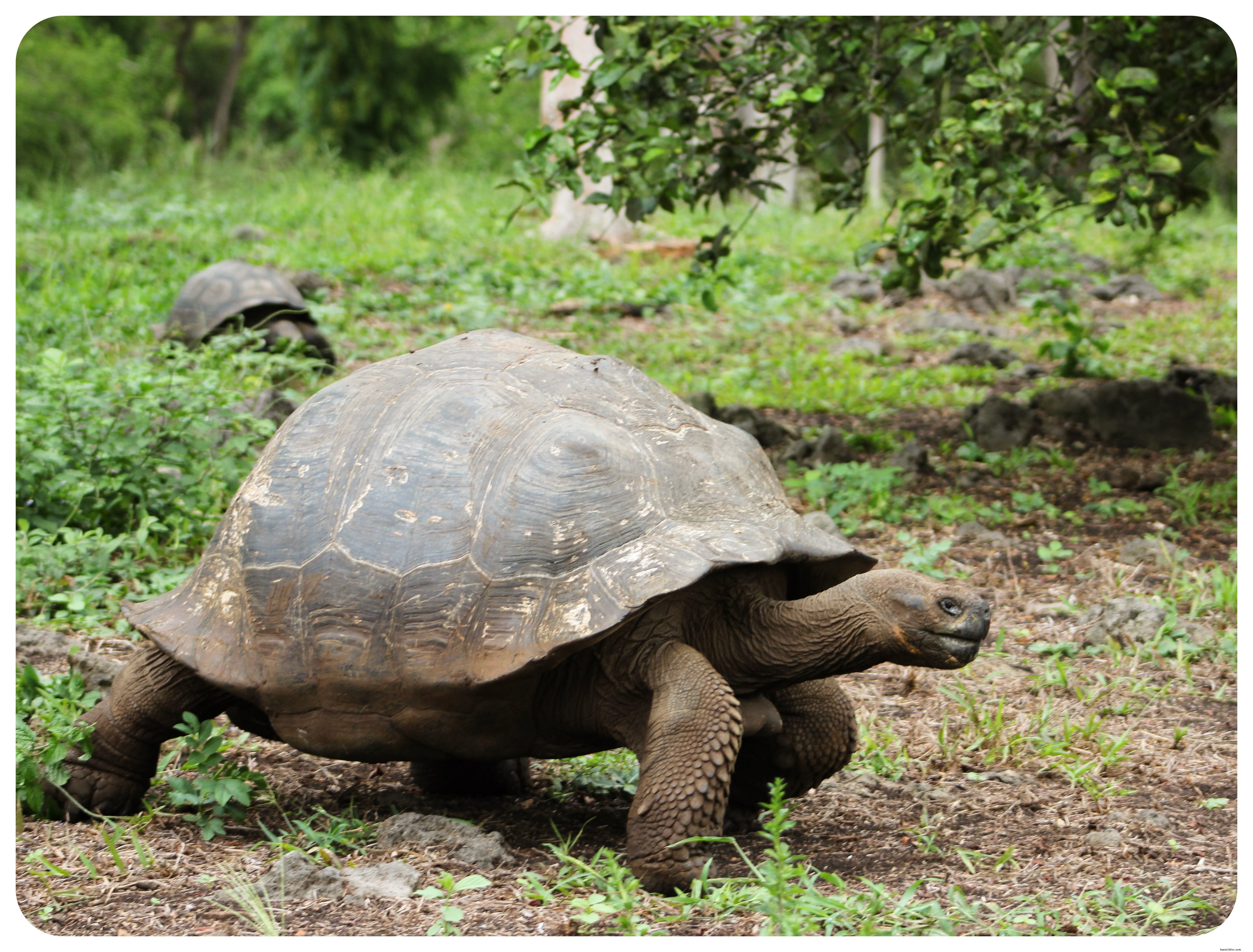
1. The Galápagos Islands Are Remote in the Pacific
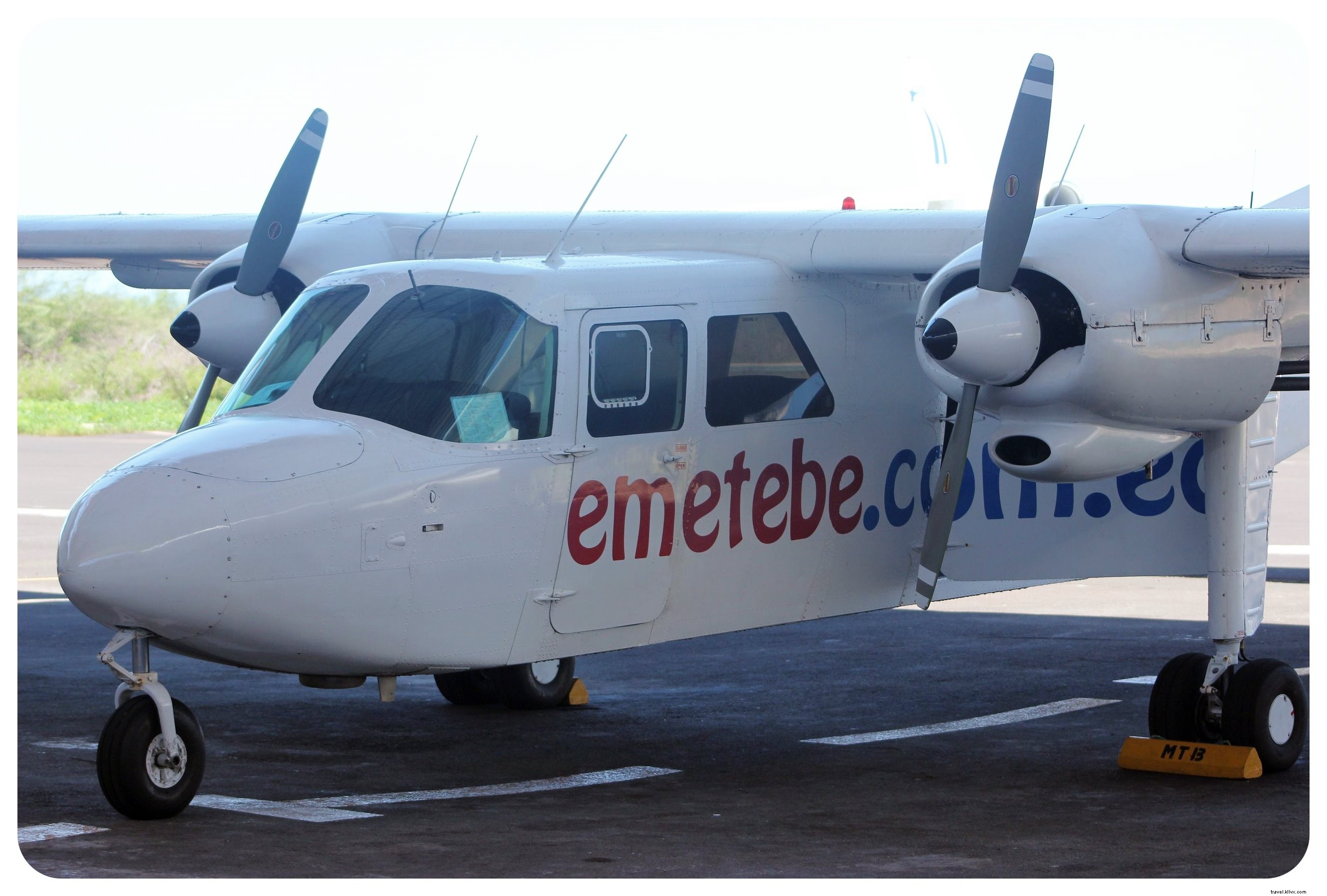
Though part of Ecuador, the Galápagos lie 560 miles (901 km) west in the Pacific Ocean. Flights from mainland Guayaquil take about 2 hours; from Quito, 2 hours 15 minutes. North American travelers typically require connections via Quito or Guayaquil, often involving three flights total.
2. How Many Islands Comprise the Archipelago?
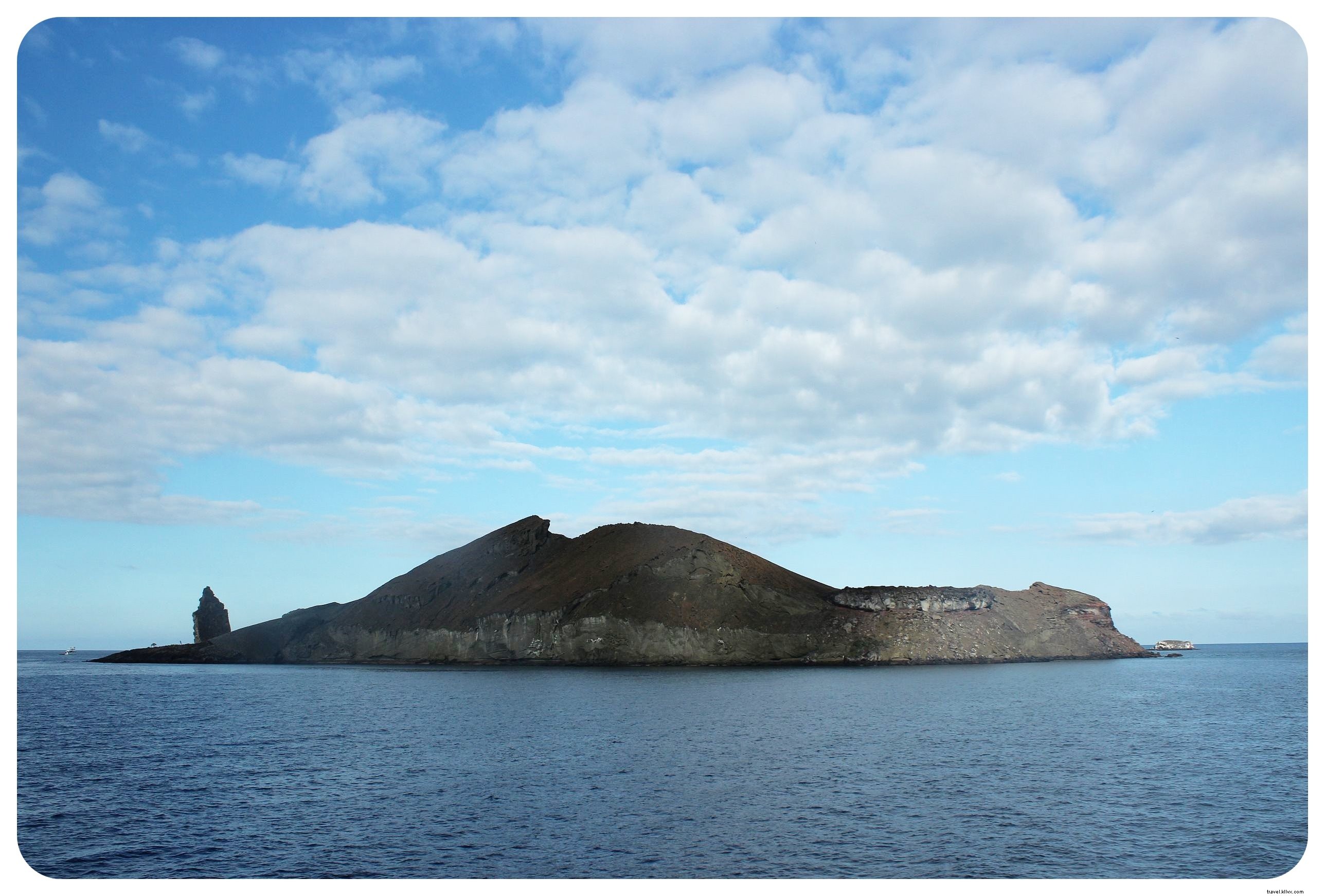
The Galápagos consist of 13 major islands (5 inhabited), 6 smaller islands, and over 100 islets. Straddling the equator, they host over 25,000 residents, half in Puerto Ayora on Santa Cruz Island, the largest settlement.
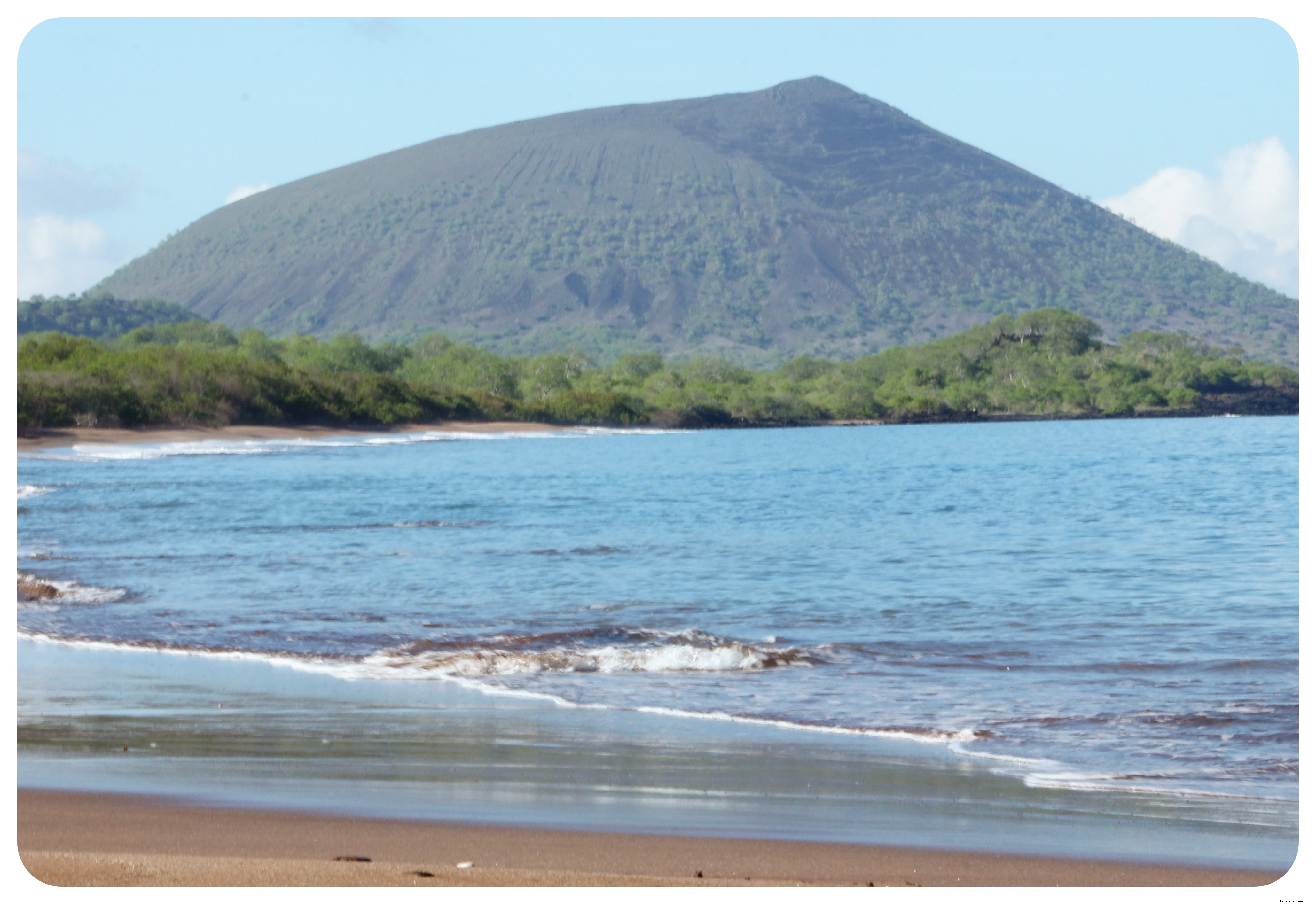
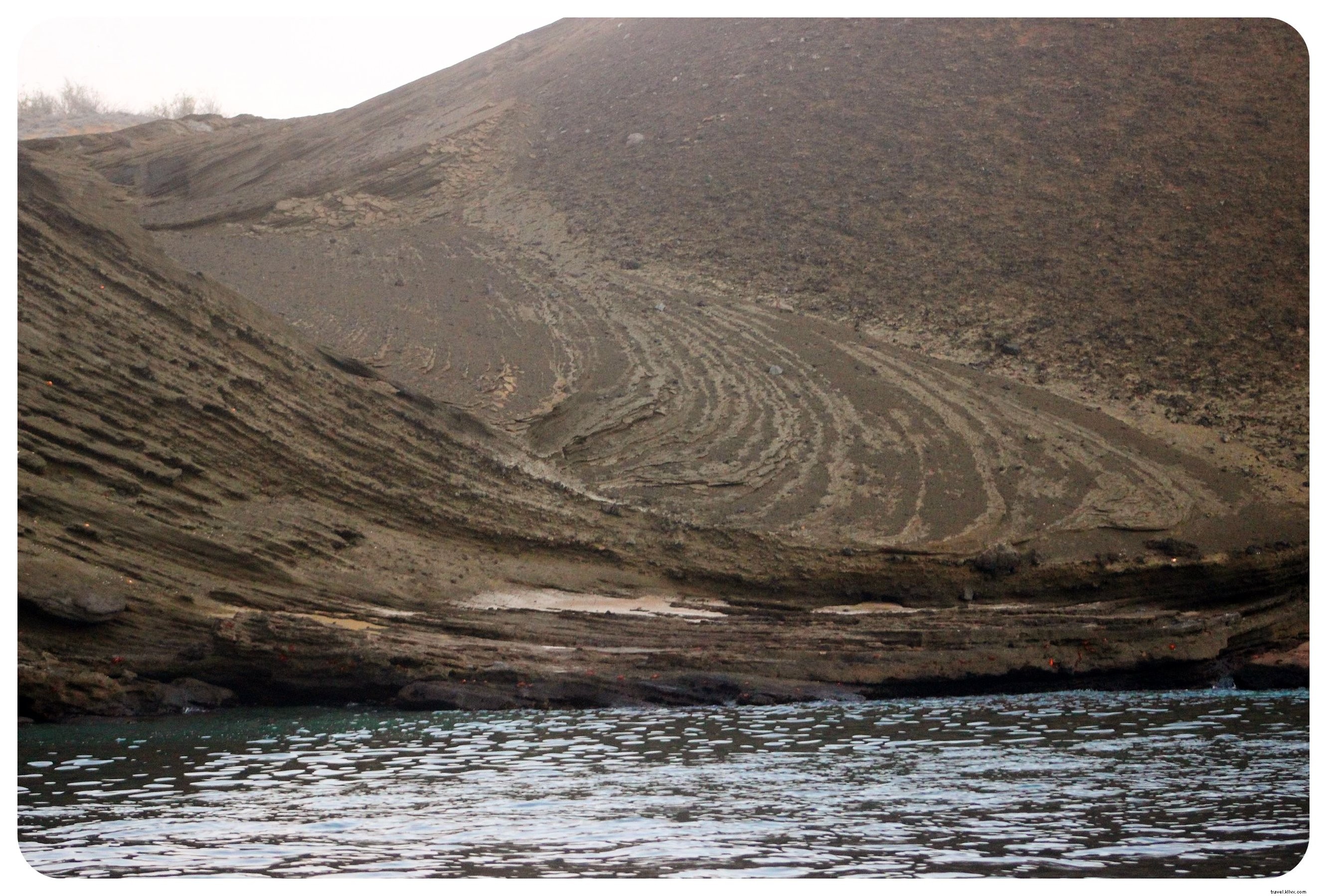
All islands are volcanic, formed 4 million years ago from oceanic lava. Some volcanoes remain active today. Most visitors explore just 1-2 islands on foot, cruising past others.
3. Unique and Iconic Wildlife
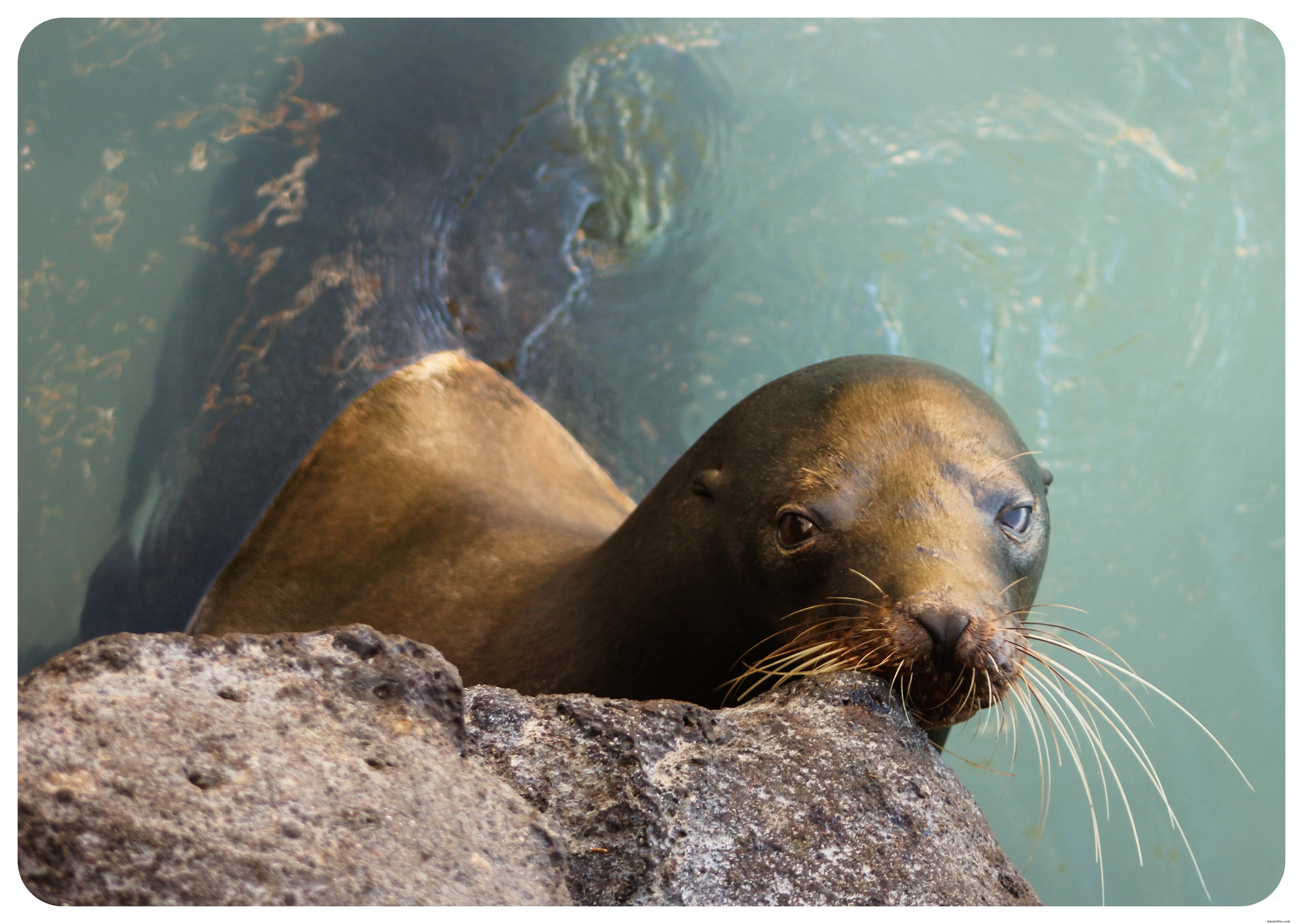
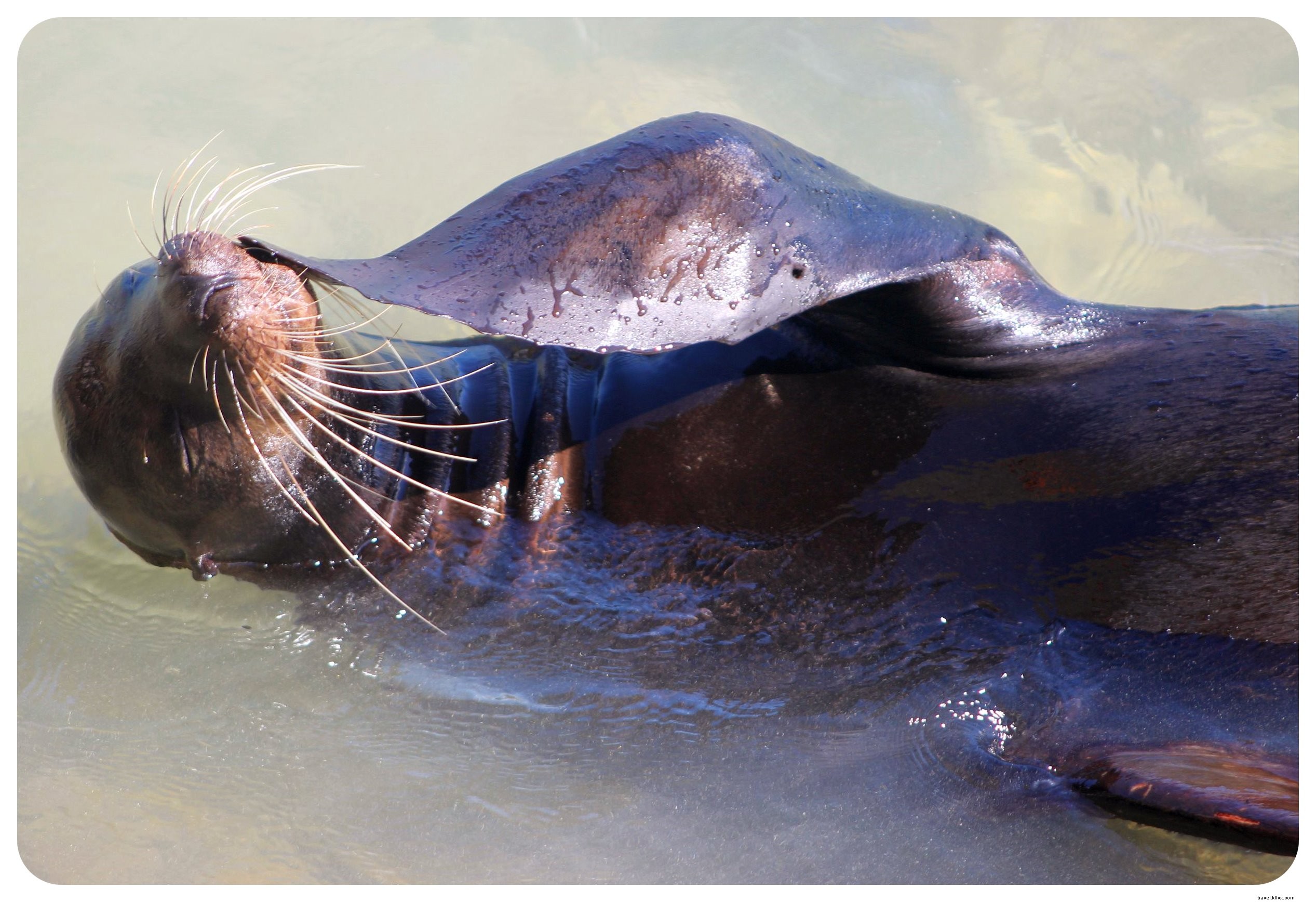
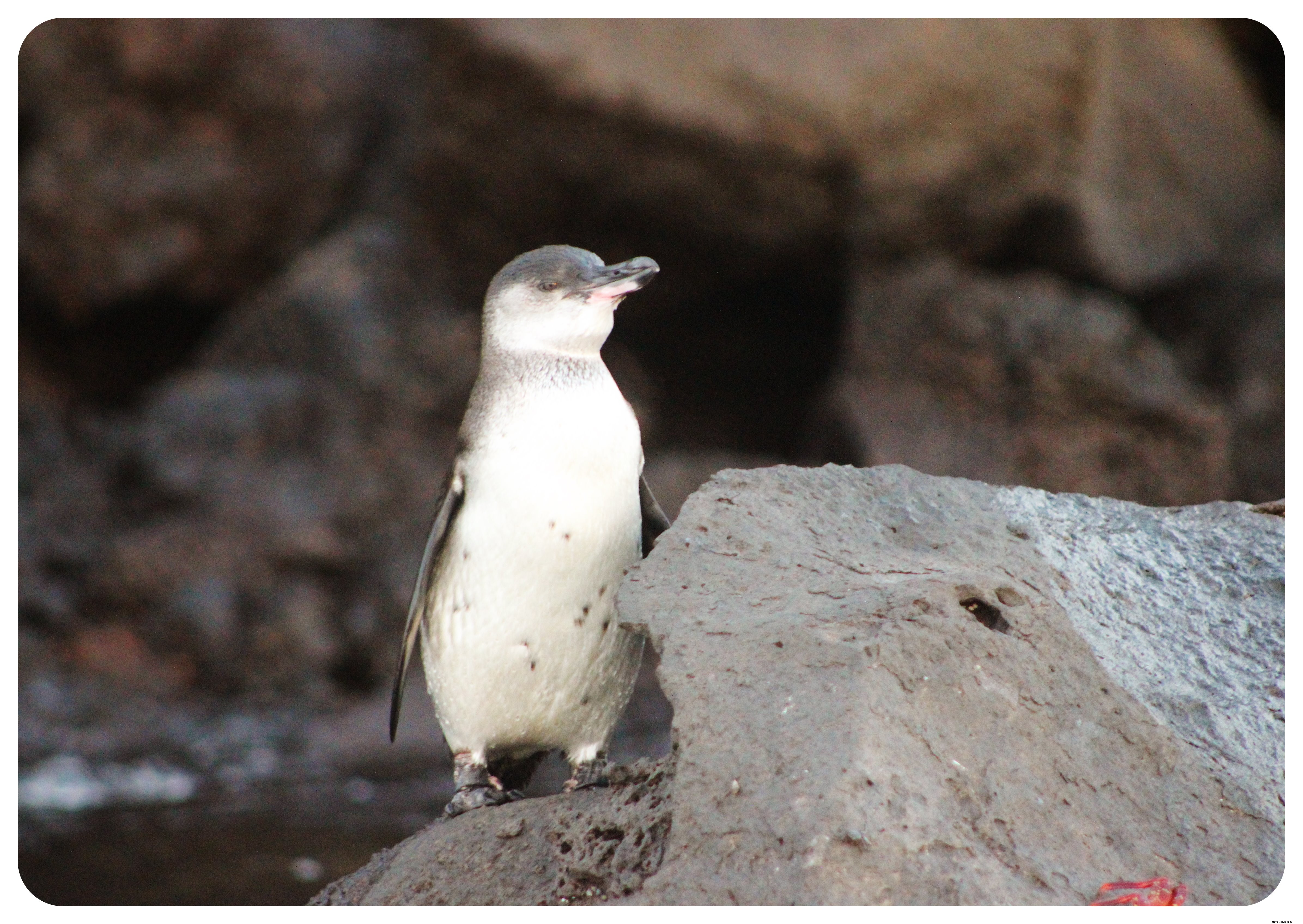
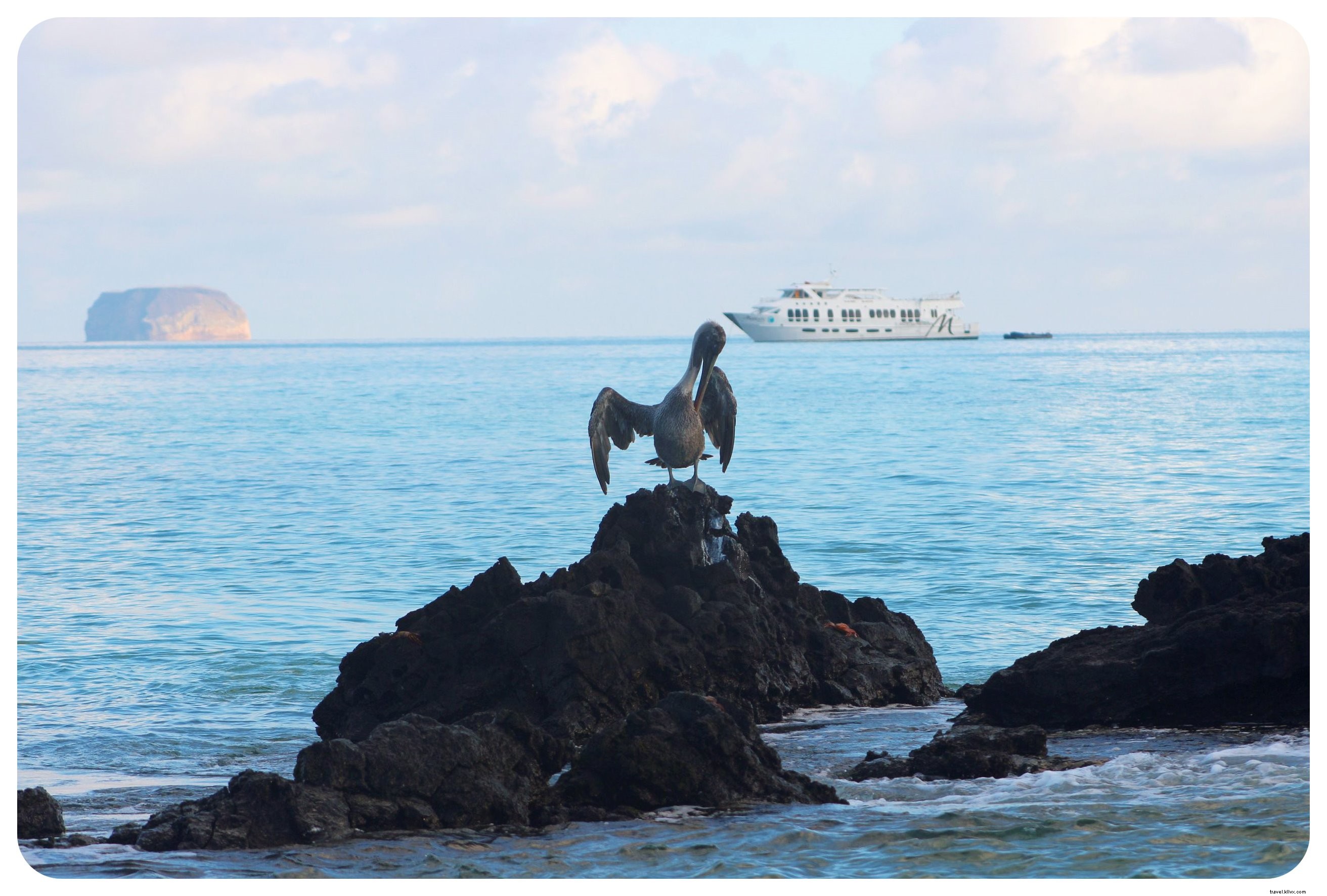
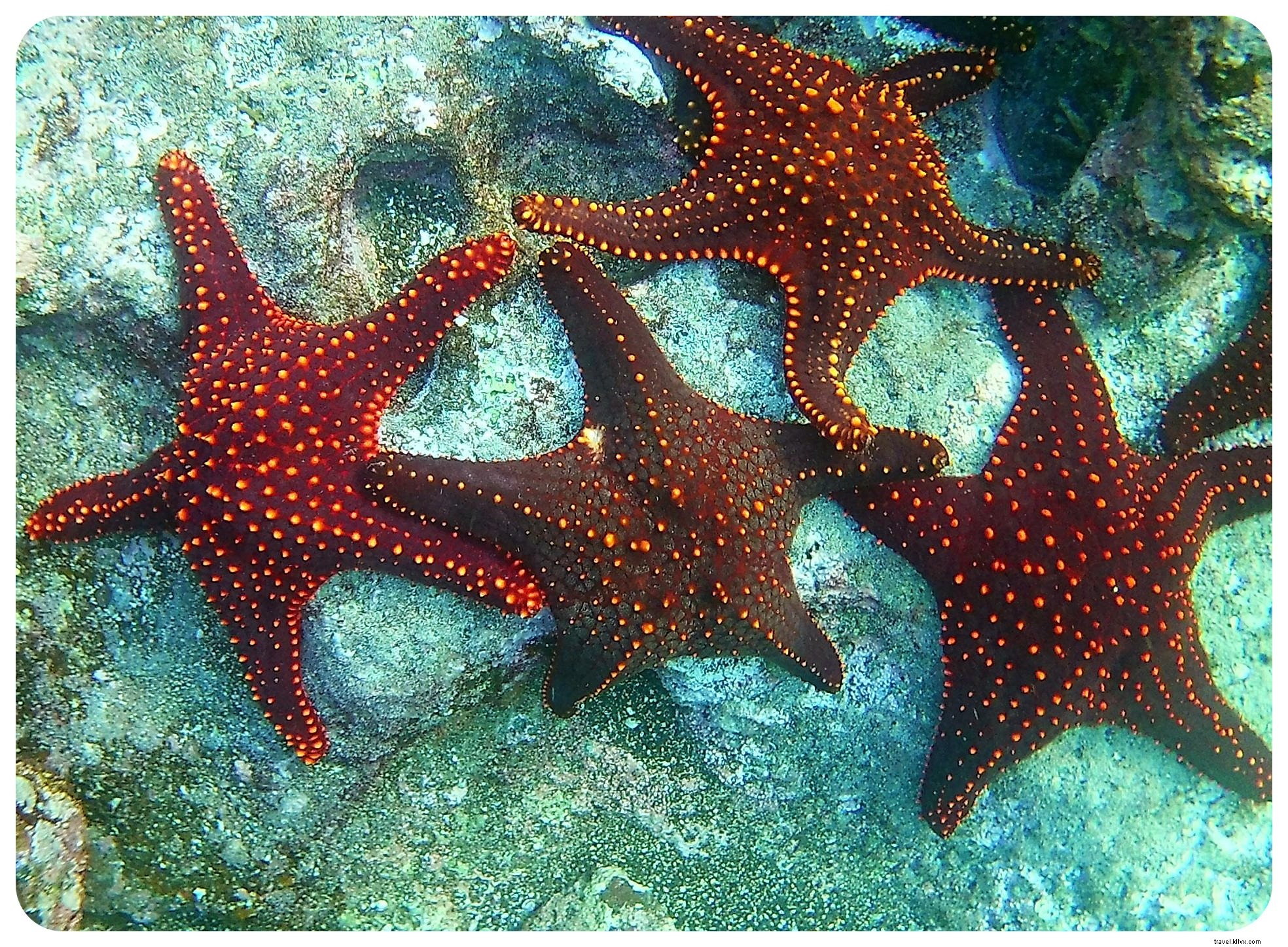
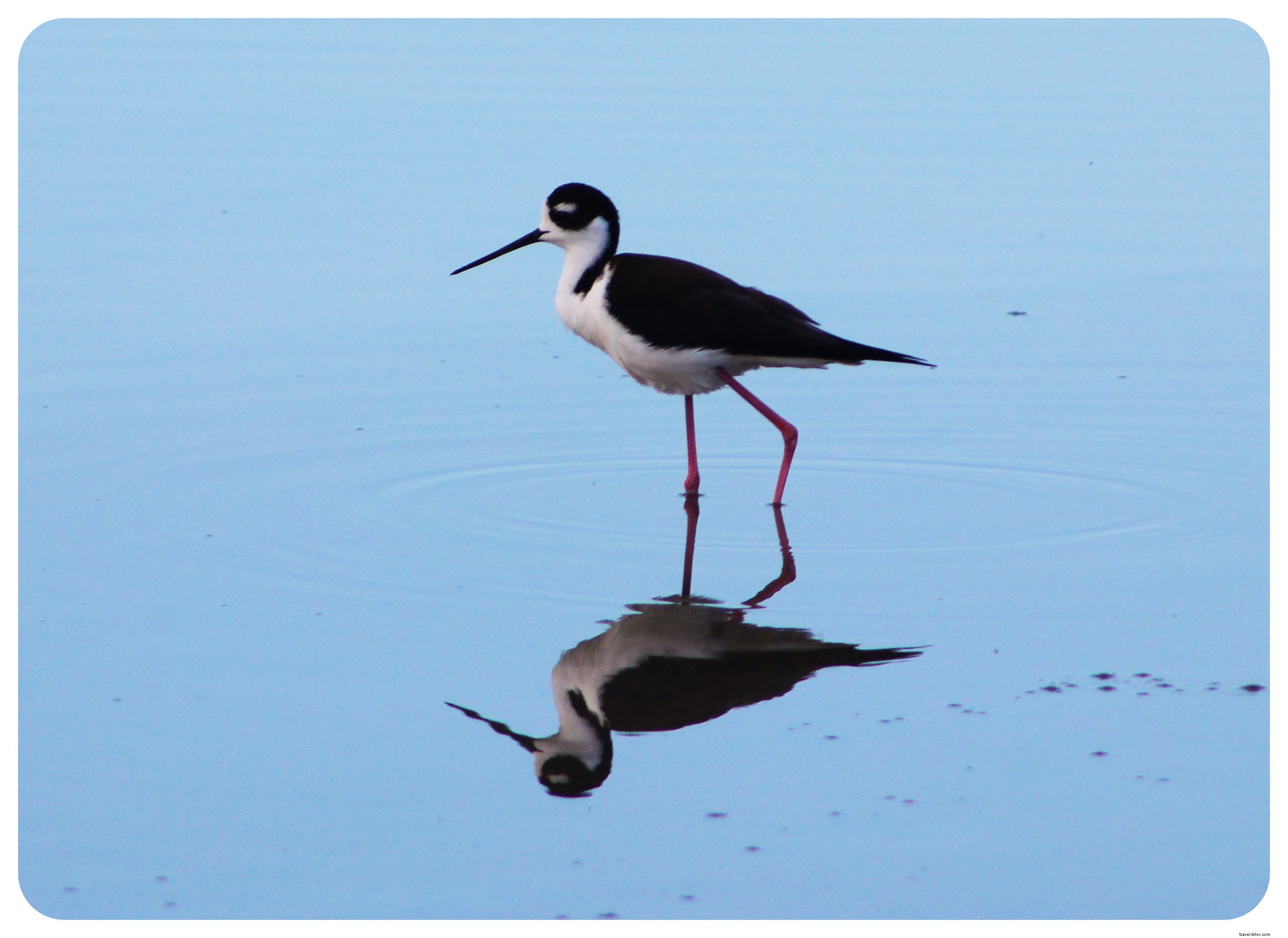
The Galápagos are renowned for endemic species found nowhere else: Galápagos fur seals, land and marine iguanas, sea lions, giant tortoises, and equator-dwelling penguins. Expect reliable sightings of blue-footed boobies, frigatebirds, hammerhead sharks, manta rays, and flamingos—fearless around humans.
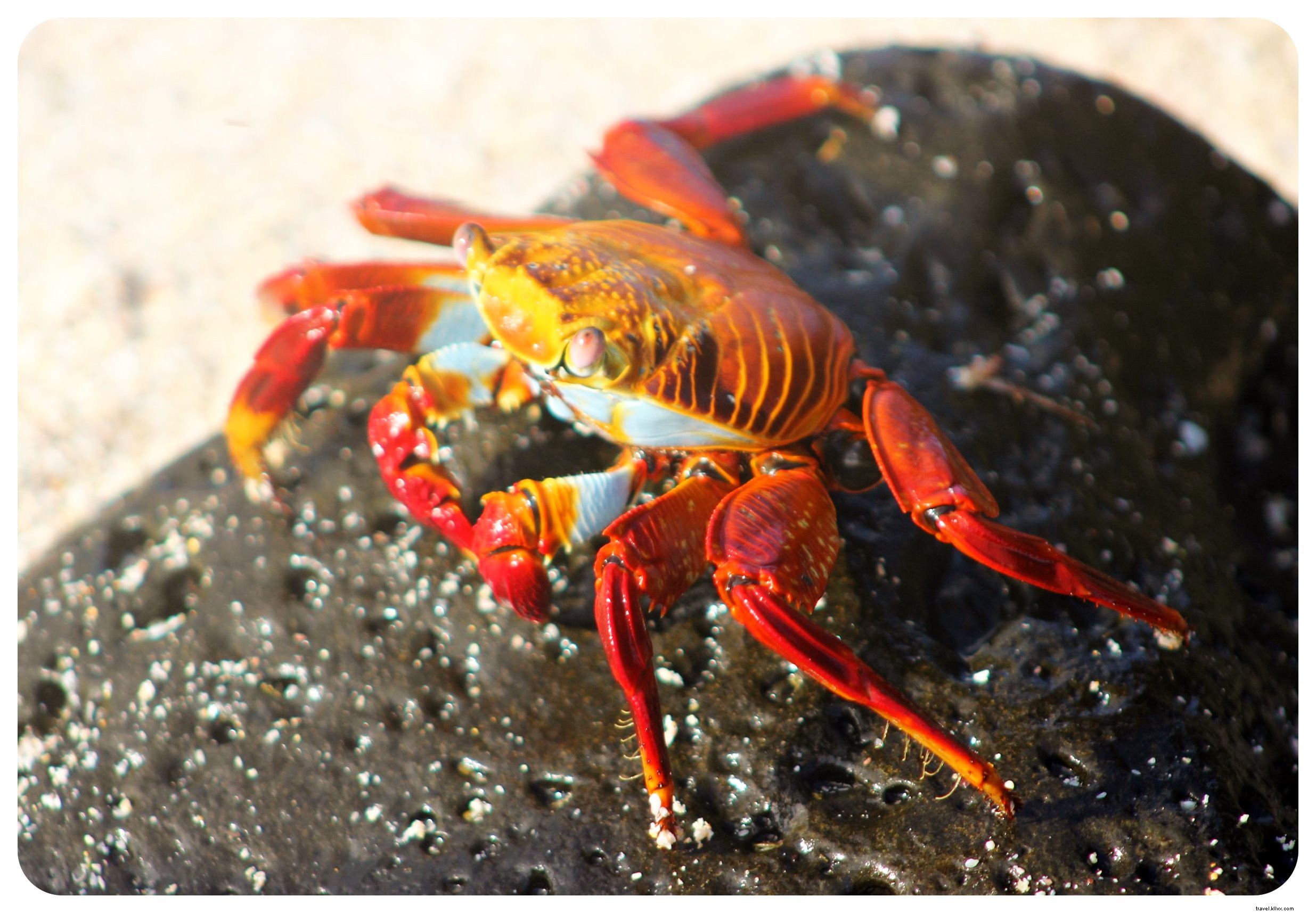 Charles Darwin's 1835 visit inspired his evolution theory in On the Origin of Species. Designated a UNESCO World Heritage site in 1978 for its biodiversity.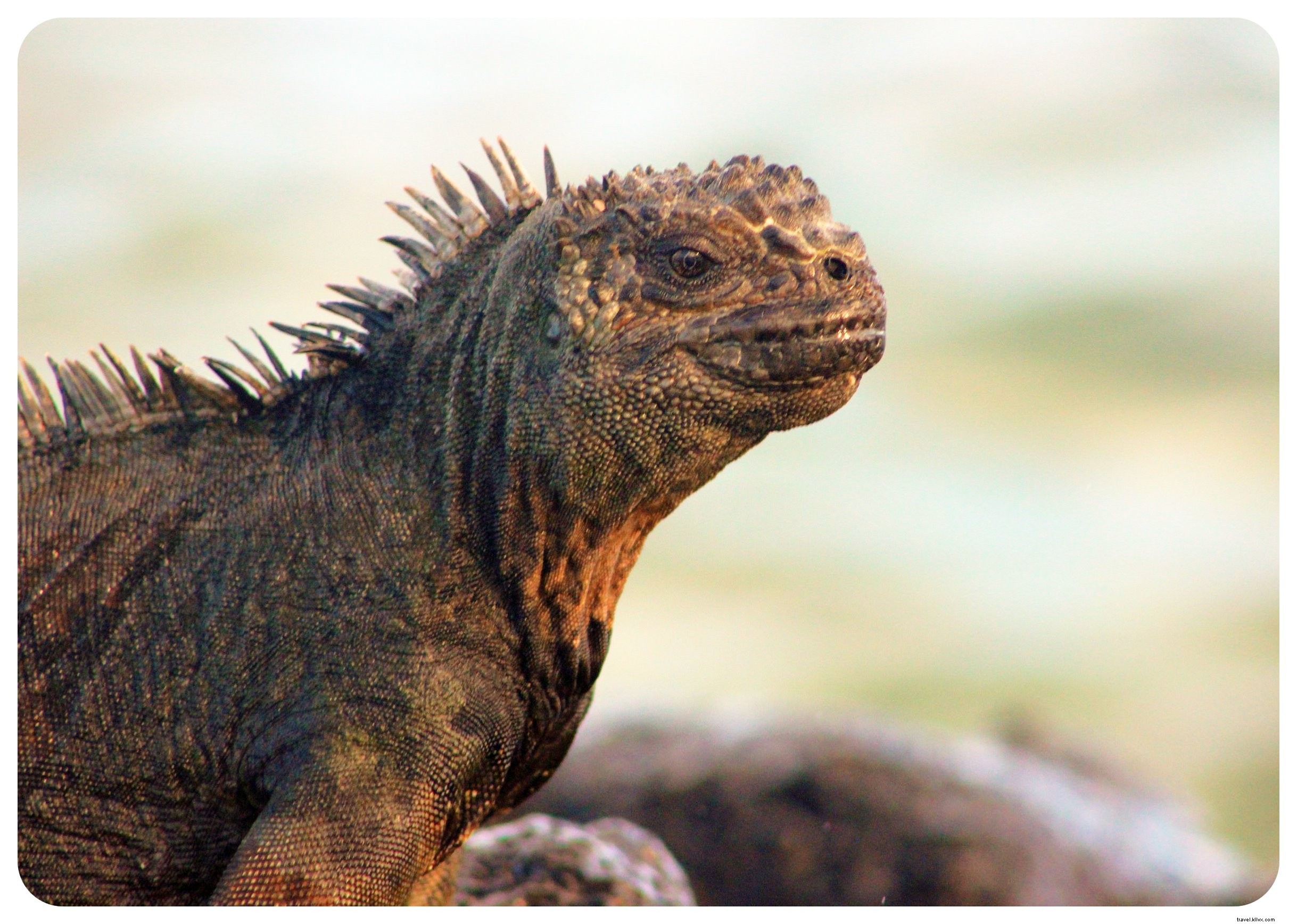
4. Conservation Challenges and Protections
Many endemics, like giant tortoises, face endangerment from historical exploitation by explorers and pirates. 16 of 20 unique songbirds are threatened; some extinct. Ecuador invests heavily in preservation.
Strict measures include banning fresh produce imports to prevent invasive species—bags are inspected pre-flight. The $100 National Park fee funds habitat protection.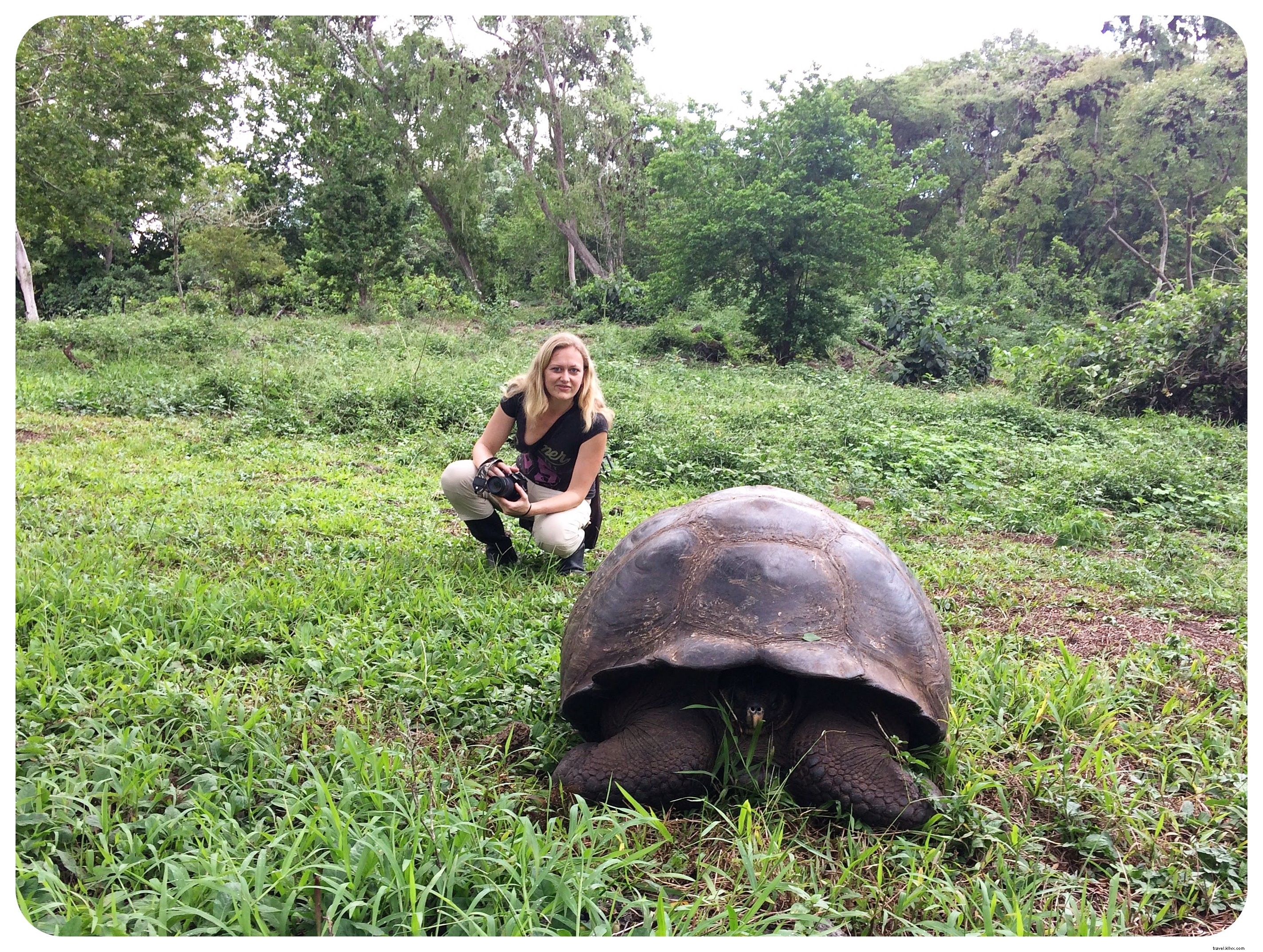
5. Not All Islands Feel Remote
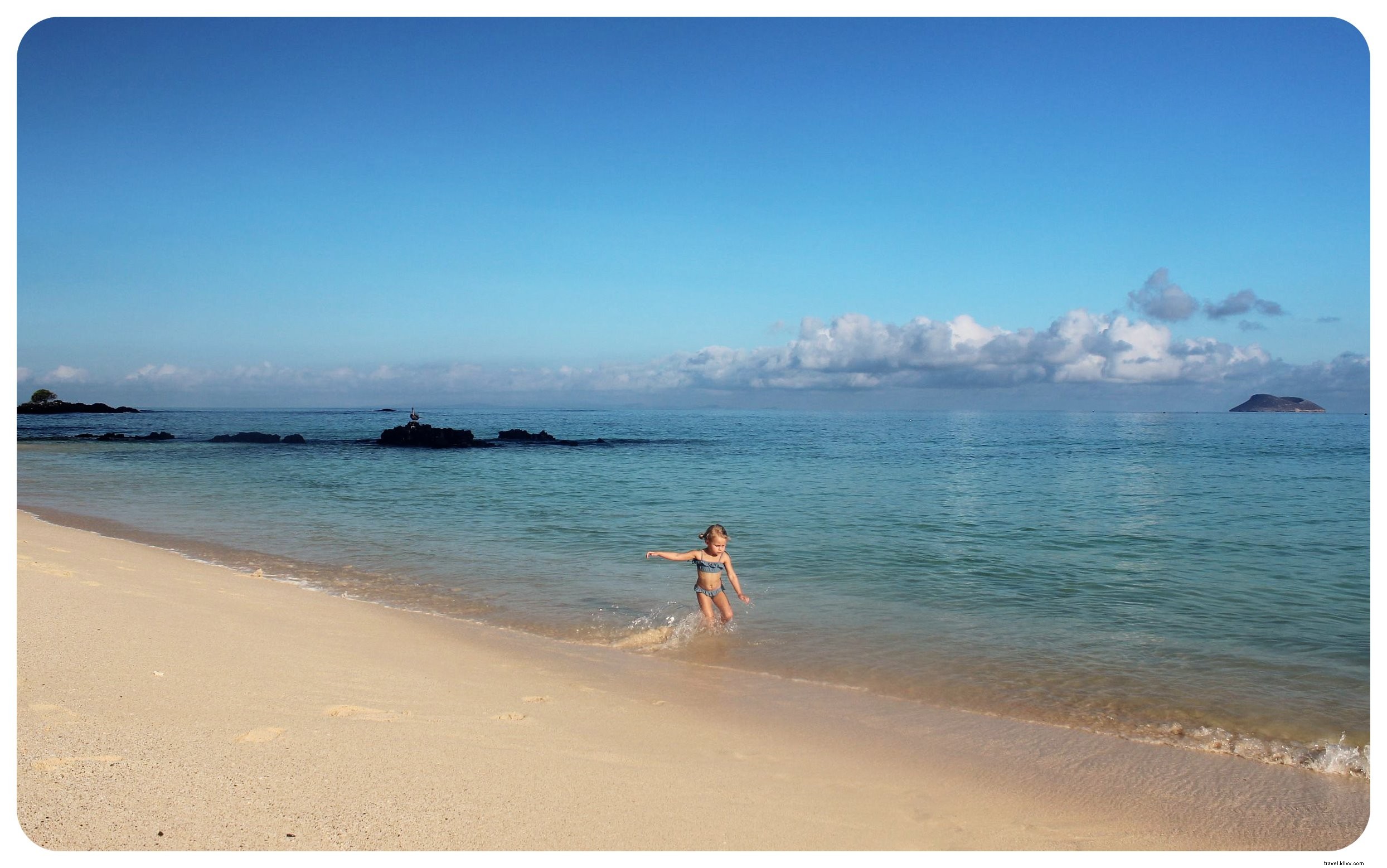
Despite their isolation, inhabited islands like Santa Cruz (12,500 residents), San Cristóbal (6,000), Isabela (1,800), and Floreana (100) bustle with life, lacking a "castaway" vibe post-1969 air links.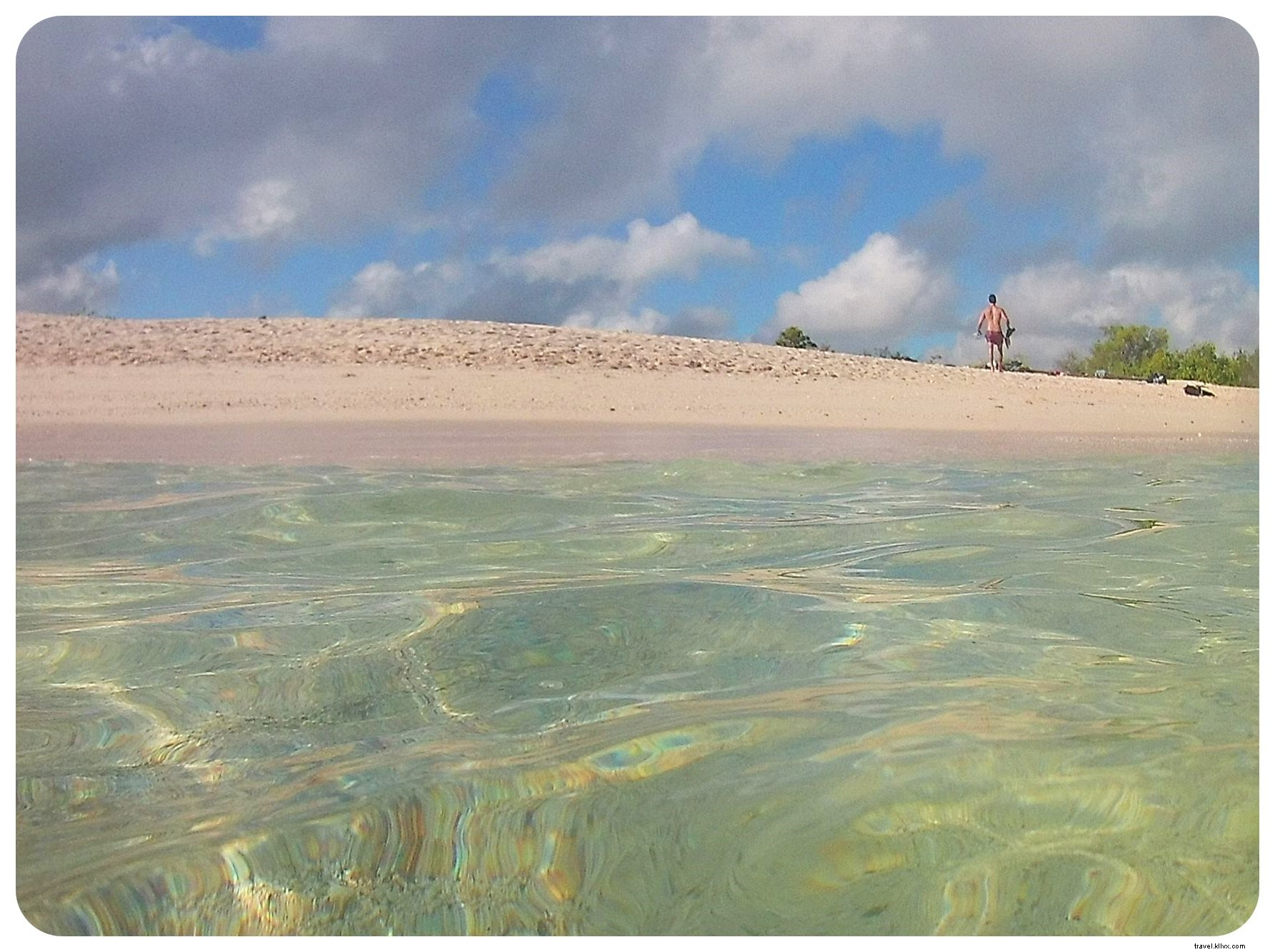
6. Research Galápagos Cruises Thoroughly
Compare operators: itinerary, passenger count, inclusions, extras, snorkel gear, and cabin sharing. Read reviews for reliable choices.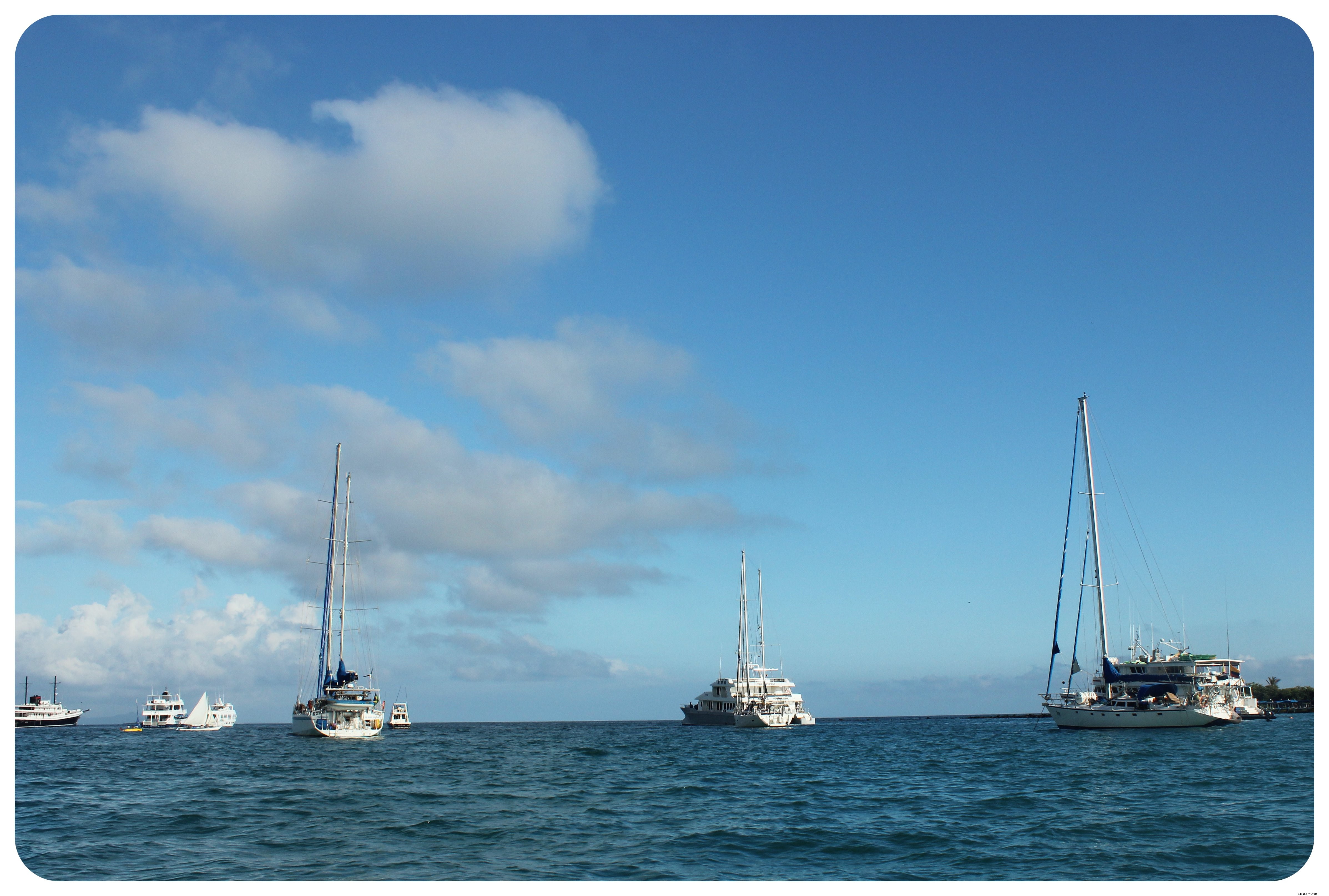
7. Independent Travel Is Viable
Affordable flights (~$280-300 round-trip) and accommodations (hostels ~$30/night; Airbnbs <$1,000/month) enable basing on Santa Cruz, San Cristóbal, Isabela, or Floreana for day trips. Ideal for extended stays avoiding group cruises.
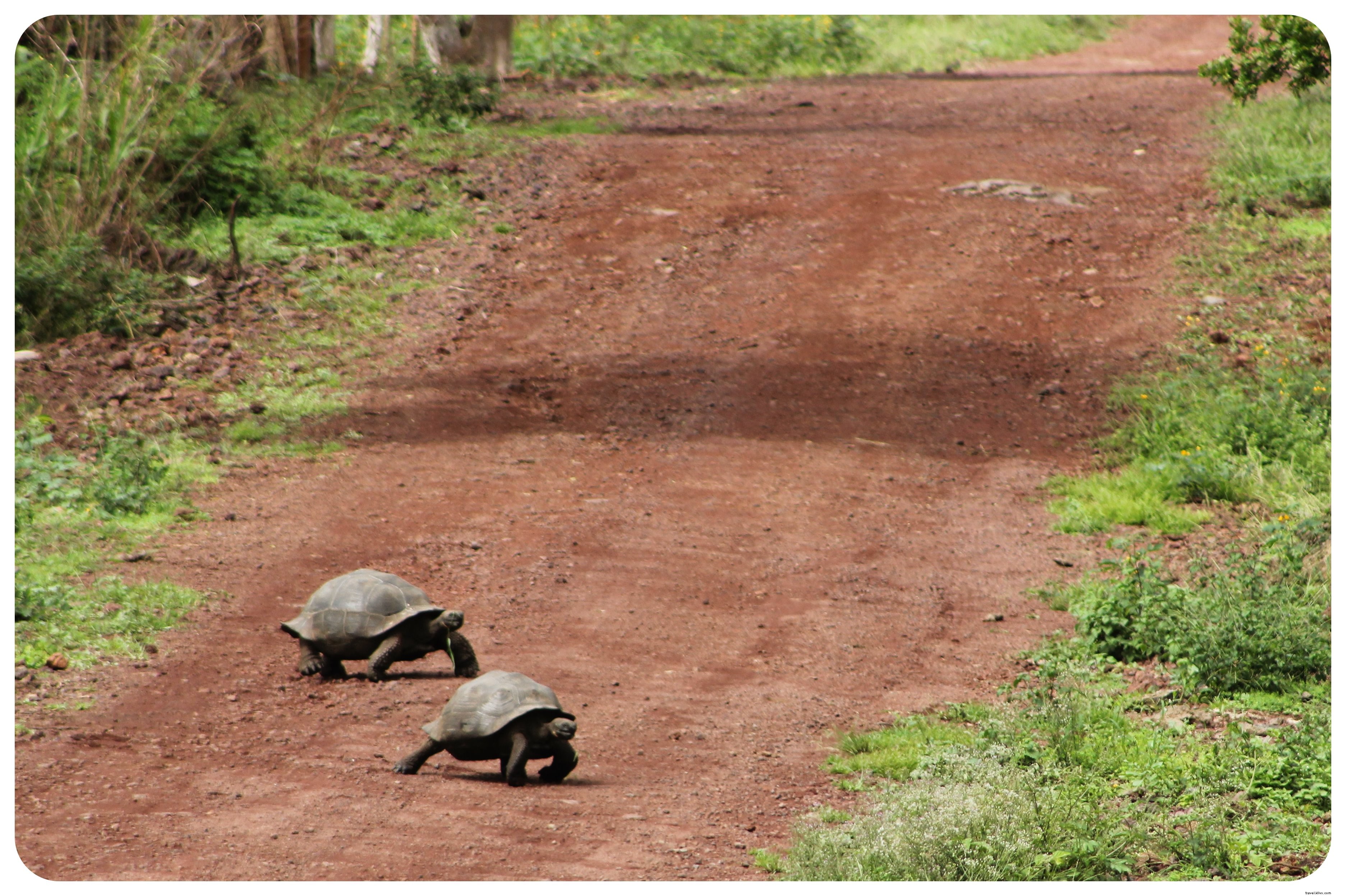
Day Trips vs. Cruises: Land-based saves money but misses remote sites rich in wildlife. Santa Cruz offers easy access to wildlife via foot, bike, or taxi.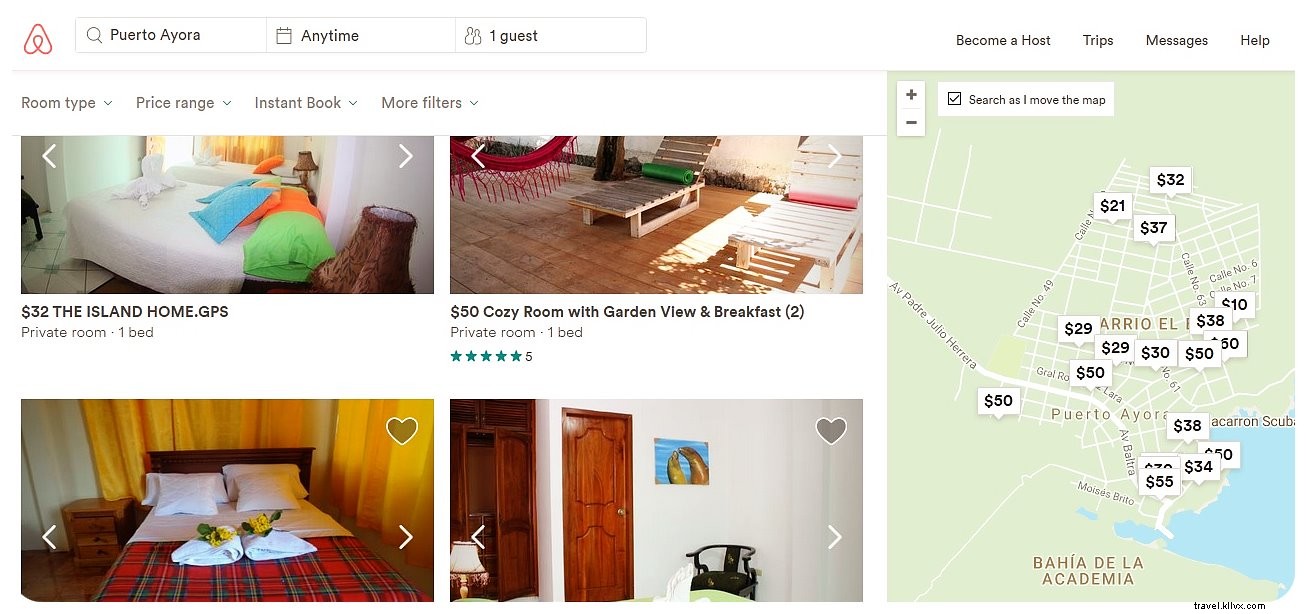
8. Last-Minute Cruise Deals Exist
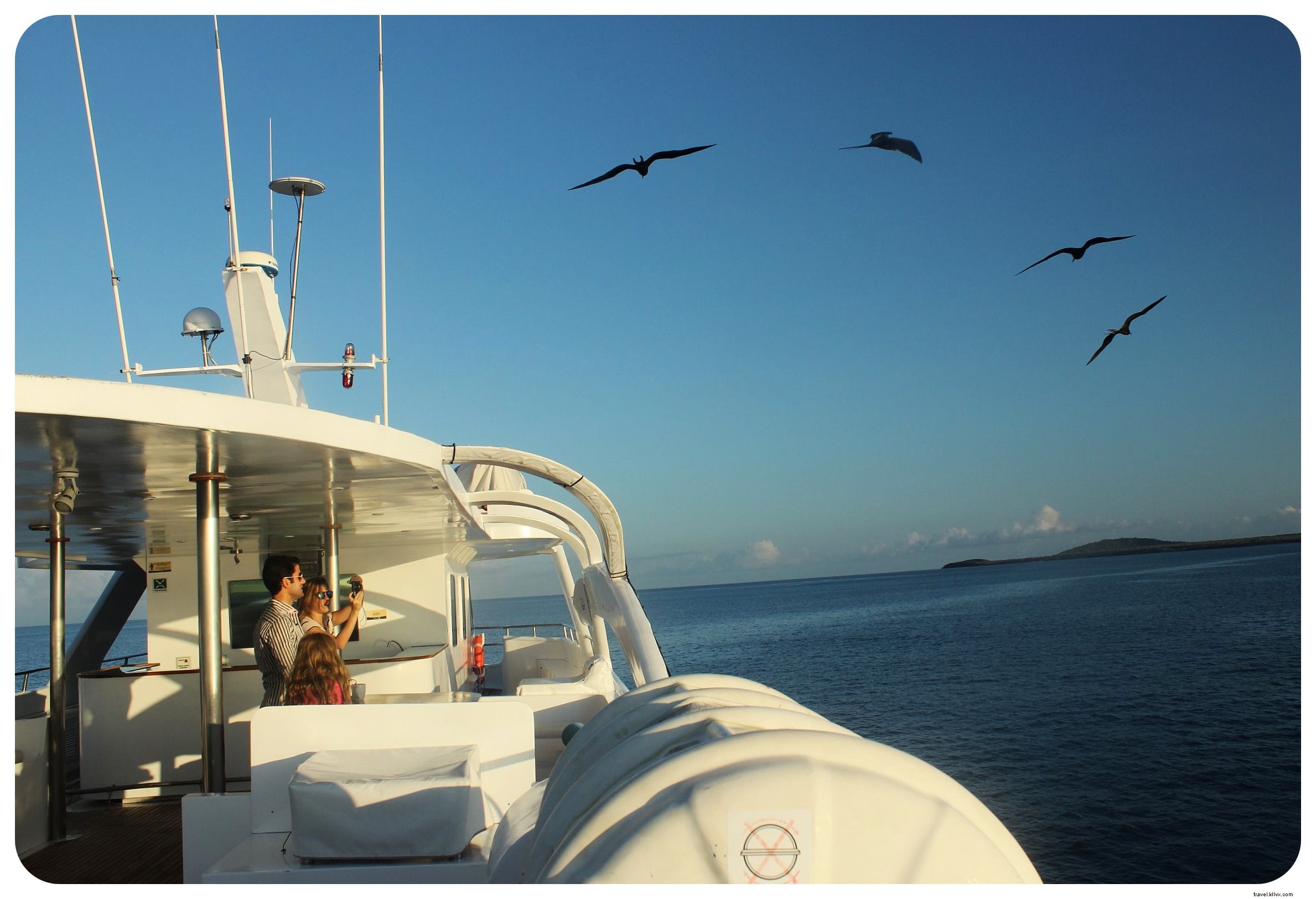
Flexible travelers snag 60% discounts ($650-$1,400) via agencies in Quito, Guayaquil, or Puerto Ayora. Inspect boats/guides on-site. Avoid peak seasons (Christmas-Easter).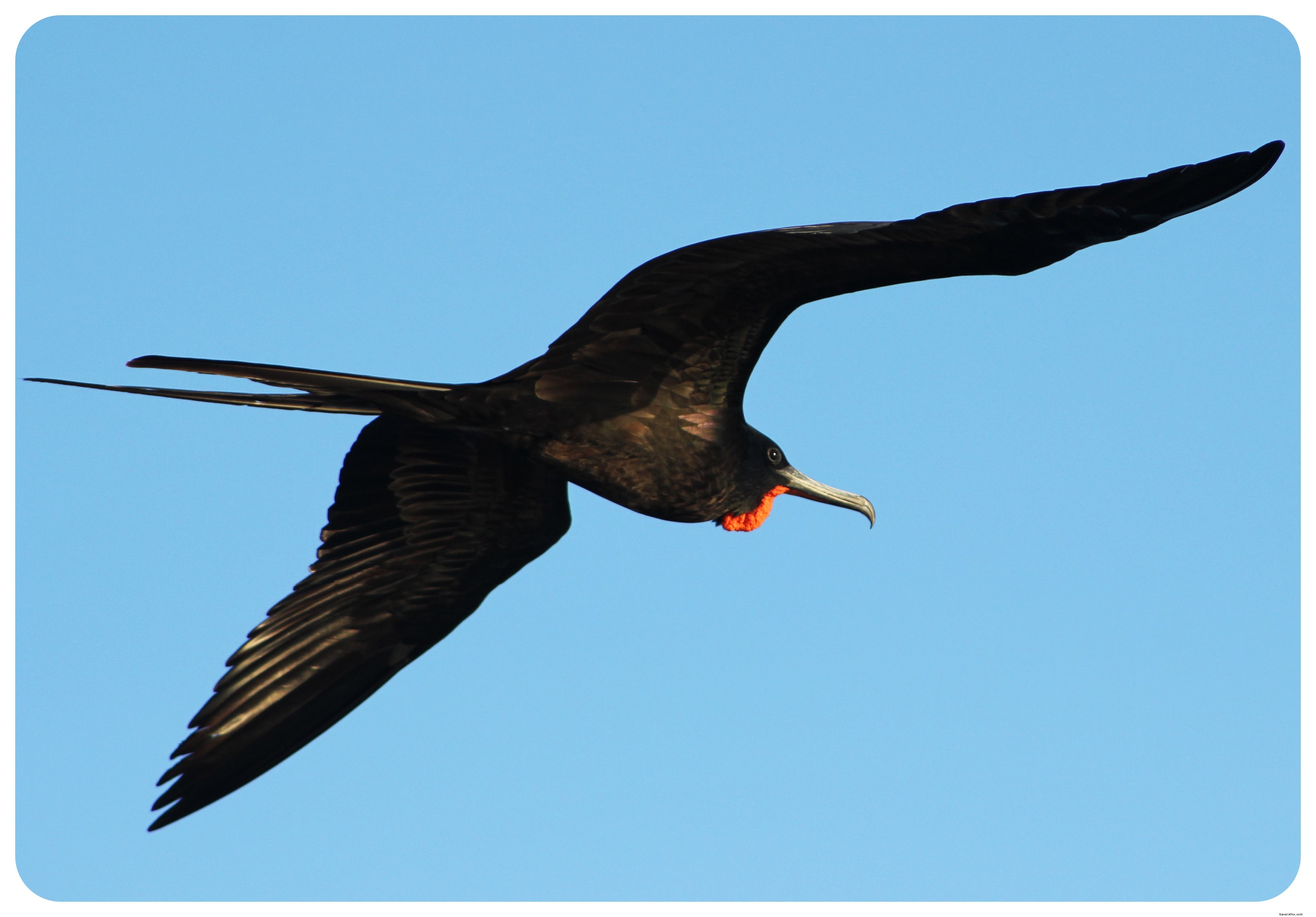
9. Cruise Quality Varies Widely
Budget (~$1,400) means shared cabins, basic meals/gear; luxury ($12,000+) offers amenities. WikiTravel lists operators.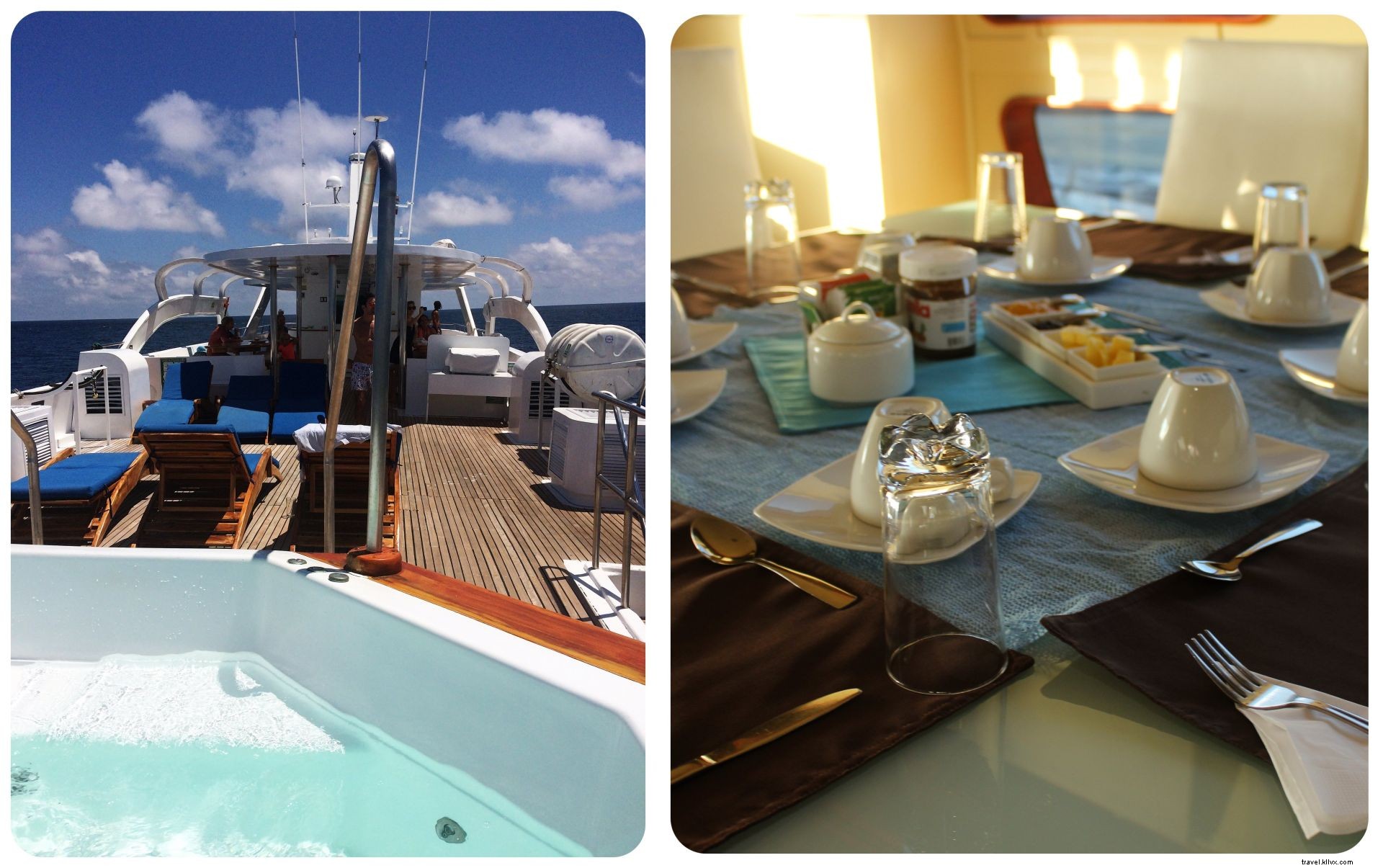
10. Cruise Duration and Boat Life
Opt for 5-8 days (4-day includes travel, netting ~3 days). Smaller yachts (16-48 passengers) allow group excursions; larger require rotations. Seasickness: milder in dry season (Jan-Jun); use wristbands, mid-ship cabins.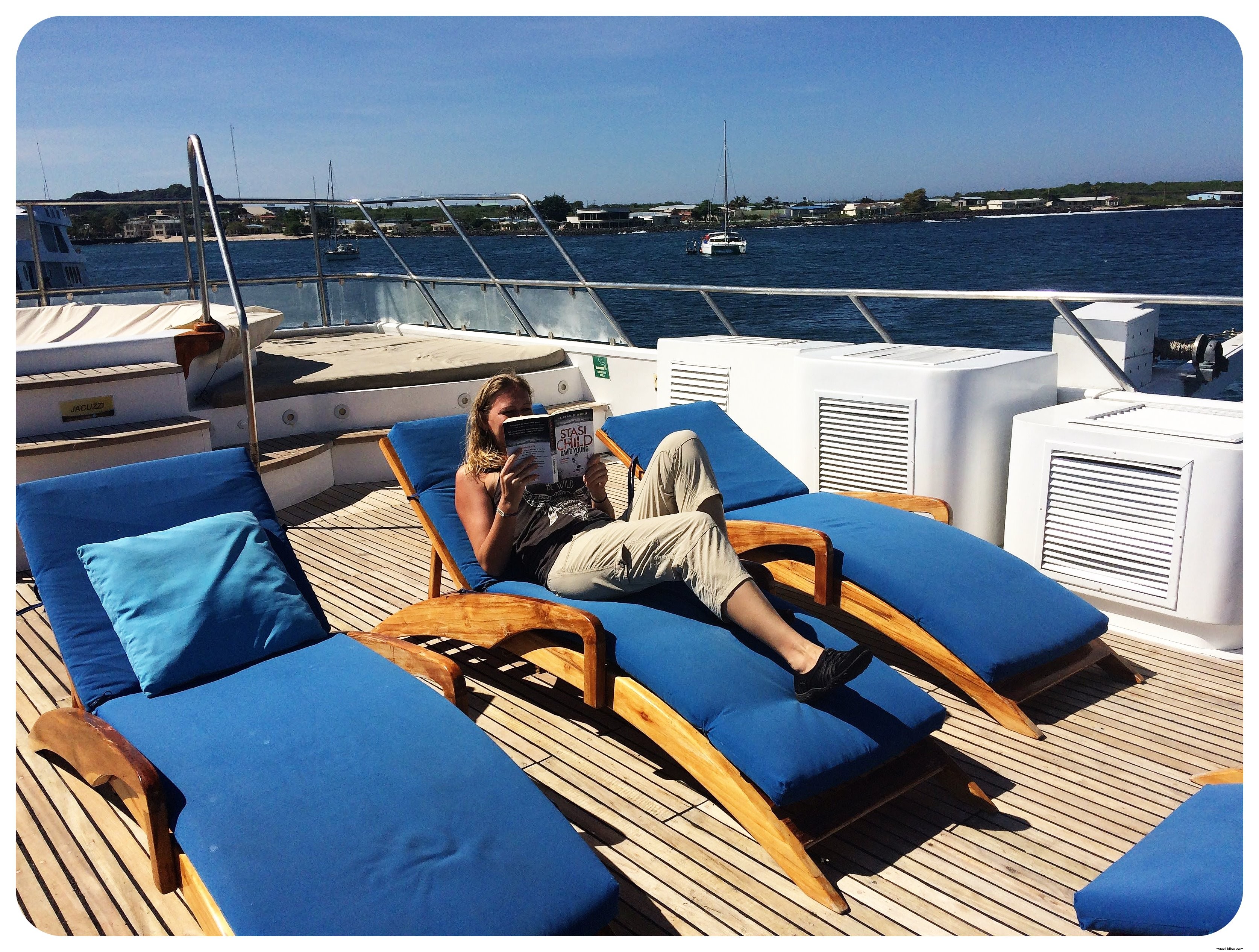
11. Visit Costs Breakdown
Mandatory: $20 transit fee (cash), $100 park fee (cash), ~$300 flights. Cruises: $240-$450+/day. Wet season discounts 15-20%. Tips: $10-20/day. Independent: $30/night rooms, $30 ferries, $160 inter-island flights, $60-180 tours.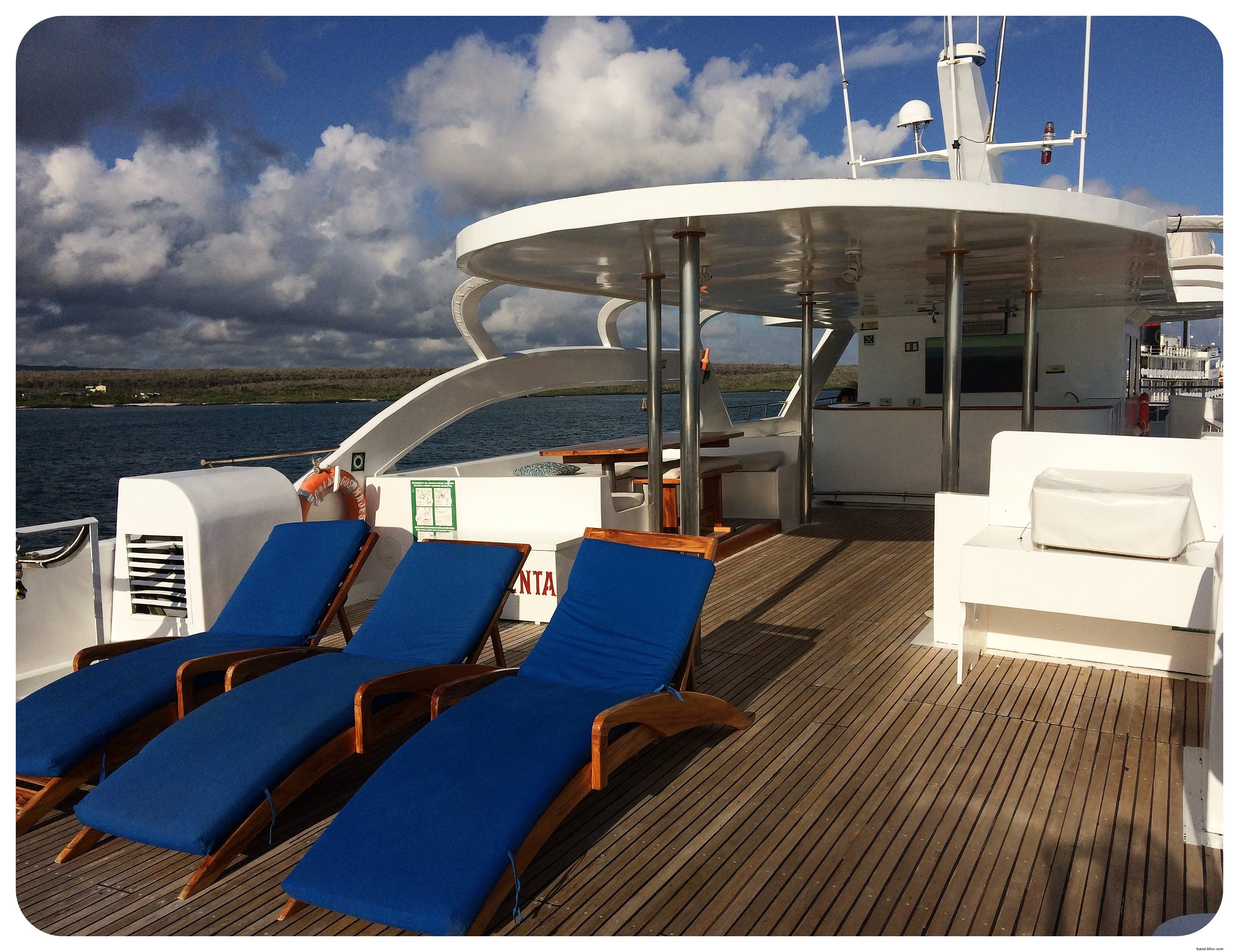
12. Money and Tipping Essentials
Limited ATMs (Santa Cruz/San Cristóbal); withdraw USD beforehand. Ecuador uses USD; cash-only for most (no $100s). Tips: $140-250/week (guide + crew).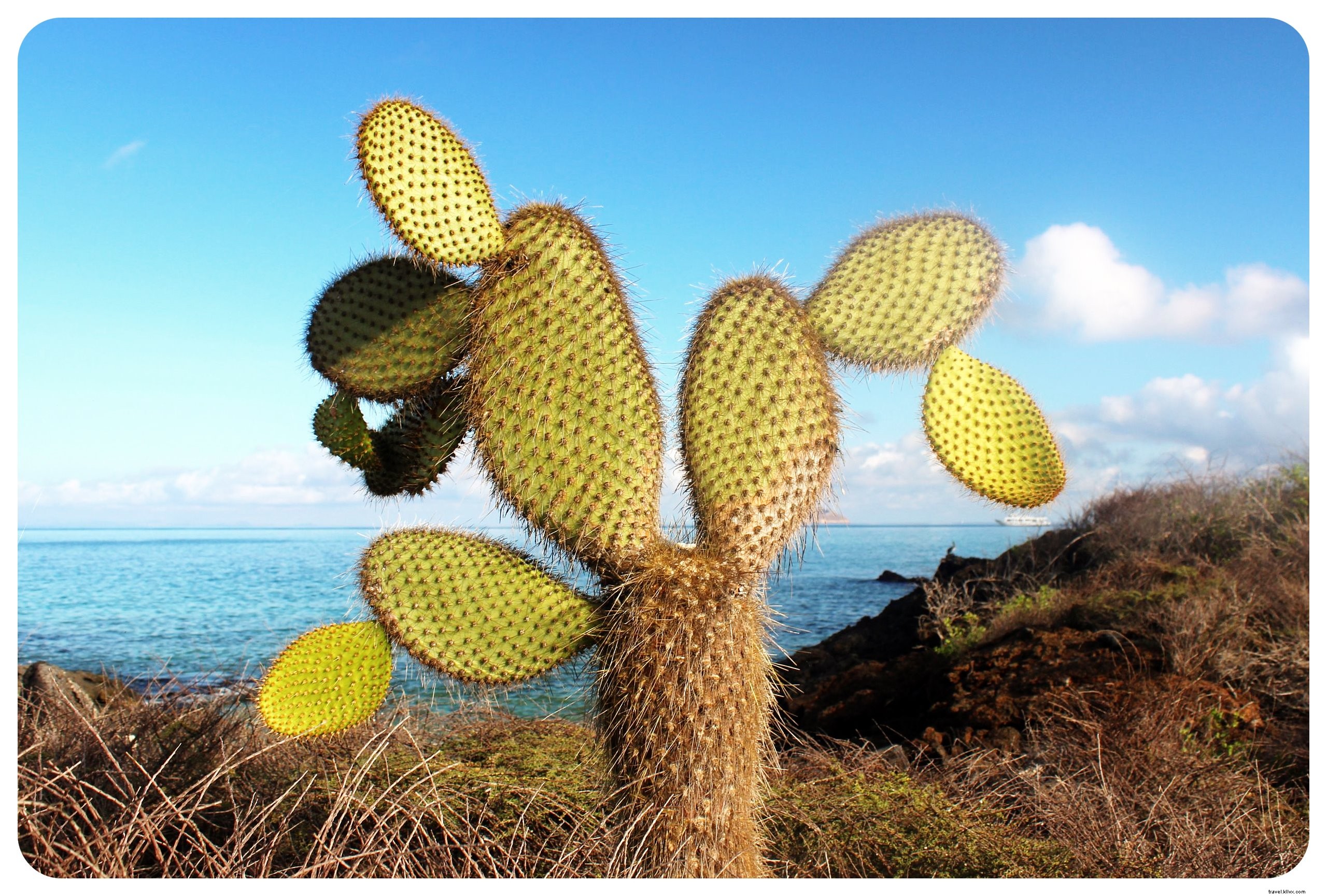
13. Limited Connectivity
Cruises: mostly offline. Island WiFi slow; SIMs/hotspots unreliable.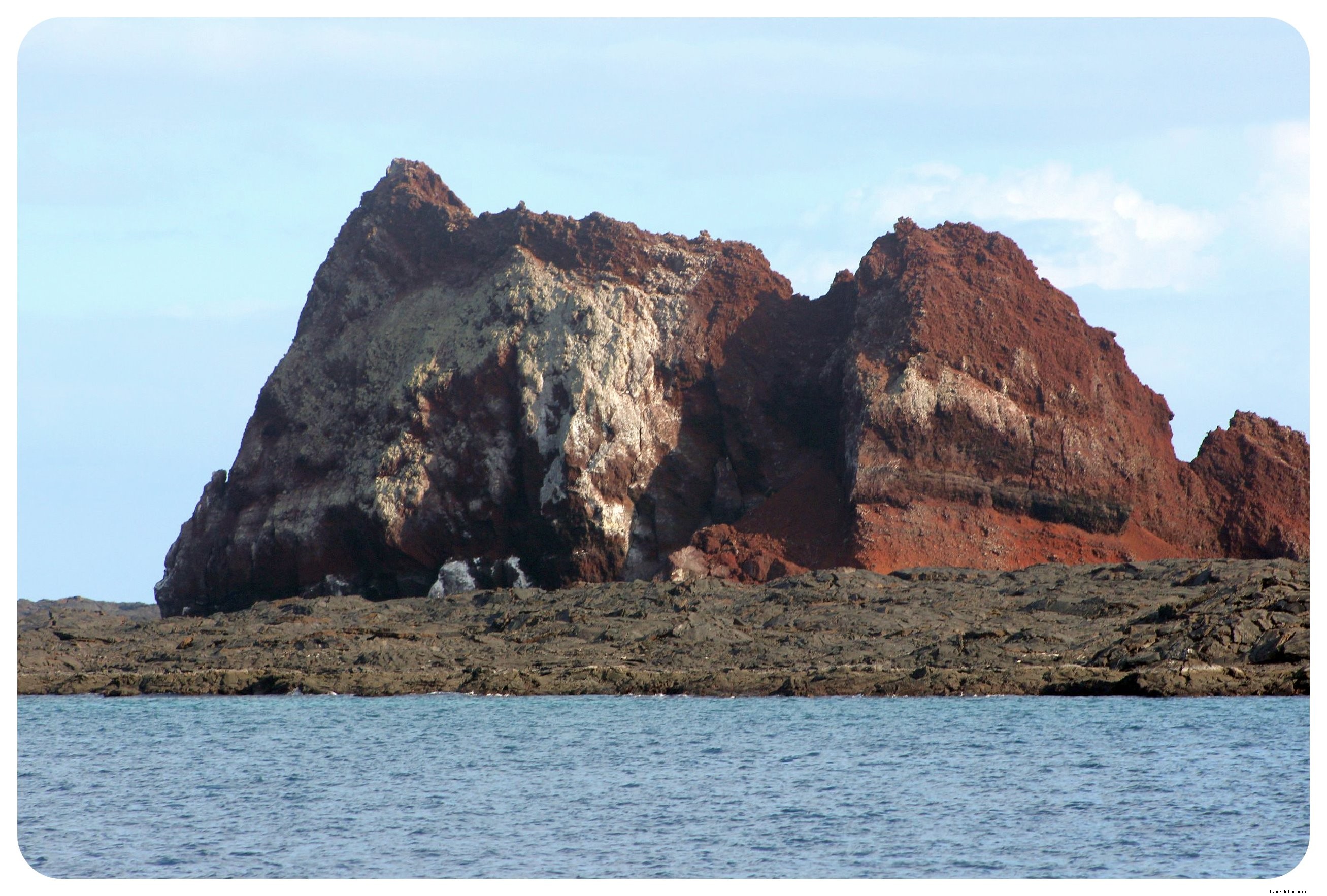
14. Licensed Guides Required
National Park rules mandate guides for all excursions (included/tipped on cruises).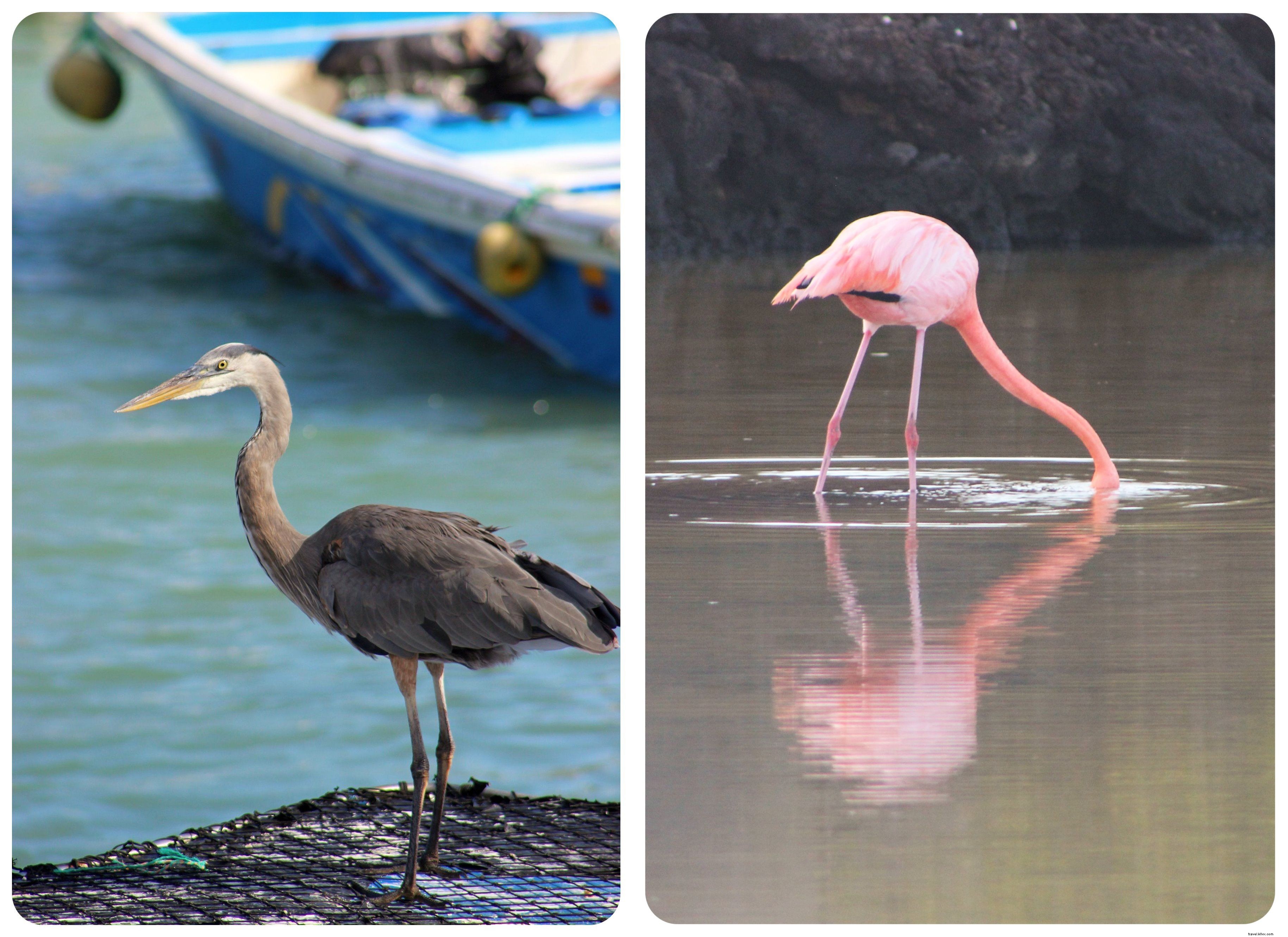
15. Packing Essentials
Baggage limit: 1 checked + 1 carry-on. Key items: sunscreen, underwater camera, UV swimwear, sandals, windbreaker, zoom lens, waterproof bag, reusable bottle, motion sickness remedies, first aid, padlock, binoculars. Travel insurance (e.g., World Nomads) covers evacuations.
Questions? Comment below!