
Why You Should Skip Berlin... Or Should You? Discover Its Irresistible Grit and Charm
That's right—we're telling you not to visit Berlin. Or are we?
Locals might warn that it's dirty, crowded, full of expats, and burdened by unemployment. Neighborhoods grapple with gentrification and rising rents, and conversations often happen in English rather than German among a diverse mix of residents from around the world.
Berlin has long welcomed foreigners. Turkish guest workers arrived in West Berlin in the 1960s, while Vietnamese communities settled in East Berlin during and after the Vietnam War. Today, these groups are deeply woven into the city's fabric.
The German capital has been a magnet for creatives. Post-WWII, West Berlin's exemption from military service attracted activists, pacifists, anarchists, musicians, and artists—many subsidized by the state. This laid the foundation for Berlin's uniquely international vibe.
Berlin thrives in a state of controlled chaos—orderly disorder that feels quintessentially German.
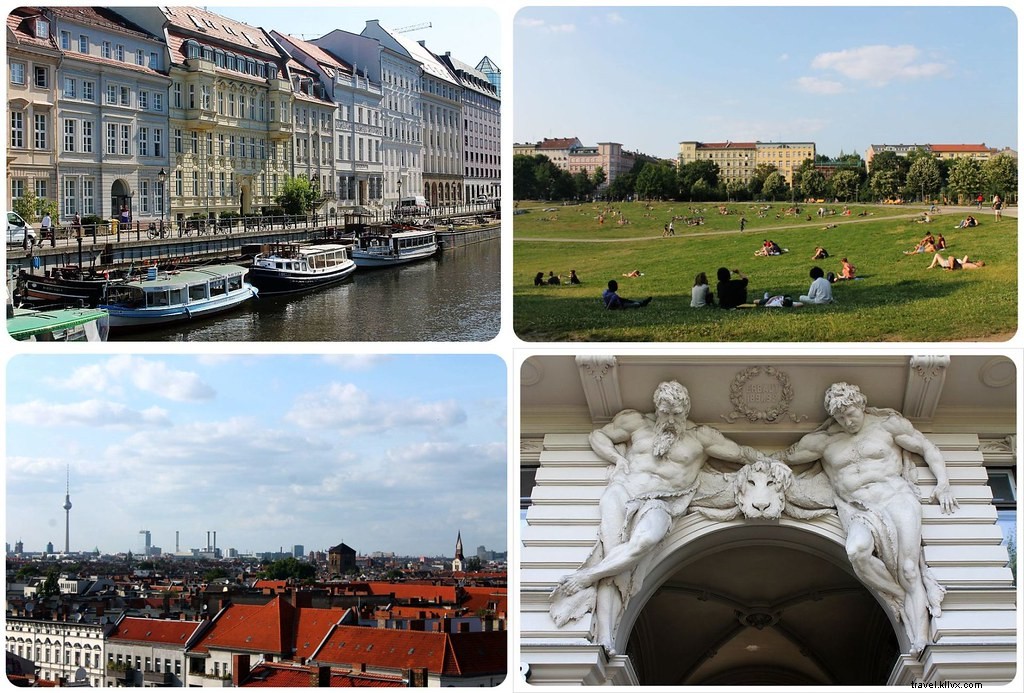
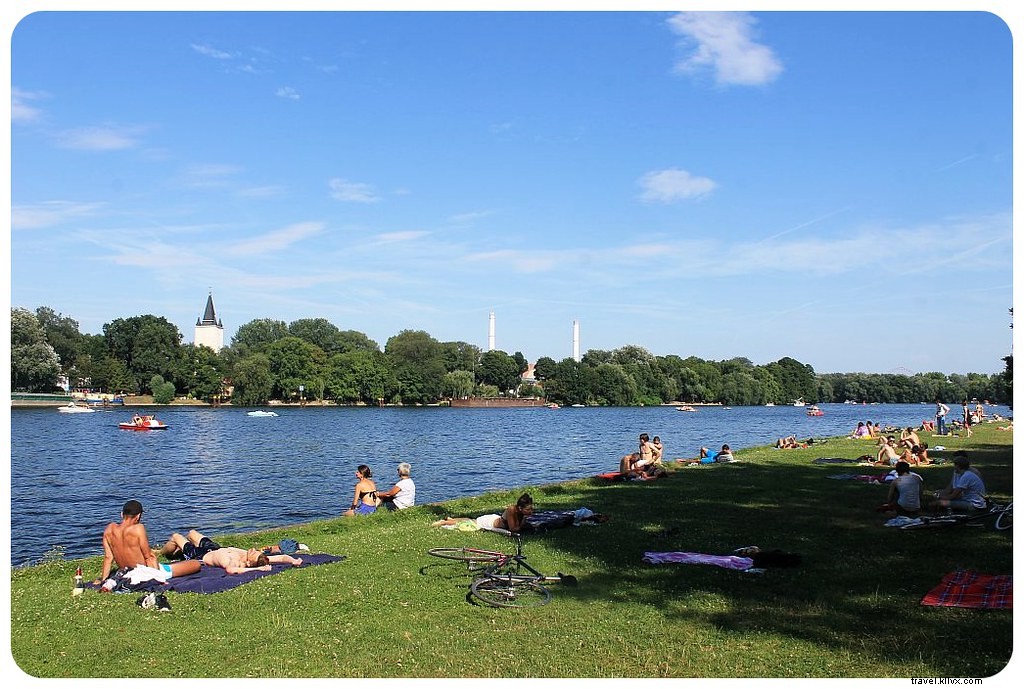
At first glance, it seems half the city is unemployed, with people lingering at sidewalk cafés, grilling in parks, or enjoying wine by the river until sunset. Yet Berlin ranks among the greenest cities we've explored.
Despite ample free time and green spaces—and many locals in relaxed states—order prevails, even without visible police presence.
After WWII, the capital shifted to Bonn, leaving Berlin underdeveloped and verdant. Reunification restored its status in 1991, but many offices lingered in Bonn until 1999. This explains the casual dress in Europe's economic powerhouse.
Limited investment and industry fostered underemployment and Berlin's signature grit—mild by global standards. Compared to New York or Bangkok, it's tidy. Low costs echo Southeast Asia: our five-week rent was just $200 more than in Thailand, with meals averaging $6.
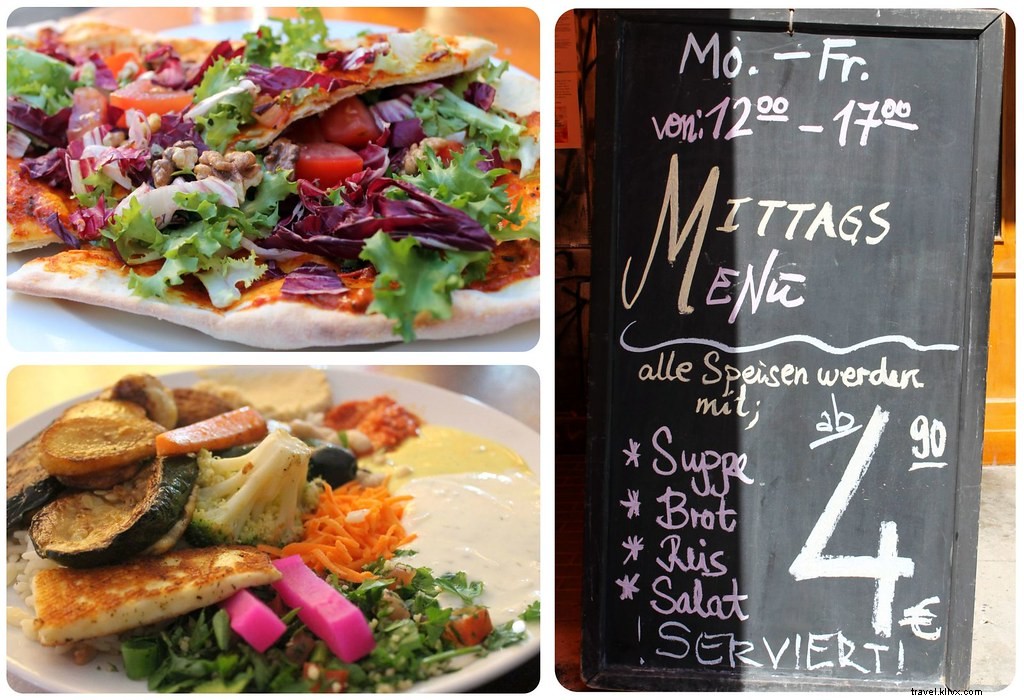
Berlin is green, affordable, and brimming with bon vivants. But its poignant history demands attention.
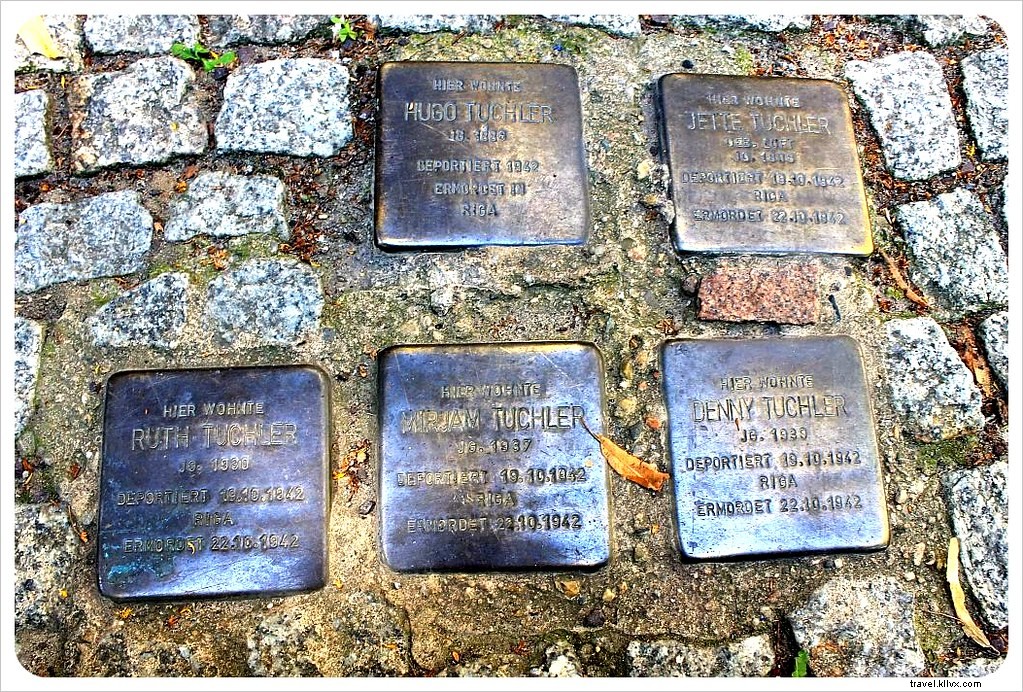
Stolpersteine—over 5,000 gold-plated 'stumble stones' in Berlin sidewalks—memorialize Holocaust victims. Plaques mark escape tunnels under the Berlin Wall, evoking the city's profound historical weight from its 12th-century founding to today.
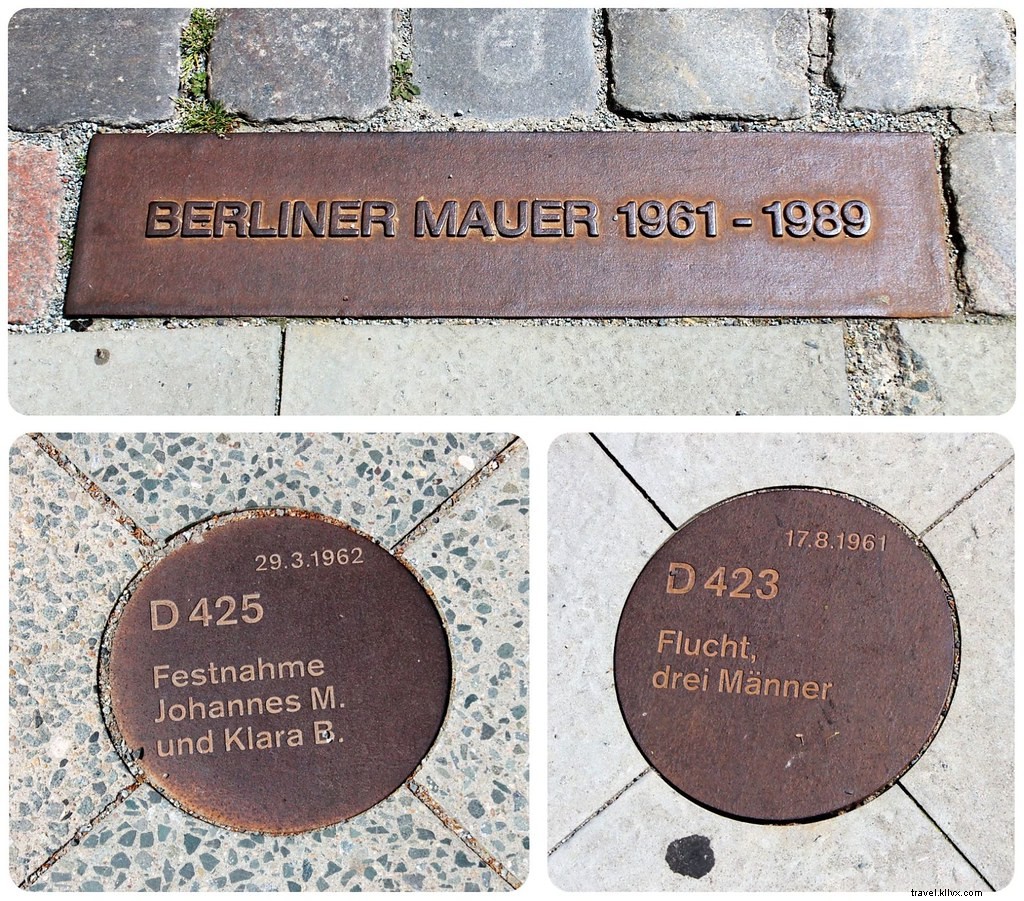
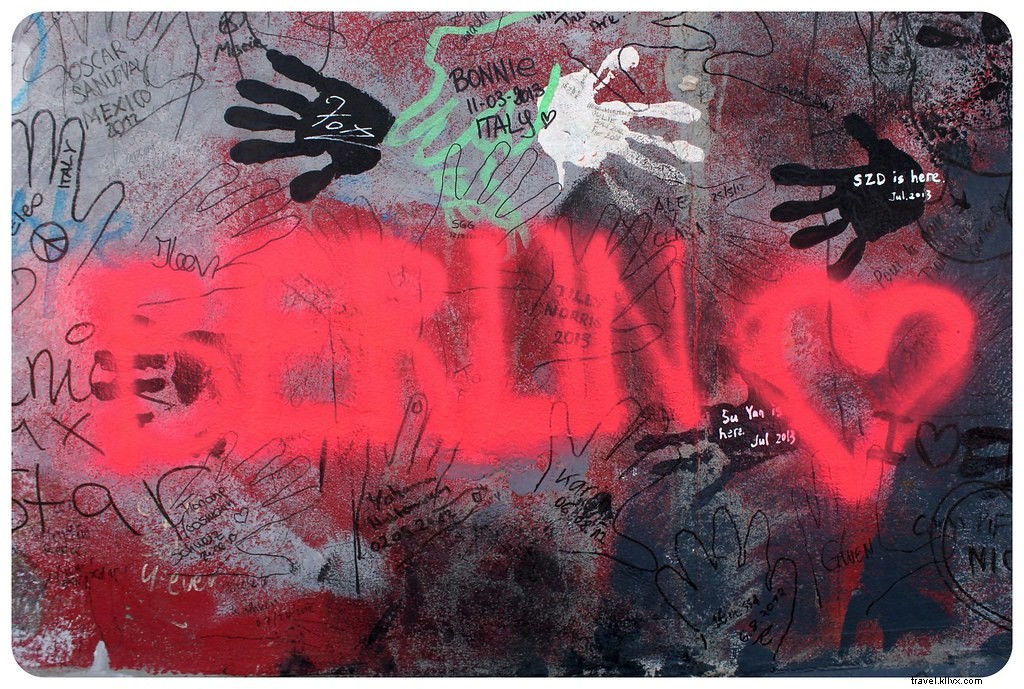
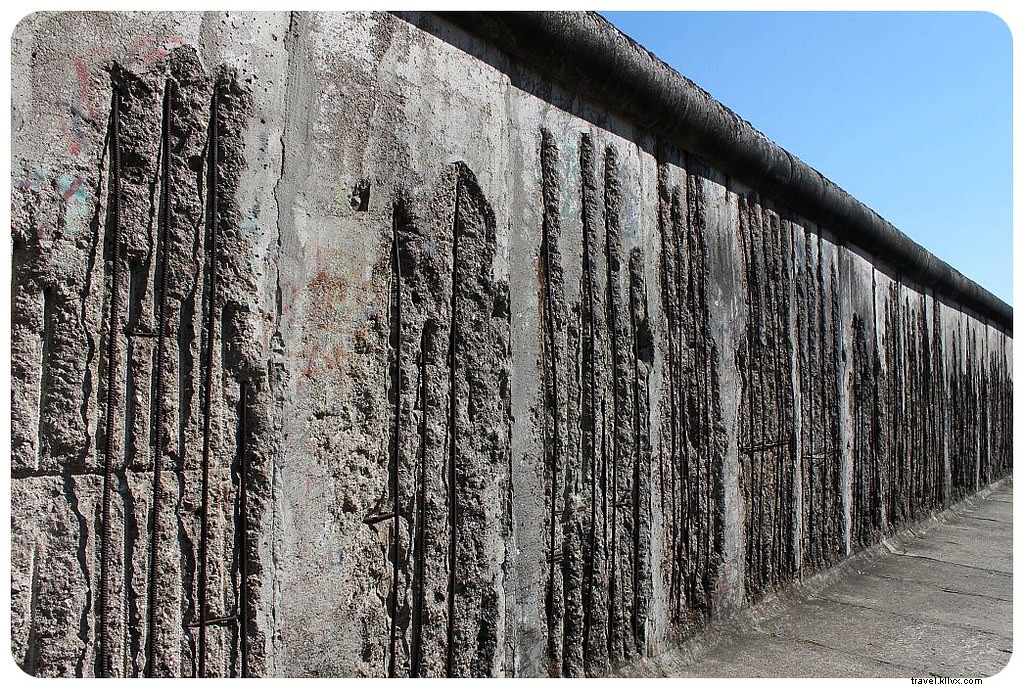
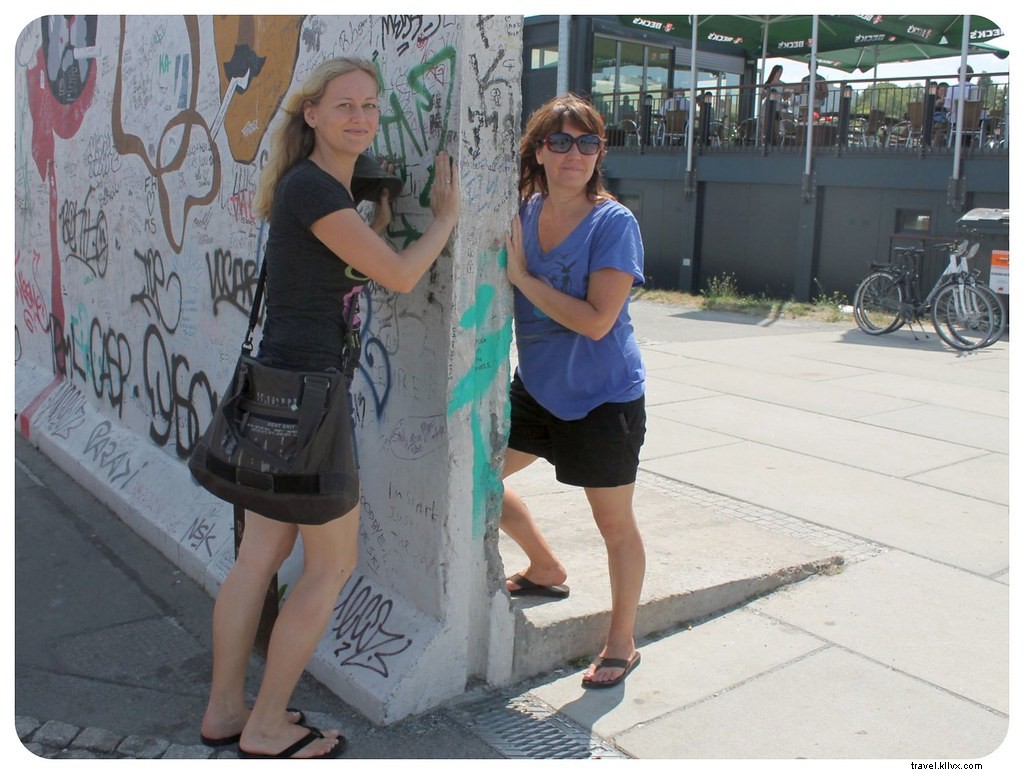
The Wall's remnants dot the city, with the East Side Gallery's murals transforming concrete into messages of freedom and art.
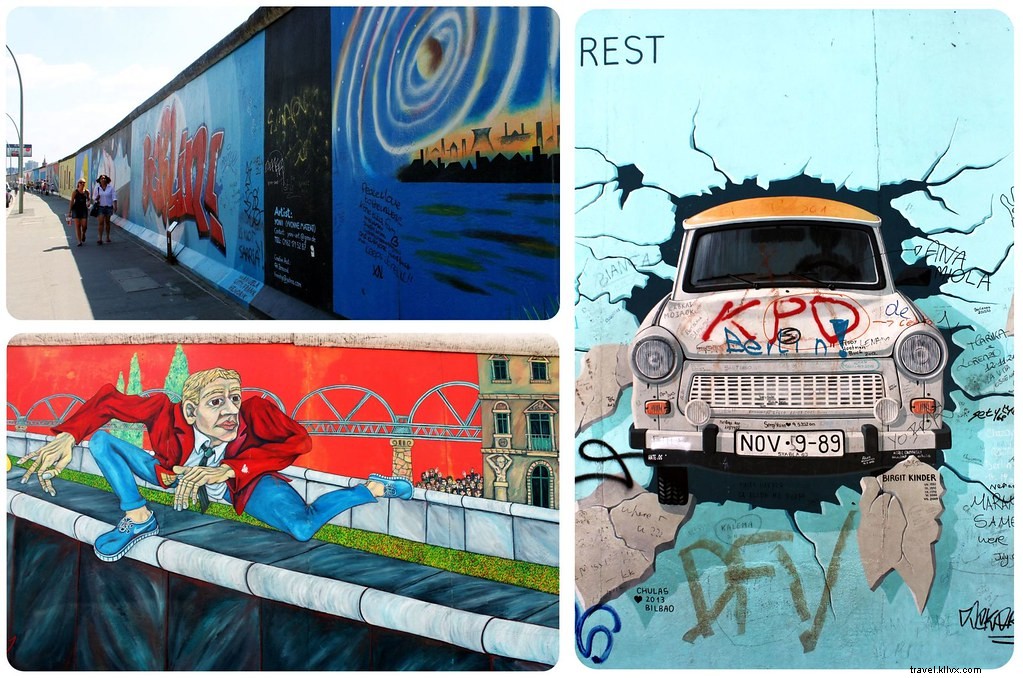
Ironically, we cycled freely between east and west—a freedom unimaginable for a child in former East Germany like Dani, who could never have crossed with her American partner.
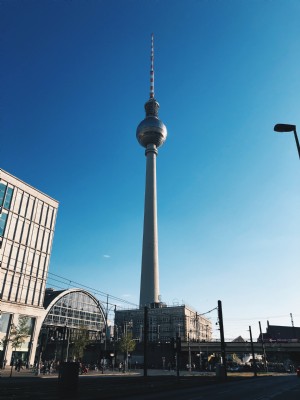
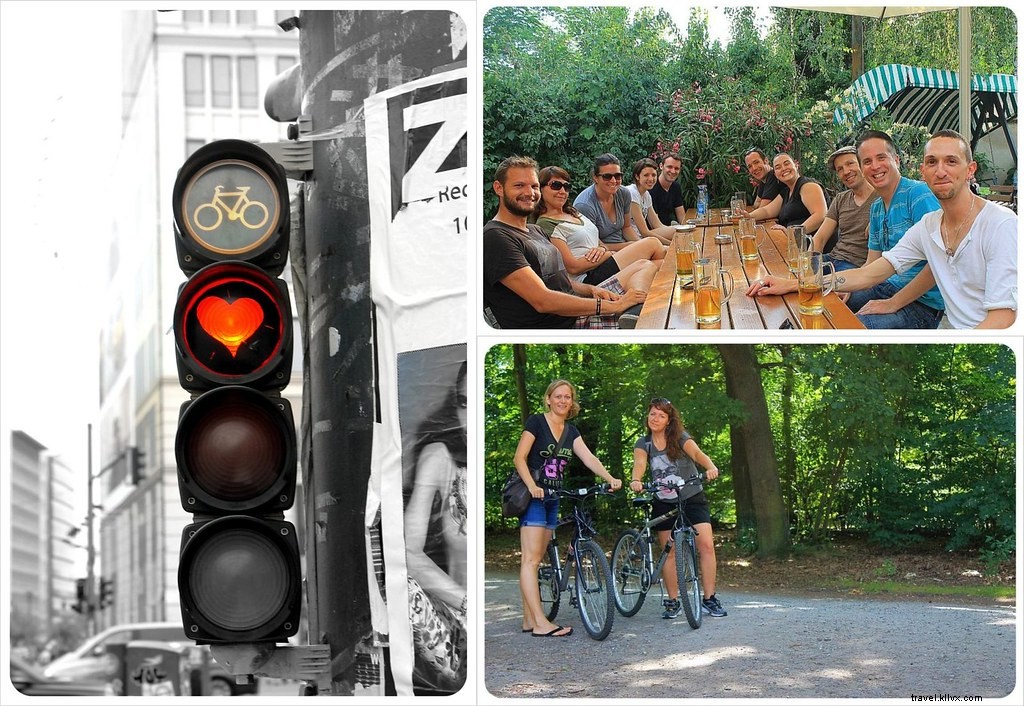
Berlin is cyclist heaven, with extensive lanes to sights like Alexanderplatz, the TV Tower, Brandenburg Gate, Checkpoint Charlie, parks, and lakes. We rode 20km daily.
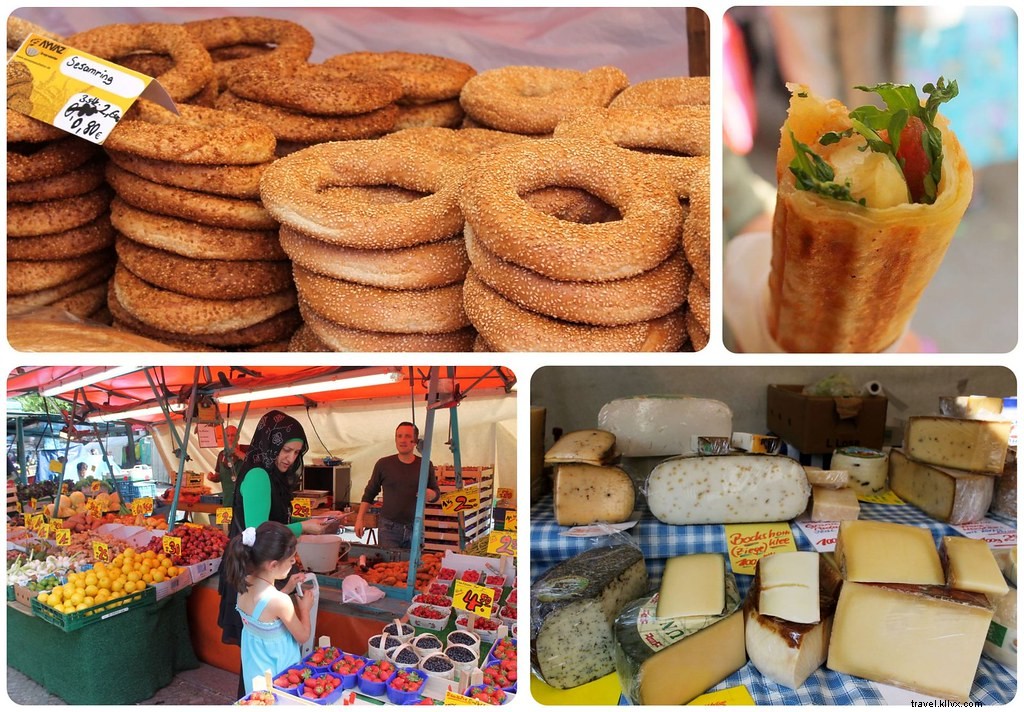
In Kreuzberg, Turkish heritage blends with global energy—youth and elders shop at vibrant markets for fresh produce, cheeses, and olives.
Prenzlauer Berg charms with tree-lined streets, creative cafés, and markets amid ongoing gentrification talks.
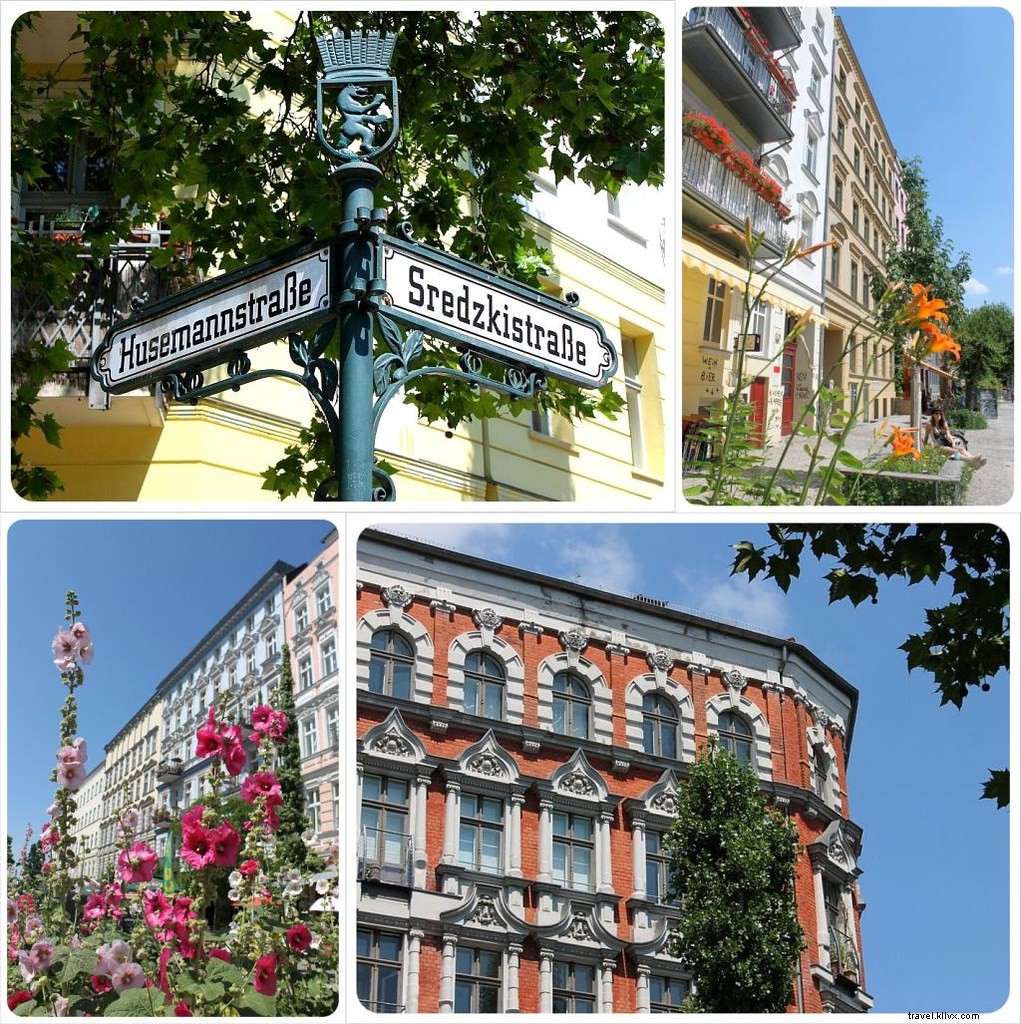
Neighborhoods vary: hippies and families in Schöneberg, shoppers on Ku'damm, punks in Neukölln. East-West divides show in architecture, traffic lights, and trams.
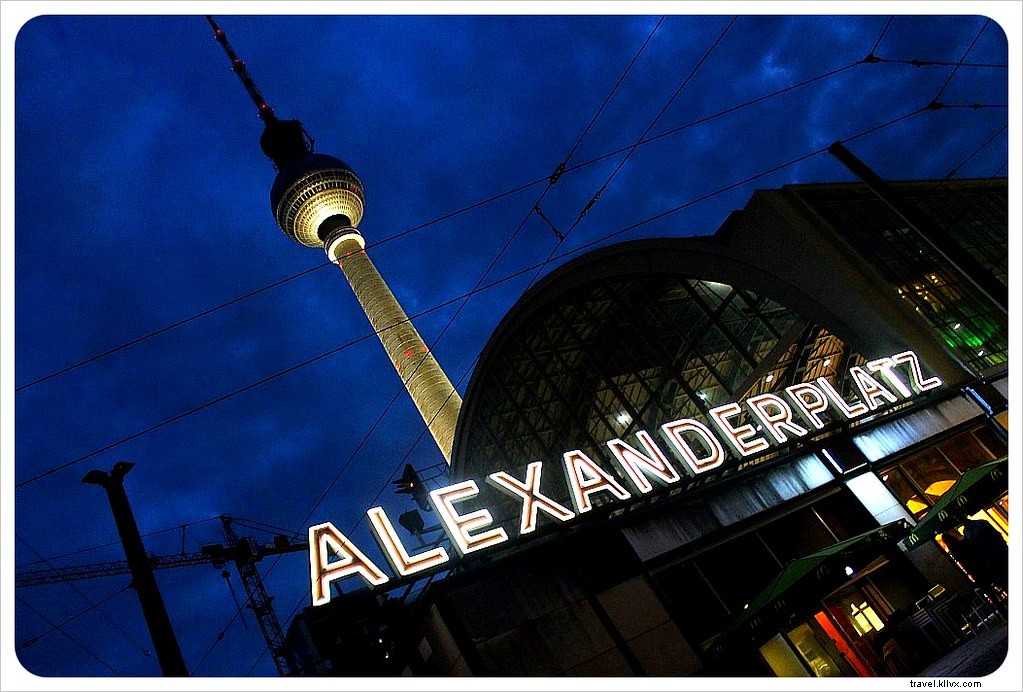
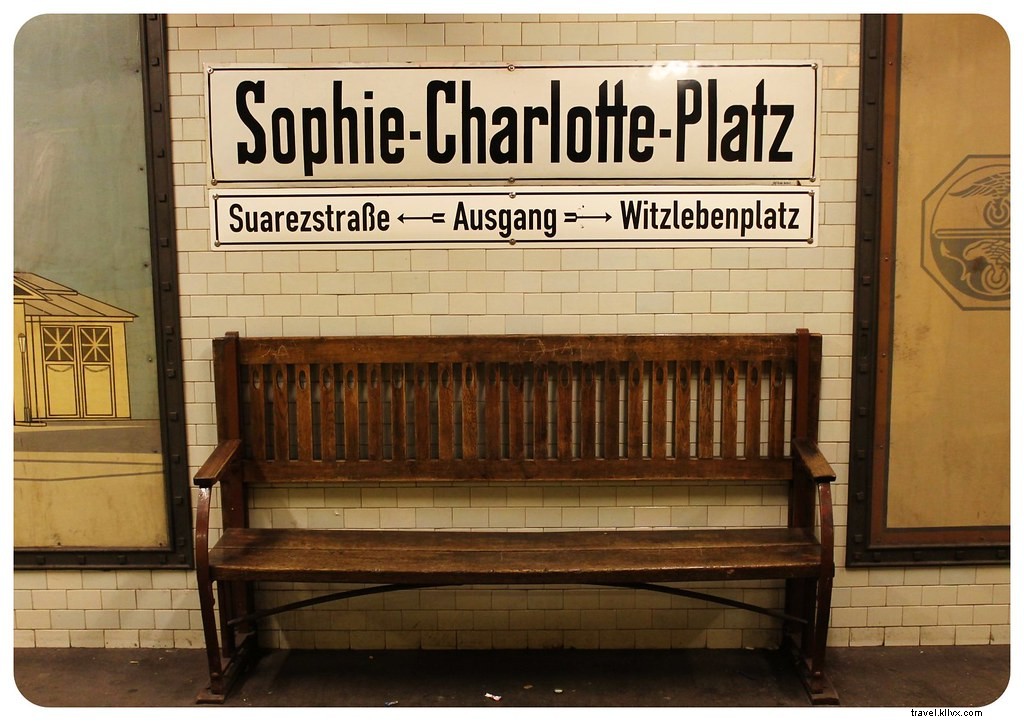
Transport is excellent: bikes in summer; trams (east), S-Bahn, U-Bahn, buses, taxis, and car-sharing like Zipcar.
Clubs pulse late, with strict door policies—even signs like 'No American Hipsters.'
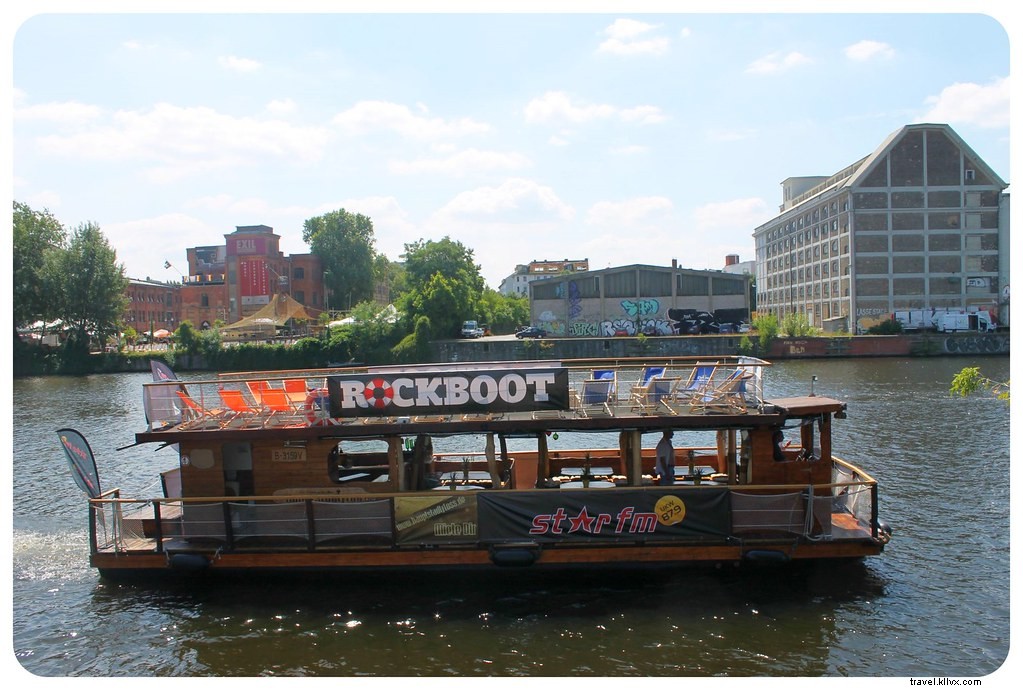
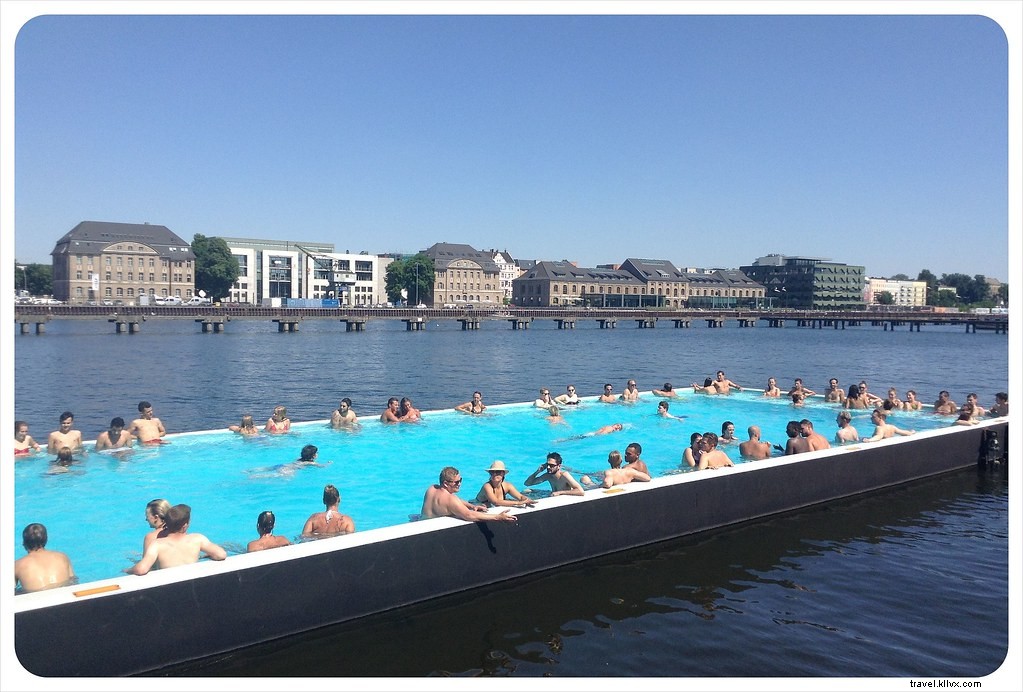
Brunch reigns daily until 4pm. Quintessential spots: Badeschiff (river pool-beach), Mauerpark karaoke, Tempelhof Airport park for kites, skates, and more.
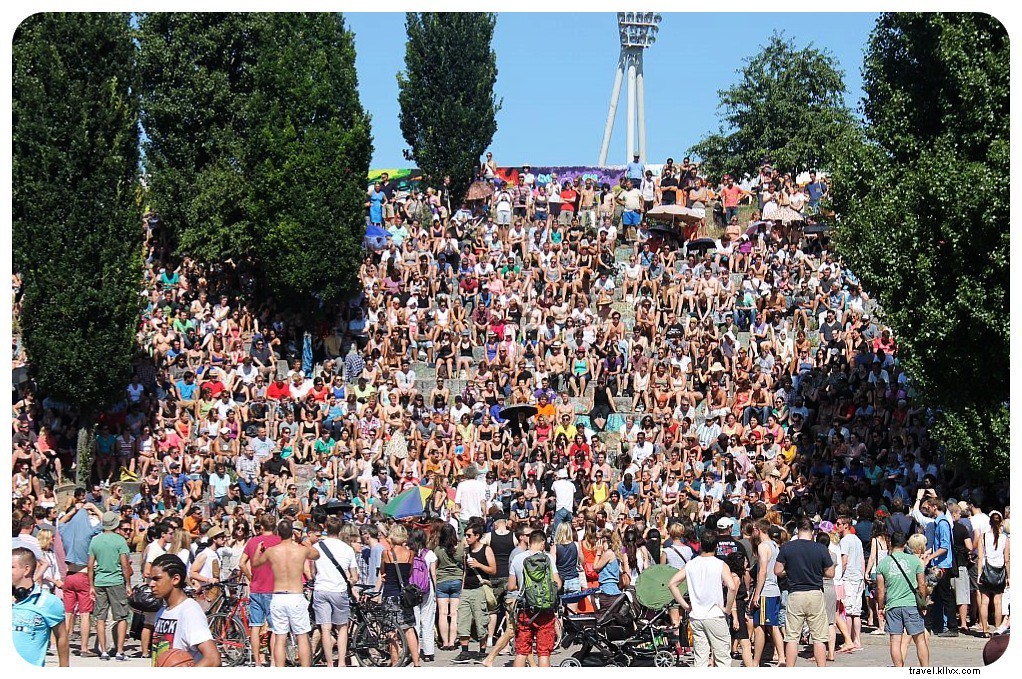
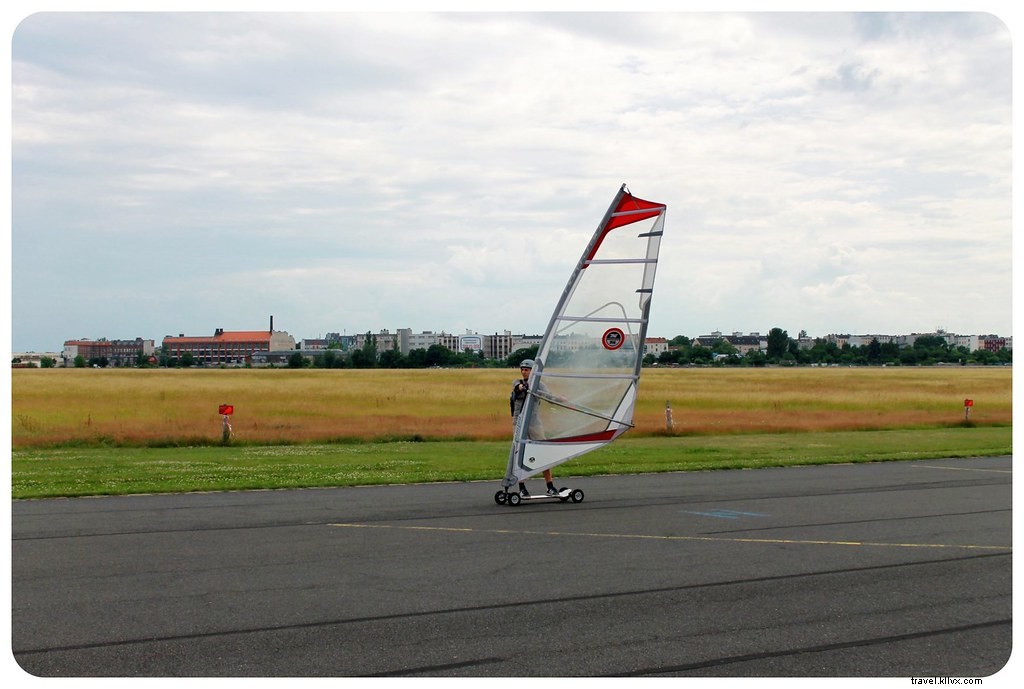
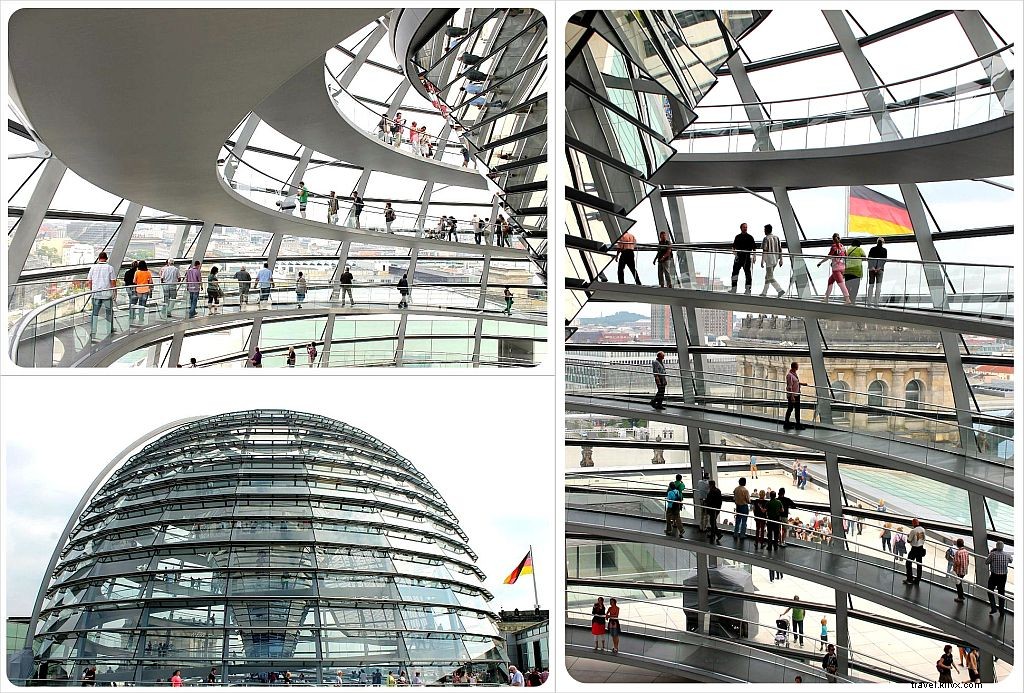
Berlin balances high culture (opera, philharmonic, museums) with punk edge. Diverse crowds mingle effortlessly.
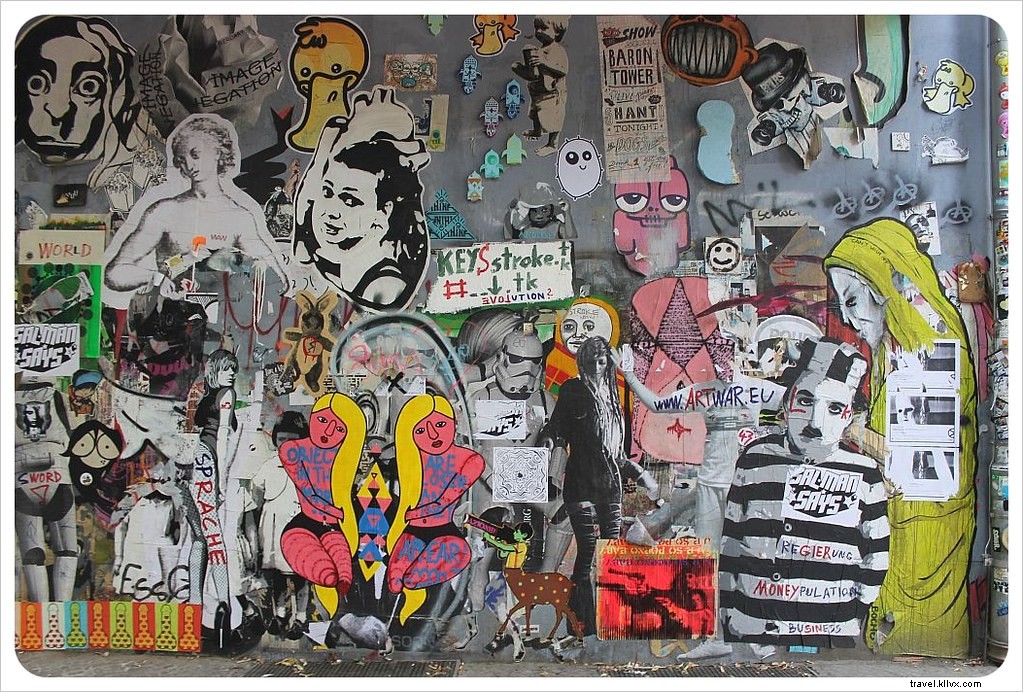
The city invites you to add your flavor. Visitors may spark change—but Berlin embraces it.
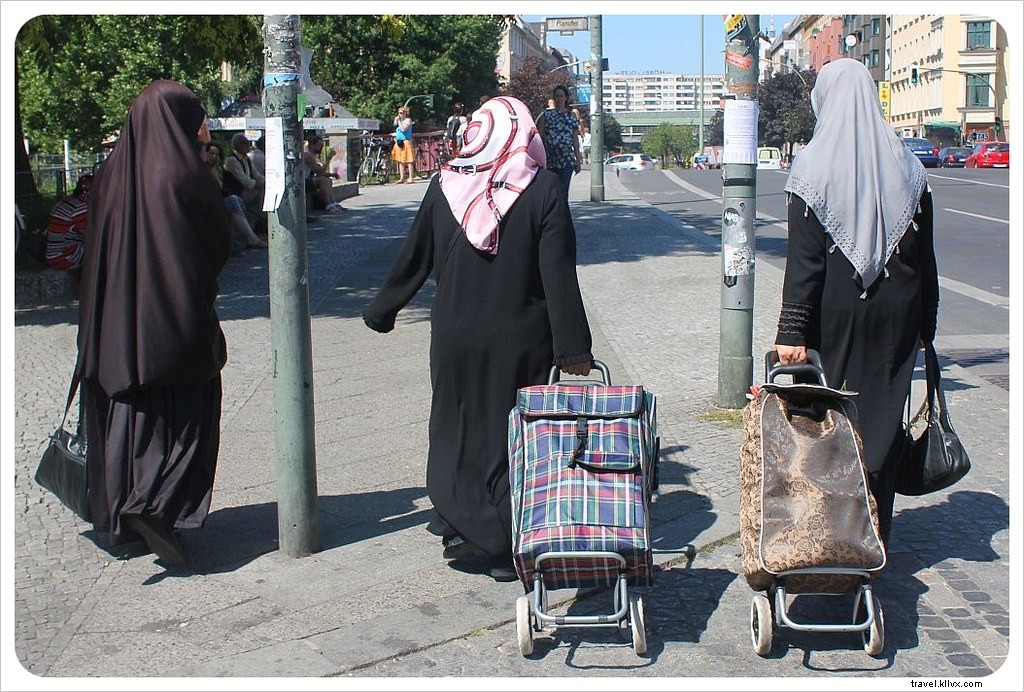
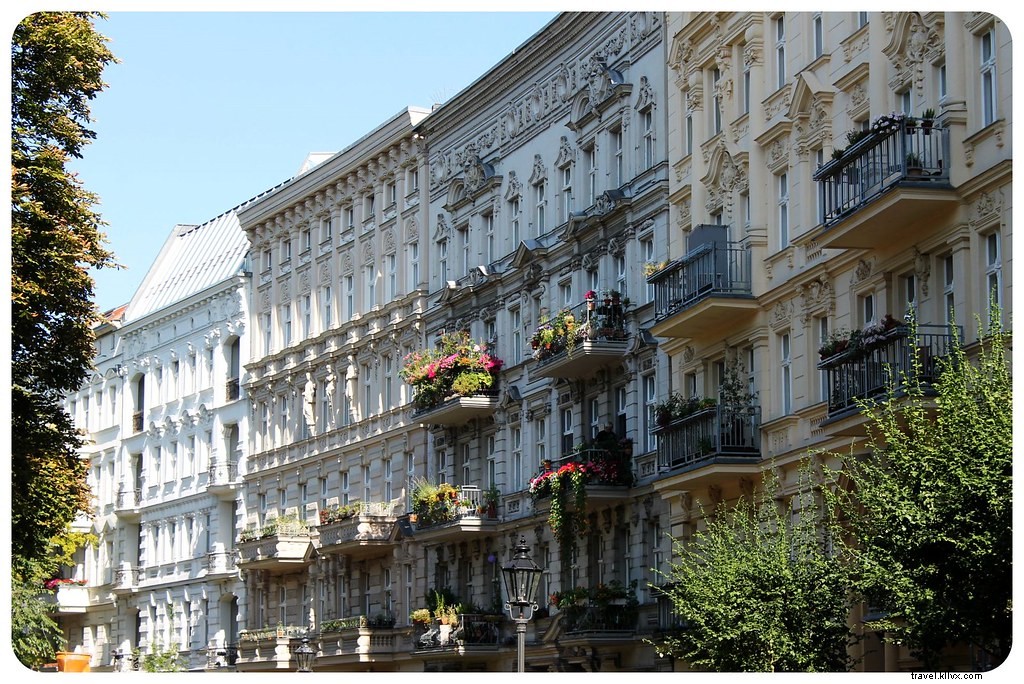
Go anyway. It's gritty, green, international, and navigable—perfect, minus an ocean. Spot us at brunch.
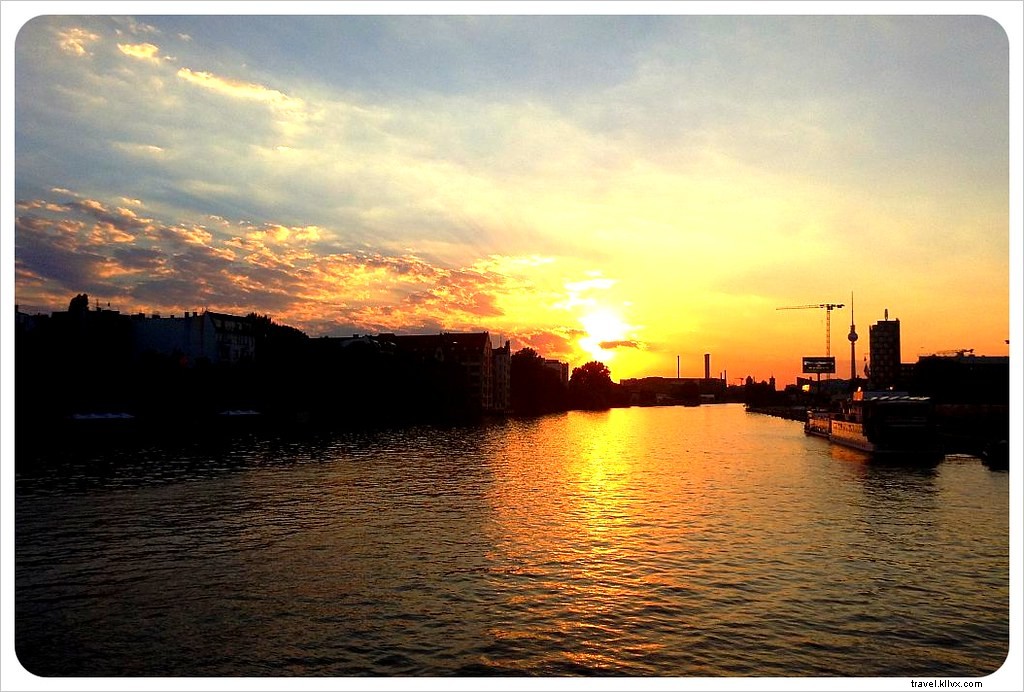
If you visit Berlin, check out our Berlin quick guide.