Argentina Travel Costs: Mastering Inflation and the Blue Dollar to Save Thousands
We often say, "We make mistakes so you don’t have to." This is the story of our biggest travel blunder in Argentina—one that cost us thousands of dollars, but armed us with invaluable lessons for future trips.
To be fair, we did our homework beforehand. Planning for six weeks in Buenos Aires, we relied on travel blogs from 2010-2011 and an outdated Lonely Planet guide. The latest Lonely Planet South America on a Shoestring wasn't released until years later. In that time, Argentina's economy had transformed dramatically.
Reported prices looked budget-friendly, akin to Central America rather than Europe or the US: private rooms at US$30/night, overnight buses around US$70, and restaurant meals for US$5–$7.
Our first error: assuming 2010-2011 exchange rates held in 2013. With inflation at 25%, prices shifted monthly, not just yearly.
The second key lesson: The official USD-ARS rate at ATMs and banks offered only half the value of the parallel "Blue Dollar" rate—an unofficial, technically illegal market exchange.
Blue Dollar vs. Official Rate
Our gravest mistake was arriving without US cash. Coming from housesitting in Costa Rica via Mexico, a quick USD stock-up beforehand could have slashed our costs dramatically.
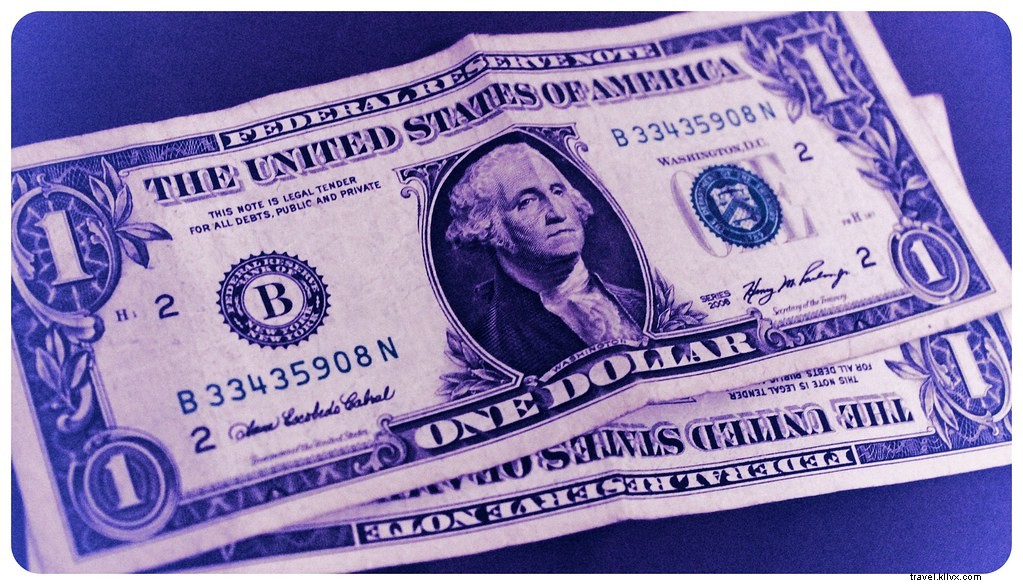 ATMs capped withdrawals at 1,000 ARS (about US$200 at the official ~5 ARS/USD rate). High costs meant frequent withdrawals, each incurring a US$4 fee. (A Charles Schwab account would have refunded these monthly—another hard-learned tip.)
Note: Citibank allowed up to ARS3,000, but despite Jess's account, we couldn't access it.
Argentina's peso and economy remain volatile, scarred by the 2002 crash when USD in banks were forcibly converted to devalued pesos. In 2011, dollar purchases were banned officially, driving them to the black market: the Blue Dollar.
Where We Could Have Saved Big
Argentines distrust their currency, hoarding USD at a premium despite the loss. For dollar-carrying travelers, this halves expenses.
During our late 2012/early 2013 stay, official rate was ~5 ARS/USD; Blue Dollar 7-8 ARS/USD. By now, with 25% inflation, it's hit 10 ARS/USD—nicknamed "Dollar Messi" after Lionel Messi's #10 jersey.
Real Impact in Dollars
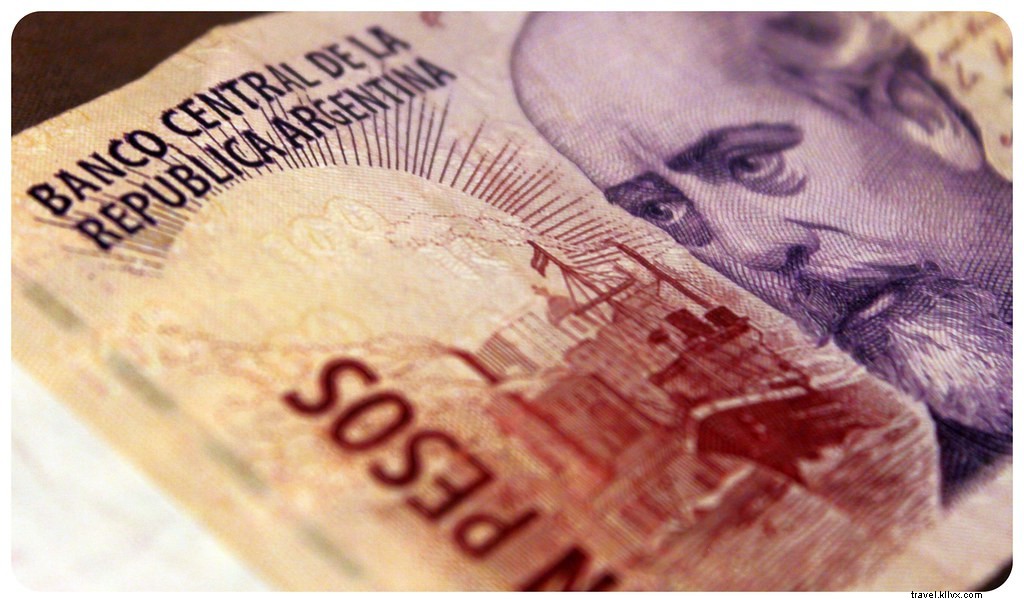 Our regret peaks here. We ignored Blue Dollar until our third entry.
Total spend: 44,018 ARS = US$8,910 (official ~5 ARS/USD). For two, that's ~US$3,000/month—matching US or Western Europe rates.
At Blue Dollar: US$6,290 (7 ARS/USD) or US$5,500 (8 ARS/USD). We overpaid by $2,600+ to the government.
Today, at 9-10 ARS/USD Blue Dollar vs. 5 official, halve costs and skip ATM fees.
How to Access Argentina's Blue Dollar Rate
Typically, we avoid this advice, but: Bring USD cash. In Buenos Aires, seek arbolitos ('little trees') on Calle Florida flashing dollar bills, leading to cuevas (caves)—disguised illegal exchanges.
Shady? Yes. Locals warned of bad change or fakes; expats use them. They're vocal: "cambio, cambio." See Business Insider for more on arbolitos.
Arbolito Alternative: Xoom
Avoid cash hauls? Use Xoom for Blue Dollar-equivalent pesos. 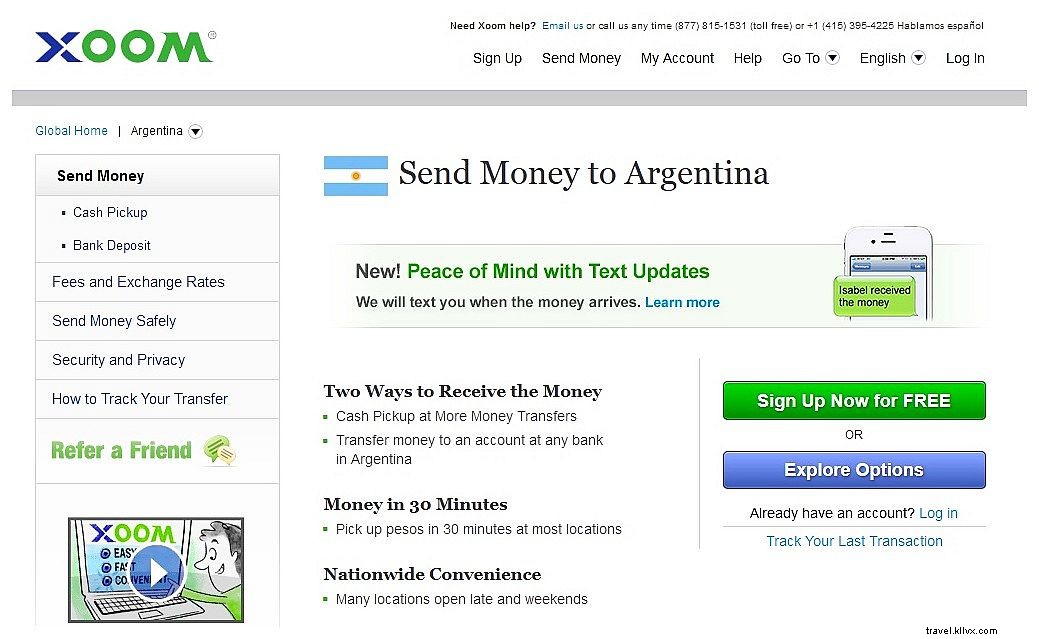 Many expats swear by it. Wire from bank/debit (US address required) to affiliates like More Money (Libertad 1057, Buenos Aires). UK: Azimo; global: Exchange4Free.
Verify ID to collect. Fees are low; savings huge. Funds ready in ~30 mins (allow 24 hrs). Confirm pickup spots outside BA.
Is Blue Dollar Legal?
Technically no, yet it's in newspapers, shops post rates, and it has a 20K-like Facebook page tweeting daily. 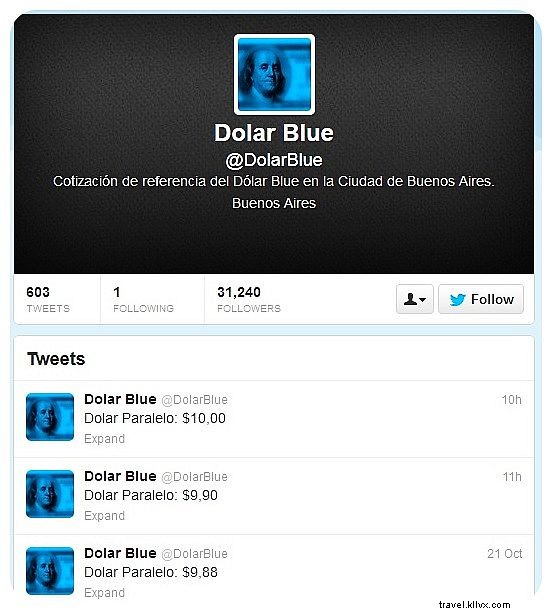 Trustworthy spots via expat forums, hotels, taxis, or newsstands.
Argentina Travel Costs: Official vs. Blue Dollar
Our 44,018 ARS = US$8,910 official over 80 days: US$111.40/day couple, US$55.70/person.
At 9 ARS/USD Blue: Same pesos = US$30.57/person/day or US$61.14/couple. Inflation was visible during our six months in/out (via Chile/Uruguay).
Our Actual Expenses in Argentina
Costs vary: Northwest (Salta) cheapest; Buenos Aires, Iguazu, Patagonia/Bariloche pricier. Averages in ARS (exchange relative). 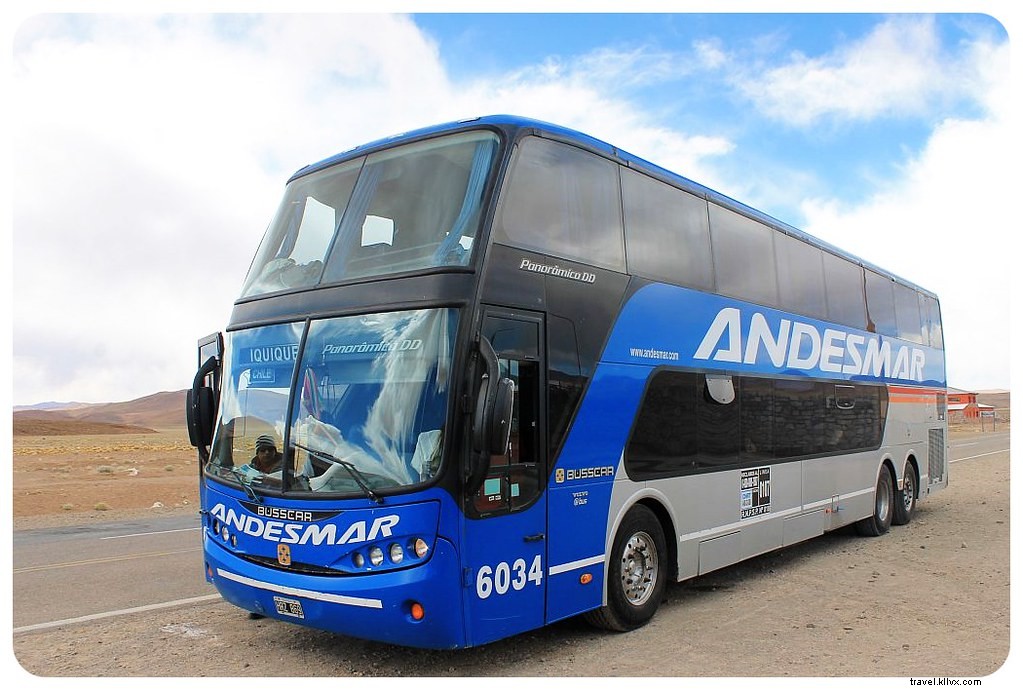
Transportation
One flight (distances huge, but buses cheaper). B.A.-Santiago overnight First Class: ARS820/person (~US$170). Others ~ARS600 Second; +ARS100 for First.
City buses: ARS4. Airport taxi: ARS200; shuttle: ARS85.
Accommodation
Avg. ARS250/double hostel room (official US$50). Low: ARS180 Tilcara; high: ARS325 Patagonia/Ushuaia basics.
Food
Dinners: up to ARS240/couple (BA ~ARS200); target <ARS150. Cheaper spots: ARS60/person.
Lunches: ARS45-60 (starter/drink); BA veggie buffets ~ARS50/couple.
Self-cook: <ARS100 groceries/wine; basics <ARS50.
Bakery: ARS6 medialunas to ARS30 sweets.
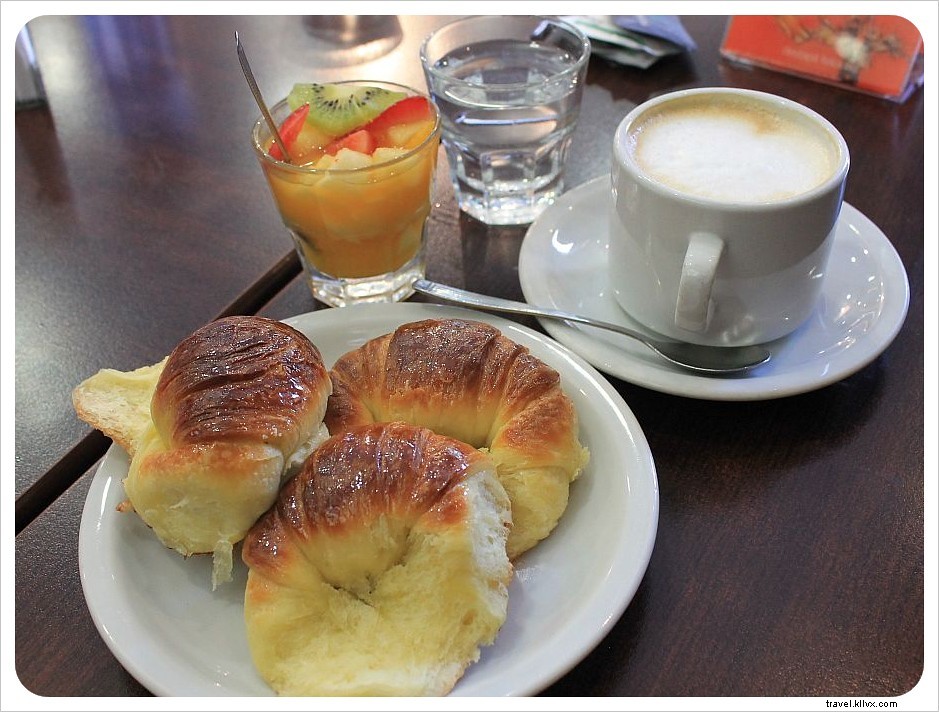
Coffee: ARS15; café con leche +3 medialunas: ARS25.
 Wine: ARS15 cheap; ARS40 good. Beer (Quilmes): ARS30-40 restaurant, ARS15 supermarket.
Entertainment/Activities
Parks, tours, museums, hikes varied. Iguazu priciest (worth it); BA museums ~ARS15.
Ushuaia Beagle: ARS300/person; Perito Moreno: ARS310 (transport/boat/park); Nahuel Huapi: ARS50; Quebrada tour: ARS100. BA empanada class: US$55; graffiti: $25. Much free.
Conclusion
Argentina exceeded expectations cost-wise, but smart exchanges make it budget again. Use Xoom, arbolitos (cautiously), or hotel locals for Blue rates. ATM? Fee-free accounts only.