
How to Beat Jet Lag Fast: Proven Tips After Long-Haul Flights
Picture this: You've landed after a long-haul flight, excited to unwind or explore your destination. But jet lag strikes—insomnia prevents even a quick nap, leaving you exhausted and frustrated, or overwhelming sleepiness derails your plans.
Jet lag is a common response to crossing multiple time zones, as your body's internal clock struggles to adapt to the new schedule. The good news? You can help it realign with these expert-backed strategies.
Break Up the Journey
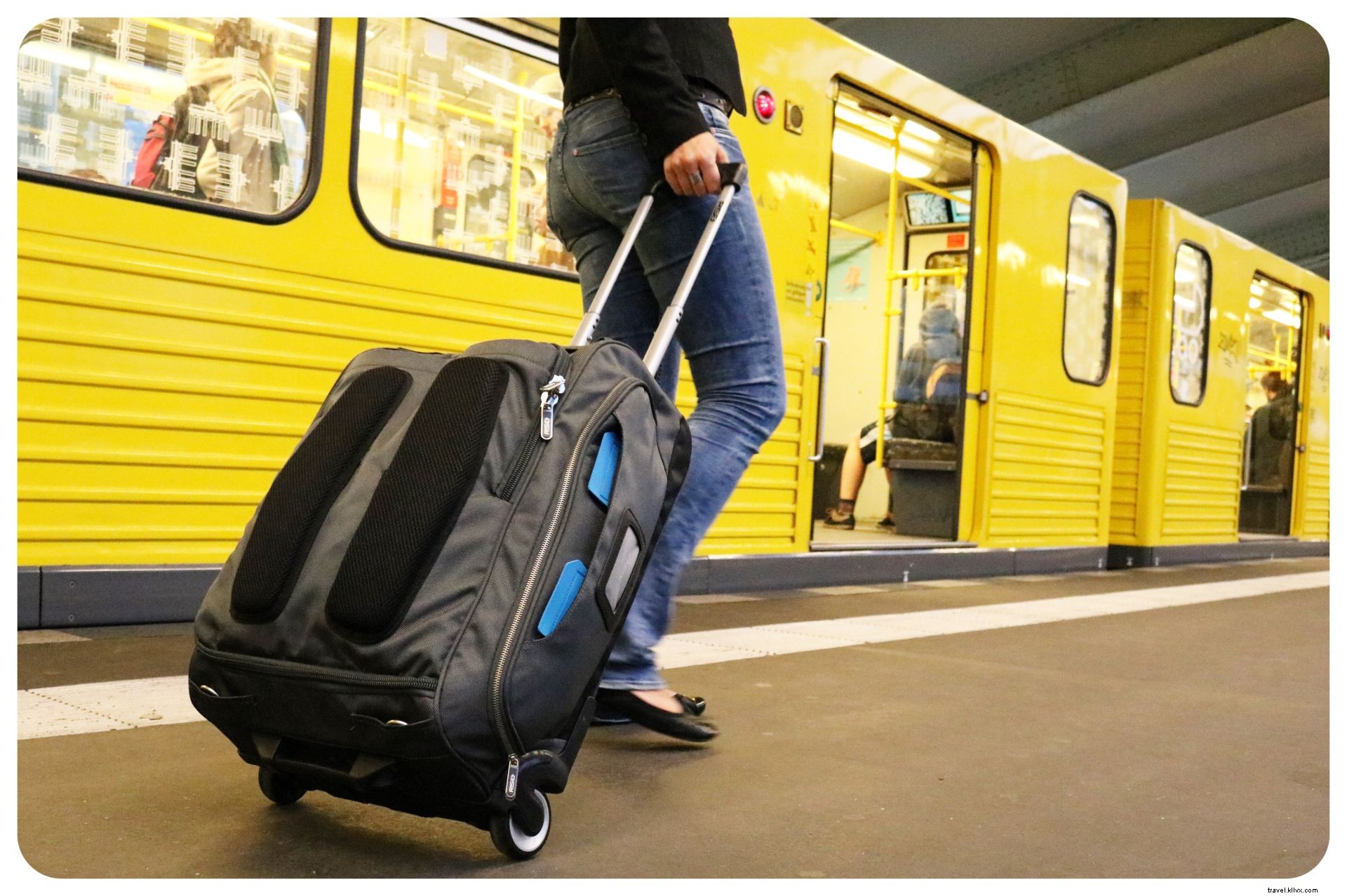
The most effective way to prevent jet lag is to split long trips into shorter segments, giving your body time to adjust gradually.
Stopovers offer bonus perks: enrich your itinerary with extra destinations—now easier with easing COVID-19 restrictions—and often lower costs, as airlines price shorter flights more affordably.
Adjust Smartly in Advance
Your circadian rhythm follows predictable patterns. Anticipate it by shifting your sleep schedule gradually before departure, moving bedtime and wake-up by 1-2 hours daily toward the destination time.
Use online sleep calculators to determine optimal sleep windows based on your habits and biology. These tools align with your natural cycles, easing adaptation and promoting better rest.

Morning Energizer Routine
Arriving during daylight hours helps immensely—the natural light and excitement keep you alert until bedtime.
The next morning, fuel up with a protein-rich, antioxidant-packed breakfast to combat fatigue. Follow with light exercise like walking or stretching to boost circulation, oxygen flow, and endorphins. Even simple in-flight stretches make a difference.
Stay Hydrated
Avoid alcohol, salty or heavy foods, and caffeine-laden drinks like coffee or energy beverages. These provide short-term boosts but worsen jet lag symptoms and sleep quality later.
Prioritize water, milk, or low-caffeine tea to hydrate and support recovery during this physiological stress.
Skip Sleeping Pills—Opt for Melatonin if Needed
Prescription sleep aids offer temporary relief but often cause grogginess and disorientation, counterproductive for jet lag.
Melatonin, a natural hormone that signals sleepiness, can be a safer supplement in regulated doses. Still, allow your body natural recovery time after travel exertion.
Create a Sleep-Friendly Environment
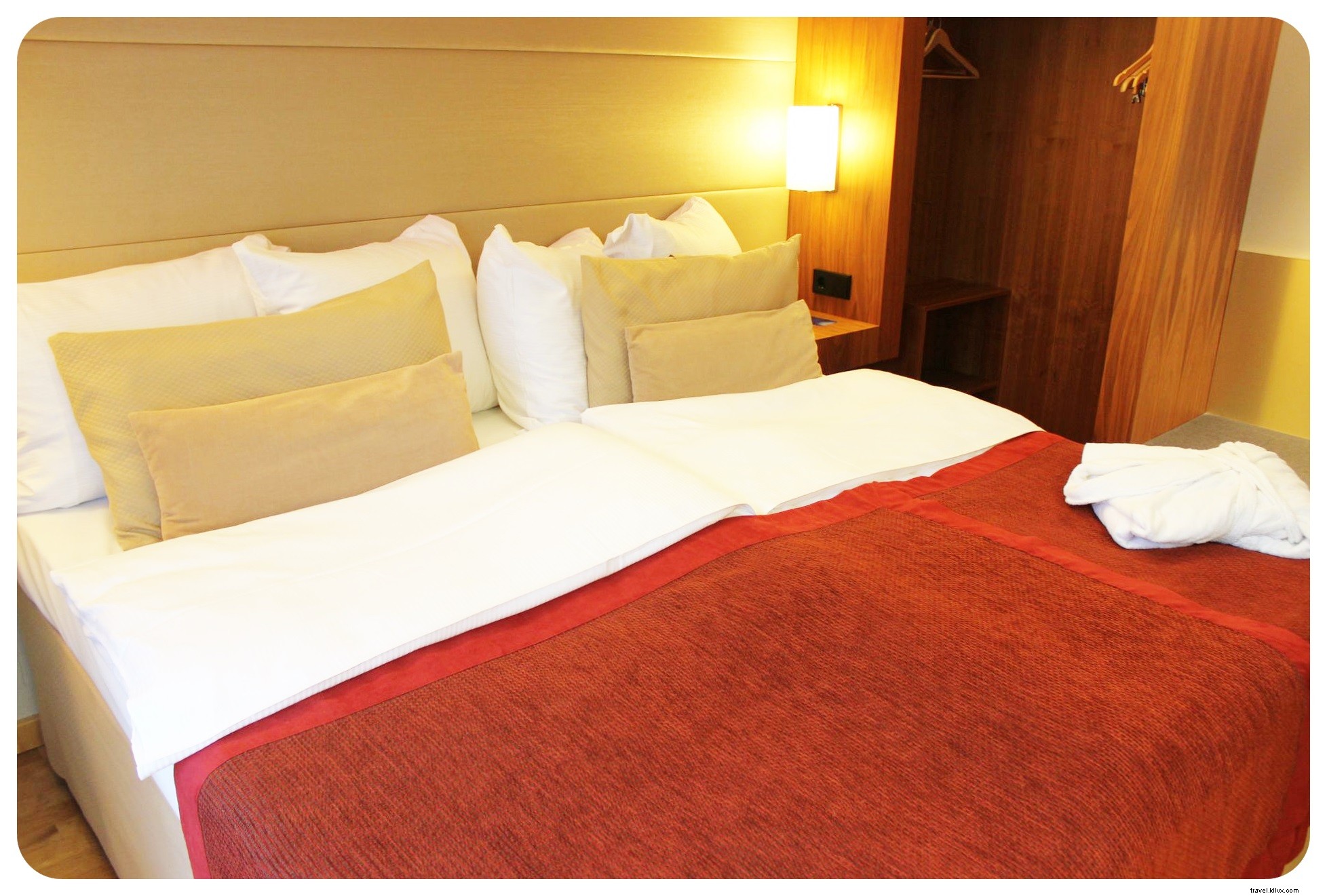
Replicate home bedtime rituals to cue your body for rest.
- Avoid screens and blue light for at least 30 minutes before bed—it suppresses melatonin and fuels insomnia.
- Sip something warm like milk or chamomile tea for its soothing, low-caffeine effects.
- Practice meditation or reading to clear your mind, reduce stress, and enhance sleep quality.
Jet lag affects everyone differently based on age, health, and habits, but these reliable tactics—drawn from sleep science—will help you recover swiftly and enjoy your trip.