How to Choose Your First Surfboard: Key Factors for Beginners
Your first surfboard is a milestone you'll cherish forever—the one that taught you to ride waves. With so many options in types, designs, and prices, selecting the right board as a beginner can feel daunting. The good news? Focusing on a few key factors will help you find a board that supports your learning journey and gets you catching waves consistently.
1. Type
A surfer's experience level determines the ideal board type. Innovations in design, materials, and construction—like those in Firewire surfboards—can enhance performance, but beginners should prioritize boards built for stability and ease. 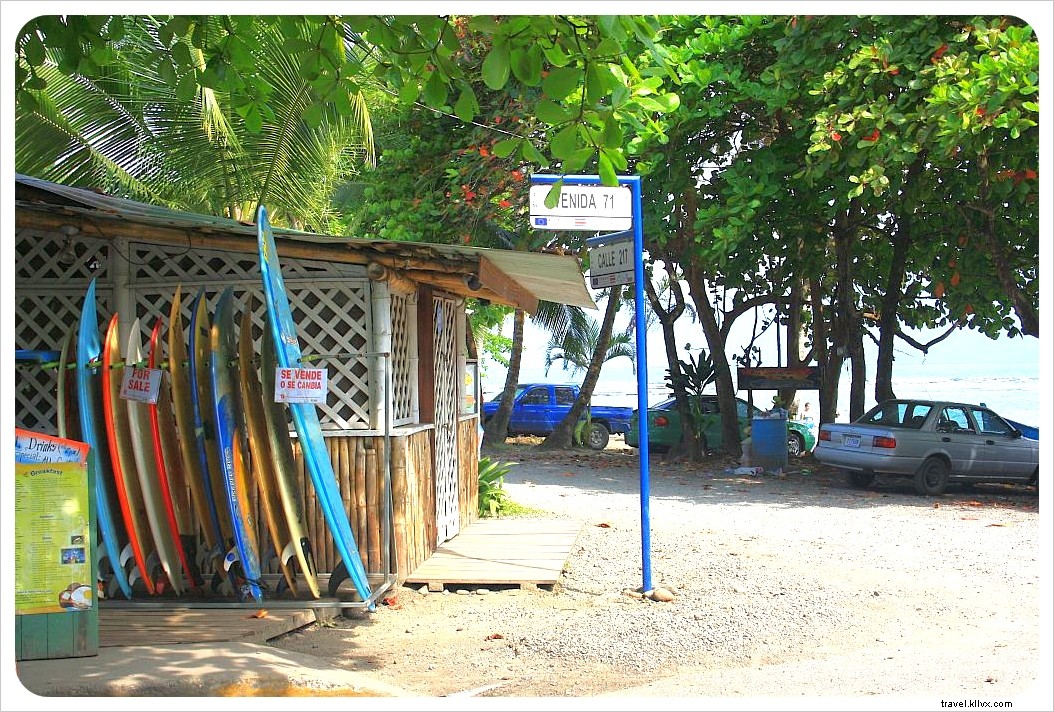
-
Foamboard (Foamie)
Perfect for beginners, these soft foam boards offer excellent stability, making it easier to catch waves and stand up. Their forgiving nature reduces injury risk to yourself and others during those early wipeouts.
Seek beginner-friendly spots like Mancora, Peru, with its sunny weather, consistent swells, and affordable instructors.
-
Funboard (Mini-Mal)
These wider, thicker boards suit novices, providing longboard-like paddling ease and shortboard maneuverability. Customizable to your ability, they're versatile for learning.
Try Kuta, Bali—sunny, with consistent swells, warm water, and space to practice without crowding experienced surfers.
-
Fish Board
Shorter yet wider than shortboards, fish boards excel in balance and wave-catching on medium waves, maintaining speed in messy conditions.
Byron Bay, Australia, offers year-round perfect waves in a relaxed, surf-centric community—ideal for local learners. 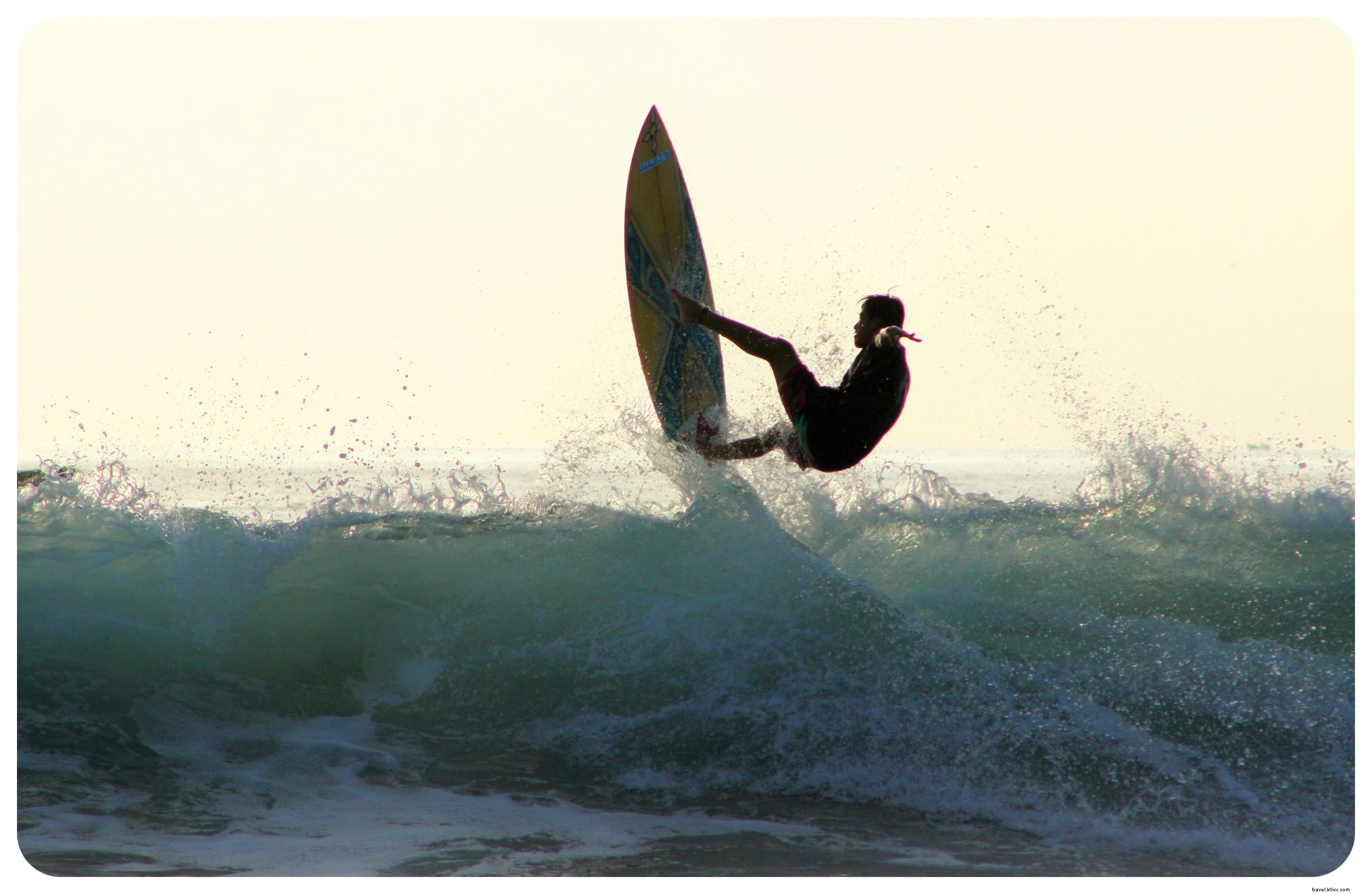
2. Volume
Volume—a measure of length, width, thickness—must match your weight, height, and skill. Beginners need higher volume for stability; lighter riders require less than heavier ones. Use online calculators to find your ideal volume based on stats and experience.
3. Design
Tail, rails, and fins depend on your skill, wave type, and conditions. Beginners benefit from larger tails for stability, flotation, and speed. In spots like Biarritz, France, with reliable waves, a square tail handles various conditions well.
4. Dimensions
Once volume and design are set, consider length, width, and thickness. Longer boards suit bigger waves; shorter ones, smaller waves. Wider boards boost buoyancy and paddling for beginners; thicker ones enhance stability and ease of paddling.