
Nongriat Living Root Bridge: Why It's No Longer Worth the Hype
Planning to visit living root bridge in Nongriat? Let me warn you: it’s not worth it anymore!
I remember the last time I visited Nongriat, back in 2015, I stayed there for a week. Every morning, I would walk to the double-decker living root bridge and spend my day there relaxing and reading a book. If I get a little bored and feel alone, I would take a dip in the surrounding fresh-water pools and a group of fish would come to meet me, biting the dead skin off my body.
Back then, there were no restrictions to enjoy this man-made wonder in Nongriat. You could spend the entire day sitting on the double-decker living root-bridge if you like.
The entry fee was moreover 20 Rupees for a day (or free for those staying in Nongriat).
Read: My Previous Visit To Nongriat
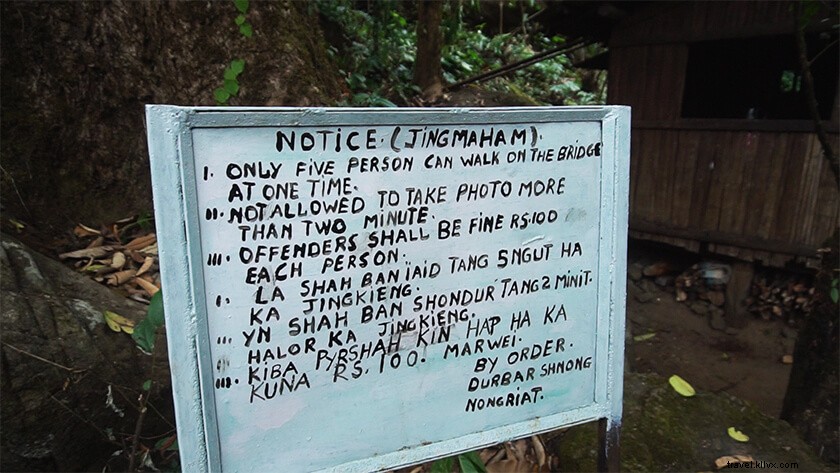
5-years later, mass-tourism has changed it all. Now, bathing in the pools is strictly prohibited, walking the double-decker living root bridge in a group of more than 5 people isn’t allowed. There is moreover a bar of 2-minute-time if someone wants to stand on the living root-bridge and take a selfie.
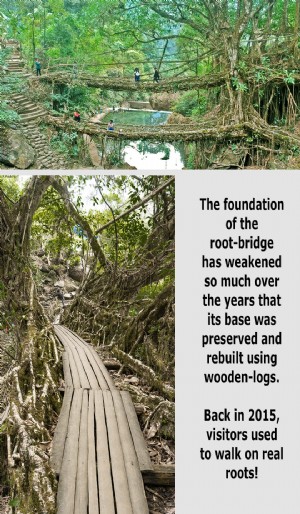
And honestly, the restrictions are quite valid. If you’ll compare the-then picture of the double-decker root-bridge with that of today, you will see the difference. Mass-tourism has killed Nongiat’s only charm.
The double-decker root-bridge, that was known for its beauty, is slowly dying!
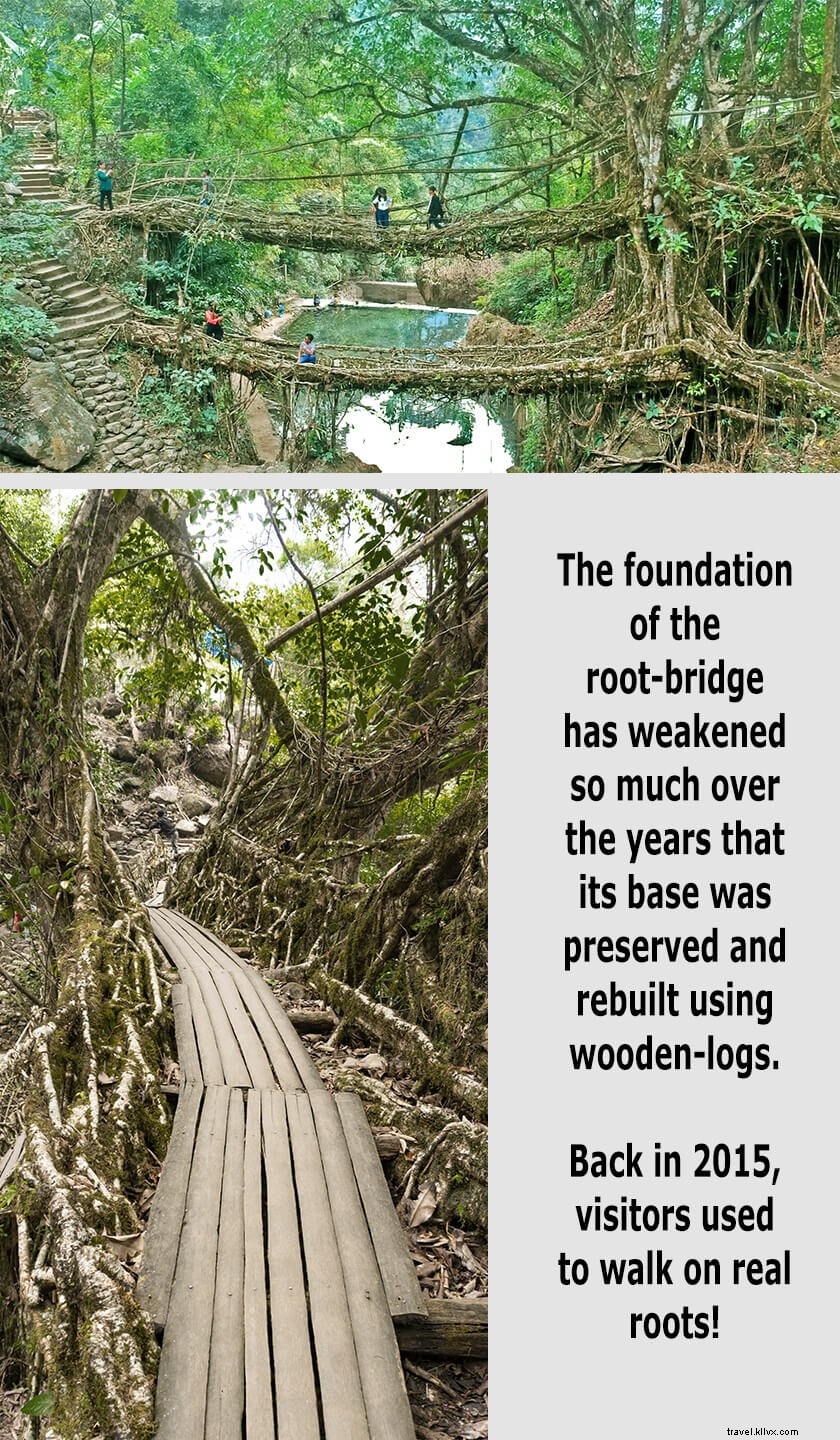
So, this time as I revisited Nongriat and saw the root-bridge, I entered a moment of self-questioning. I blamed myself for putting Nongriat on world map five years ago. “If I hadn’t done promoted Nongriat, this place would still be the same” I remember questioning myself.
But then, I was only promoting a destination. And I have, moreover, always advised people to travel solo, travel responsibly, and follow minimalism.
It is those tour-companies who focus only on mass-selling that are to be blamed. Just like a ship would sink if you put extra load on it, a tourism destination will wreak havoc too if we won’t filter out the traffic and let it overpopulate.
Also Read: How Overtourism Has Killed Dawki River
Tourism cannot be a tool of destruction if done the right way, and we have countries like Norway and Switzerland, & Indian states like Sikkim validating the statement.
But if you let mass-tourism happen it can actually destroy places. Examples of what happened in Barcelona when locals resisted or how tourism killed Mallorca. They are all learning examples.

The Story of Nongriat And The Double-Decker Living Root Bridge
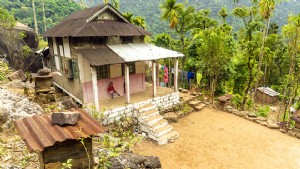
When I first visited Nongriat, in 2015, it had a total of 2 homestays, run by the Tourism of Meghalaya and a local family.
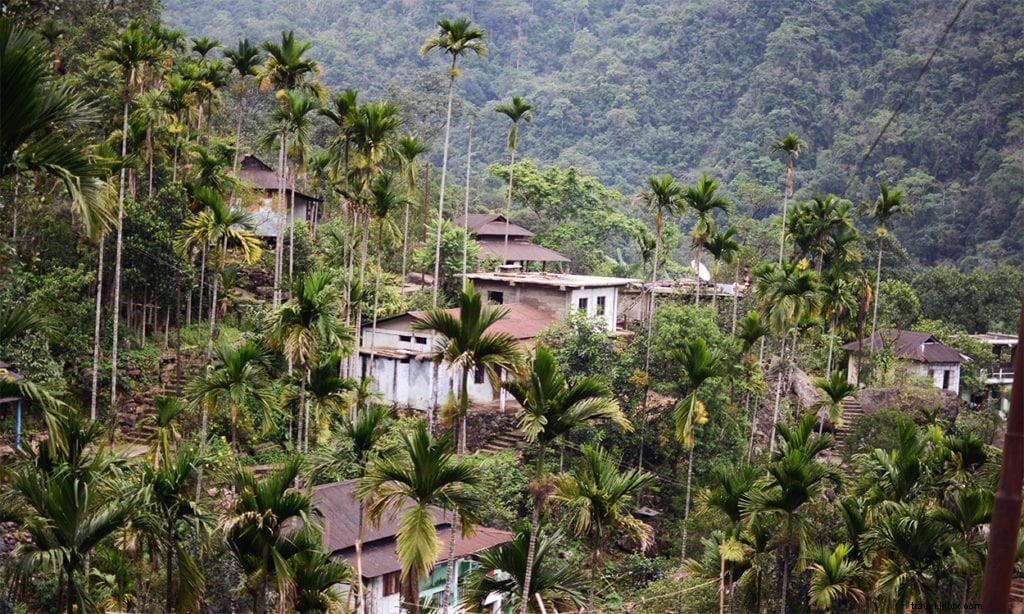
5 years later, Nongriat gets nearly 10 homestays. Total occupancy increases to nearly 30 tourists.
Nongriat’s natural and cultural destruction happened because of poor regulations by local authorities.
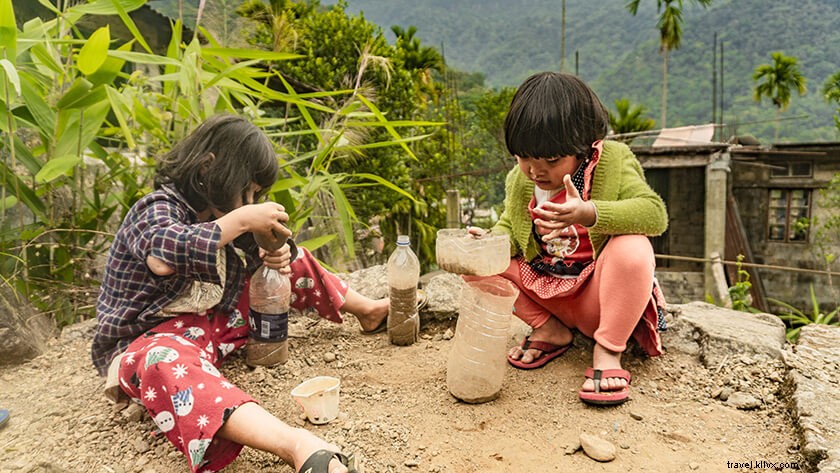
Where last time I found local families in Nongriat too welcoming and heart-warming, this time they were too busy to even speak to. Kids were busy selling beetle-nuts and fake ‘natural honey’. The root-bridge was counting its last few days!
But that doesn’t mean that everyone visiting the living root bridge in Nongriat is hating is. I have met a lot of travellers and bloggers who loved it in whichever state and shape it is in today. Having said that, if you still plan to visit Nongriat check these photos of living Rootbridge and Nongriat village on the National Geographic website for some inspiration.
What Next?
We can only solve the problem of Overtourism by a joint effort. Having said that, we cannot just point fingers and blame others. Tourists and local authorities need to come together as one force to save tourist destinations. Here’s an article I have written about tackling the issue better: effects of Overtourism