Stunning Blue Destinations Worldwide to Celebrate This Month's Rare Blue Moon
Iceland’s Blue Lagoon
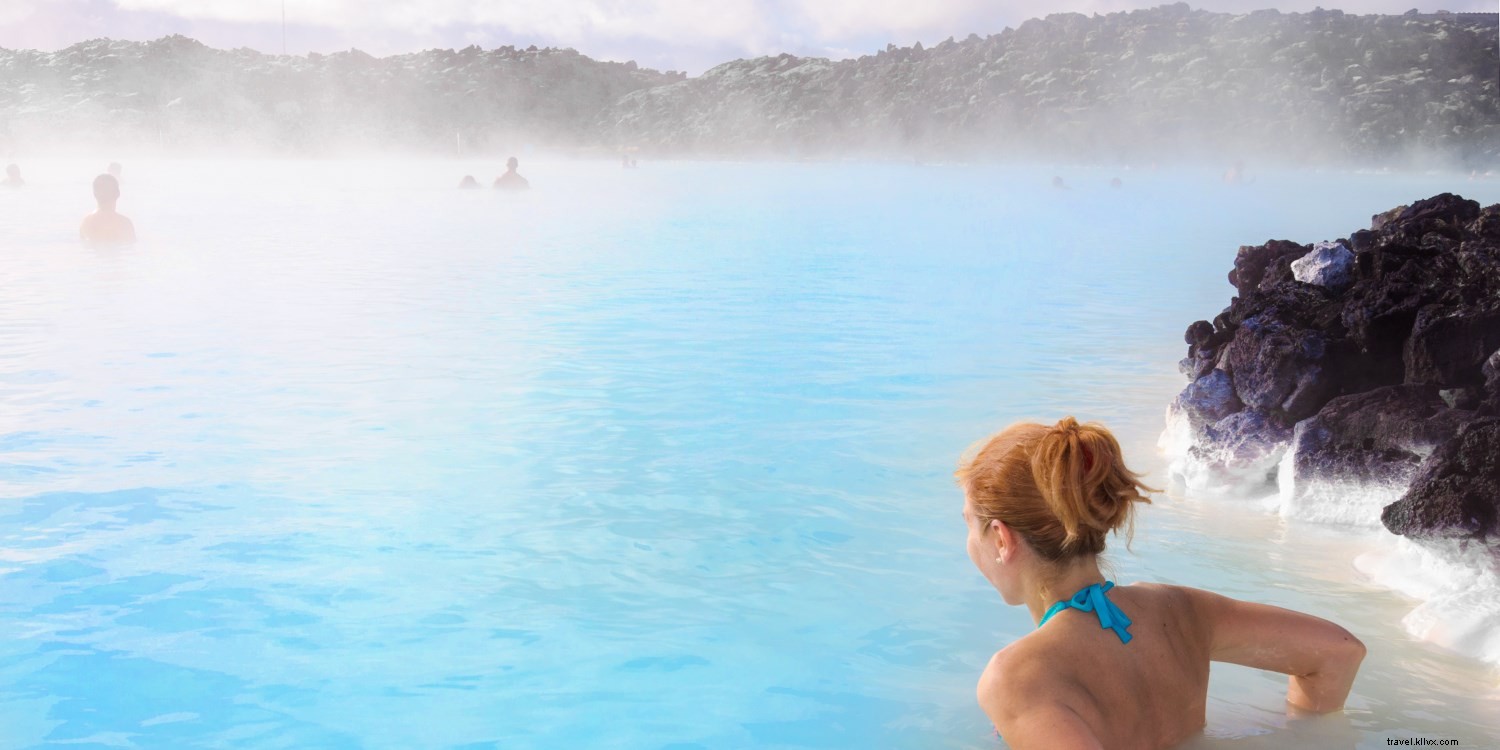
Celebrity visits like Kim Kardashian’s in April have spotlighted Iceland’s iconic geothermal spa, but the Blue Lagoon has long been the country’s premier attraction. Its milky teal waters, enriched with sulfur and silica, offer skin-exfoliating benefits, particularly for conditions like psoriasis. Water temperatures can reach 104°F in spots, and it remains open year-round amid Iceland’s harsh winters. Modern amenities include restaurants, a rooftop sauna with panoramic views, floating spa mattresses, a swim-up bar, and steaming waterfalls.
Istanbul’s Blue Mosque
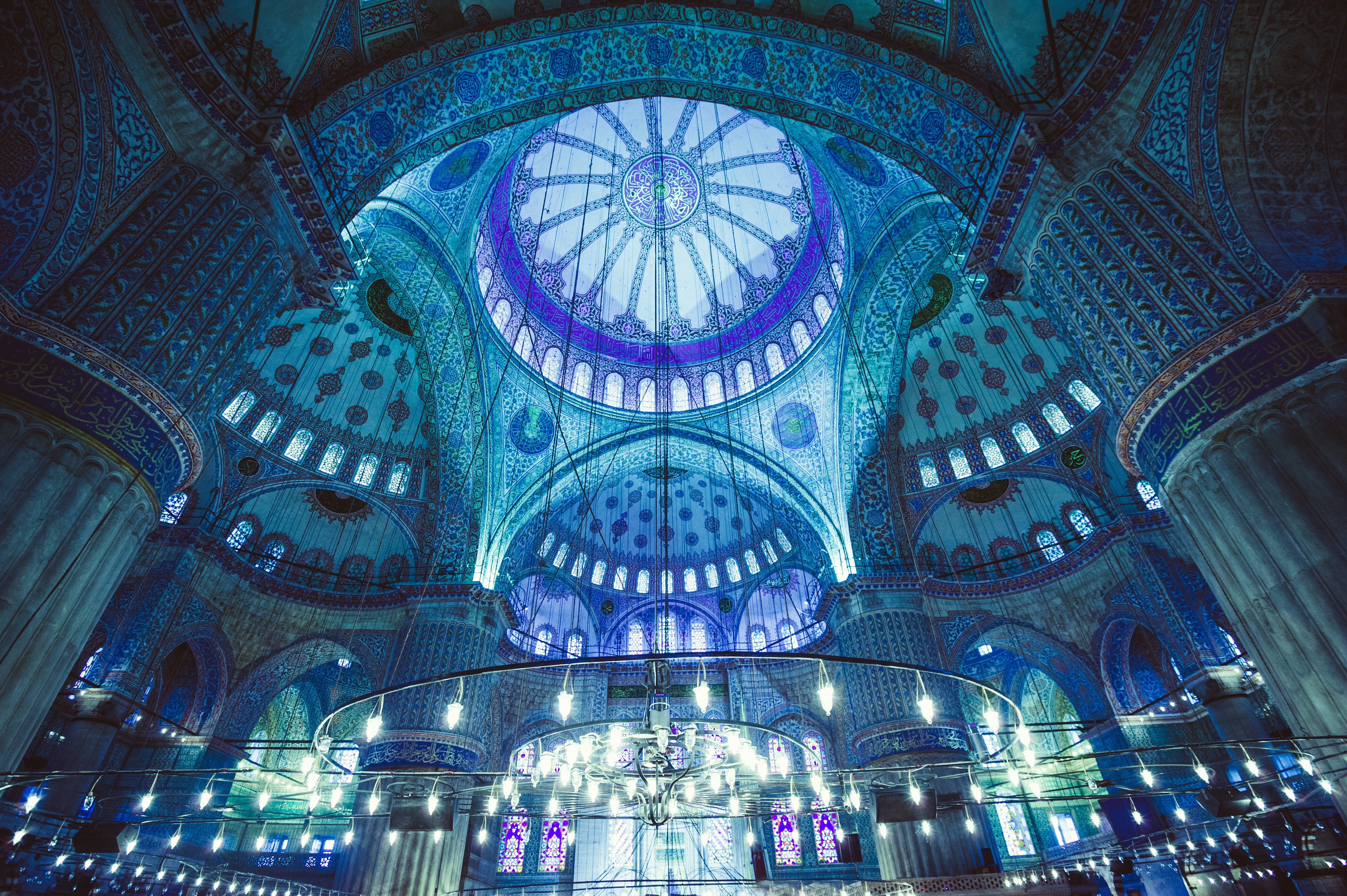
Officially the Sultan Ahmet Mosque, this 17th-century masterpiece—built under Sultan Ahmed I—earns its nickname from over 20,000 handcrafted blue Iznik tiles lining its interior. A must-see for visitors, it remains an active mosque, closing for the five daily prayers. For optimal views, approach from the west via the historic Hippodrome, the designated entry for non-Muslims.
Chefchaouen, Morocco (The Blue City)
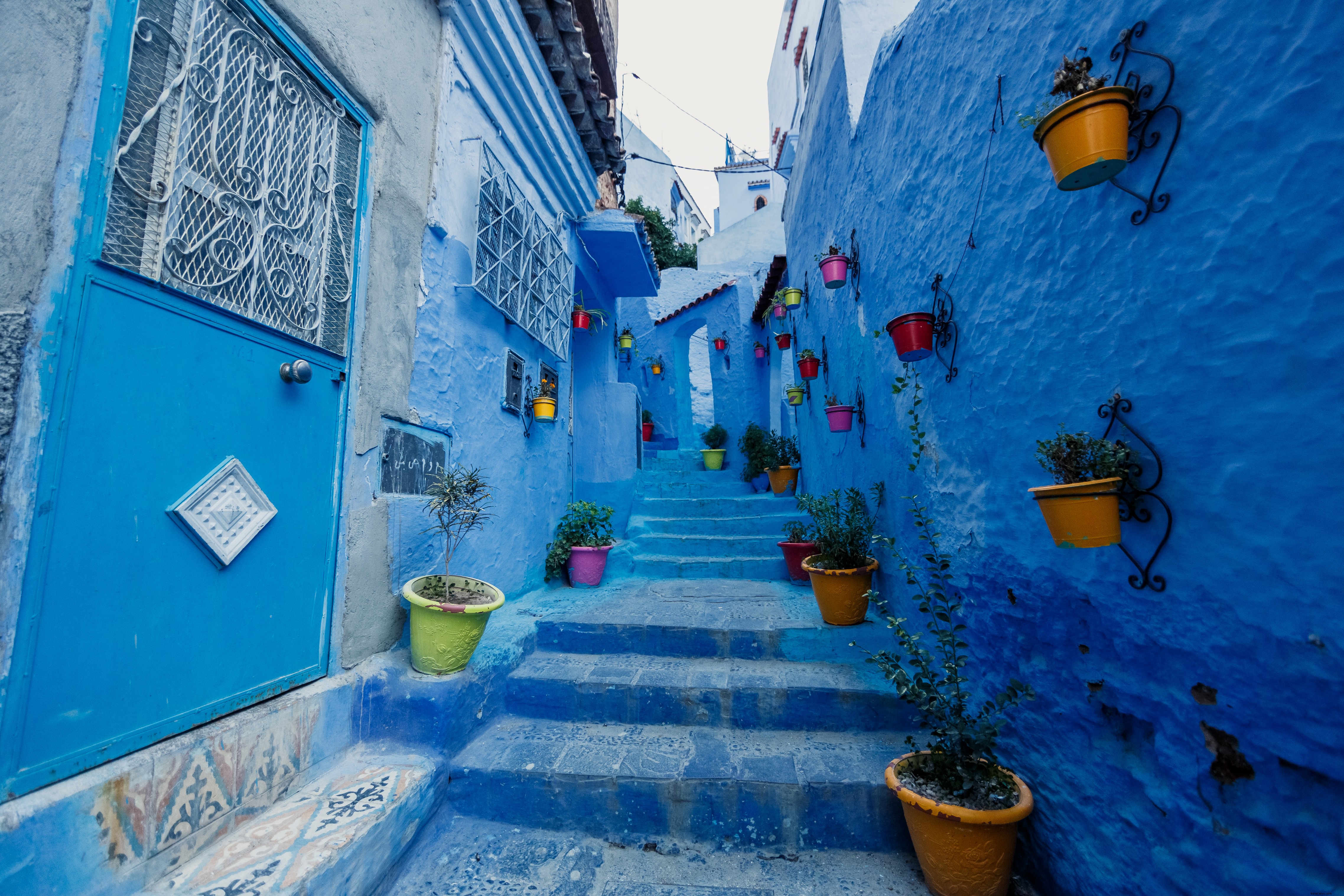
Established in 1471 as a fortress against Portuguese invaders, this Moroccan hillside town overlooks the ocean. Legend holds that Jewish refugees from the Spanish Inquisition painted its buildings blue to evoke the sky and divine presence. Today, the vivid blue palette adorns homes, synagogues, plazas, and even bins, creating a surreal, photogenic paradise.
Malta’s Azure Window (Gozo)
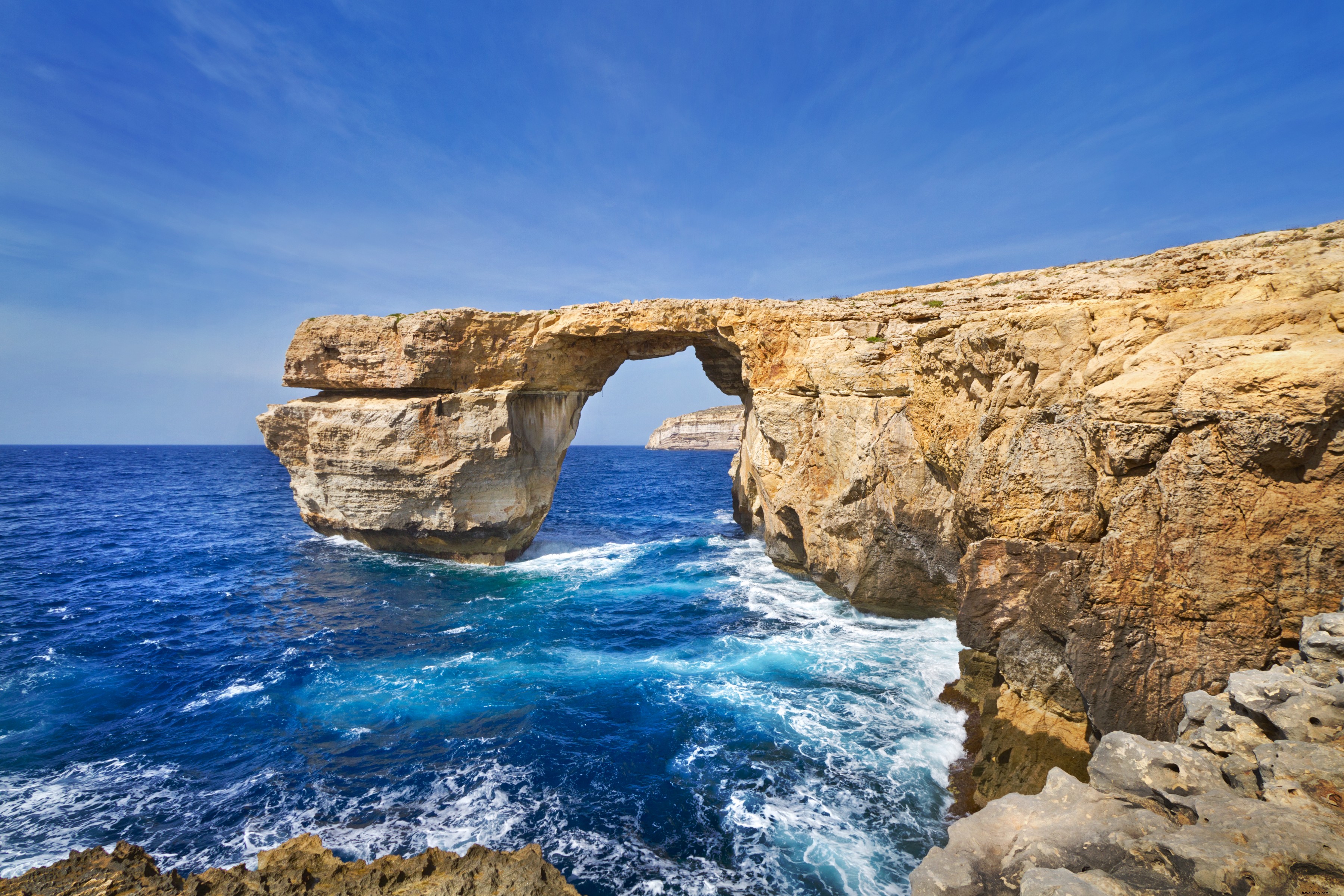
Famously the dramatic wedding site for Daenerys and Drogo in Game of Thrones, this natural limestone arch on Gozo’s Dwejra coast drew divers to its vibrant blue waters teeming with octopuses, fireworms, and seahorses. Ideal for swimming and boating, the 328-foot arch tragically collapsed in 2017 due to erosion, but the site’s underwater wonders endure. Note: Cliff diving was illegal and highly dangerous.
Great Blue Hole, Belize
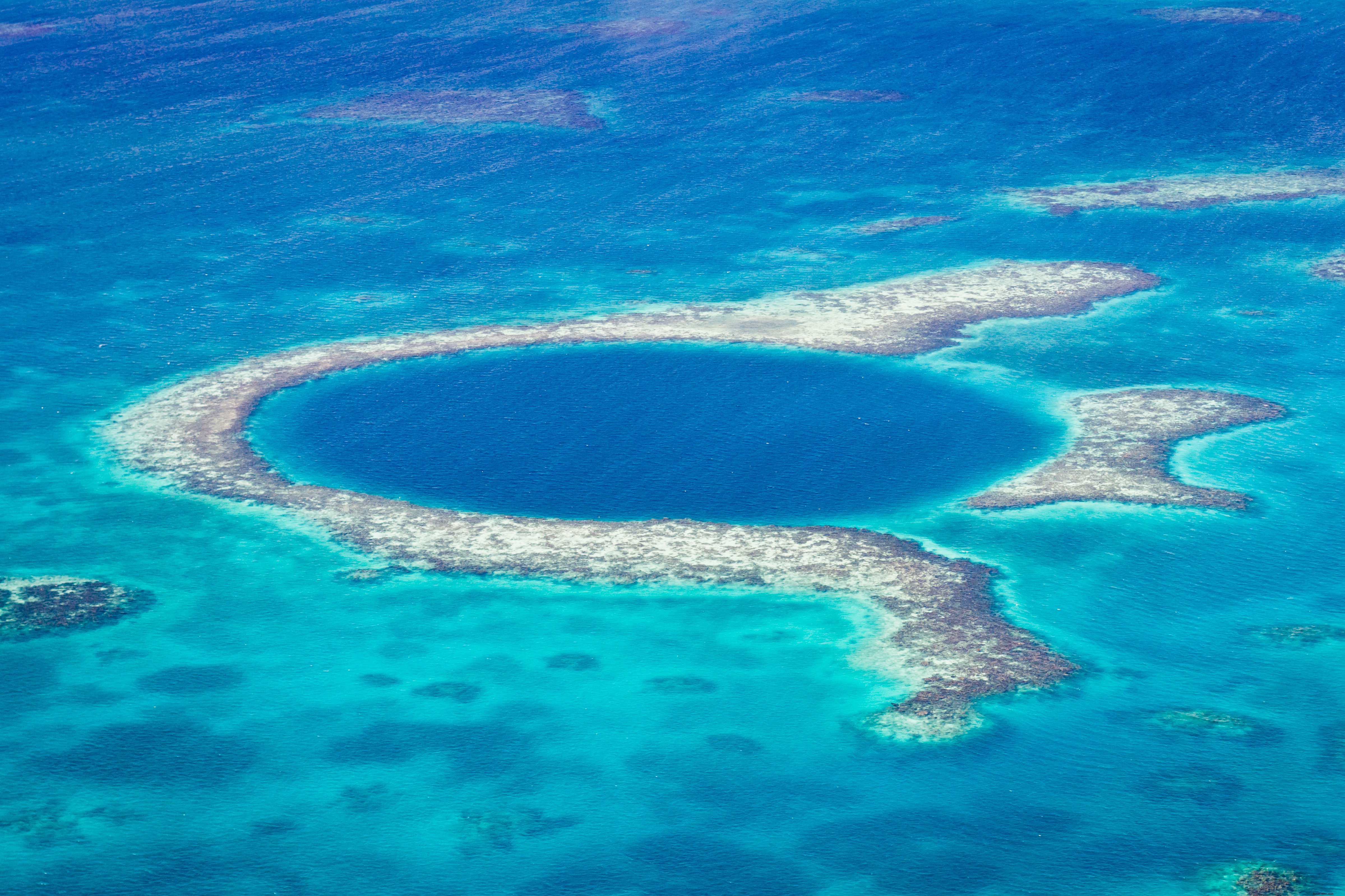
Nestled in Belize’s Lighthouse Reef, this massive underwater sinkhole—nearly 1,000 feet wide and over 400 feet deep—is the world’s largest. Formed as a limestone cave during the last Ice Age around 12,000 years ago, it collapsed into the iconic blue abyss. Explorer Jacques Cousteau named it a top-10 dive site in 1971, and its midnight-blue depths contrast stunningly with surrounding turquoise reefs, visible even from space.
Australia’s Blue Mountains National Park
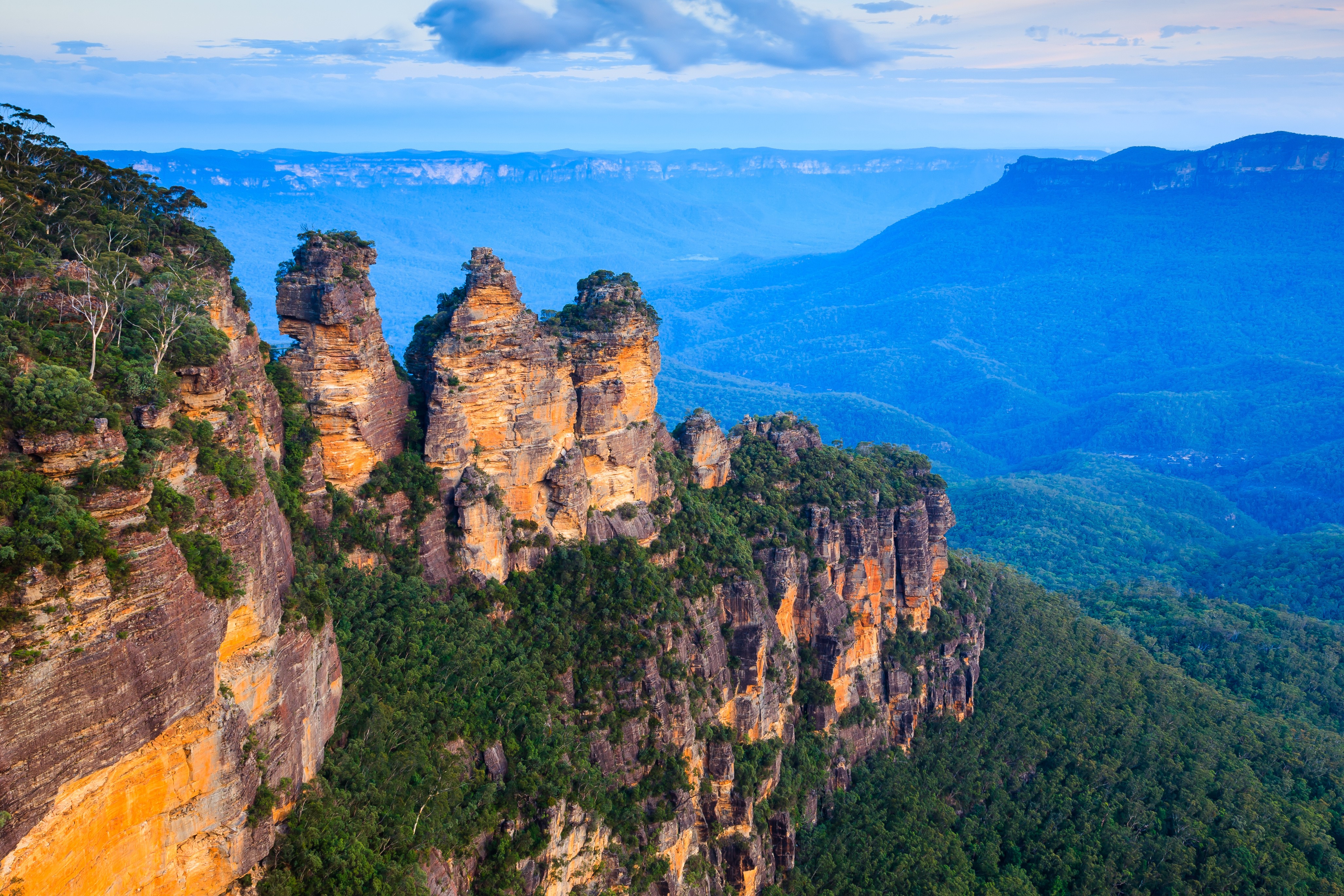
Home to Aboriginal peoples for millennia and later European settlers, New South Wales’ Blue Mountains span one million hectares of eucalyptus forests, sandstone cliffs, waterfalls, and bushland. The signature blue haze arises from oil mists in sunlit leaves refracting light, visible from Sydney, 40 miles away. UNESCO designated it a World Heritage Site in 2000 for its natural splendor.