20 Stunning Photos from Venice Carnival: History, Costumes, and Insider Tips
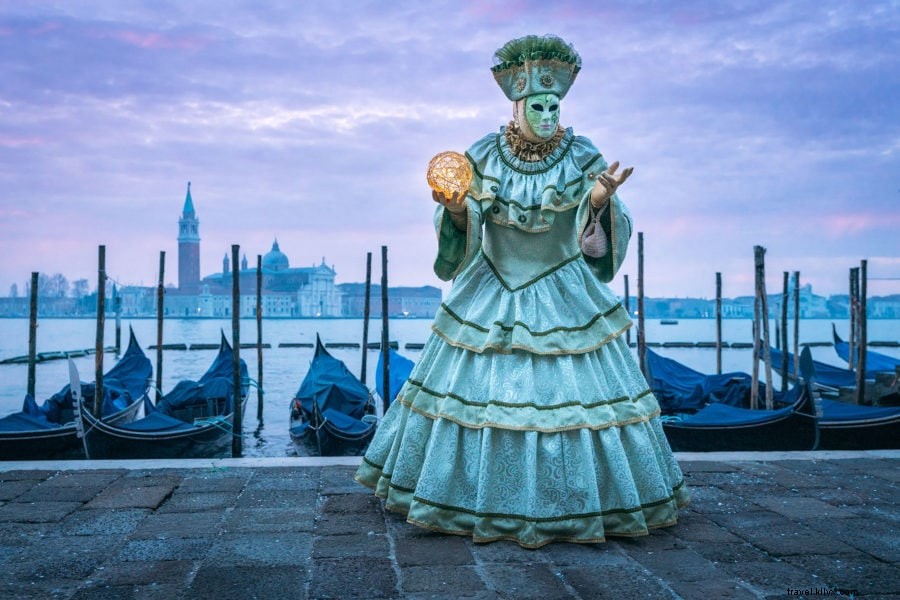
Venice, Italy
Although recent Venice Carnivals have been impacted by the global pandemic, relive the vibrant spectacle through these favorite photos from the 2019 celebration, captured during my personal visit.
Venice Carnival is an iconic annual tradition where participants don elaborate masks for lavish parties and parades in this historic Italian city.
Today, masks serve a different purpose amid health concerns, but their festive legacy endures.
Italy's Carnevale di Venezia typically begins in early February, but was curtailed after just three days in 2020 as COVID-19 escalated. The last full event in 2019 offered an unforgettable experience: while living in Italy, my wife Anna and I traveled by train from Verona to immerse ourselves in the festival.
Discover my top 20 photos from Venice Carnival below for a vivid glimpse into this magical event. Let them inspire your future travels to Italy when safe.
1. A Brief History of Venice Carnival
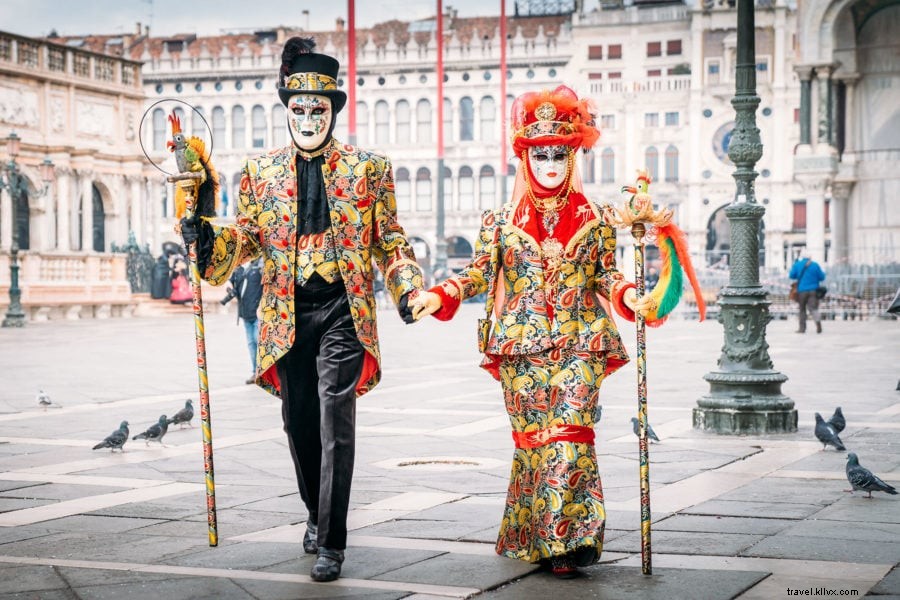
Inspired by ancient Greek and Roman festivals, Venice Carnival allowed ordinary citizens to don anonymous costumes and satirize the aristocracy without reprisal.
Records date back to 1094, when Doge Vitale Falier referenced "carnevale" in documents describing public entertainments.
2. Origins on Shrove Tuesday
In 1162, Venice's Republic triumphed over Ulrico, Patriarch of Aquileia. To celebrate, they slaughtered a bull and twelve pigs in Piazza San Marco around Shrove Tuesday, the eve of Lent.
Carnevale di Venezia was formally noted in 1268, and by 1269, the Senate proclaimed the day before Lent a public holiday.
3. Times When Carnival Was Canceled
Carnival's anonymity enabled crimes, leading to its ban for nearly two centuries starting in 1798 under Austrian rule. It was also prohibited in the 1930s under Italy's fascist regime but revived in 1979 to showcase Venice's cultural heritage.
Today, it draws around 3 million visitors annually.
4. Experiencing Venice Carnival on a Budget
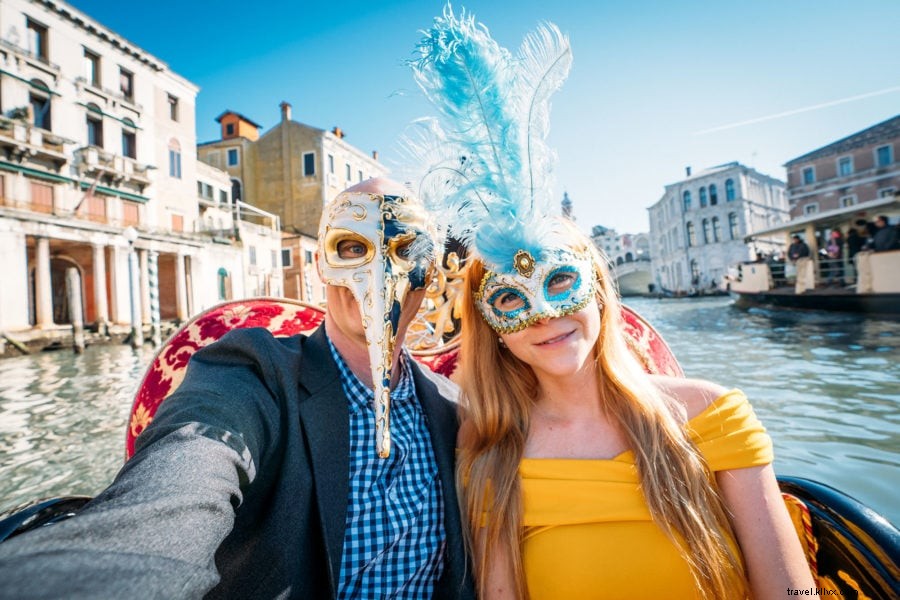
Venice Carnival can be pricey—hotels book up early, costume rentals start at €200 per day, and balls cost €500 per ticket. Yet, it's accessible affordably: visit midweek, purchase a simple mask, and enjoy free concerts, plays, public events, and street spectacles.
5. Traditional Venetian Masks
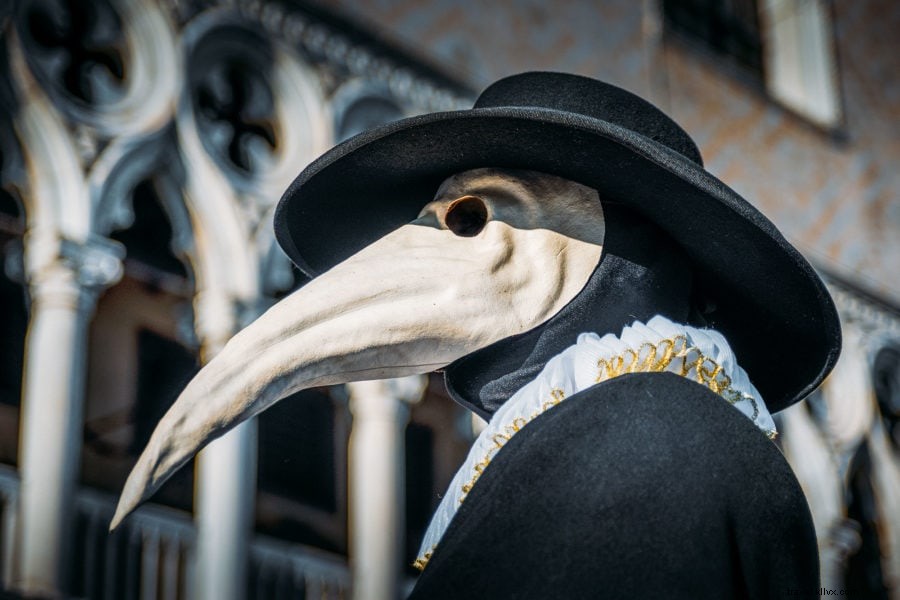
Modern revelers sport diverse masks, but classics persist: Bauta, Moretta, Gnaga, Medico della Pesta, Pantalone, Arlechino, and Colombina.
The Medico della Pesta, or Plague Doctor, originated as protective gear during Venice's devastating plagues. From 1629–1631, the Black Death claimed 46,000 lives (about 33% of the population), embedding this somber history into Carnival traditions.
6. When Does Venice Carnival Occur?
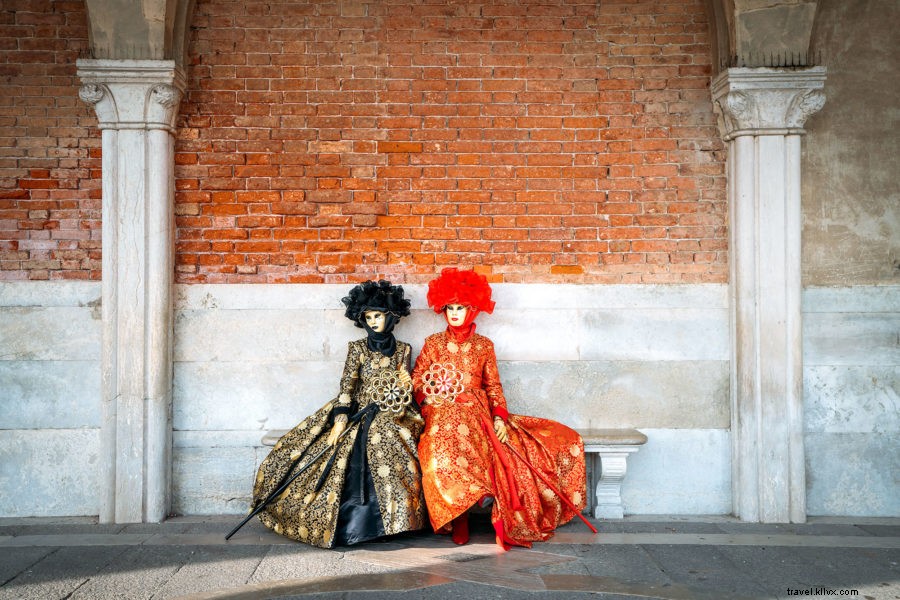
Held annually in winter—typically early February or late January—the two-week event peaks on weekends. Our midweek visit in 2019 dodged peak crowds while capturing the essence, defying expectations of overwhelming busyness.
7. The Gnaga Mask
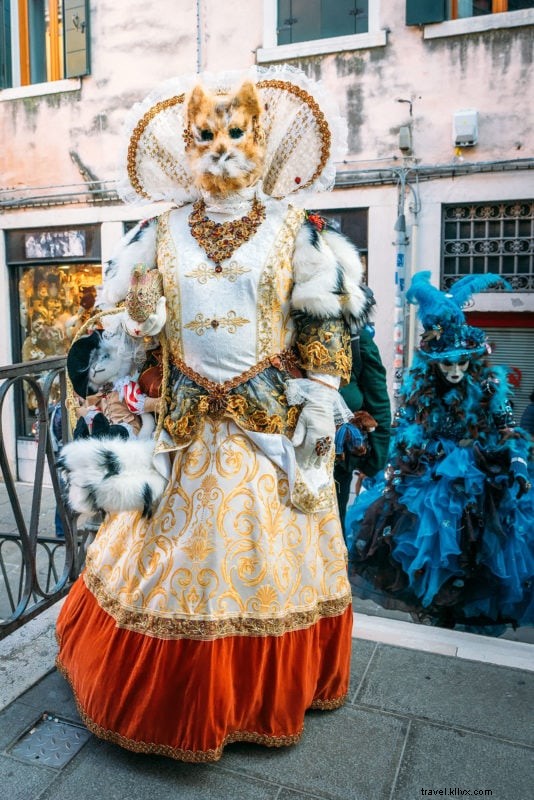
The Gnaga, resembling a female cat, was worn by men posing as women in 18th-century Venice, often with women's attire and a basket holding a live kitten. Wearers mimicked courtesans with meows. This fur-covered version, complete with a stuffed cat, showcased remarkable handmade craftsmanship.
8. Top Venice Carnival Activities & Events
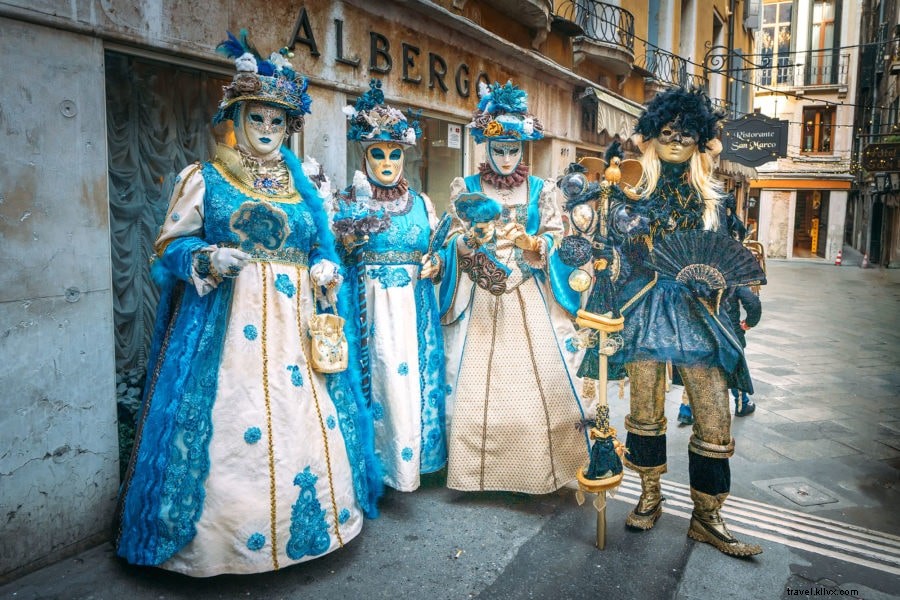
Highlights include:
- Flight of the Angel
- Daily Costume Parades
- Best Mask Contest
- Free Vivaldi Concert
- Doge’s Courtesan Ball
9. Navigating Venice
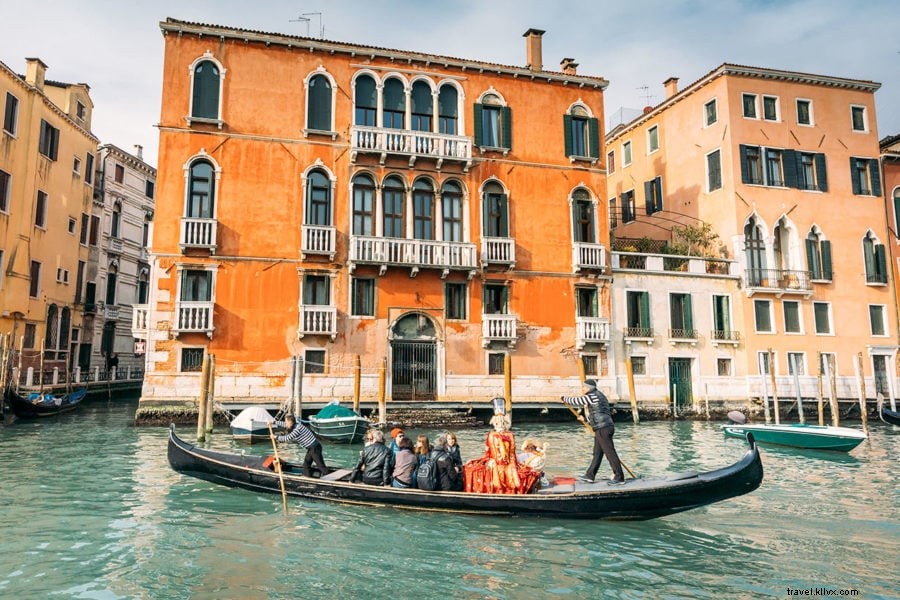
Arrive via Piazzale Roma (bus/train from airport) or Venezia Santa Lucia station, then use vaporetti (water buses) to reach your accommodation.
Private motoscafi offer stylish canal rides, while traghetti—public gondola ferries—cross canals for €4 at select piers.
10. Colombina Masks
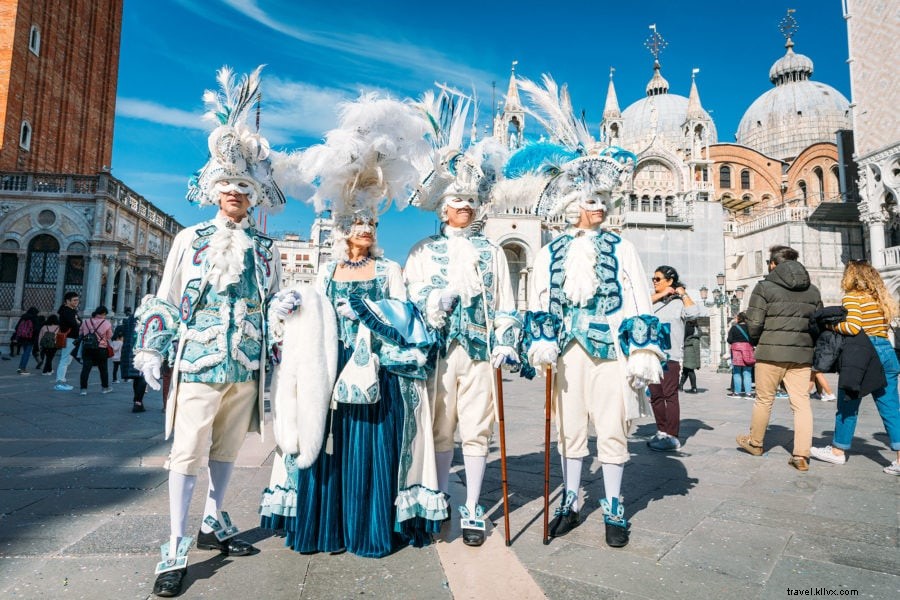
Named for a Commedia dell’arte actress whose beauty demanded a half-mask, Colombinas now feature feathers, crystals, and gold/silver leaf accents.
11. Sunrise at Gondola Docks
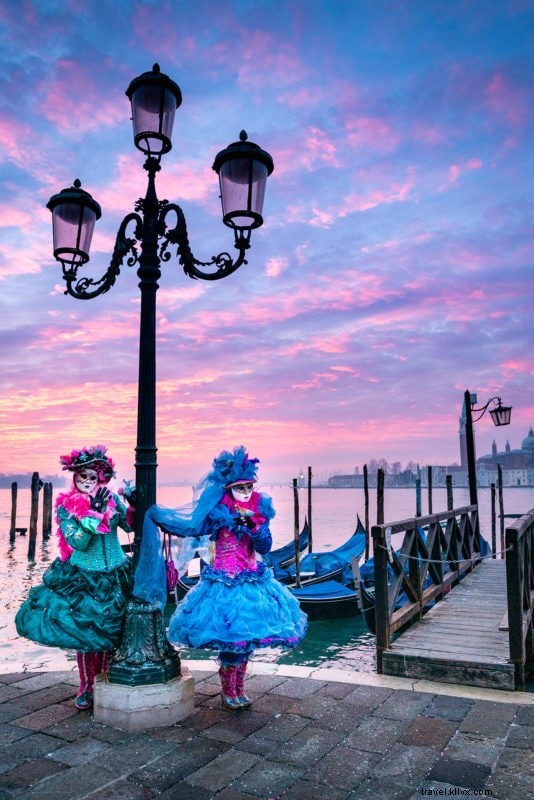
St. Mark’s Square gondola docks are prime for photography. At dawn during Carnival, costumed figures posed against pastel skies, creating ethereal scenes.
12. St. Mark’s Square
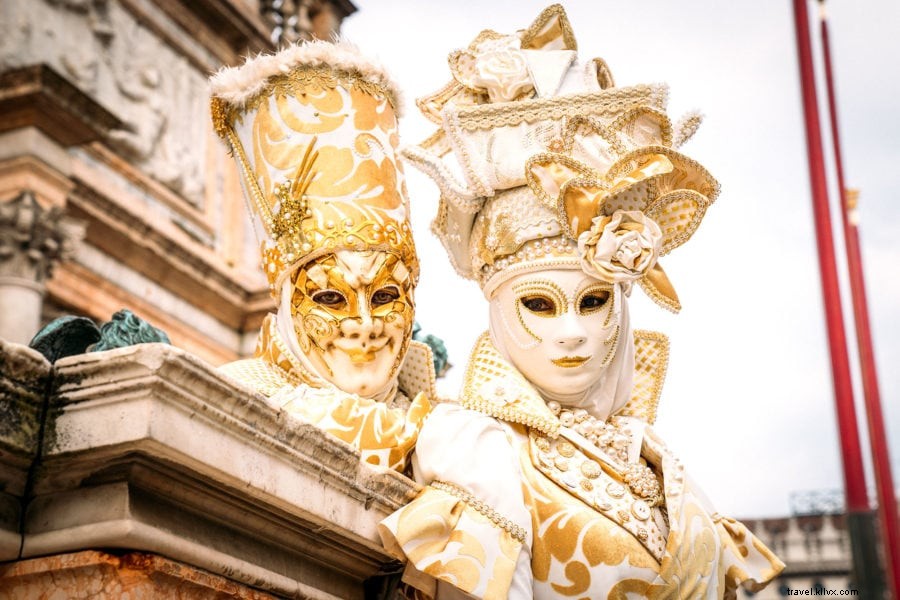
Piazza San Marco pulses as Carnival's epicenter, hosting free performances by jugglers, acrobats, and musicians amid iconic landmarks.
13. Wandering Venice's Neighborhoods
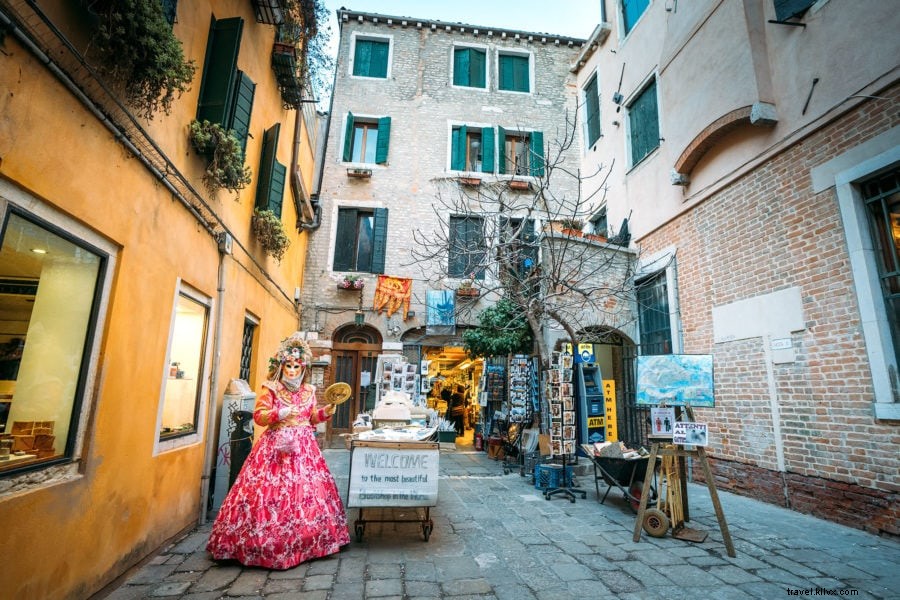
Escape crowds by exploring Venice's charming alleys and neighborhoods.
14. Matching Costumes
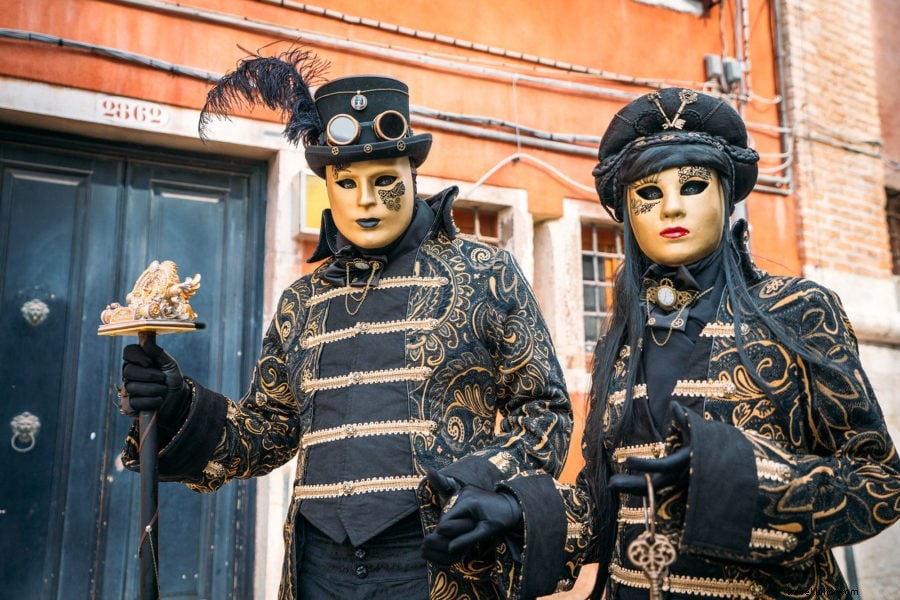
Masks historically concealed social status, enabling mingling across classes—like Halloween, fostering fantasy and freedom.
15. Lavish Custom Costumes
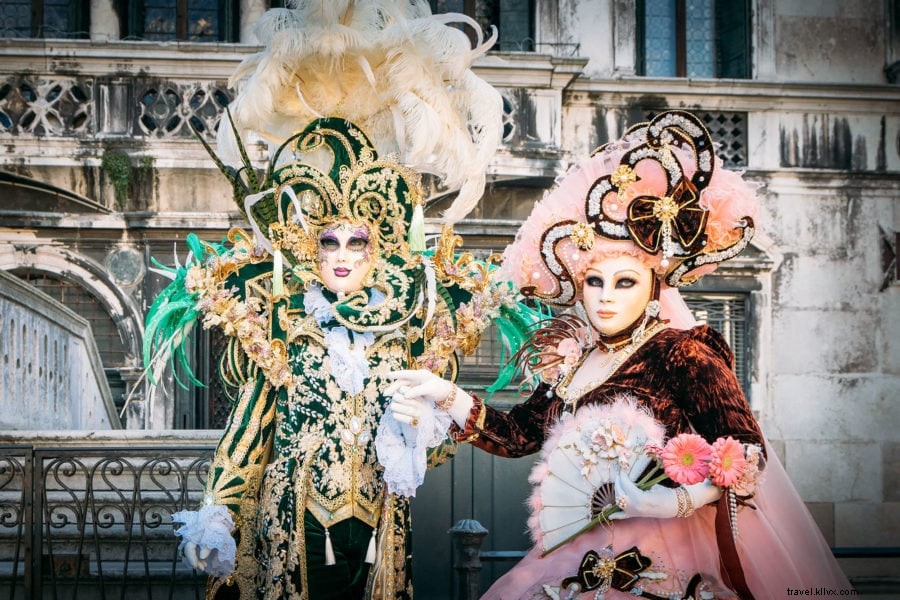
Rentals start at €200 (men)/€350 (women) per day, excluding accessories. Handcrafted outfits can cost thousands, yielding spectacular results.
16. Authentic Venetian Mask Makers
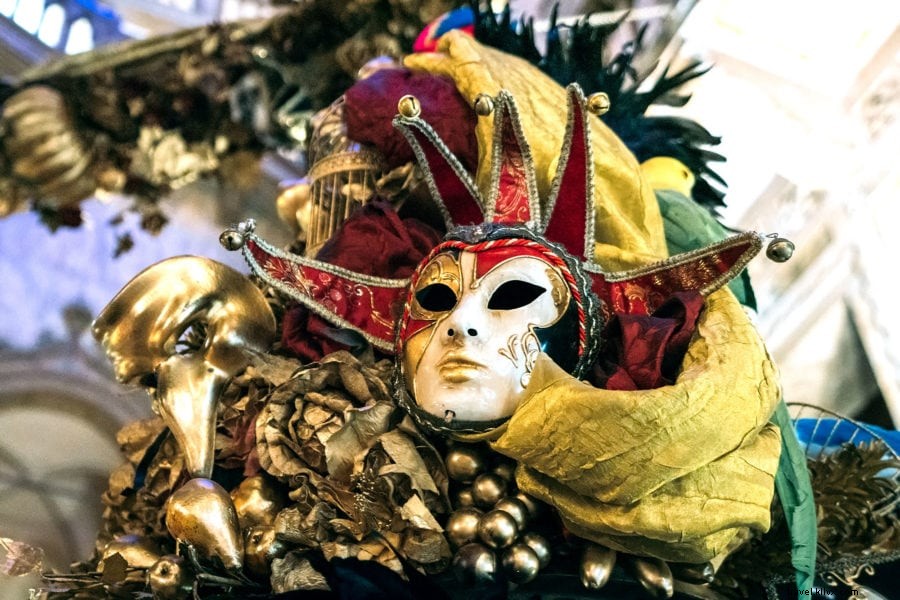
Skip tourist stalls; visit master artisans for quality:
- Benor Maschere Venezia (Santa Croce)
- Ca’ Macana (Dorsoduro)
- Mondonovo Maschere (Dorsoduro)
17. Modern Carnival Creations
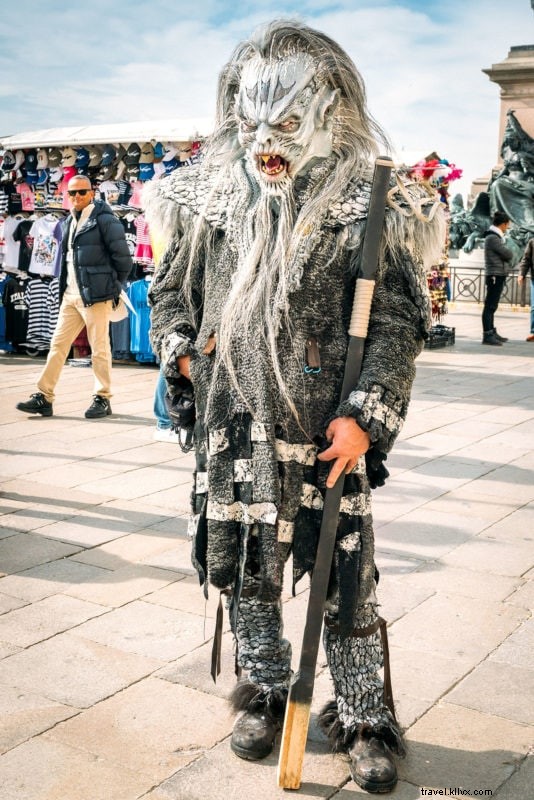
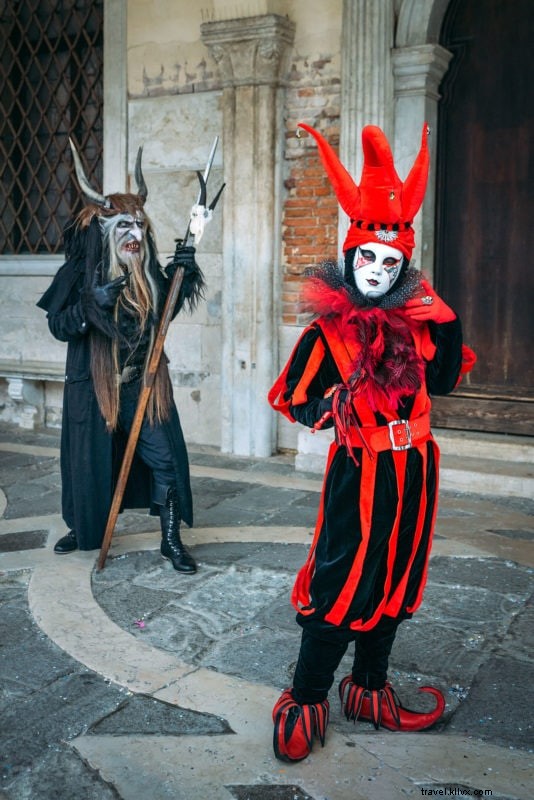
Contemporary costumes thrive alongside traditions, like this imaginative monster.
18. The Golden Jester at the Bridge of Sighs
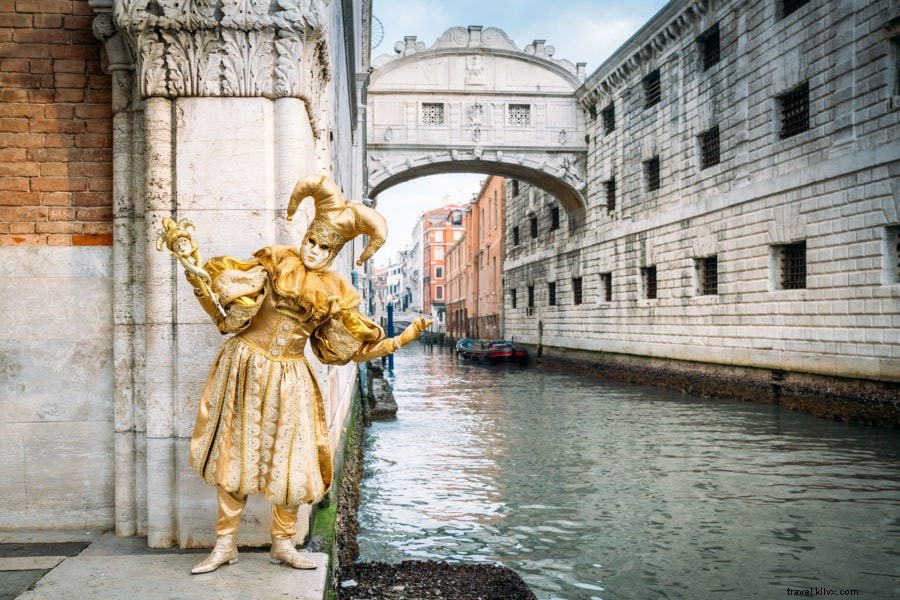
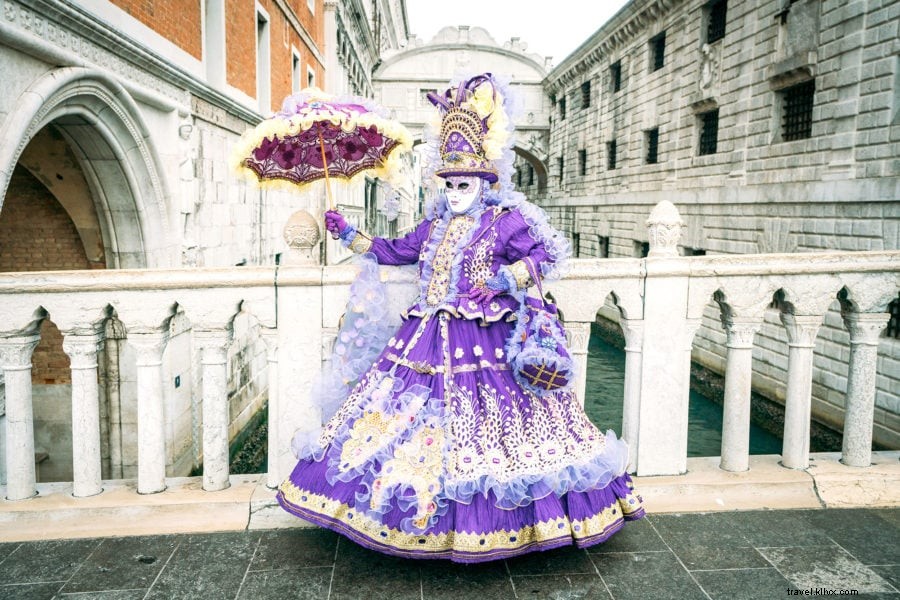
The Bridge of Sighs (Ponte dei Sospiri), built in 1641, linked to Venice's first prison. Prisoners sighed at their final glimpse of freedom.
19. Costumes Amid Ancient Streets
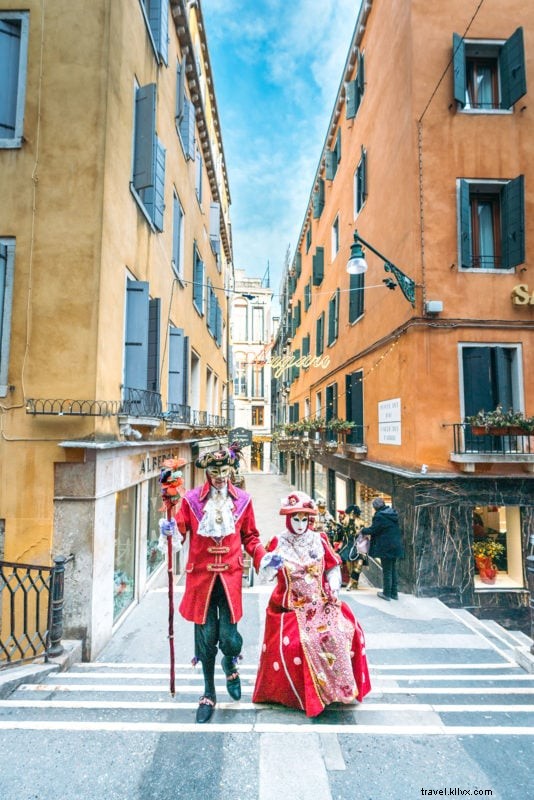
Elaborate attire blends seamlessly with Venice's timeless architecture.
20. Photography Tips for Venice Carnival
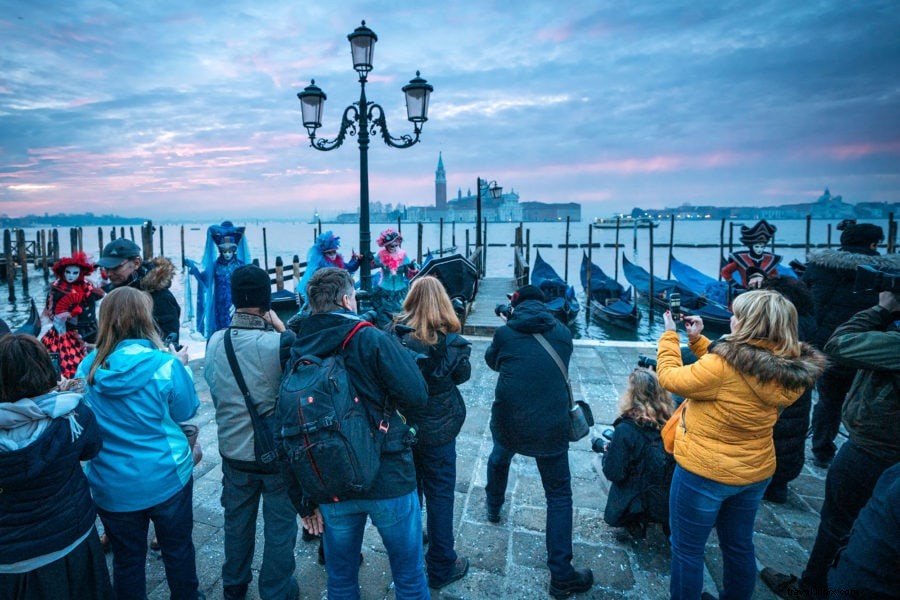
Prime spots include the Waterfront Promenade (sunrise/sunset), St. Mark’s Square pillars, and Bridge of Sighs. Arrive at dawn for crowd-free shots with dedicated cosplayers.