
Best Time to Visit Norway: Seasonal Guide to Northern Lights, Fjords, and More
The best time to visit Norway depends on your desired experiences. This stunning country offers year-round beauty, but weather, activities, and regions vary significantly by season.
Norway's vast landscape spans diverse climates and attractions. Summer delivers long days, mild weather, vibrant energy, and peak prices. Winter (November-January) brings heavy snow and limited daylight, ideal for some but challenging for others. Spring and fall offer lower costs and fewer crowds, though check seasonal activity availability.
Discover the optimal seasons for Norway's top sights below.
Visiting Norway in Winter
Winter envelops Norway in a serene, snow-covered wonderland, especially north of the Arctic Circle where polar nights occur. Temperatures can drop to -30°C (-22°F) or lower in extreme areas, so prepare for cold.
Top Winter Attractions
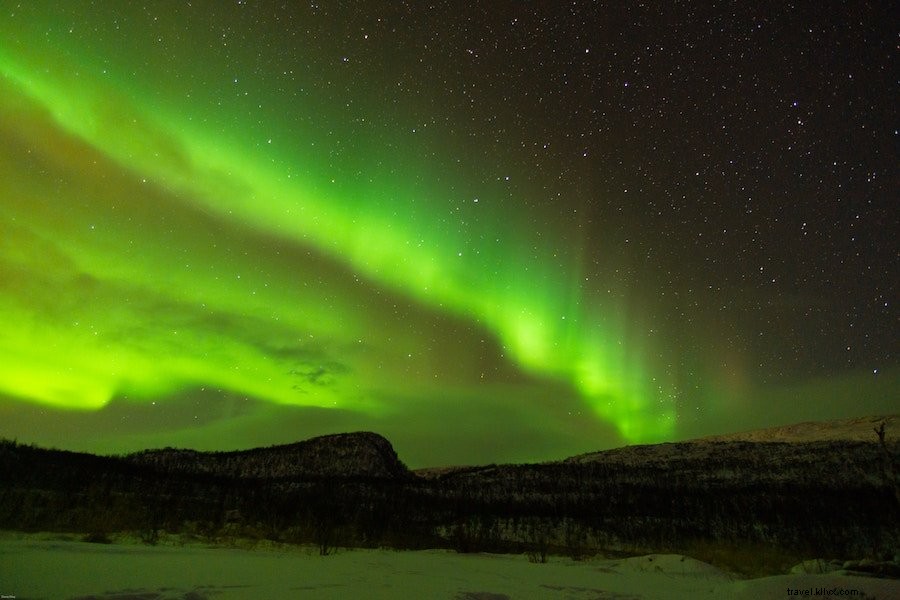
Northern Lights
Experience the magical Aurora Borealis from October to March in dark northern skies. Head north of Bodø for the best chances; odds improve farther north like Tromsø or Alta.
Snow Activities
For skiing or snowmobiling, aim for late February to early March—more daylight, reliable snow, and prime conditions.
Visiting Norway in Spring
Spring (April-June) brings blooming landscapes, melting snow, and cascading waterfalls. Weather is unpredictable—milder in the south, snowy longer in the north—so monitor forecasts.
Top Spring Attractions
Cities
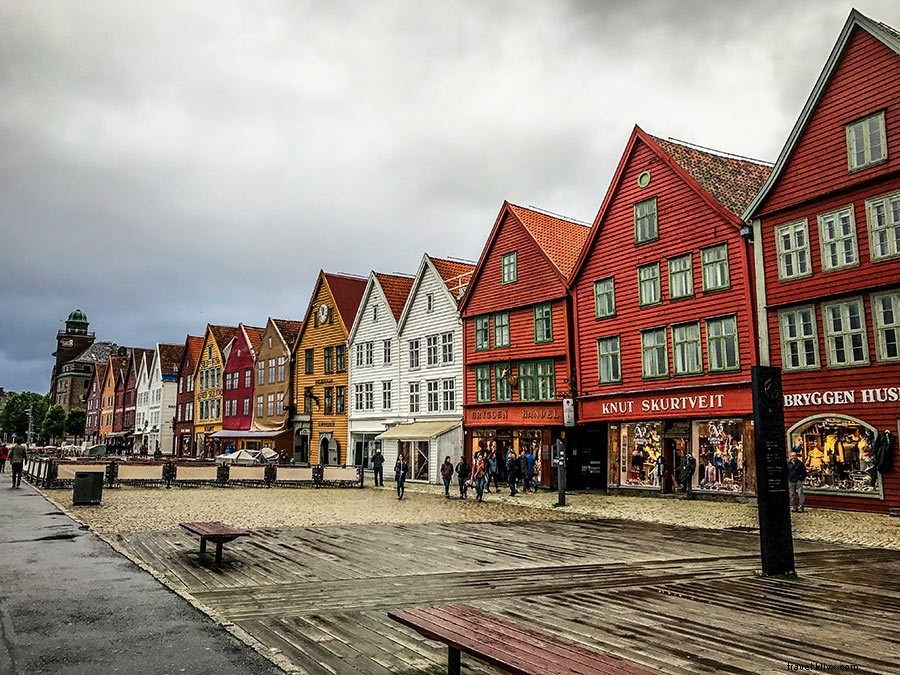
Explore Oslo, Bergen, or other urban gems anytime. Late spring offers blooming flowers, walkable streets, lower prices, and thinning crowds.
Sami Culture & Reindeer
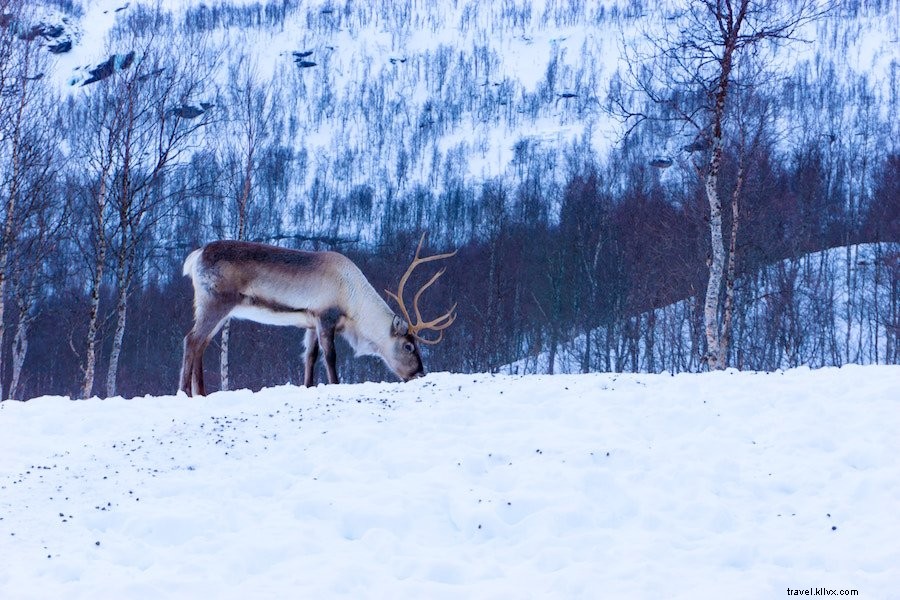
Encounter reindeer and immerse in indigenous Sami traditions. Early spring provides longer days and snow for sledding. Note: Reindeer meat is a local delicacy.
Visiting Norway in Summer
June-August features endless daylight, temperatures up to 25°C (77°F), and bustling tourism. Pack layers for sudden rain. Book accommodations early as demand surges.
Top Summer Attractions
Midsummer Eve
On June 23, join Sankthansaften celebrations with bonfires and parties nationwide.
Midnight Sun
Above the Arctic Circle (late May-mid-July), enjoy 24-hour daylight with vibrant skies. Nights chill, so layer up.
Polar Bears
In Svalbard, take May-early September cruises to spot bears. Add dog sledding, glacier hikes, or visits to Longyearbyen and Barentsburg.
Visiting Norway in Fall
September-October paints foliage in autumn hues with cooler temps, fewer tourists, and lower prices. Savor harvest-season local cuisine.
Top Fall Attractions
Fjords
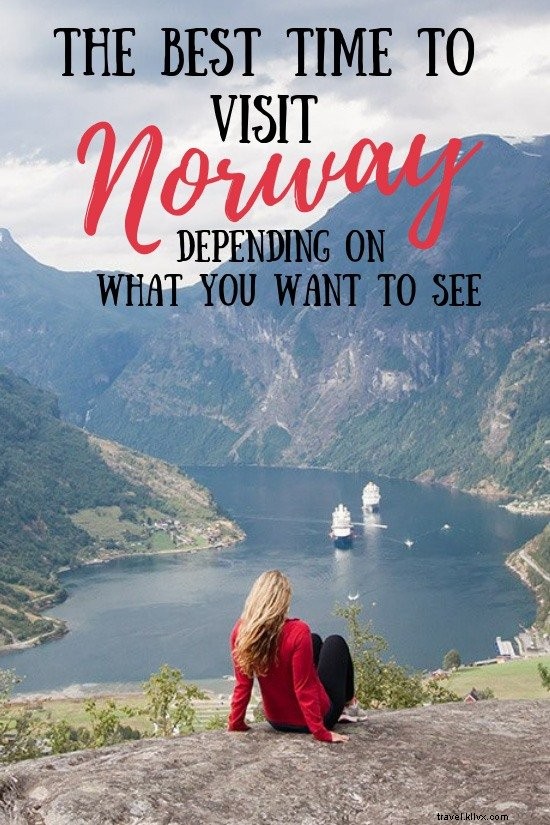
Norway's dramatic fjords like Geirangerfjord shine in early fall—hike, kayak without crowds or snow. Located 350km north of Bergen, its calm waters and towering peaks captivate.
Lofoten Islands
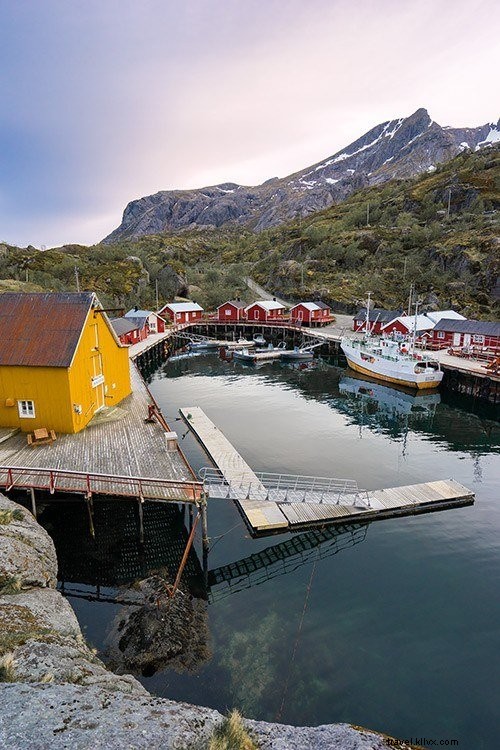
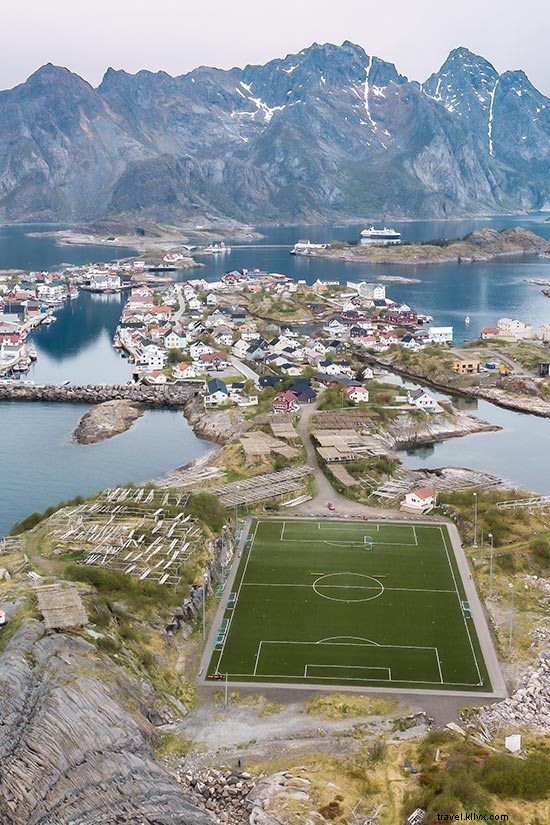
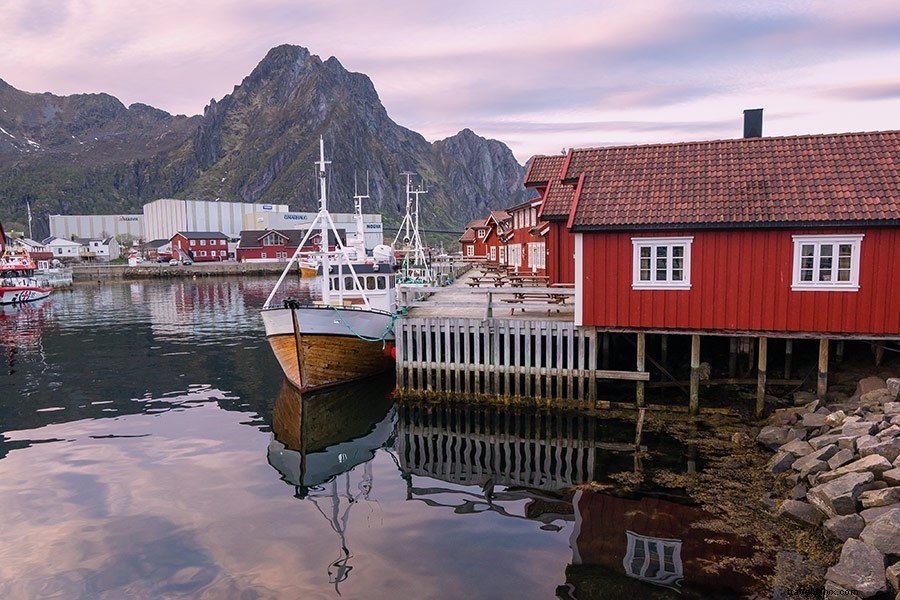
Enjoy fjords and culture with mild weather and accessible trails, avoiding winter hazards and summer peaks.
Kystriksveien (Coastal Route)
Drive this 630km route from Steinkjer to Bodø amid fall colors. Highlights: Coastal Museum in Rørvik, Torghatten Mountain, Helgeland Bridge, Sognefjellet, Svartisen Glacier.
Oslo-Bergen Railway (Bergensbanen)
Europe's premier train ride (495km) showcases fjords, villages, and waterfalls—autumn colors elevate the views.
Plan Your Trip to Norway
With over 10 years of travel experience, we recommend these trusted tools:
Flights: Momondo scans hundreds of airlines for the best deals, with a calendar for cheapest dates.
Accommodation: Booking.com guarantees lowest prices on hotels, apartments, and villas worldwide.
Travel Insurance: World Nomads has covered us reliably for 8 years—essential for peace of mind.