7 Proven Tips to Cut Plastic Waste and Travel Sustainably
Reducing plastic waste at home or on the road doesn't require sacrificing convenience. Simple habits, starting with mindful purchasing, can significantly lower your plastic footprint.
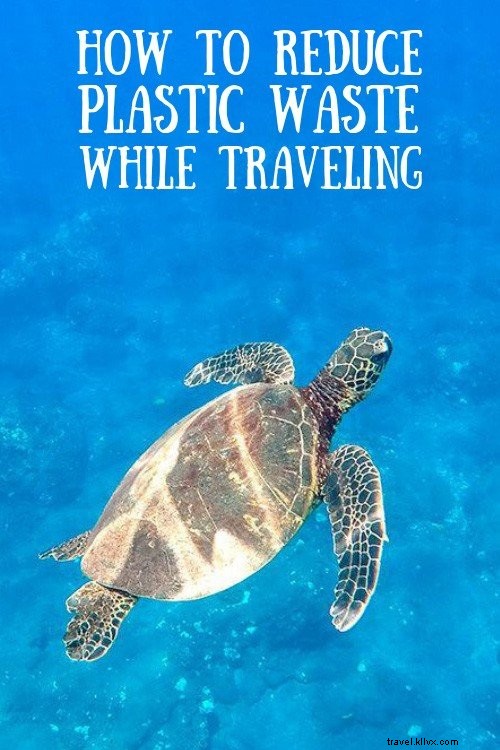
World Turtle Day (May 23) and World Ocean Day (June 8) highlight opportunities to raise awareness about eliminating single-use plastics.
Sustainable tech firm Footprintus.com partnered with renowned marine biologist Christine Figgener—famous for removing a plastic straw from a turtle's nostril in a viral video—to address ocean plastic dangers. Footprintus.com honored her with a Footprint Hero Award for her conservation work.
Supporting their mission, here are seven practical tips to minimize plastic waste while traveling.
1. Skip Plastic Cutlery
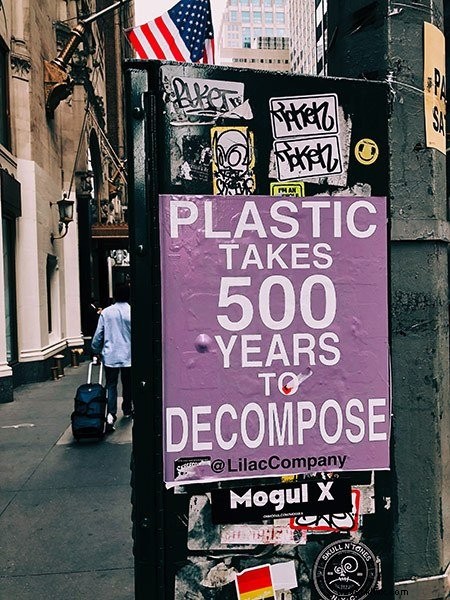
Billions of plastic utensils are discarded yearly, polluting landfills, rivers, and oceans. Opt for reusable or biodegradable alternatives. On June 8, Footprintus.com launched an e-commerce site for biodegradable straws and a microsite offering free paper straw sampler packs to businesses.
2. Carry a Reusable Tote Bag
Single-use plastic bags number in the billions annually. A compact, washable reusable tote fits in your pocket or bag, reducing reliance on them everywhere you go. Keep one handy in your daypack.

3. Avoid Travel-Sized Bottles
Mini toiletries contribute heavily to waste. Transfer full-size products into reusable containers or switch to solid shampoo/conditioner bars and toothpaste tabs—they use less packaging, won't leak, and last longer. Use beeswax wraps instead of ziplocks.
4. Bring a Reusable Bottle
Ditch single-use water bottles and coffee cups for an insulated reusable one that keeps drinks hot or cold. Refill on the go. Choose sustainable cafes; Footprintus.com supplies biodegradable cups and lids to partners.

5. Choose Compostable Products
Everyday plastics like toothbrushes and trash bags have eco-alternatives. Search for bamboo toothbrushes or compostable bags before buying.
6. Rethink Your Snacks
Pack fresh fruits and veggies or buy from local markets to avoid plastic-wrapped processed foods—healthier and greener. Opt for peelable produce like bananas or oranges in areas with unsafe water.

7. Carry a Food Container
A reusable container holds your snacks and serves as an eco-friendly to-go box for street food or leftovers.