Ultimate Camping Packing List: Expert-Recommended Essentials for Every Trip
Planning an outdoor adventure? Gear needs vary by climate, terrain, camping style (car camping or backpacking), and setup (tent or RV). This comprehensive camping packing list covers all essentials, based on gear we rely on for our trips. Start your personalized checklist early to ensure you're fully prepared.
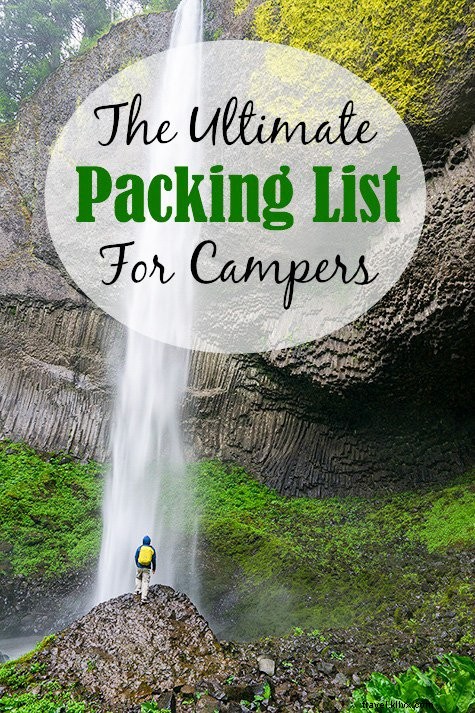
Camping Gear
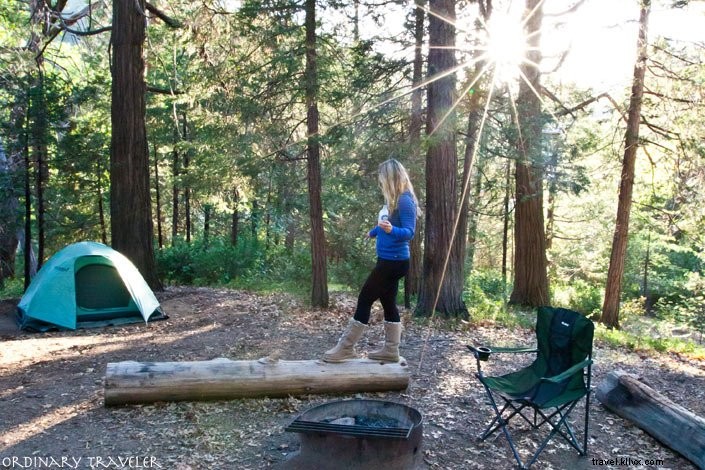
 Tent: For car camping, pack your tent last to set it up first. Verify poles, stakes, mallet, and rainfly. We recommend Coleman tents for reliability.
Sleeping Bags: Opt for down or synthetic bags—they're lightweight and compressible.
Sleeping Pads: Therm-a-Rest pads provide cushioning and insulation, reflecting body heat.
Tarp: Use under the tent for warmth and dryness; extra length works for cleaning muddy shoes.
Clothesline: Pack an adjustable bungee line and pins for wet-weather drying.
Hammock: Ideal for relaxation if space allows—affordable options under $20 available.
Games: Include dice, cards, or similar for group fun.
Firewood: Bring your own where gathering is prohibited, plus lighter and kindling.
Headlamp: One per person, with extra batteries.
10 Genius Camping Hacks & Tips Every Camper Should Know
Packing List for Overnight Kayaking Trips
Winter Camping Essentials & Cold Weather Camping Tips
8 Best Small Travel Trailers (Under 2,000 Pounds)
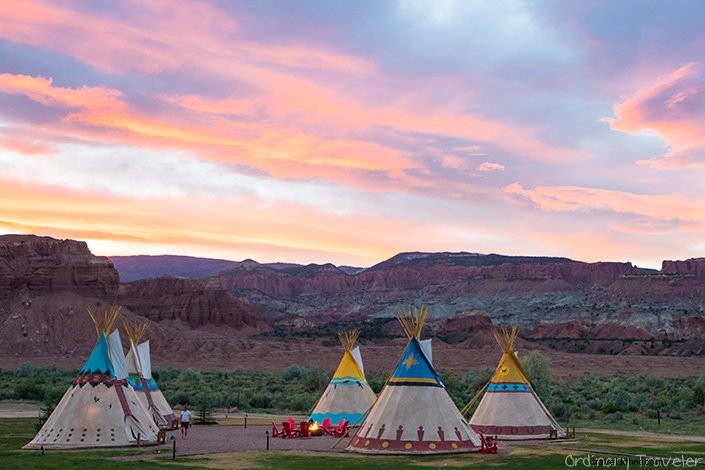
Cookware
Storage Bin: Clear tote bins organize gear; use large clear bags for grouping.
Cooking Utensils: Knife, spatula, ladle, pot holders, tongs, tin foil, and skewers for s'mores or kabobs.
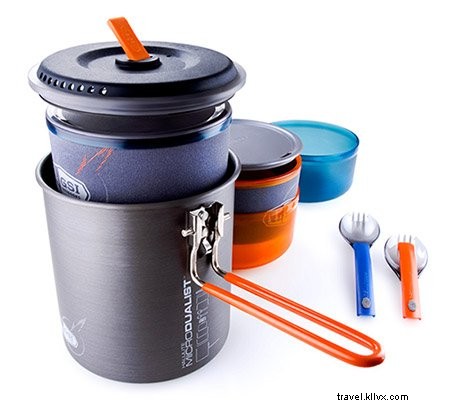
Pots and Pans: Quality pot and pan suffice; larger for groups. Compact sets ideal for backpacking.
Camping Stove: Two-burner for car camping; ultralight single-burner for backpacking.
Lighter/Matches: Pack multiples in waterproof cases.
Dishes: Per person: plate, bowl, mug, utensils; Tupperware for leftovers.
Clean Up: Microfiber towels, paper towels, Dr. Bronner's unscented soap, folding basin.
Clothing & Toiletries
Pack minimally—reuse clothes, prioritize layers and weather-appropriate fabrics. Wear bulky items en route to save space.
Layered Clothing: Base layers wick moisture; packable jackets and beanies for warmth.
Insect Repellent: Compact pen-style spray is essential.
Sunscreen: Non-negotiable for sun protection.
Toiletries: Shampoo, soap (Dr. Bronner's multi-use), toothpaste, etc. Don't forget toothbrush and floss.
What to Pack for a Trip to Norway
The Ultimate Guide to Camping in California’s Channel Islands
Alaska Packing Guide
Hiking
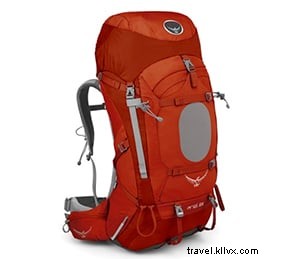
For day hikes, use a frameless pack with snacks like fruit, nuts, jerky. Multi-day: framed pack, limit to 20-30% body weight; place soft items against back, heavy centrally.
Water: At least one bottle; 3L bladder for long hikes.
Water Filtration: Compact system removes 99.9% bacteria.
Shoes: Reliable hiking shoes and moisture-wicking socks like Smartwool.
Daypack: Feature-packed with water pockets, hydration sleeve, rainfly.
Hiking & Road Trip Tips for Utah’s National Parks
Zion National Park Travel & Hiking Guide
Havasu Falls Travel Tips
Electronics
Minimize; charge GPS/phone with rechargeables.
Charger: Mini lantern doubles as power bank, up to 52 hours light.
Portable Lantern: Rechargeable, waterproof, lightweight power bank.
Rechargeable Phone Case: Built-in battery for reliability.
Carry-on Packing Guide for Airplane Travel
Road Trip Essentials: What to Pack on a Road Trip
Photography
Travel light: two lenses, lightweight tripod/monopod. Use camera backpack; shade gear in heat.
How to Choose the Best Travel Camera
Sony A7ii: Why I Love This Camera for Travel Photography