Winter Camping Essentials: Expert Gear Recommendations and Cold-Weather Safety Tips
Equip yourself with the best winter camping essentials, including top 4-season tents and gear, plus proven cold-weather camping tips to stay safe and comfortable.
Winter camping offers exclusive access to serene campsites, lower costs, and fewer crowds, with wildlife largely dormant. However, sub-zero temperatures demand meticulous preparation in gear, clothing, and planning to prevent hypothermia and ensure safety.
With years of cold-weather experience, here are my curated recommendations for essential gear and strategies to thrive outdoors.
Top 4-Season Winter Tents
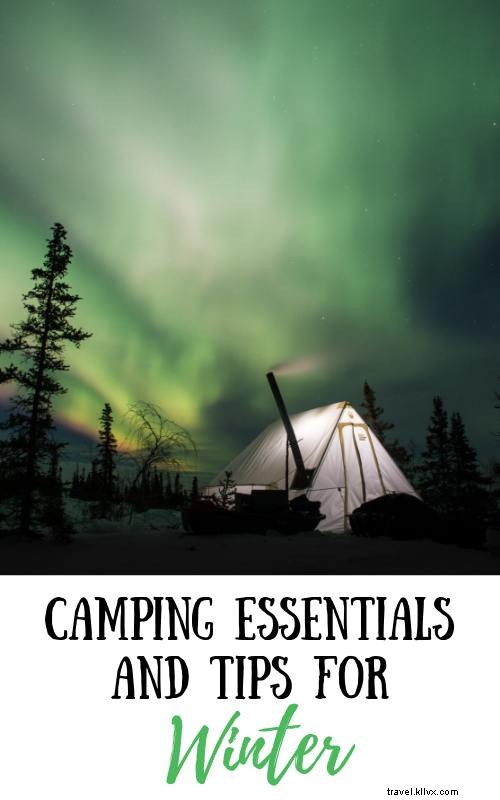
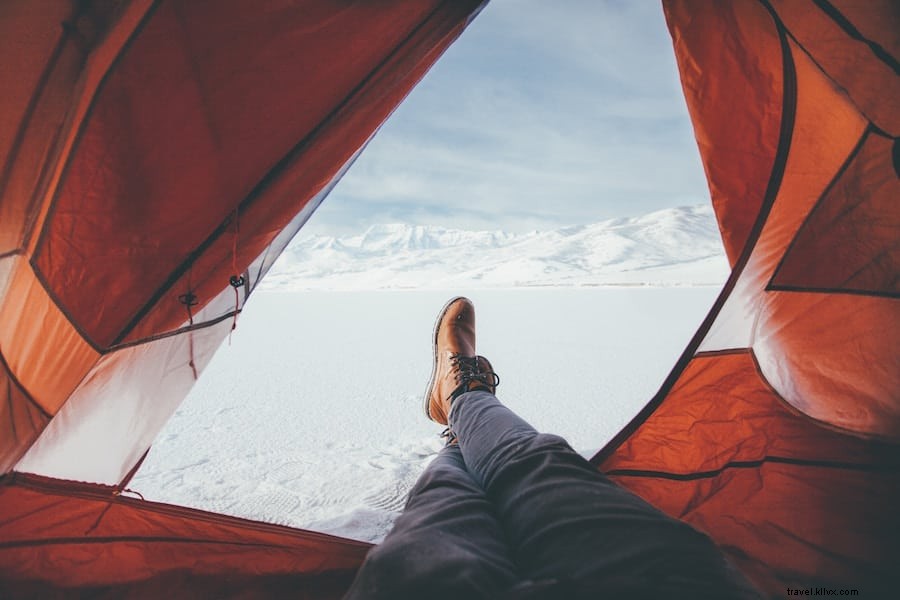
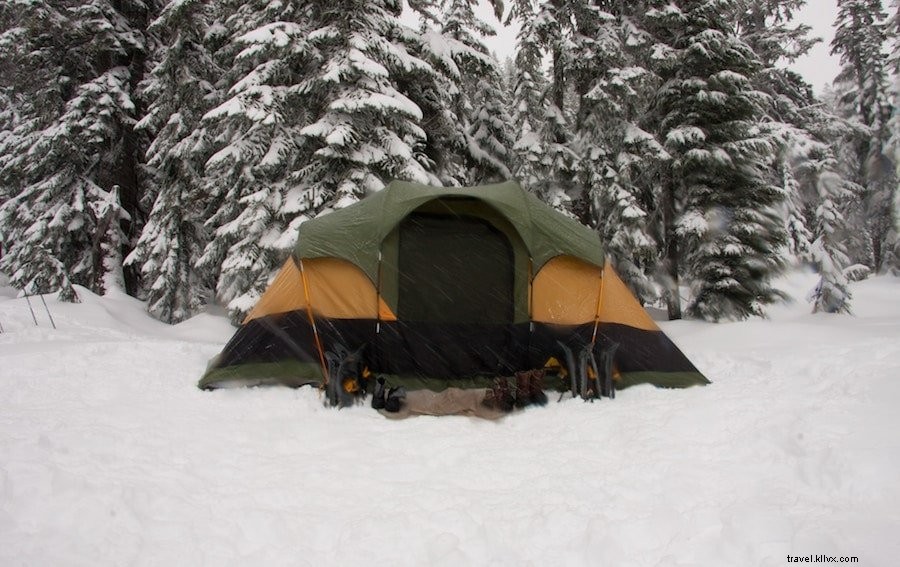
Select a 4-season tent built for extreme conditions, featuring durable polyester or nylon fabric, a full-coverage rainfly, and a waterproof footprint for snowy ground.
ALPS Mountaineering Tasmanian
This robust 4-season tent includes a full rainfly, glove-friendly oversized zippers, and a stable aluminum pole system. At 9.8 lbs, it's ideal for car camping rather than backpacking.
Naturehike Cloud-Up
Available in 1-, 2-, or 3-person sizes, this tent uses double-layer anti-scratch polyester for strength and breathability, with a water-resistant rainfly. It packs small and pitches in under 5 minutes.
Essential Winter Camping Gear
Sleeping Gear
Opt for a sleeping bag rated 10-15°F below expected lows, like the reliable Coleman model. Store it in a dry bag daily. Pair with a foam sleeping pad (R-value 4+); avoid inflatables. Add a packable pillow inside the bag.
Cooking Gear
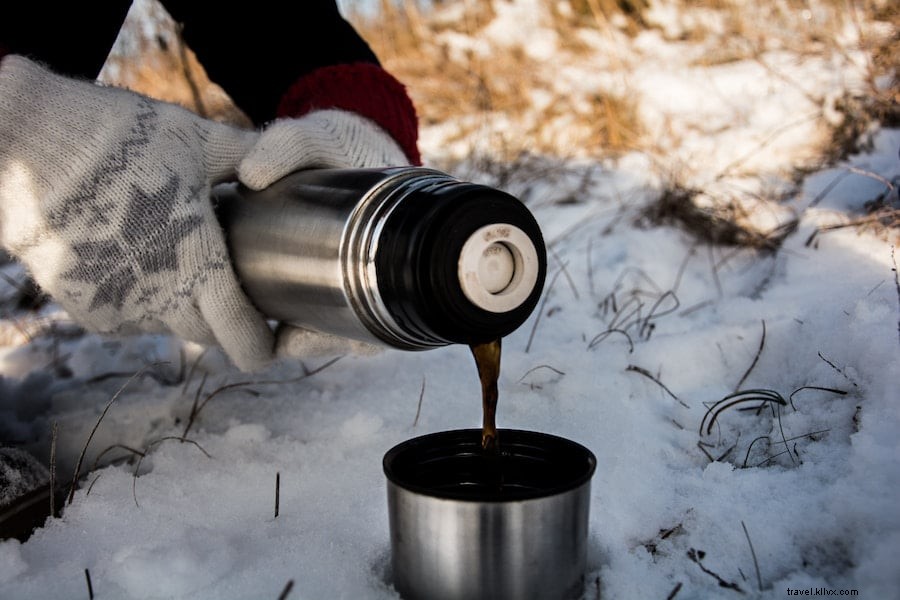
Pack insulated bottles for hot/cold liquids, a fueled stove, plates/utensils, pots, water filter, and simple meals. Secure food in a bear box, dry bag, or car trunk overnight.
Safety Gear
Essentials: headlamp, flashlight, first-aid kit, whistle, multi-tool, meds, compass, map, sunscreen, duct tape, and repair kits for tent/stove. Keep a warm external battery for your phone.
Accessories
Hand sanitizer, fire starters, toiletries, TP, and a quick-dry towel.
Recommended Tent Heaters
A safe heater combats overnight hypothermia risks. Prioritize auto shut-off, oxygen sensors, and portability.
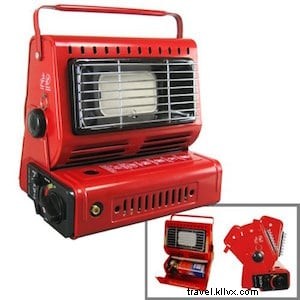
Camping Emergency Butane Heater
Uses standard cartridges, ceramic burner, auto shut-off; weighs 5.4 lbs. Runtime: ~2 hours per cartridge—use judiciously.
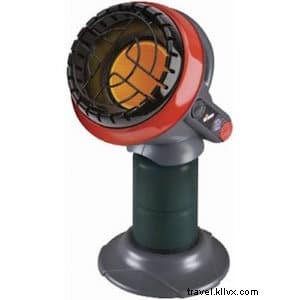
Mr. Heater F215100
Propane model heats up to 95 sq ft, odor-free, works to 7,000 ft elevation; 5.6-hour runtime.
Winter Clothing Layers
Choose moisture-wicking synthetics rated for your destination; layer extensively.
Footwear: Insulated boots, wool socks, liners.
Base Layer: Long-sleeve top, fleece leggings, wicking underwear (extras for multi-days).
Mid-Layer: Fleece pullover or vest.
Outer Layer: Waterproof/windproof jacket and snow pants with lining.
Accessories: Beanie, waterproof gloves + liners, hand/foot warmers, balaclava.
Winter Hiking Essentials
Foot Gear: Gaiters, crampons, snowshoes for deep snow.
Poles: The Fit Life anti-shock, extendable poles with snow attachments.
Backpack: NEVO 40L (expandable to 50L), weatherproof, ergonomic.
Pro Cold-Weather Camping Tips
Master First Aid
Focus on hypothermia/frostbite prevention and treatment.
Synthetics Only
Heat-retaining, quick-dry fabrics—no cotton or down.
Hot Water Bottle Hack
Fill with boiled water for a toasty sleeping bag pre-bed.
Battery Care
Warm devices in your sleeping bag overnight.
Fire Starting
Windproof matches, lighters, dry wood, starters like jelly-soaked cotton.
Tent Anchoring
Use rocks if stakes won't hold in frozen ground.
Ventilate Tent
Prevent condensation freeze—crack vents open.
Wind Shelter
Site near trees (avoid hazards) for protection.