

Total Solar Eclipse for Beginners: 5 Expert Tips from Eclipse Chaser Mark Bender
1. Know What to Expect
As the eclipse begins, the moon gradually covers the sun. Daylight remains bright initially. About five minutes before totality, the light shifts to a surreal gray. Through your eclipse glasses, only a thin crescent of sun remains—keep them on. Totality arrives when darkness falls like night. Safely remove glasses to behold the sun's ethereal corona blooming around the moon's dark silhouette. Temperatures drop noticeably, so dress warmly with jackets or blankets to stay comfortable.
2. Record the Details
Skip photos; instead, narrate the experience aloud and record it on your phone. Note Baily's beads—the sparkling last rays of sunlight along the moon's uneven edge, appearing like clock positions (e.g., noon or 3 o'clock). During totality, observe the chromosphere's fiery red rim around the black disk, noting its position. Spot solar prominences: twisted, lightning-like plasma arcs—describe their size, brightness, and locations. Finally, detail the corona's extent, motion, and feathery streamers. Capture your emotions too; reliving the audio later will be magical.
3. Watch Safely
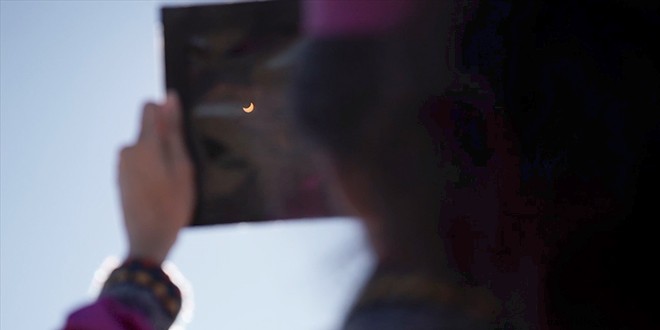
ISO-certified solar eclipse glasses are essential. Free pairs are often available from libraries, schools, and community centers; affordable options abound online. Never view the partial phases unprotected—permanent eye damage is a real risk. Study the eclipse timeline beforehand to know precisely when to wear and remove glasses. In totality (lasting about 2 minutes), night-like darkness reveals stars and planets, but your eyes need time to adapt. Like entering a dark theater, vision sharpens gradually. Replace glasses immediately post-totality.
4. Choose a Prime Location
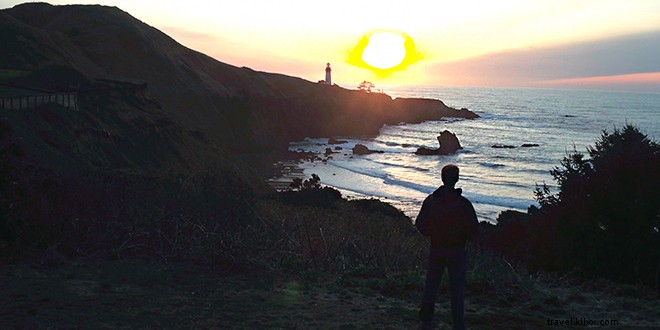
From Oregon to South Carolina, the path of totality offers the same spectacle (weather permitting). Decide your vibe: crowded festivities, remote solitude, or near landmarks? Explore top spots in CuriosityStream's exclusive Eclipse Across America series, like Oregon's Willamette Valley, St. Louis, or Nebraska's quirky Carhenge. Secure an open view away from bright lights to fully appreciate starry skies during totality—no need for elevations or clear horizons.
5. Be Fully Present
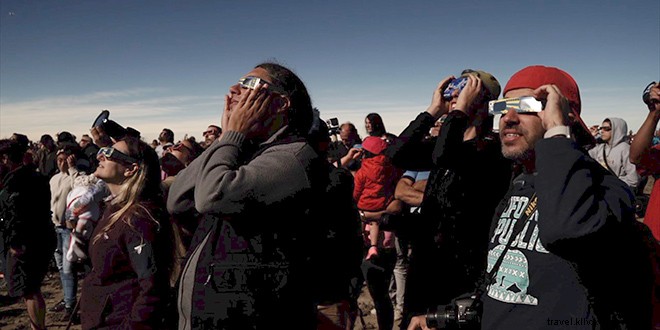
Totality lasts just over two minutes—a rare event. Avoid distractions like proposals or stunts; nothing tops the raw awe. Focus intently (glasses off only during totality), immerse yourself, and prepare to be transformed.
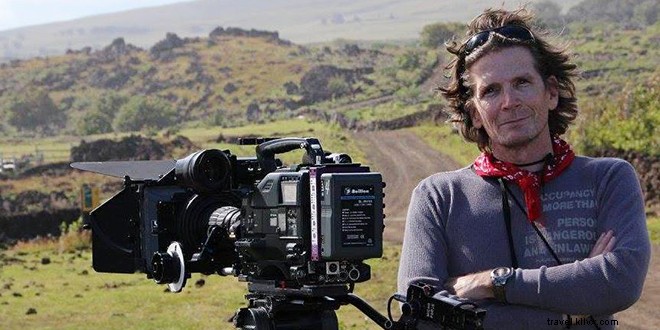
Mark Bender is a filmmaker, eclipse chaser, and director of the Eclipse Across America series on CuriosityStream.
Preview the 4-part series here, plus 1,500+ documentaries on CuriosityStream, the premier streaming service for factual programming, founded by Discovery Communications' John Hendricks.