10 Expert Tips to Avoid Costly Airline Fees and Save on Travel
Airline fees have become a significant revenue source for carriers, generating billions annually. To help you sidestep common charges like baggage and change fees, here are 10 practical, proven strategies based on industry policies and traveler experiences.
1. Leverage the 24-Hour Booking Window
Most airlines, per U.S. DOT rules, allow free cancellations or changes within 24 hours of booking for tickets purchased at least seven days before departure. 
Book directly with the airline to qualify—third-party sites like Expedia don't apply. Pay upfront for a full refund (except American Airlines, which offers a free 24-hour hold). Use this to secure deals without commitment.
2. Consider Same-Day Changes for Lower Fees
Some airlines charge less for same-day adjustments than advance changes. For instance, United's standard fee is $200, but same-day is $75 (or free for elite status). Availability and fare differences may apply—ideal for flexible travelers.
3. Calculate Total Costs Before Booking
Low-fare tickets can become expensive with add-ons. Always include baggage, seat selection, and other fees, especially with ultra-low-cost carriers like Spirit, Frontier, Allegiant, or international options like Norwegian.
4. Choose Fee-Friendly Airlines Like Southwest or Alaska
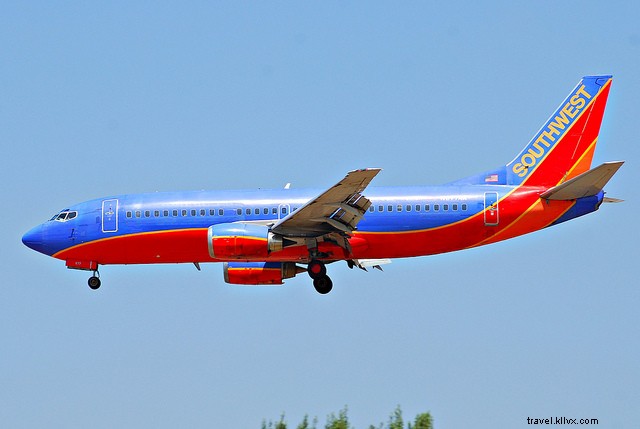
Southwest waives change fees entirely. Alaska offers refunds for cancellations up to 60 days out without fees. Opt for flexible fare classes (e.g., JetBlue's Blue Flex) if changes are likely.
5. Research In-Flight Wi-Fi Options in Advance
Check airline websites for Wi-Fi availability and promotions. JetBlue provides free basic Wi-Fi (paid upgrades available), and Norwegian offers complimentary messaging on transatlantic routes.
6. Check One Larger Bag Instead of Multiples

With per-bag fees on most airlines (Southwest excluded), one oversized checked bag can save money. Stay under weight limits and pack efficiently.
7. Evaluate Travel Insurance or Credit Card Benefits
Travel insurance or cards like Chase Sapphire Preferred often cover trip changes. Airlines also waive fees for weather disruptions, regardless of insurance.
8. Call Customer Service for Waivers

Polite persistence with a reservation agent can lead to fee waivers in exceptional cases.
9. No-Show Strategically (With Caution)
Forfeiting a flight may cost less than fees, especially on award tickets or single legs. Note potential impacts on future bookings.
10. Pack a Refillable Water Bottle
Bring an empty bottle through security and refill post-checkpoint. Essential for low-cost carriers charging for beverages.
Note: Comply with all FAA regulations; alcohol is prohibited for passengers to bring or consume onboard.