First-Time Guide to Muscat, Oman: Seas, Souks, and Timeless Serenity
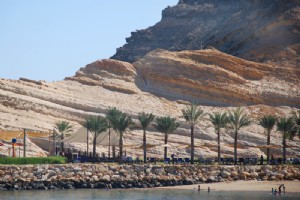
Nestled between rugged mountains and the Arabian Sea, Muscat—Oman's capital city where whitewashed buildings adhere to royal decree and skyscrapers are notably absent—provides a serene escape amid balmy coastal waters.
Founded centuries ago around twin natural harbors, Muscat has long balanced maritime trade across the Indian Ocean with the ancient incense trails of the desert interior. Today, it honors its heritage through elegant mosques, conservative elegance, chic cafés, and vibrant petunia-lined streets, emerging as a refined exemplar of contemporary Arab culture.

Embrace the Sea's Allure
Meaning 'anchorage,' Muscat is intrinsically tied to the ocean, with fishing as a vital industry. Stroll the Mutrah Corniche from the modern fish market to the souq, witnessing the bustling port where naval ships, cruise liners, traditional wooden dhows, fishing boats, and seabirds vie for space. Visitors can immerse in top experiences like swimming in the tranquil waters of Shangri-La’s Barr Al Jissah Resort & Spa, savoring grilled hamour at the acclaimed The Beach restaurant, or sipping sundowners with sea views at luxury hotels. For panoramic vistas, join dawn departures from Marina Bandar Al Rowdha, often accompanied by dolphins, to snorkel at Bandar Khayran's prime spots.

Delve into Oman's Rich History
Fueled by oil revenues and astute governance, Oman's transformation from isolation to prosperity in recent decades is remarkable. The National Museum in old Muscat traces this journey under Sultan Qaboos's revered leadership, from obscurity to modern vibrancy. Snap a photo at the whimsical Sultan’s Palace or explore Bait Al Zubair, a heritage villa showcasing exquisite Omani crafts, for an authentic historical immersion. For intimate insights into pre-1970 Muscat life before the Omani Renaissance, visit the understated Ghalya Museum of Modern Art along Mutrah Corniche.

Savor Authentic Omani Dining
Muscat's rising focus on Omani cuisine delights food enthusiasts. Traditionally limited to halwa (gelatinous sweet), dates with qahwa (Arabic coffee), or shuwa (slow-roasted lamb or goat) at spots like Kargeen Café, options have evolved. Enjoy genuine flavors cross-legged at Bin Ateeq, or opt for upscale dining at Bait Al Luban in a restored Mutrah trader's house, featuring dishes like porridge-like harees.

Shop for Treasures: Gold, Frankincense, and Myrrh
Gulf shoppers adore extravagance, but Muscat prioritizes charm over opulence. Essential: Wander the labyrinthine Mutrah Souq, scented with luban (frankincense) from southern Oman and gleaming with bridal gold. In Qurm and beyond, seek camel-bone boxes, chocolate-dipped dates, Persian carpets, Azerbaijani rugs, semi-precious beads, and ring-sized pashminas. Discover local crafts like camel-leather baskets, pottery, and goat-hair rugs at the Omani Heritage Gallery.

Extend Your Stay: Day Trip Adventures
Oman's superior roads facilitate easy escapes. Loop the Batinah Plain: Start at Nakhal's fortress town amid date palms and hot springs, spotting Indian rollers. Proceed to Hajar Mountain foothills for Rustaq's historic fort. Return via Sawadi's pink-shell beach and walkable low-tide islands.
Essential Travel Tips
- Avoid the scorching, humid summer (May–September); even locals flee as heat exceeds tolerance.
- Respect customs by covering shoulders and knees, though casual wear appears in malls and beaches.
- Taxis are convenient; Mowasalat buses connect key suburbs efficiently.