Tango in Buenos Aires: The Passionate Dance, Music, and Essential Experiences
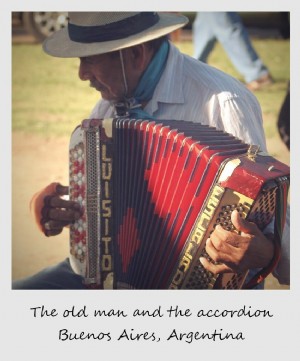
At sunset, Buenos Aires pulses to the rhythm of tango. Old gentlemen play cards in corner bars as Carlos Gardel’s voice drifts from transistor radios, children perform on the bandoneón (accordion) for tourists in the Subte, and local dancers prepare for evening milongas (social dances) amid classic tango tracks from vintage sound systems.

This iconic dance and music form is thriving in Buenos Aires. Nostalgic veterans reclaim their pride, while international visitors are captivated by its melancholic allure. Stroll by San Telmo’s Plaza Dorrego during Sunday night milongas, and watch young travelers test their new tango steps with seasoned partners.
Social milongas in historic dance halls draw crowds. Confitería Ideal’s afternoon sessions are popular, but the Saturday night event, lasting until 4 a.m., is electric.
Once scorned by porteño (Buenos Aires local) elites as a working-class pursuit, tango originated in late-19th-century brothels. Immigrants and rural migrants danced while awaiting turns, blending African, Spanish, Italian, and Argentine influences into a raw expression of machismo, passion, and nostalgia—accompanied by Spanish-Italian melodies, criollo (Argentine-born) poetry, and Afro-Uruguayan candombe rhythms.

Early 20th-century Argentine musicians introduced tango to Paris, sparking a European craze. By 1913, it conquered ballrooms worldwide, finally winning over Buenos Aires’ Recoleta aristocracy. In 1917, Carlos Gardel’s ‘Mi Noche Triste’ (My Sad Night) became the genre’s anthem, defining porteño laments of lost love and shifting neighborhoods with his signature croon.
Tango evolved through orchestra eras, peaking with Astor Piazzolla’s 1970s bandoneón innovations fusing it with jazz and classical. Post-2001 crisis, Daniel Melingo added rock edges and modern lyrics. Collectives like Bajofondo (formerly Bajofondo Tango Club) and Gotan Project popularized tango electrónica, blending sensuality and energy for global appeal.
See It
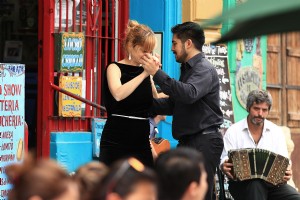
Tango classes, milongas, and shows abound. Tourist-oriented spectacles offer glamour, though purists debate authenticity—they’re still enjoyable. Intimate, affordable shows provide closeness without flash. For free performances (tip-based), visit Galerías Pacífico daily; Sundays in San Telmo’s Plaza Dorrego (watch belongings); or weekends on La Boca’s Caminito.

Hear It
Start with Carlos Gardel (1887–1935), tango’s legendary singer. Juan D’Arienzo’s orchestra dominated the 1930s–1940s. Key 1940s leaders include Osvaldo Pugliese, Héctor Varela, and bandoneón virtuoso Aníbal Troilo. Astor Piazzolla revolutionized it, influencing fusions like Bajofondo’s tango electrónica.
Learn It
Classes are ubiquitous—hostels, cultural centers, milongas—often in English for international students. Affordable milongas begin afternoons or evenings. Try ‘La Glorieta’ at Barrancas de Belgrano bandstand: free lessons pre-8 p.m. Sundays.
The Etiquette
Tango demands respect. Partners are selected via subtle codes. Sit floor-side if solo; couples sit back. The cabeceo—nod, eye contact, raised brows—invites from afar. Accept or ignore discreetly. Dance at least two songs; a single-song ‘gracias’ signals disinterest. Avoid eye contact to decline.

Get Started: Buenos Aires’ Best Tango Halls
- El Beso: Traditional upstairs spot with skilled dancers, great vibe, and entry bar.
- Gricel: Weekend classic (taxi needed); attracts elegant older crowd.
- La Marshall: Famous for ‘Milonga Gay’ (classes 10:30 p.m., dancing 11 p.m.).
- La Viruta: Basement of Asociación Cultural Armenia; excellent beginner classes.
- Niño Bien: Stunning ballroom (taxi; arrive early, dress sharply).
- Salon Canning: Hosts top dancers; Parakultural events shine.
- Sin Rumbo: Historic neighborhood gem in Villa Urquiza (taxi); pros gather.
Subscribe to our weekly newsletter for travel inspiration, tips, and deals.
Protect your adventures with travel insurance from trusted partners.