Research Reveals: Vacation Planning Boosts Happiness, Productivity, and Relationships
In 2015, I embarked on a 10-day trip to Thailand—a substantial break by U.S. standards. There, I encountered travelers from Australia, Canada, and the U.K., whose multi-month adventures put my journey in perspective. I explained that American work culture favors more modest vacations.
That year, 55% of Americans left 658 million vacation days unused, according to Project: Time Off research. This not only cost the U.S. economy $223 billion in potential spending but also carried emotional consequences.
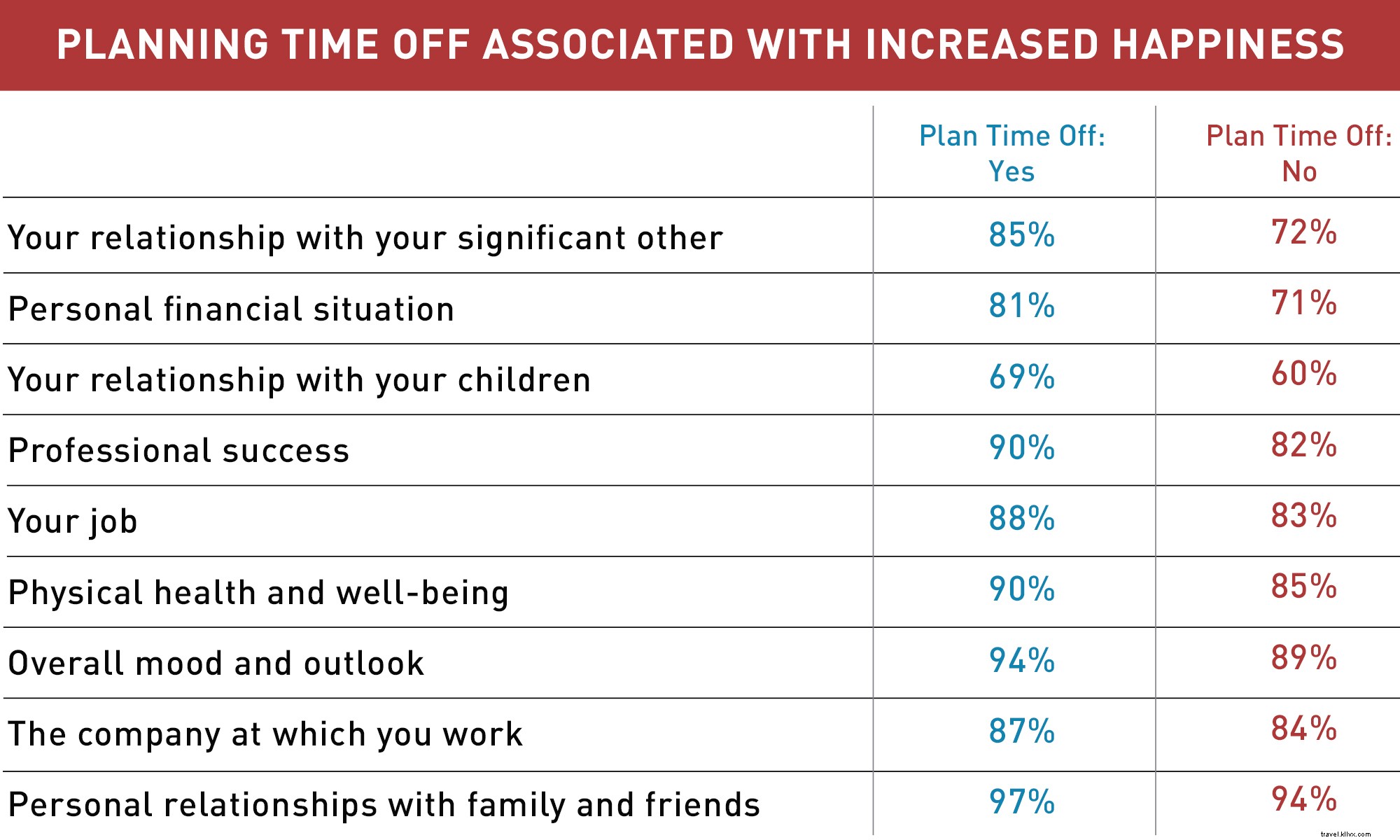
Studies show that time spent planning vacations directly correlates with increased happiness in personal and professional life, as illustrated in the chart below.
No single destination guarantees joy—a Caribbean beach or Italian escape isn't for everyone. The key is intentional unplugging for maximum benefit.
Start with planning and affirm: “I deserve this. I earned it. It will enhance my work and home life.” That's my pre-booking ritual.
Overcome reluctance to request time off. Nearly 60% of employees feel unsupported by bosses, and 65% hear discouraging messages. Advance planning ensures a seamless handover.
Focus on what brings you joy: Napa for wine lovers or New Zealand for thrill-seekers.
Thorough research on seasons, accommodations, flights, and deals reduces stress. Per surveys, 90% of planners report higher well-being (vs. 85% non-planners) and 81% better financial satisfaction (vs. 71%). Travelzoo helps budget trips, like our Azores package for a family of four under $2,000 including air and hotel.
Anticipation elevates mood; planners lead in outlook and professional success (90%). Having visited 11 countries in five years, I feel renewed vigor post-trip, aligning with data on career contentment.
Finally, vacations fortify relationships—the biggest gap between planners and non-planners. From planning to return, shared experiences deepen bonds with loved ones or self.