Discover the Rich African American Heritage Shaping the Grand Strand's History
The vibrant essence of the Grand Strand—what we cherish about Myrtle Beach and beyond—owes much to its deep African American heritage. Dating back to the 1700s, this legacy continues to influence the region's culture and its status as a premier tourism destination today.
From local cuisine to distinctive dialects, traces of African American history permeate daily life. Beyond the beaches, key sites offer immersive experiences into this storied past.
Begin in the Lowcountry, a coastal region of South Carolina starting about 25 minutes south of Myrtle Beach. "Lowcountry" refers to areas with lower sea levels, featuring marshlands pivotal for rice cultivation in the 18th and 19th centuries.
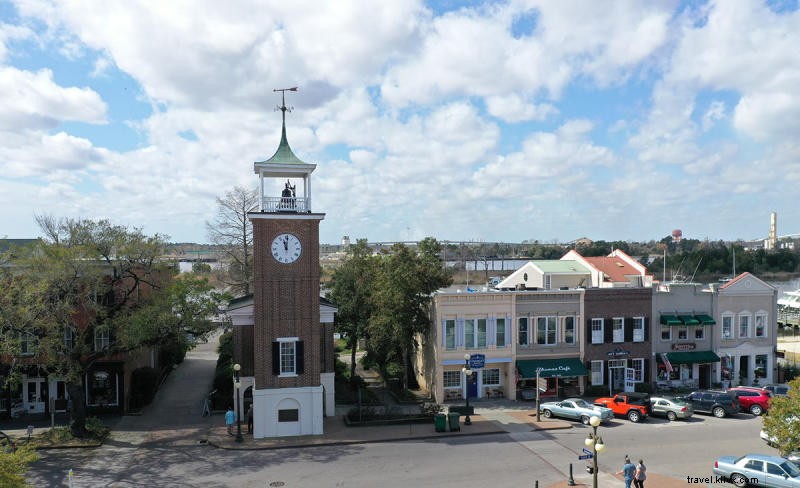
Built in 1842 and 1857 in Georgetown, SC, the Old Market Building and Town Clock originally housed a courthouse and jail. Today, they form the Rice Museum, honoring the rice industry's profound impact along the Waccamaw, Black, Pee Dee, Sampit, and Santee Rivers. West Africans, enslaved for their rice-growing expertise, cultivated these fields, producing nearly half of America's rice crop by 1840. This industry shaped South Carolina, U.S., and global history—and even our modern diets.
A must-visit gem is Brookgreen Gardens, founded in the early 1930s by sculptor Anna Hyatt Huntington and her husband, Archer Huntington, heir to a railroad fortune. Spanning over 9,000 acres on four former rice plantations, it boasts the nation's largest collection of American figurative sculpture.
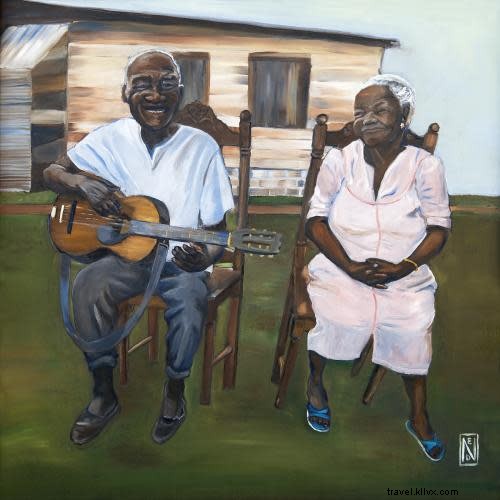
The site features the Lowcountry History Center and Lowcountry Trail, illuminating life on rice plantations. Brookgreen hosts Gullah Geechee programs year-round, often led by Ron Daise, Vice President for Creative Education and a Gullah descendant. This unique culture, born from West African enslaved rice workers since the 1700s, deeply enriches Grand Strand traditions.
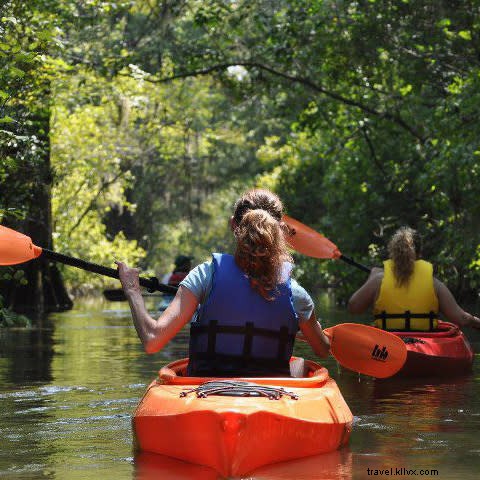
Nearby, explore Sandy Island via tour. Home to about 120 residents, many Gullah Geechee descendants, its 9,000+ acres form the East Coast's largest undeveloped freshwater island—ideal for wildlife viewing. Black River Outdoors Center offers 4- or 6-hour kayak tours to secluded spots; local guides also provide island tours seasonally.
South of Brookgreen lies Hobcaw Barony, a 16,000-acre research and education preserve established in the early 1900s by philanthropist Bernard M. Baruch. It preserves sites reflecting African American life from the early 1800s to mid-1900s, including graveyards, villages, archaeological areas, rice fields, and roads. The intact Friend Field village features a "street" with five preserved structures.
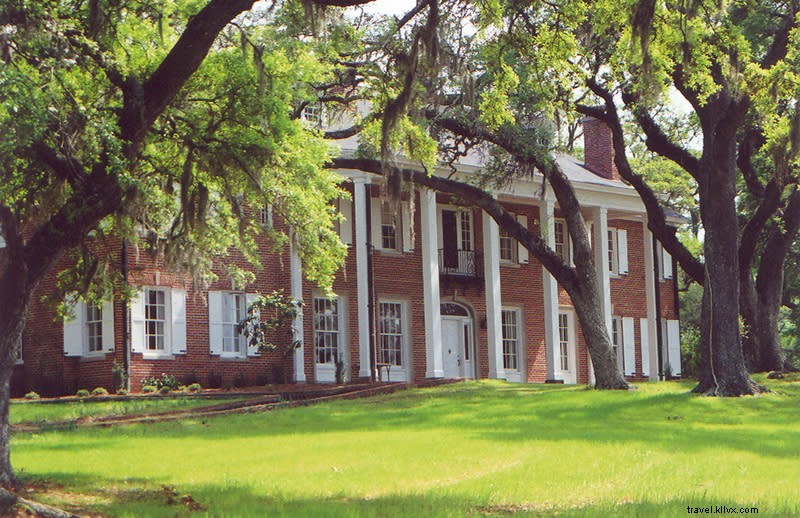
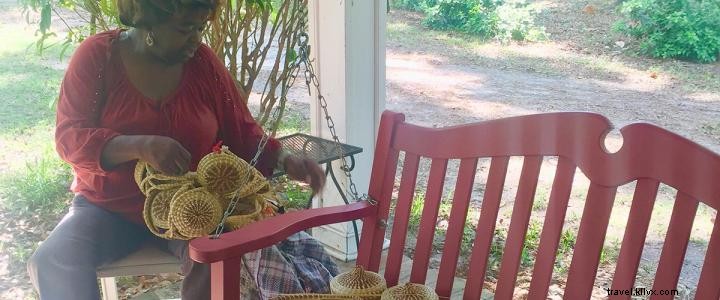
In Georgetown, SC, Hopsewee Plantation, built in 1740, was a major rice estate and birthplace of Declaration of Independence signer Thomas Lynch, Jr. Now a private residence, it offers tours of the house and original slave cabins several days weekly. Join Sweetgrass Basket Making Workshops, a Lowcountry craft introduced by enslaved Africans using riverbank grasses essential for rice harvesting. Led by Gullah descendants, these preserve vital cultural history. (Note: Hopsewee was temporarily closed due to COVID; verify current status.)
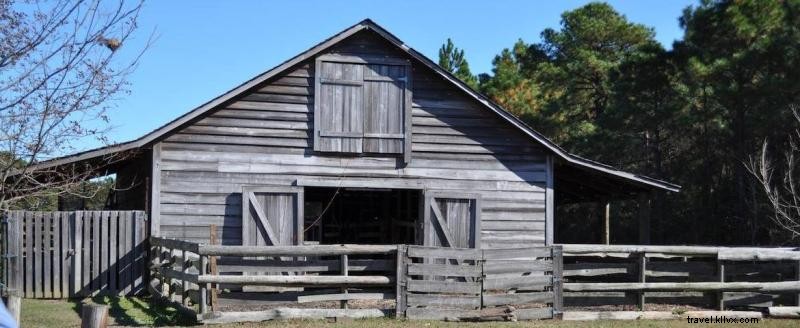
Inland in Myrtle Beach, Freewoods Farm recreates post-Civil War life through African American farmers' eyes. This 40-acre living museum—America's only African American historical farm—invites visitors to harvest corn, peanuts, sweet potatoes, and sugarcane, or help make syrup.
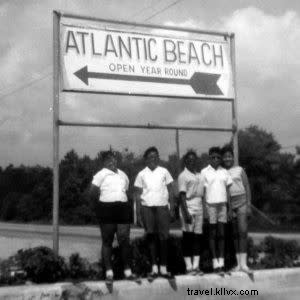
Atlantic Beach, the Grand Strand's only Black-owned beach and smallest strand, draws Gullah Geechee descendants preserving their historic retreat. Nestled between Myrtle Beach and North Myrtle Beach, it offers serene ocean walks and pristine sands.
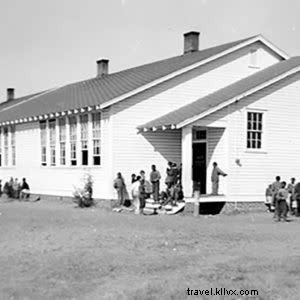
In central Myrtle Beach, two blocks from Ocean Boulevard, the Historic Myrtle Beach Colored School & Education Center and Charlie’s Place highlight early-to-mid-20th-century history, just half a mile apart.
The Historic Myrtle Beach Colored School & Education Center, built in 1932, serves as a museum recreating pre-desegregation African American education. Revived in 2005 with city support, it chronicles the 1950s community growth era.
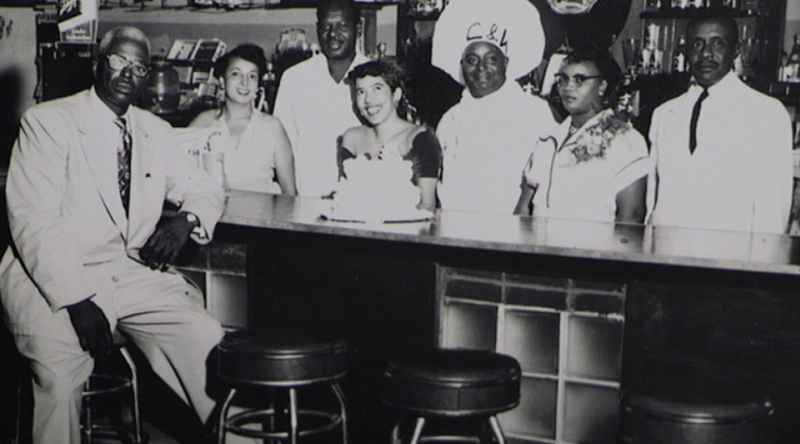
Recently restored by the City of Myrtle Beach, Charlie’s Place was nightclub owner Charlie Fitzgerald and wife Sarah's venue, hosting legends like Dizzy Gillespie, Little Richard, and Billie Holiday. Guests stayed at their adjacent Fitzgerald Hotel. The refurbished home now functions as an event center; reconstructed motel rooms depict segregated-era travel.