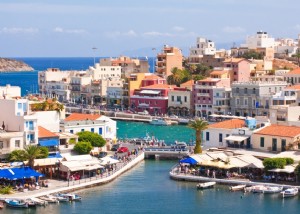
Visiting Japan? Don't Miss Okinawa: The Legendary Land of Immortals
While mainland Japan buzzes with bullet trains, vibrant cities, and formal traditions, Okinawa delivers a relaxed escape amid tropical beaches, tight-knit communities, and endless sugar cane fields.
The Okinawa Prefecture comprises 160 islands stretching 250 miles south of mainland Japan. Okinawa is the largest island, reachable by a three-hour flight from Tokyo or Hong Kong. These islands draw Japanese, Chinese, and other Asian travelers—and they deserve a spot on your itinerary too.
Our Travelzoo team in Japan shares expert tips on why Okinawa should top your Asia vacation list.
1. Experience a Completely Different Vacation Vibe
Okinawa contrasts mainland Japan's intensity as its laid-back counterpart. Life here moves on 'Okinawan time,' a refreshing shift from the mainland's rapid pace. The culture, cuisine, and history feel uniquely distinct. 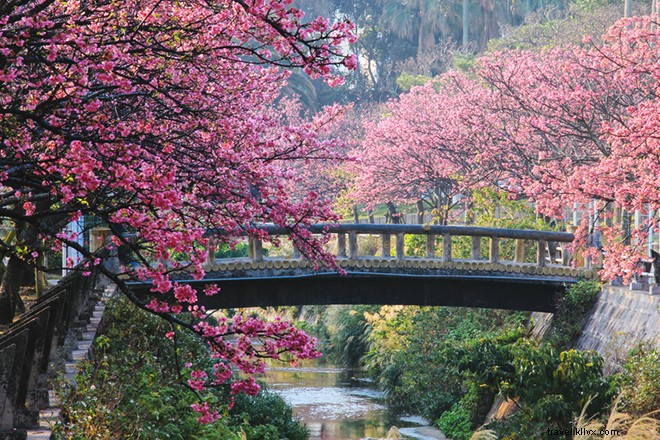 Most flights arrive in Naha, the capital on Okinawa's southern tip and a key cruise port for lines like Celebrity, Silversea, and Royal Caribbean.
Base yourself in Naha for diverse dining, nightlife, and culture. For luxury resorts like the Ritz-Carlton or Marriott, head north to Nago and Onna.
The main island is compact—rent a car to explore highlights like Nakijin Castle and Manza Cape in days. Then hop to outer islands for pristine beaches, world-class diving, and authentic traditions.
2. Japan's Premier Tropical Paradise
Discover Instagram-worthy beaches, year-round temperatures above 60°F (15°C), and crystal-clear turquoise waters. Outer islands, accessible by short ferry or flight from Naha, boast the most breathtaking scenery.
Must-visit beaches: Sunayama on Miyako Island, Furuzamami on Zamami Island, and Emerald Beach on the main island.
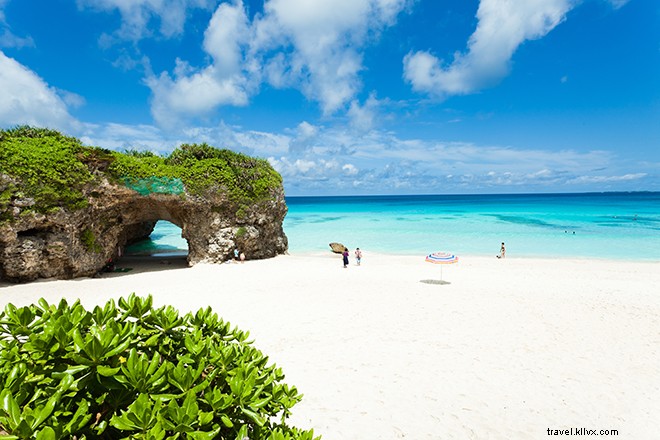
On Hateruma Island, the water's unique blue hue even has its own Japanese term.
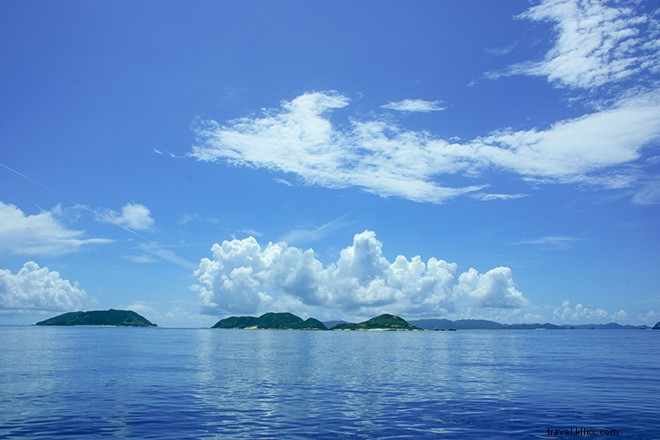
3. Dive into Underwater Wonders
Submerge in visibility-perfect waters teeming with coral reefs—a scuba and snorkeling haven. Miyako Island stands out.
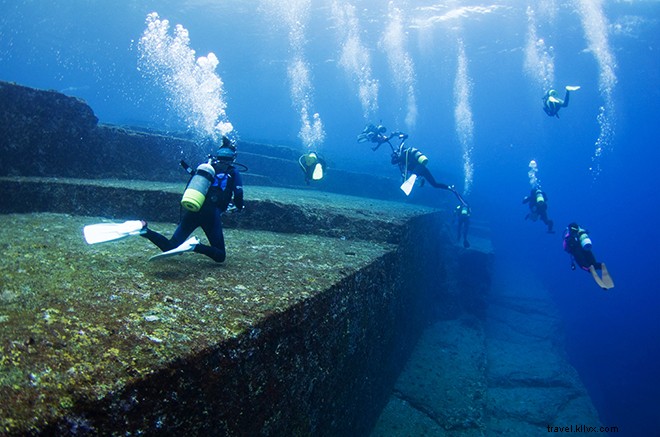
A one-hour flight from Naha (with directs from Tokyo and Osaka), it offers serene beaches, easy snorkeling, and deeper dives to caves and vibrant marine life. 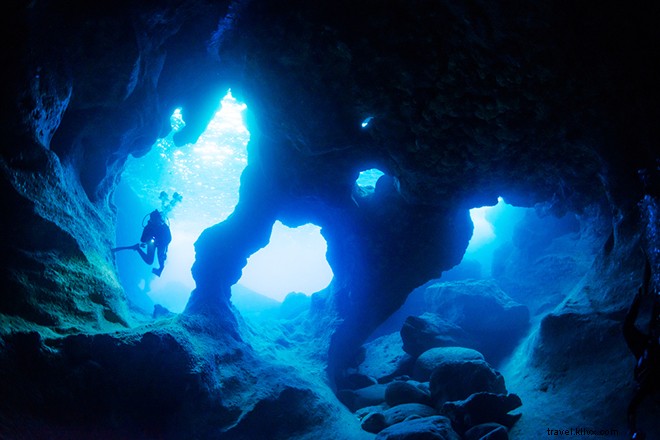 Closer to Taiwan, Yonaguni dazzles advanced divers with the mysterious 'Yonaguni Monument'—natural formations or ancient ruins? Plus, beach horseback riding.
  On the main island, snorkel the license-free Blue Cave at Cape Maeda amid stunning blues (expect crowds).
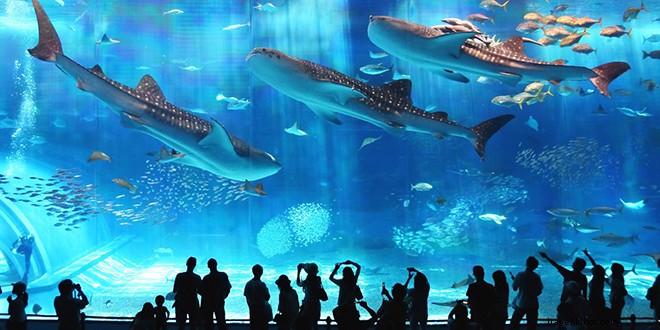
Non-divers: Visit the Okinawa Churaumi Aquarium, home to one of the world's largest tanks with whale sharks and manta rays in ocean-fresh water.
4. Uncover the Secrets to Longevity
Nicknamed the 'Land of Immortals,' Okinawans are five times more likely to reach 100 than other Japanese—and Japan leads global life expectancy. Lower rates of cancer, heart disease, and dementia persist, with women outliving anyone worldwide, thanks to diet, exercise, community, and genetics. 
5. Rich, Distinct Cultural Heritage
Independent until 1879, Okinawa blends Ryukyu, Chinese, and native influences predating Japan.
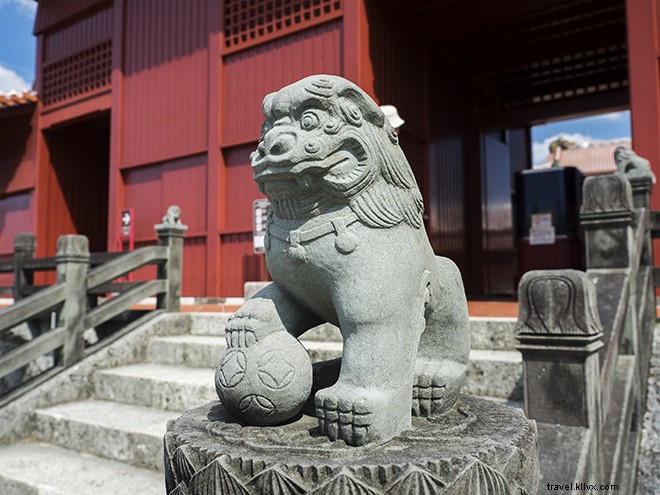
Gusuku castles from the 13th century include nine UNESCO World Heritage sites, like Shuri Castle near Naha—the Ryukyu Kingdom's heart for 450 years, rebuilt post-WWII in 1992. 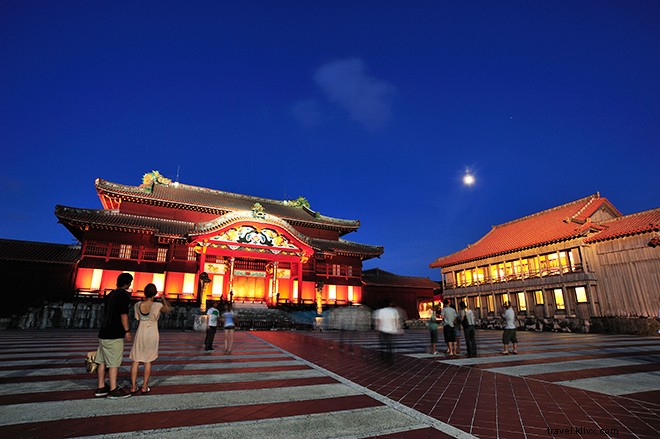 Spot protective Shisa lion statues in pairs at gates. Souvenir favorites!
6. Birthplace of Karate
Karate originated here as a non-weapon martial art. Global enthusiasts train with master senseis. Explore disciplines at museums, like the new Okinawa Karate Kaikan in Tomigusuku near Naha—museum, dojo, and training center. 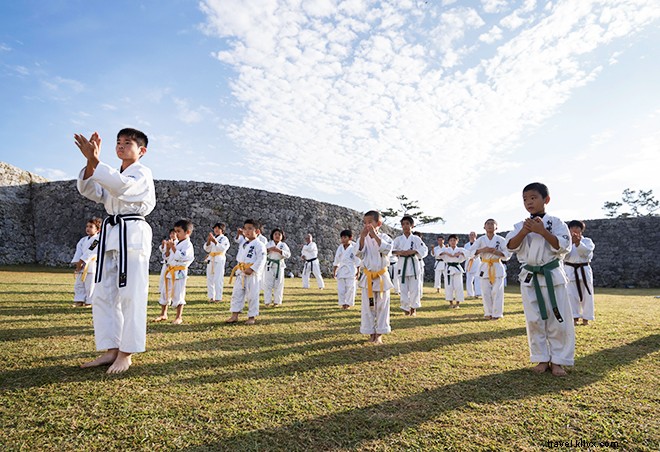
7. Savor Unique Okinawan Cuisine
Indulge in fresh seafood (tuna), slow-cooked pork, and superfoods like goya (bitter melon) and sea grapes. At Naha's Makishi Public Market, buy seafood or beef, then cook upstairs.
Pork reigns supreme—'everything but the squeal' is eaten. Try soul-food Okinawan soba: pork belly and wheat noodles in pork-bonito broth. 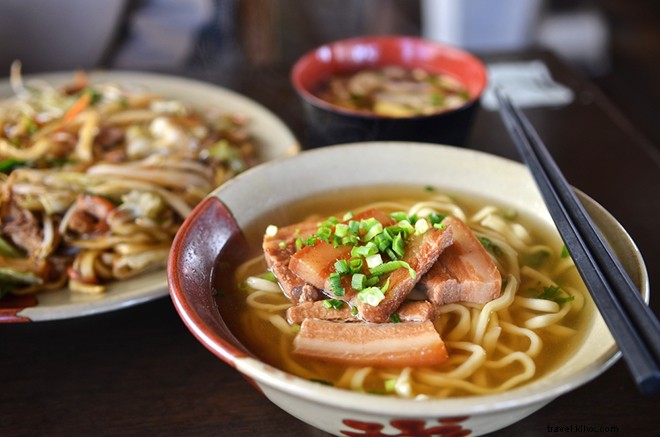 Practice hara hachi bu—eat to 80% full. Dine intimately on tatami mats; pair with awamori rice liquor.
8. Familiar American Touches
U.S. bases bring English speakers, menus, and comforts easing travel vs. mainland Japan. Japanese visitors seek 'America' here sans passport. Enjoy burgers, fries, or taco rice—tacos deconstructed over rice.
9. The 'Galápagos of the East'
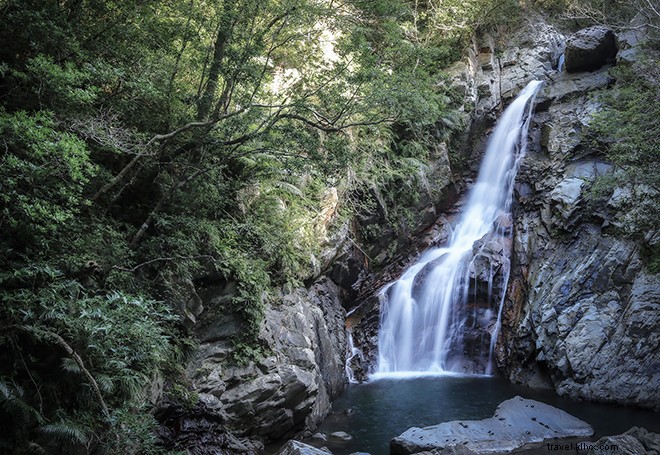
Chase nature: Iriomote's forests, mangroves, and rare wildlife. 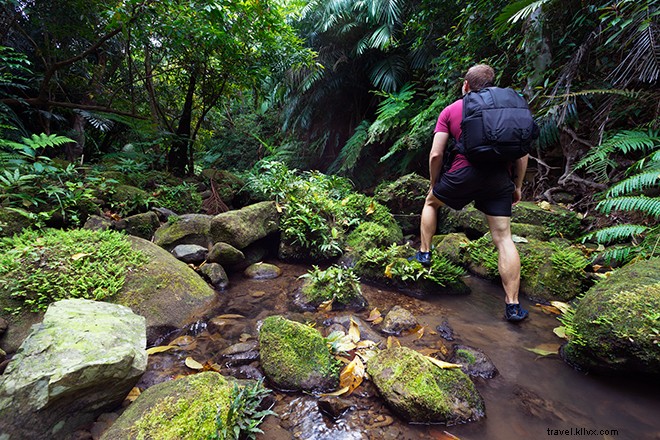 Hike to Hiji Falls on northern Okinawa.
  Ferry to Zamami/Tokashiki for January-March humpback whale watching.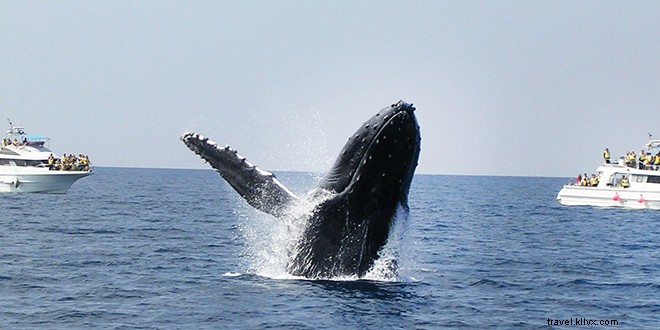
10. Easy Access Options
Fly direct from 23 Japanese airports, plus China, Hong Kong, Taiwan, Thailand, and South Korea. From Tokyo/Osaka, reach Ishigaki or Miyako directly. Island hops from Naha: 30-90 minutes. Ferries available too.
Cruises from Japan, China, or the U.S. often include 1-2 days in Naha.
Tips for Getting Around Okinawa
- The YuiRail monorail links 15 Naha stations, including Shuri Castle. Buy 1- or 2-day passes.
- Buses, taxis (cheaper than mainland), or rental cars work island-wide. Note: Drive on the left.