

Hidden Historical Gems of the Outer Banks: Lesser-Known Sites to Explore
The Outer Banks (OBX) of North Carolina boasts a rich tapestry of history, from America's first English settlement and the Wright Brothers' pioneering flight to pivotal naval battles. Home to three national parks, the region offers endless discovery. Here are some lesser-known historical spots to enrich your next OBX visit.
The Monument to a Century of Flight
(pictured above) Dedicated during the 2003 First Flight Centennial, this striking monument symbolizes humanity's flight journey from earth to space. Fourteen stainless steel, wing-shaped pylons rise from 10 to 20 feet within a 120-foot orbit—mirroring the Wright Brothers' historic first flight distance. Black granite panels detail 100 key aviation milestones. Pair it with the must-see Wright Brothers National Memorial and the marker on Moore Shore Road (0.1 miles from W. Kitty Hawk Road, right side heading south), commemorating Wilbur Wright's 1900 glider assembly site.
Outer Banks History Center
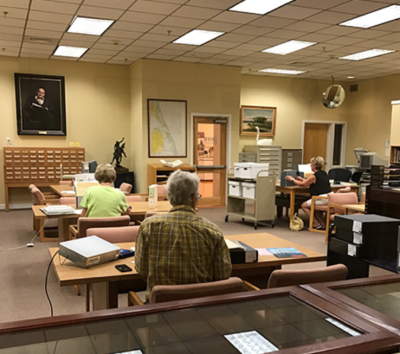
Delve into local lore, trace family roots, or uncover vintage photos at the Outer Banks History Center, a North Carolina State Archives facility. Its collections feature books, magazines, thousands of photographs, postcards, maps, personal papers, oral histories, and more. Situated opposite the Manteo waterfront in the Roanoke Island Festival Park complex, it's open to the public. Most services, including gallery entry, are free. Reading Room: 9 a.m.–5 p.m. weekdays (closed state holidays). Gallery: 7 days weekly, seasonal hours.
Pea Island Cook House
Pea Island Lifesaving Station, the U.S. Lifesaving Service's first all-Black crew station (1880–1947), honored its heroes in the restored cookhouse. Artifacts, relics, photos, and memorabilia vividly recount the crews' daring rescues along the treacherous Outer Banks shores.
The Freedmen’s Colony of Roanoke Island
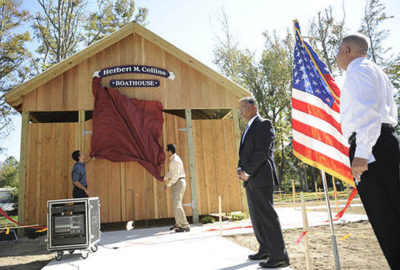
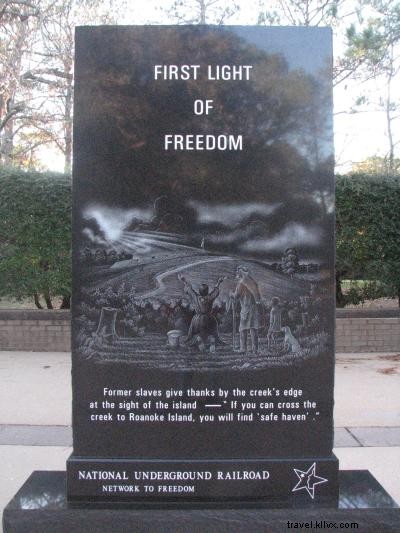
From 1862–1867, this National Underground Railroad Network to Freedom site housed 3,000 formerly enslaved people from northeastern North Carolina. A 2001 marker and commemorative park along Croatan Sound—accessed via a wooded path north of Fort Raleigh—honor this pivotal chapter.
Civil War Trail
Trace the Dare County Civil War Trail across Roanoke and Hatteras Islands for an immersive look at the Outer Banks' wartime past.
Frisco Native American Museum and Natural History Center
In Frisco village, explore a premier collection of Native American artifacts, U.S.-wide exhibits, and Hatteras Island's original inhabitants' history. A North Carolina Environmental Education Center and Historic Albemarle Tour site, it offers a bird observation room and accessible nature trails through maritime forest. Open 11 a.m.–5 p.m., Tuesday–Sunday.

Croatan Archaeological Society
The Croatan Archaeological Society educates on Hatteras Island's ancient past through displays at the Hatteras Public Library/Community Building and Hatteras Island Ocean Center in Hatteras Village.