Beyond the Jungle: Costa Rica's Must-See Cultural Highlights
Costa Rica is celebrated for its stunning natural wonders—from lush cloud forests and majestic volcanoes to dramatic river gorges. Yet, this paradise offers much more than adventure pursuits like canopy tours and white-water rafting. You can build an unforgettable itinerary centered on its vibrant cultural heritage. Discover seven standout attractions that showcase the country's rich traditions:
The National Theater in San José
Dress elegantly, enjoy Champagne during intermission, and pose for a photo beside Beethoven's statue at the iconic Teatro Nacional. This 1897 neoclassical gem, inspired by the Paris Opera House, blends Carrara marble, Belgian metalwork, and local tropical woods. Built to attract Europe's top opera stars, it succeeded and recently marked 120 years of captivating performances.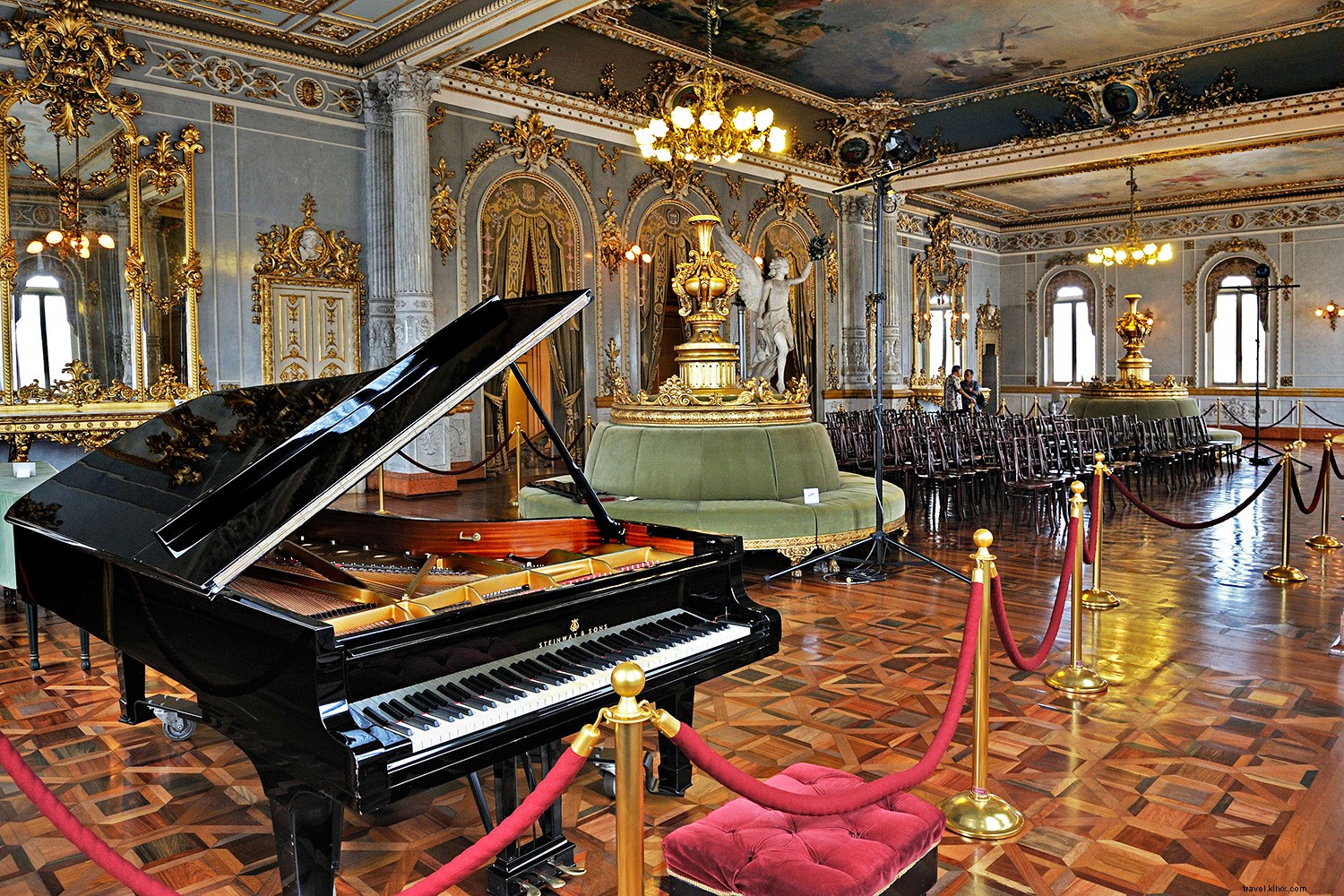
Don't miss the intermezzo ceiling mural depicting a coffee and banana harvest, painted by an Italian artist who never visited Costa Rica—note the artistic liberties like coffee in the wrong region and upside-down bananas. USA Today hails it as one of the world's best ceilings. Catch the National Symphony Orchestra from April to November, or events like the International Piano Festival on July 17, an all-Costa Rican concert on September 11, or a flamenco festival on October 2. Guided hourly tours allow you to experience the grandeur even without a show.
The Oxcarts of Sarchí
Two-wheeled oxcarts, or carretas, embody Costa Rican spirit, much like the ubiquitous greeting pura vida. Originating in the 19th century, these sturdy carts—often oxen-pulled—transported coffee, sugar cane, and tobacco to markets. Today, Sarchí's artisan community crafts vibrant, intricately painted miniatures found in nearly every Tico home.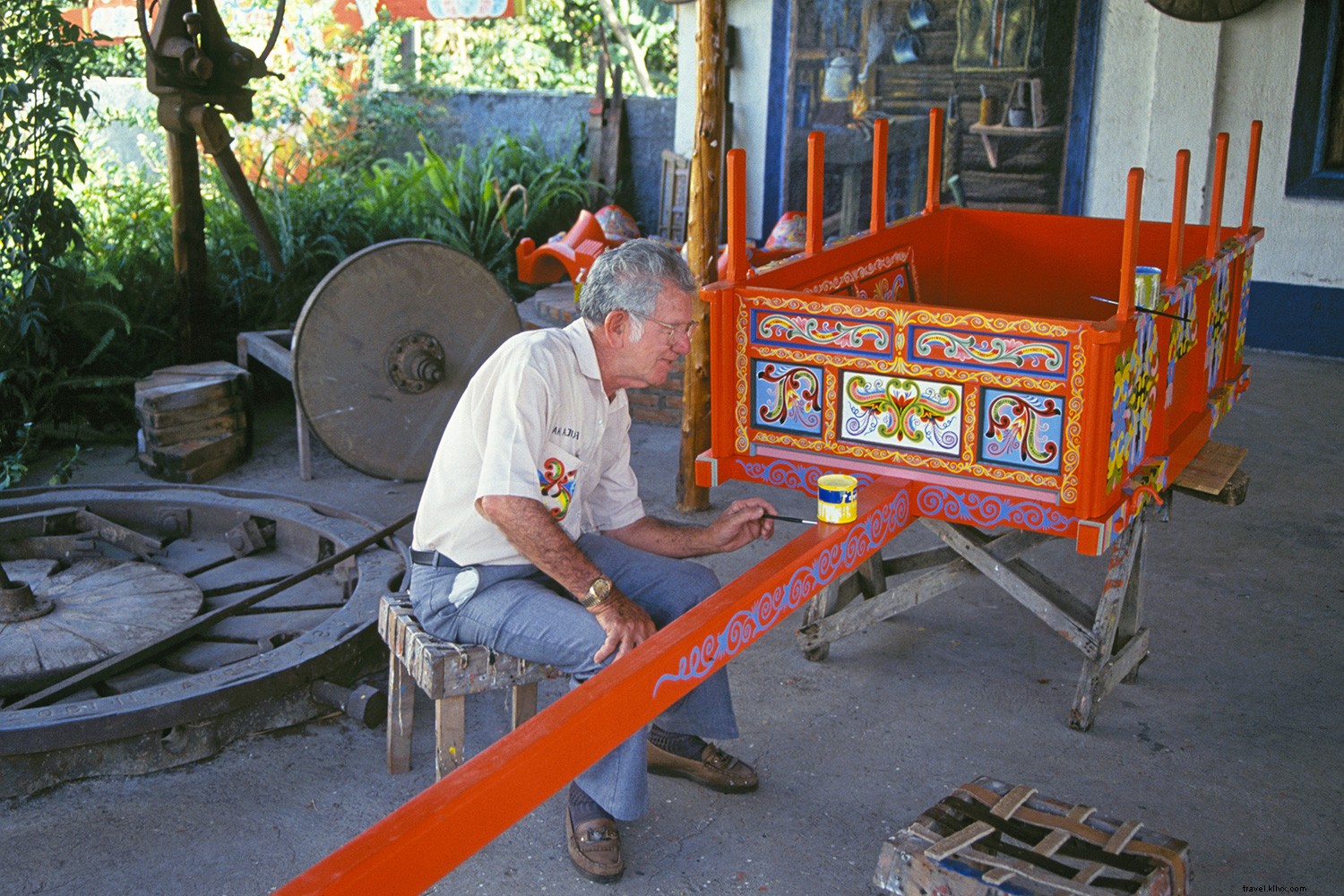
In the town square, marvel at the Guinness World Record's largest oxcart: a massive 2-ton, 45-foot behemoth, five times the size of a standard one.
The Jade Museum in San José
Redefine your understanding of jade at this enlightening museum, where the gem reveals a stunning array of colors. Modern halls, designed to evoke glistening jade, house the world's largest collection of over 7,000 pre-Columbian artifacts from 600 BCE to 500 CE—when jade outvalued gold.
Explore indigenous carvings like anklets, pendants, vessels, and figurines, alongside ancient tools and ceramics, including a striking polychrome terra-cotta vase with embedded human teeth..jpg?width={width}.a1b2c3d4.jpg)
Afro-Caribbean Culture in Cahuita
Immerse in Costa Rica's Afro-Caribbean rhythms in charming Cahuita, where descendants of 19th-century laborers play banjo, washtub bass, and percussion for a distinctive calypso sound in local bars and eateries. The town honors calypso legend Walter Ferguson with an annual festival.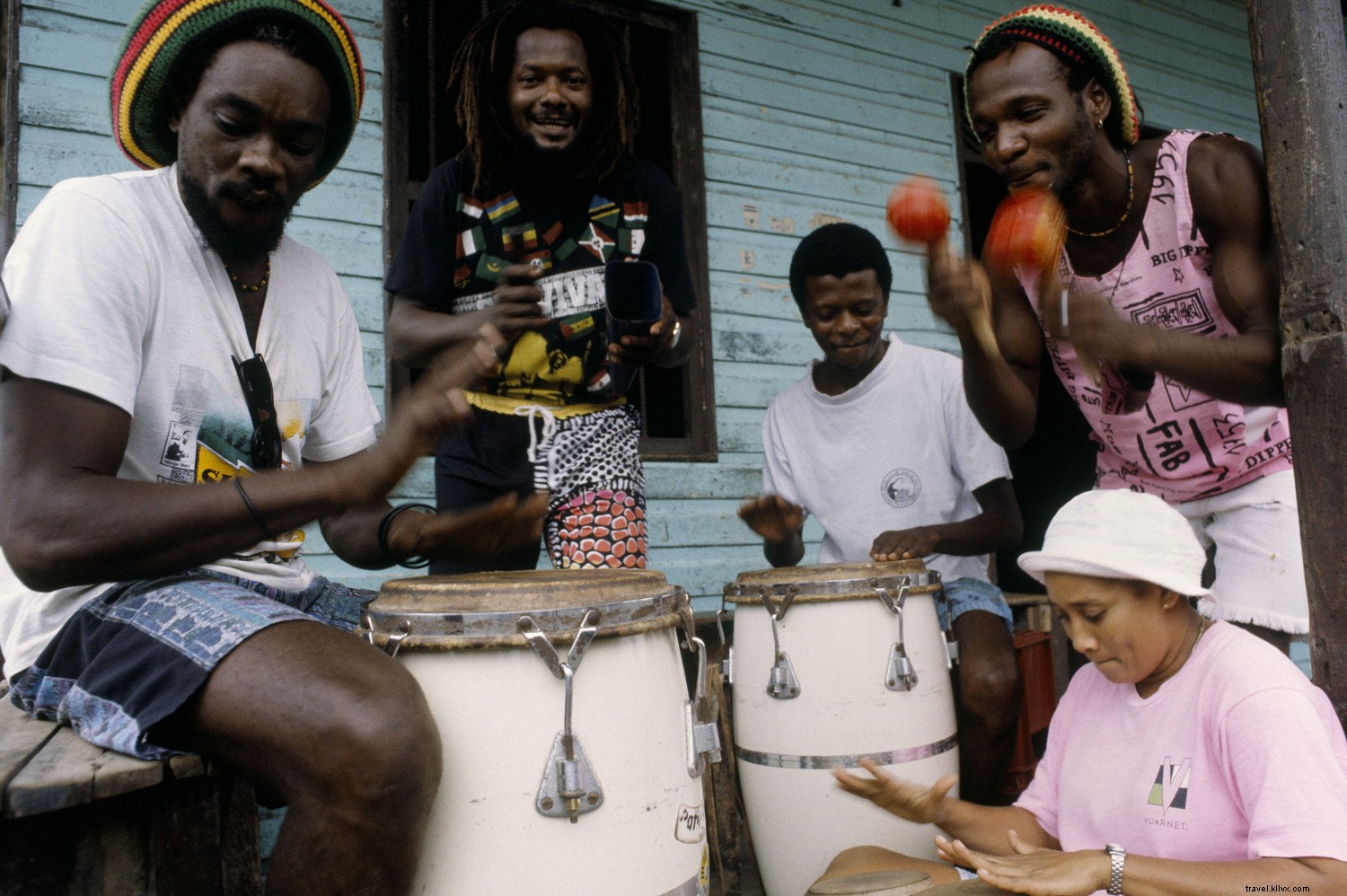
Pair the music with staples like gallo pinto (spiced rice and beans), jerk chicken, rondón stew, or fresh seafood and veggies in coconut sauce.
The Pottery of Guaitíl
Guaitíl's earthenware, using 5,000-year-old Chorotega techniques, fits seamlessly in modern homes. Potters source mud clay from nearby hills, mix it with 'iguana sand,' and adorn pieces with hummingbirds, toucans, and nature motifs before firing.
Browse designs at stalls by the soccer field, then visit the Ecomuseum of Chorotegan Ceramics in San Vicente for deeper insights.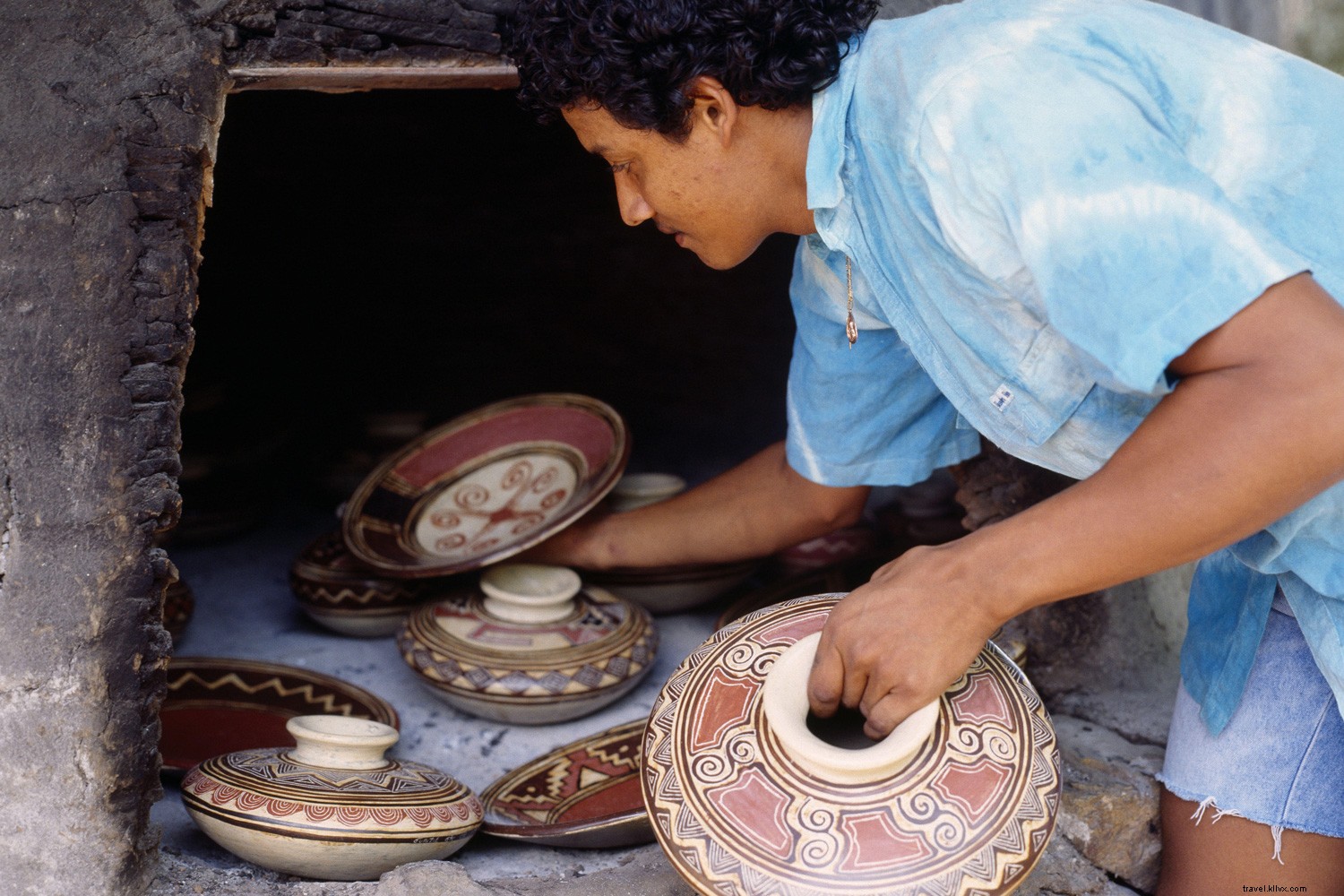
The Cowboy Culture of Guanacaste
Horses are a preferred mode of transport in Guanacaste, where Spanish-introduced cowboy traditions thrive. Experience it at the 133-year-old Hotel Hacienda Guachipelín with its Saturday rodeo featuring prancing horses, skilled sabaneros, and bull wrestling. Join the Cowboy for a Day from 5:45 a.m., milking cows, herding cattle, and more.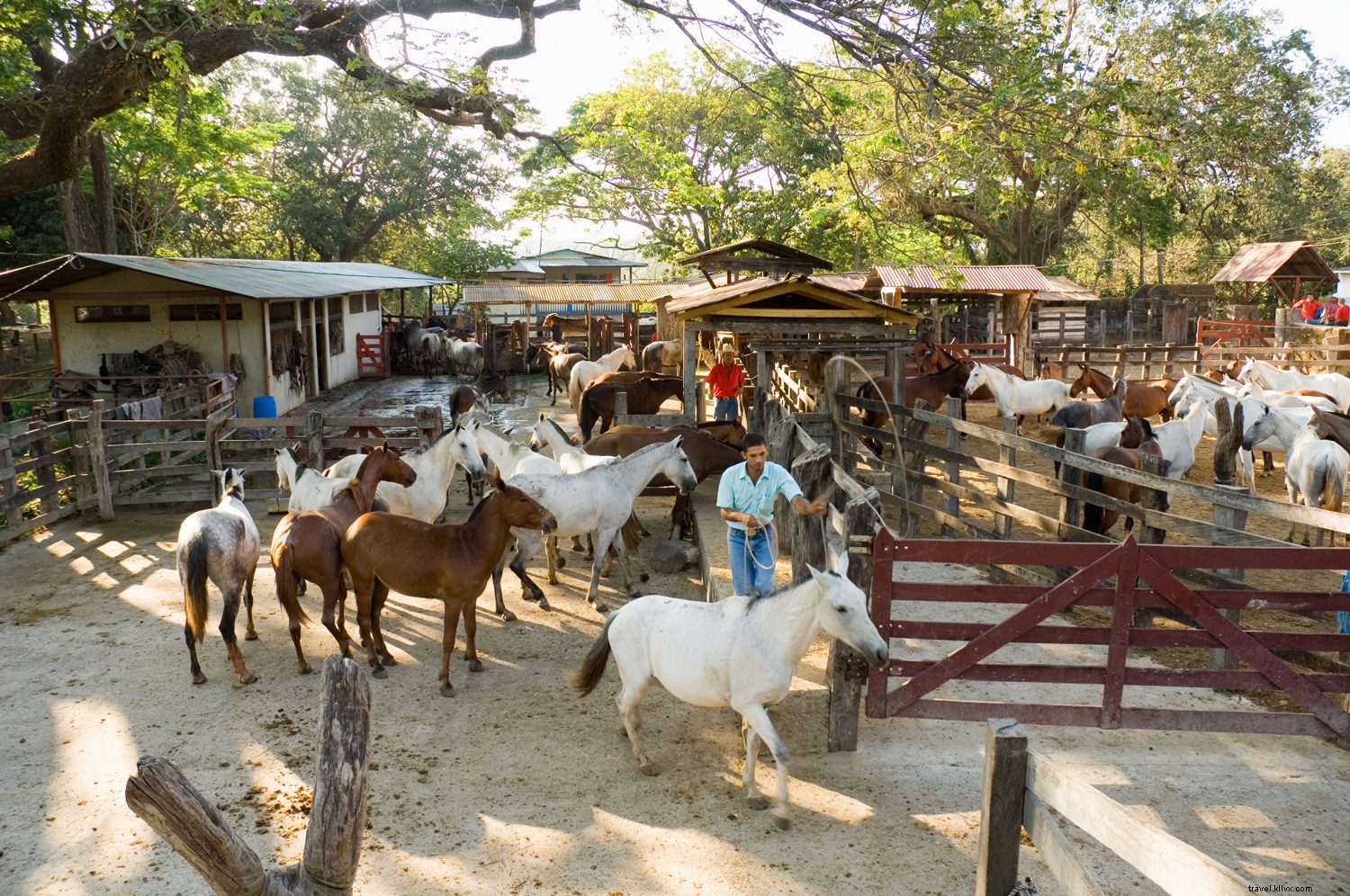
Evenings bring marimba music—the national instrument—paired with sopa de albondigas or olla de carne, and a cold Imperial beer.
The Ceremonial Masks of Boruca
Boruca's devil masks stand out among Costa Rica's wood carvings. During the New Year's Fiesta de los Diablitos, villagers wear painted balsa masks to reenact battles against Spanish colonizers, symbolized by a bull-costumed figure who always loses.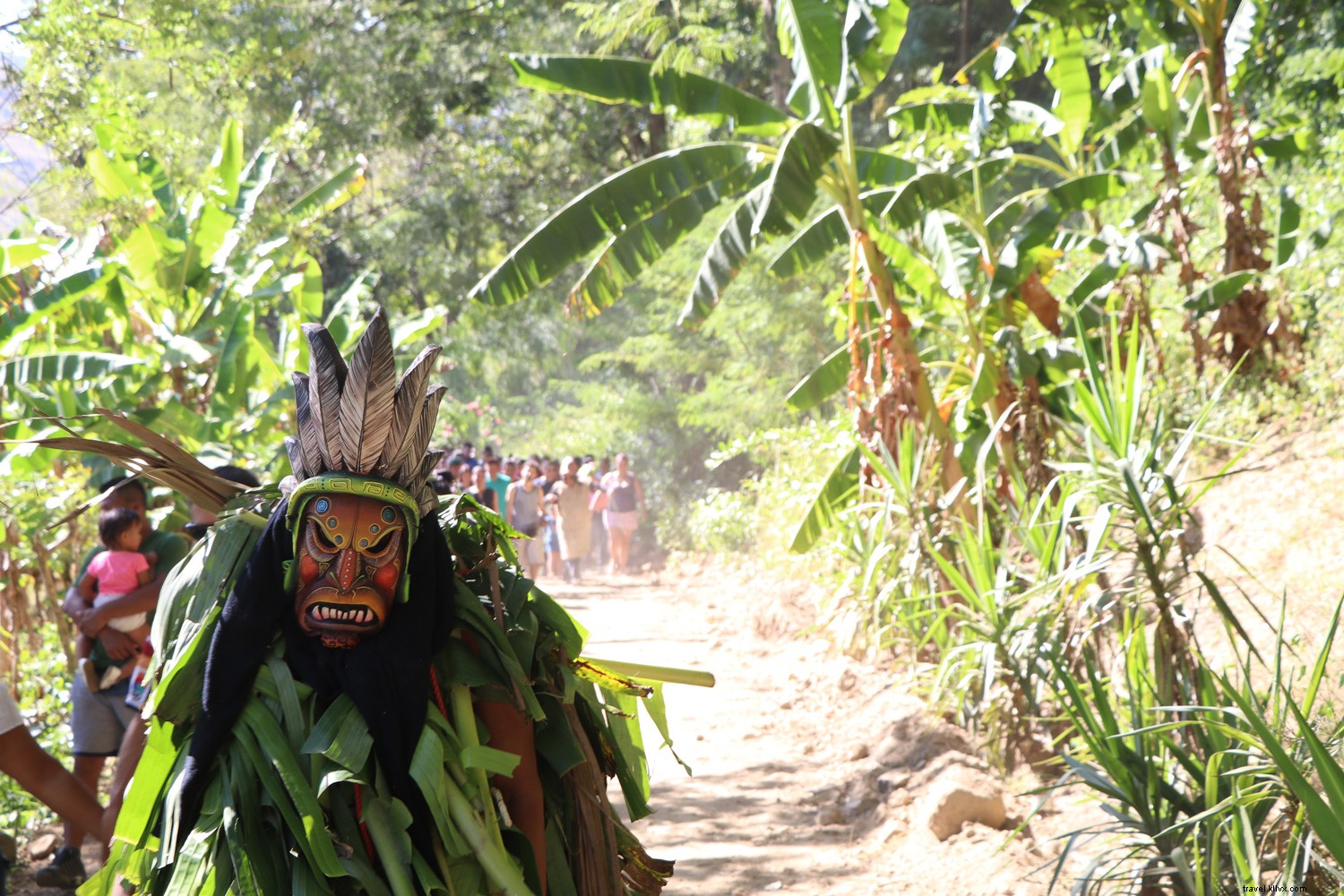 Drive scenic mountain roads to the reservation's Museo Comunitario Indígena de Boruca. Shop for masks, carved gourds, and woven items. Respect traditions by asking before photos.