
Cuba's Musical Soul: The Vibrant Rhythms That Define the Island
Rich, vibrant, layered, and deeply soulful, Cuban music stands as a cornerstone of Latin American sounds. From the historic docks of Matanzas to the lush villages of the Sierra Maestra, iconic genres like son, salsa, rumba, mambo, chachachá, charanga, and danzón trace their origins to Cuba's dynamic musical heritage.
Cuba's gift to global music transcends any single artist or style. It's an irresistible call to dance and a direct infusion of joy that captivates the heart.
Salsa
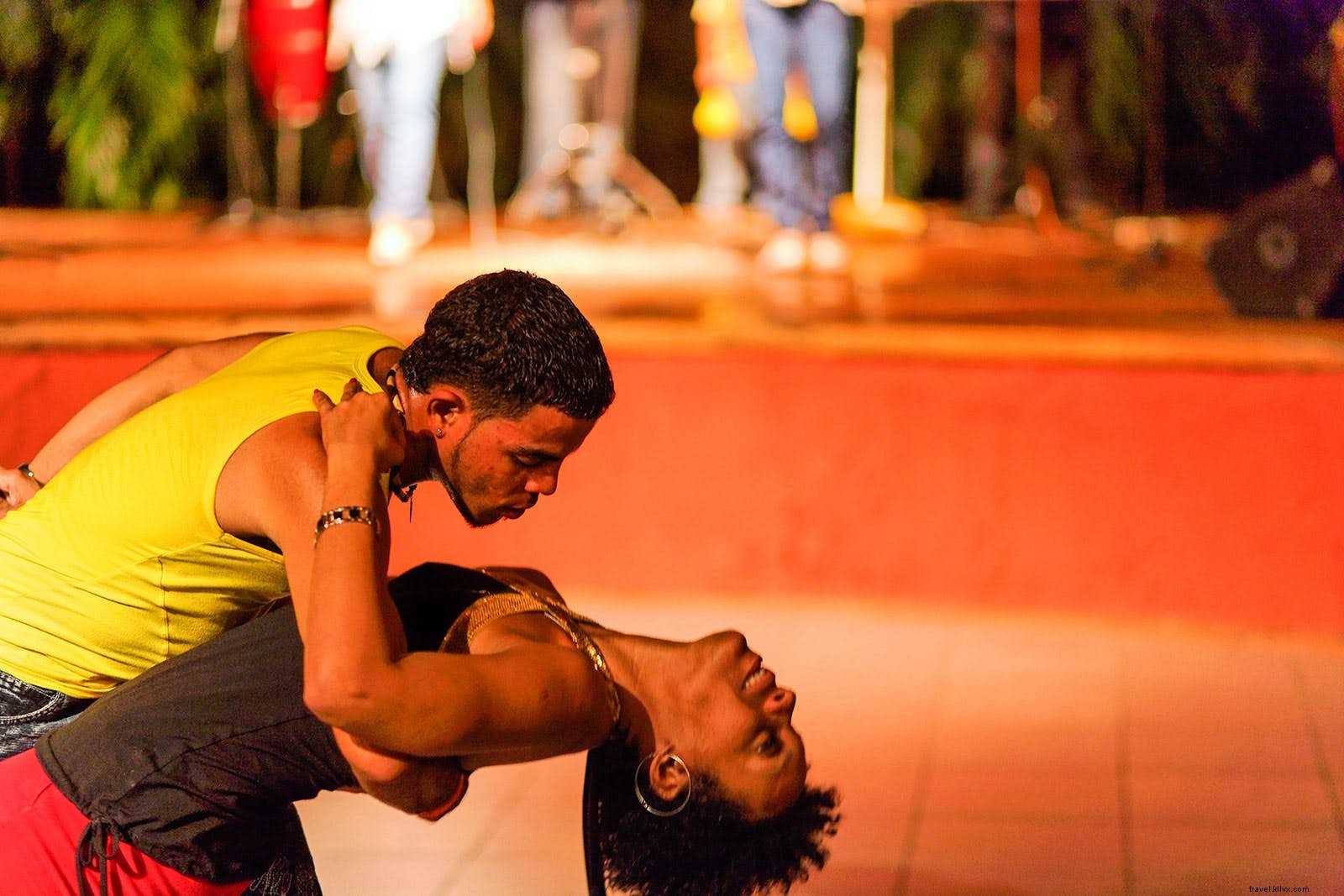
While salsa's roots emerged from New York's Latin scene in the 1960s and 1970s, Cubans excel in crafting and performing it. Witness this in Havana with a dance class or at the Casas de la Música. Albums by Celia Cruz offer an instant gateway to its magic.
Nueva Trova
Blending influences from Bob Dylan, Celia Cruz, John Lennon, Víctor Jara, and Joan Manuel Serrat, nueva trova became the melodic voice of the Cuban Revolution. Key figures Pablo Milanés and Carlos Puebla hailed from Granma province. It gained prominence at the 1968 Primer Encuentro de la Canción Protesta in Havana—a Cuban echo of Woodstock that inspired global leftists.

Rumba
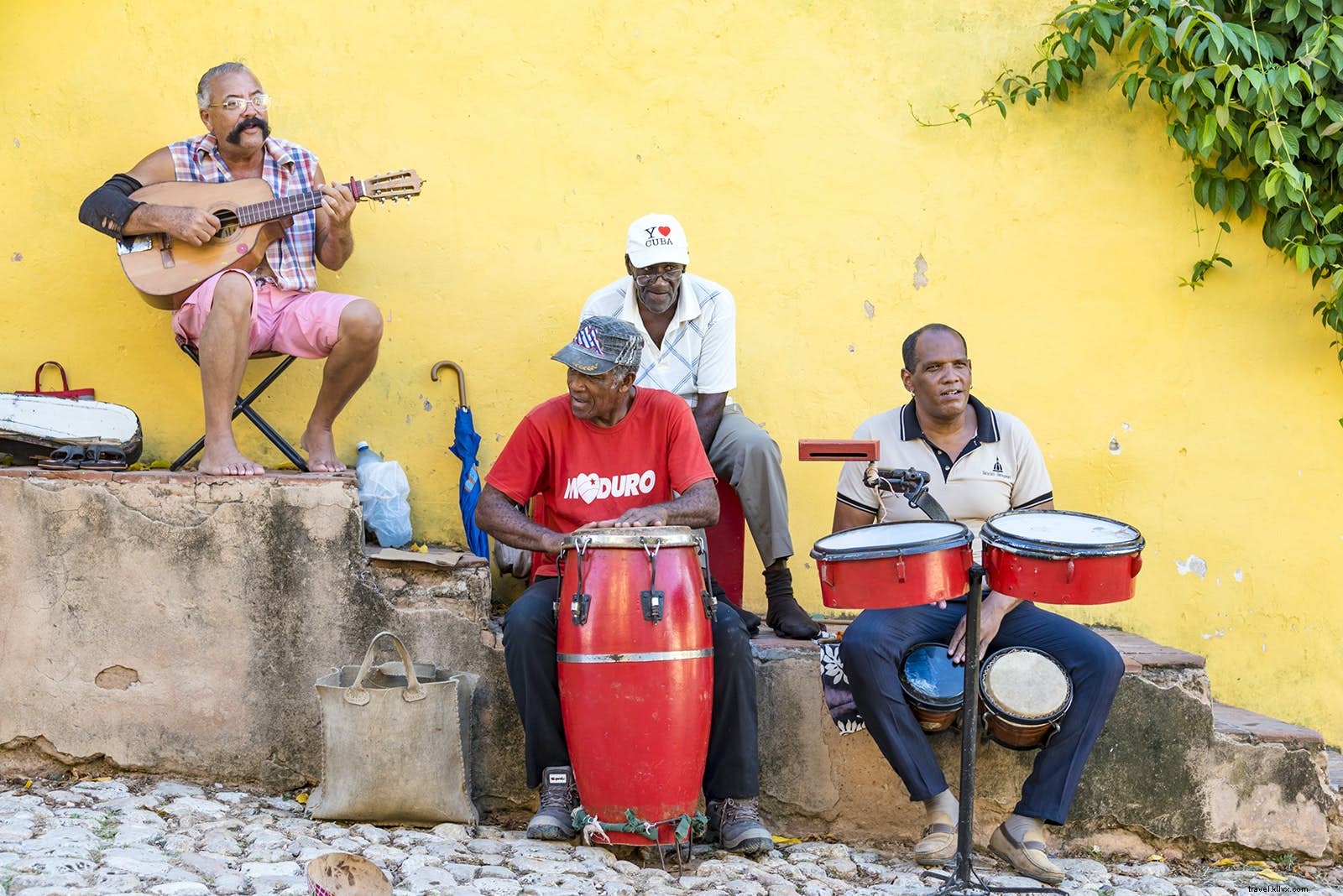
Rumba fuses thunderous drums with athletic dance, embodying Cuba's African heritage amid religious symbols and slavery's echoes. Experience it authentically in Matanzas, where rhythms emerged in the 1890s. Performed by groups of up to a dozen, it features conga drums, claves, palitos (sticks), marugas (shakers), and cajones (crates), with call-and-response vocals from a lead singer and coro (chorus).
Son-Changüí
Known as son in Santiago and sonchangüí in Guantánamo, this eastern style arose in sugar refineries, shaped by enslaved people. Ethnologist Fernando Ortiz called it 'a love affair between the African drum and the Spanish guitar.' Its roots blend rumba and danzón.
Reggaetón
Reggaetón, a bold fusion of rap, hip-hop, reggae, and dance, pulses through Cuban streets, especially in Alamar. Once seen as subversive, Cuban hip-hop earned government backing for its positive youth influence. Fidel Castro dubbed it 'the vanguard of the Revolution' and reportedly rapped at a Havana baseball game.