
Discover Underwater-Aged Rum: Cayman Spirits' Sunken Treasure in the Cayman Islands

In the scuba diving paradise of the Cayman Islands, a unique treasure awaits—not shipwrecks or coral reefs, but barrels of premium rum deliberately submerged in Caribbean waters. Finding them would be like spotting a needle in a haystack for even the most skilled divers.
Editor's note: Always check the latest travel restrictions and follow government advice before planning your trip.
These barrels aren't ancient relics lost at sea. Sealed in watertight bags, they're placed exactly seven fathoms (42 feet) underwater for two years. This innovative aging method sets Cayman Spirits Company, the Cayman Islands' sole distillery, apart as a pioneer in rum production.
"The concept of agitation stems from an old tradition," explains Walker Romanica, co-owner of Cayman Spirits. "Back when rum was shipped by sea, producers noticed that the constant motion of waves aged it superior to shore-stored batches."
This agitation principle was harnessed by distiller Facundo Bacardi in the mid-1800s, according to co-owner Nelson Dilbert. Bacardi credited vibrations from passing trains near his Cuban warehouse for the superior flavor of his now-iconic rum, produced today at the world's largest rum distillery in Cataño, Puerto Rico.
"Agitation accelerates aging, delivering the depth and complexity of much older rums," Dilbert notes.
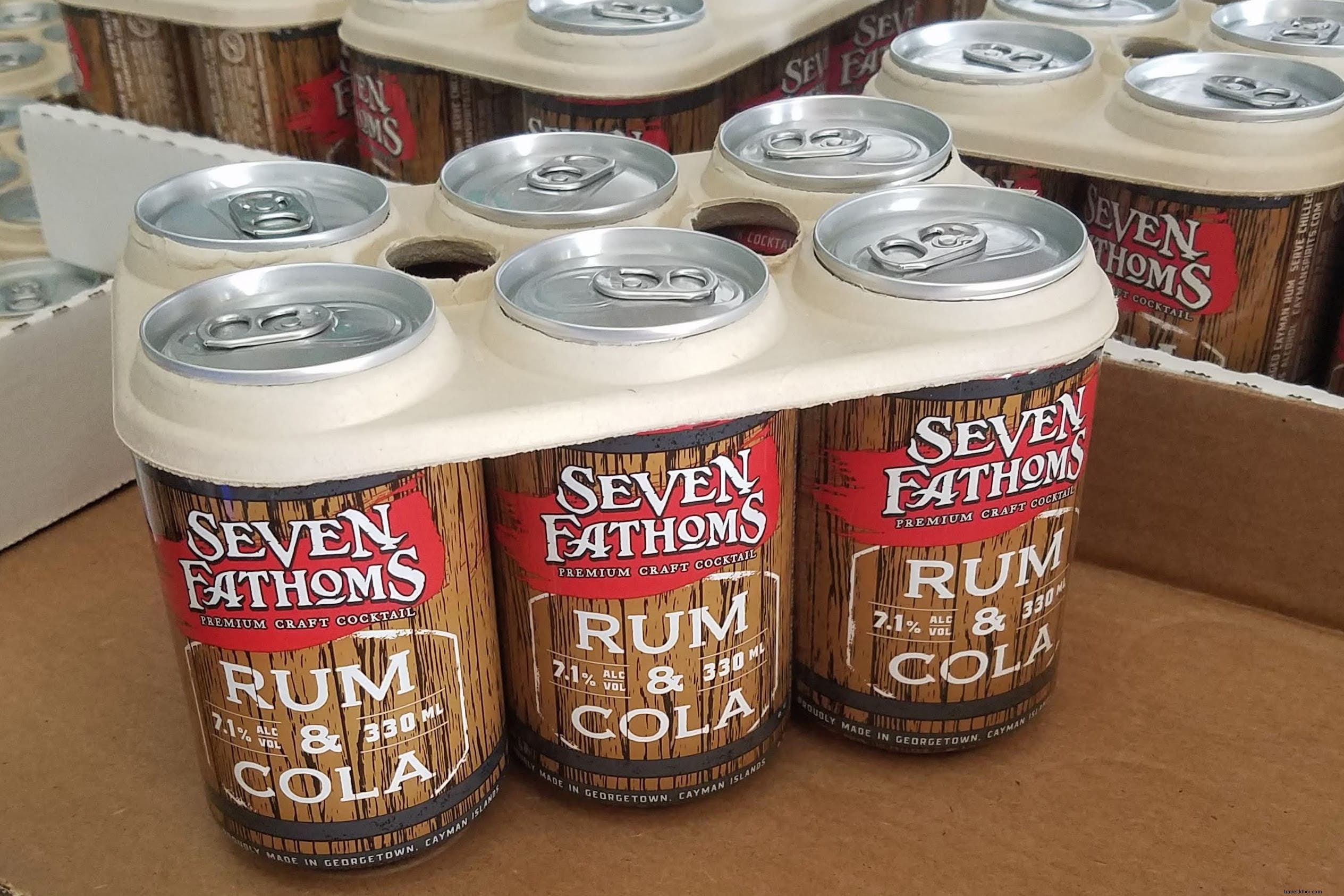
Among Cayman Spirits' range, Seven Fathoms stands as the flagship super-premium rum. A 750ml bottle retails for US$40 at the distillery—ideal for sipping neat, though its unique profile inspired a new rum-and-cola canned cocktail.
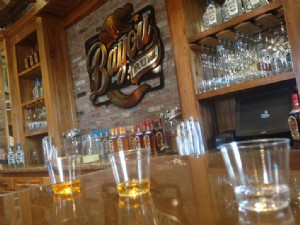
Nestled in George Town's industrial zone on Grand Cayman, the distillery draws about 400 visitors daily, primarily from cruise ships and tours. Independent travelers can book online for the US$15 tour, highlighted by expert tastings.

Donovan Lumby, son of Dilbert, leads tastings at the bar, offering snifters of various rums, climaxing with generous pours of Seven Fathoms. He details its underwater aging and blend of local sugarcane and imported molasses, as Grand Cayman lacks sufficient cane production.
Open to those 18+, tastings often reveal whiskey-like notes from aging in ex-Kentucky bourbon casks.
From a single experimental bottle 11 years ago, production has scaled dramatically—batch 100 is now aging, vastly larger than the original.
Barrels sway gently over 40 feet below in West Bay near Grand Cayman's northern tip, close to the Cayman Turtle Centre, a top spot for green sea turtle encounters. Divers won't stumble upon them easily.
Romanica dismisses hurricane concerns: "At seven fathoms, swells are minimal compared to the surface—potentially safer than land storage."
You might also like:
Conch, callaloo, cassava: a taste of the Cayman Islands
Alternative Caribbean: 6 unique experiences in the Cayman Islands
Seven unmissable dive sites in the Cayman Islands
Jay Jones visited the Cayman Islands with support from the Cayman Islands Department of Tourism. Lonely Planet contributors do not accept freebies for positive coverage.