
Sustainable Agriculture in the Caribbean: How Cayman Islands, Curaçao, and Puerto Rico Are Pioneering Change
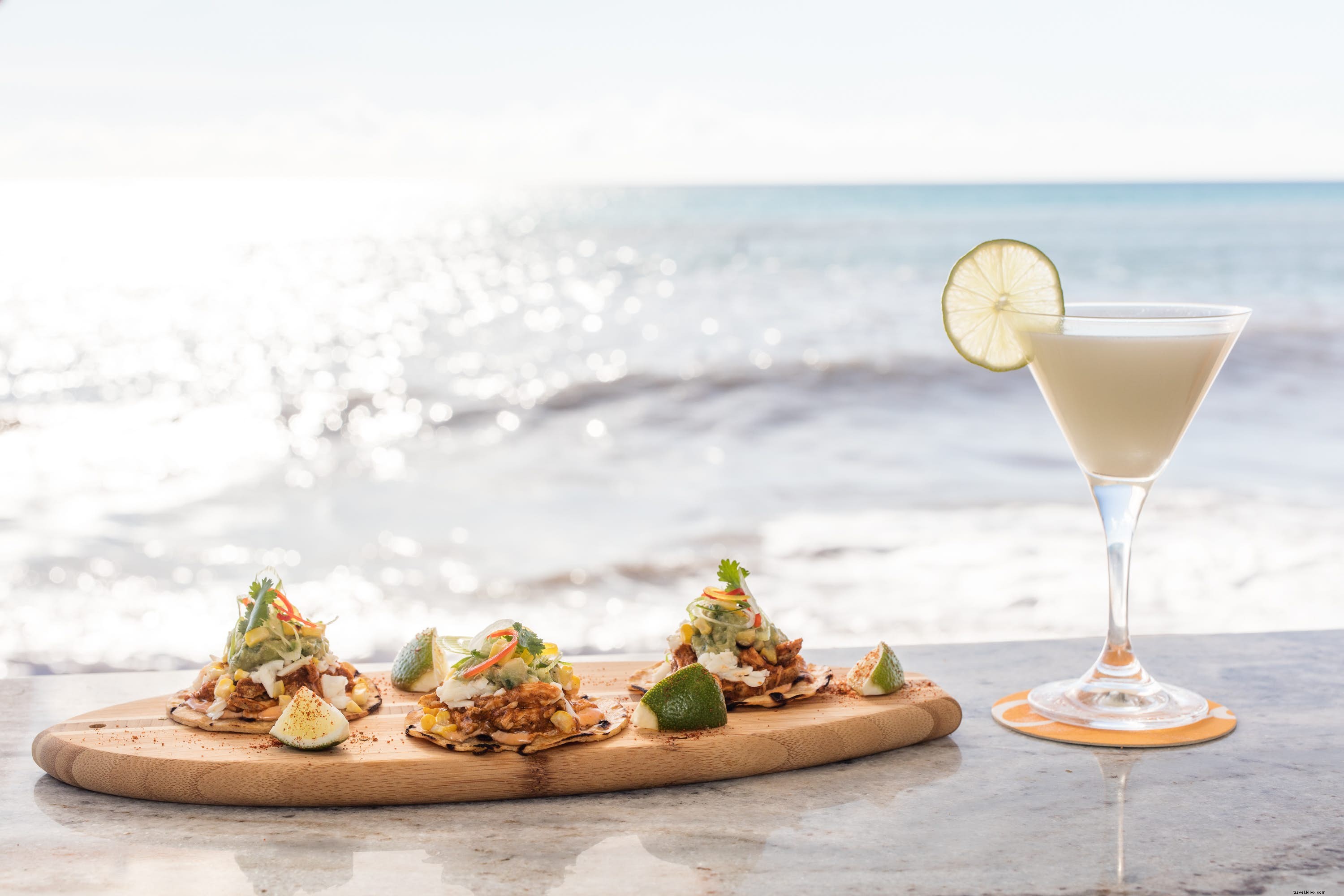
"Eating local" has gained traction worldwide over the past decade, yet for Caribbean islands, achieving true sustainability remains challenging. Harsh farming conditions, intensifying climate change, and frequent tropical storms have long hindered progress.
Many fresh ingredients are imported, contributing to high carbon emissions and packaging waste. Now, innovative growers and restaurateurs across the region are transforming practices. Discover how three islands—Cayman Islands, Curaçao, and Puerto Rico—are leading the way.
Editor's note: Always check the latest travel restrictions and follow government advice before planning your trip.
The Cayman Islands
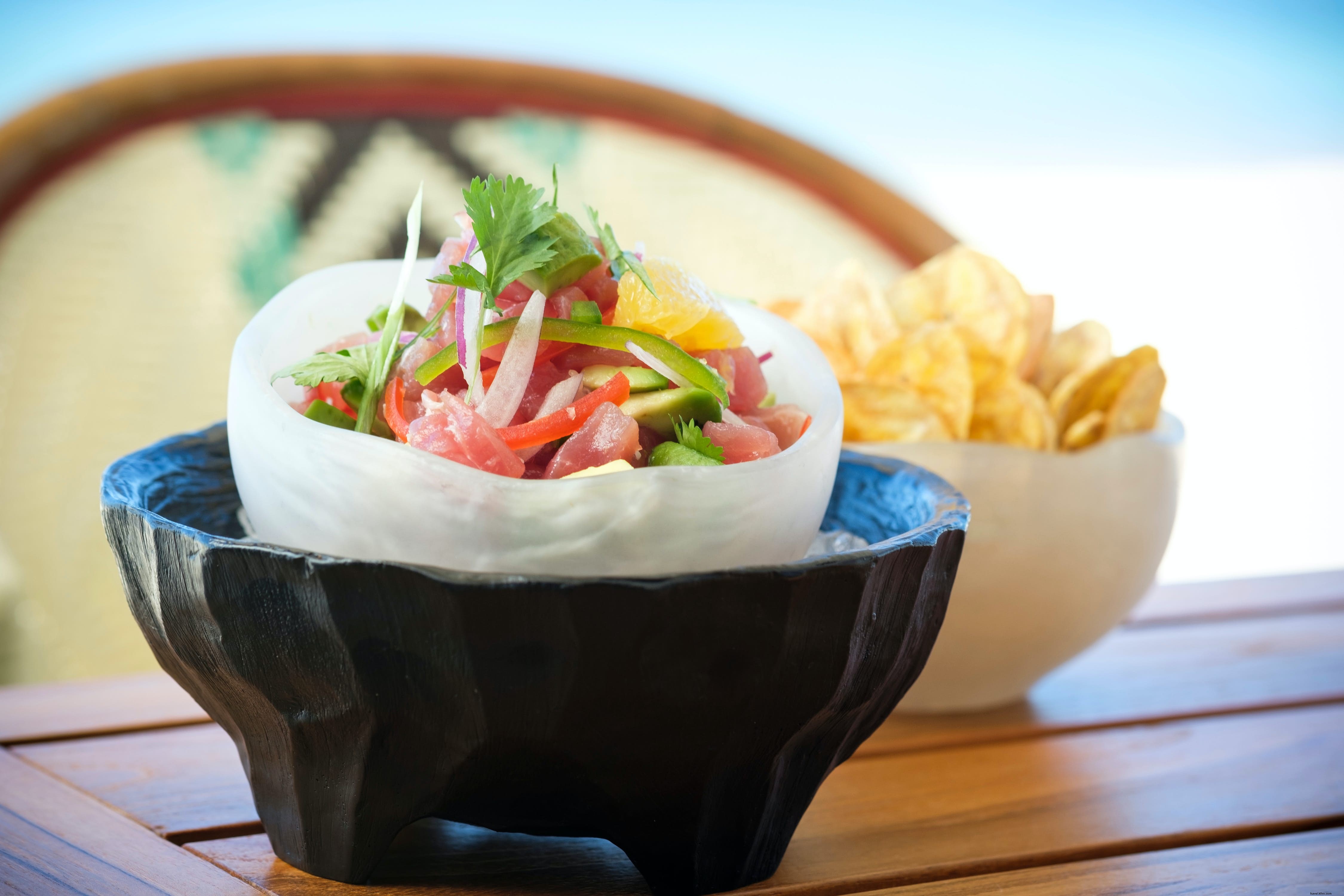
Renowned for stunning wildlife, world-class scuba diving, and pristine white-sand beaches, this British Overseas Territory attracts luxury travelers. In recent decades, its culinary landscape has embraced environmental responsibility.
The farm-to-table movement took root in Grand Cayman with The Brasserie in 1997. Surging demand for local produce and sustainable seafood has fueled growth: farms now use greenhouses, and fishermen adopt eco-friendly methods, enabling expansion.
"Grand Cayman boasts strong community support for farmers' markets, highlighting and selling local produce," says Massimo De Francesca, executive chef at Kimpton Seafire Resort and its signature restaurant Ave.

The weekly Farmers and Artisans Market supplies restaurants and residents with island-fresh produce and proteins. Major grocers also feature local fruits, vegetables, honey, sauces, and more.
Ave and others join the government-backed Cayman Sea Sense initiative, promoting fish from stable populations via low-impact fishing that reduces habitat damage and by-catch.
Looking ahead, De Francesca aims to boost local ingredients, redirect kitchen and bar waste to farms for feed or composting. Travelers can contribute by purchasing souvenirs like Cayman sea salt, spirits, beer, and honey. "There's always room to do more," he adds.
Curaçao
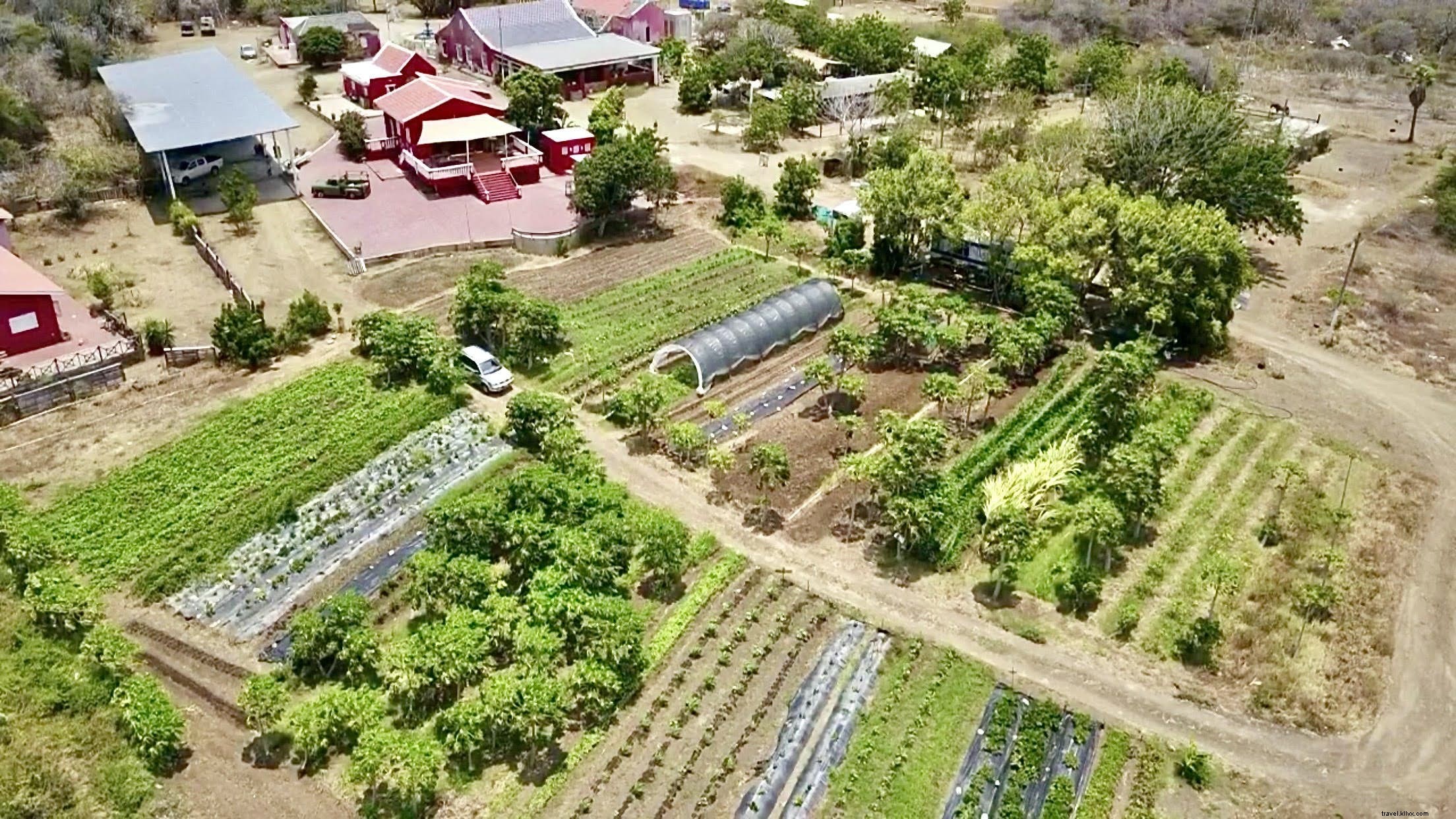
Despite more abundant water than arid neighbors, Curaçao faces irrigation hurdles. Local entrepreneurs Femi and Joshua Peiliker, founders of Hofi Cas Cora farm and restaurant, leverage their advantageous site.
"We're fortunate with groundwater accessed via wind and solar pumps—our deep wells never run dry," Femi explains. They cultivate fruits, vegetables, and livestock for a dynamic menu of fresh soups, wraps, and dishes.
The duo extends sustainability by partnering with restaurants that supply food waste for pig feed and compost.
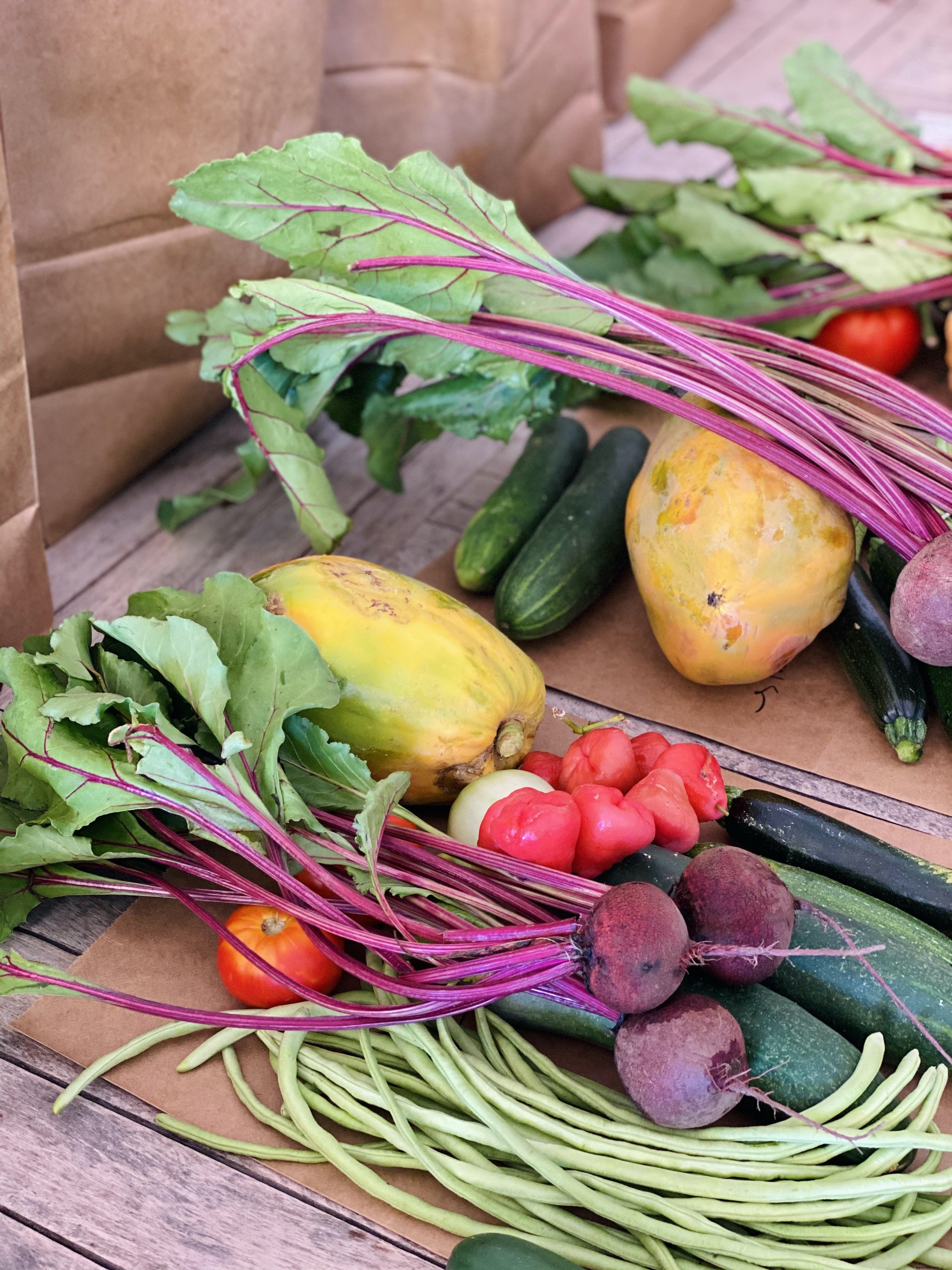
Sustainable Curaçao compiles resources on farms like Hofi Cas Cora and Fuik Microgreens, plus eco-beauty brands and green architecture. Favorites include Herbology's foraged body products in recycled packaging and Limpi's beach-plastic souvenirs.
Future plans: a zero-waste store for package-free farm goods, nuts, and grains.
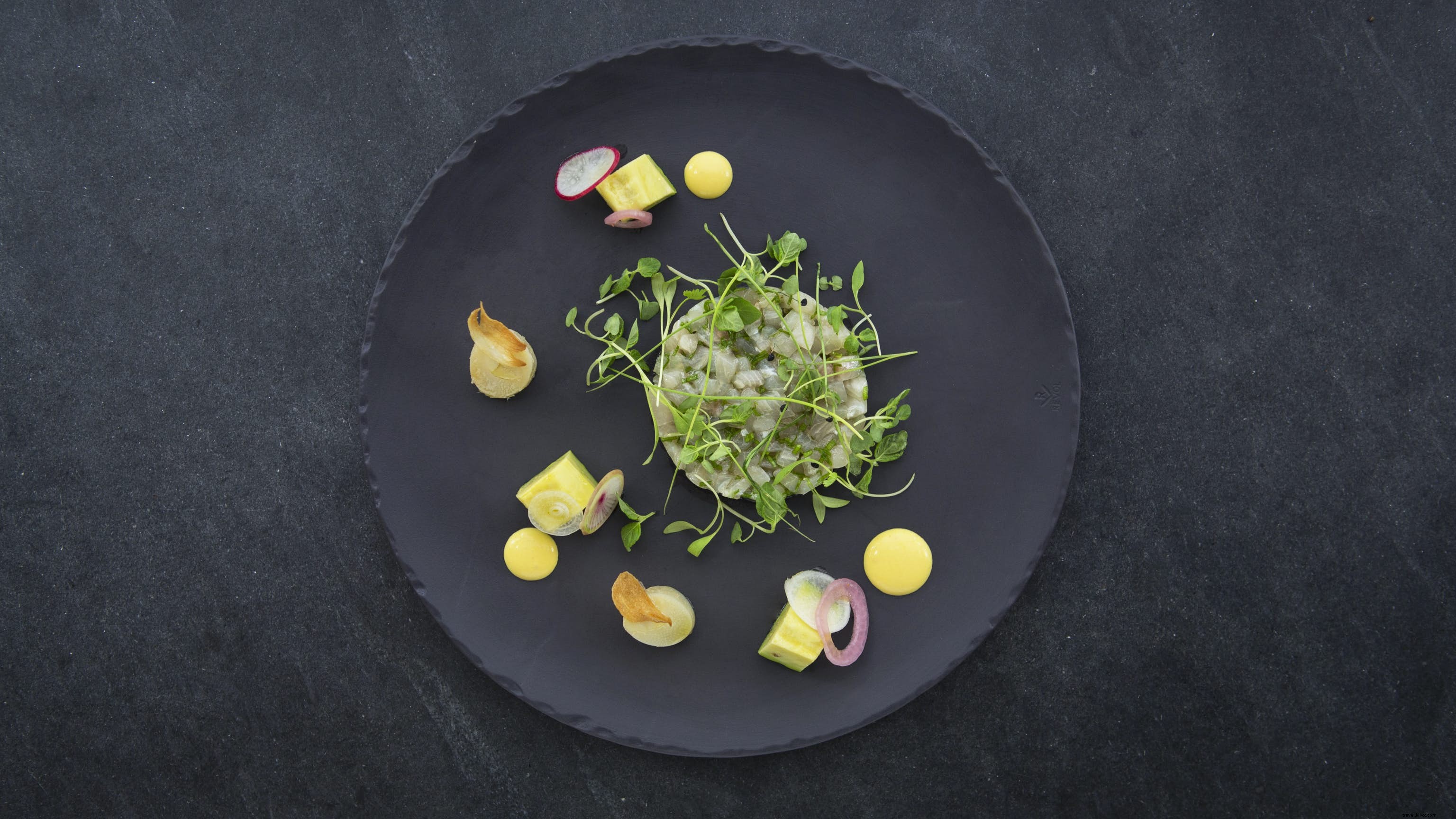
Puerto Rico
Extreme weather from climate change has battered the Caribbean, with Puerto Rico among the hardest hit. Two years post-Hurricane Maria (2017), recovery continues beyond headlines.
At Condado Vanderbilt's 1919 restaurant, chef Juan José Cuevas prioritizes local growers rebuilding post-storm. "We buy from recovering farms as much as possible," he says. Farm-fresh eggs and fruits dominate, with 75% local products on the menu—aiming for 85% soon.
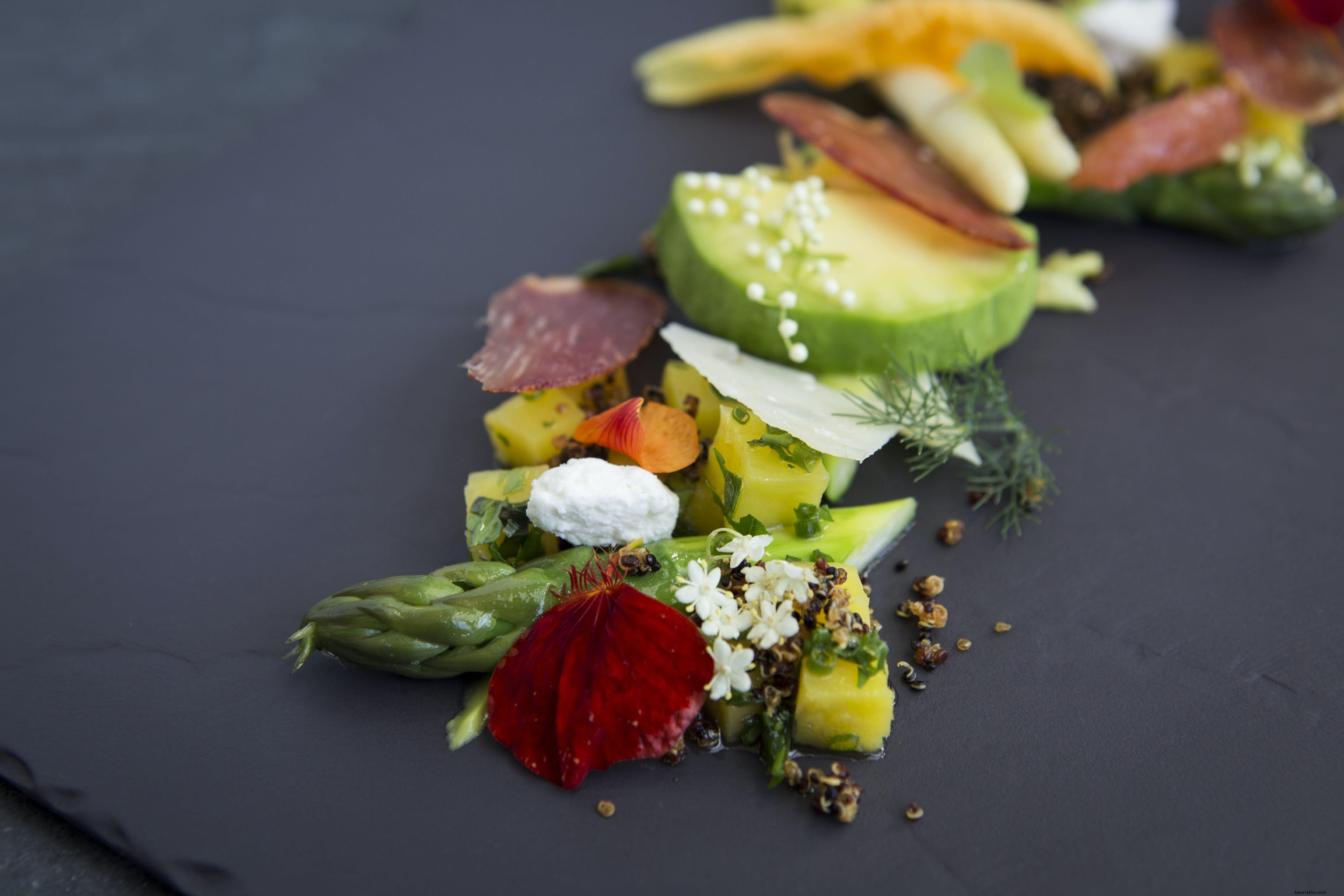
Supporting agriculture funds innovations like solar panels, generating renewable energy and new income streams.