
7 Compelling Reasons to Visit Hong Kong UNESCO Global Geopark Today
Two decades after its handover to China, Hong Kong is embracing its rich natural and cultural heritage on a grand scale—and rightfully so. The city ranks first in Asia and fifth globally for the proportion of its land dedicated to conservation, per the World Economic Forum's 2015 Travel & Tourism Competitiveness Report. Few destinations offer such seamless access to urban excitement and outdoor adventures.
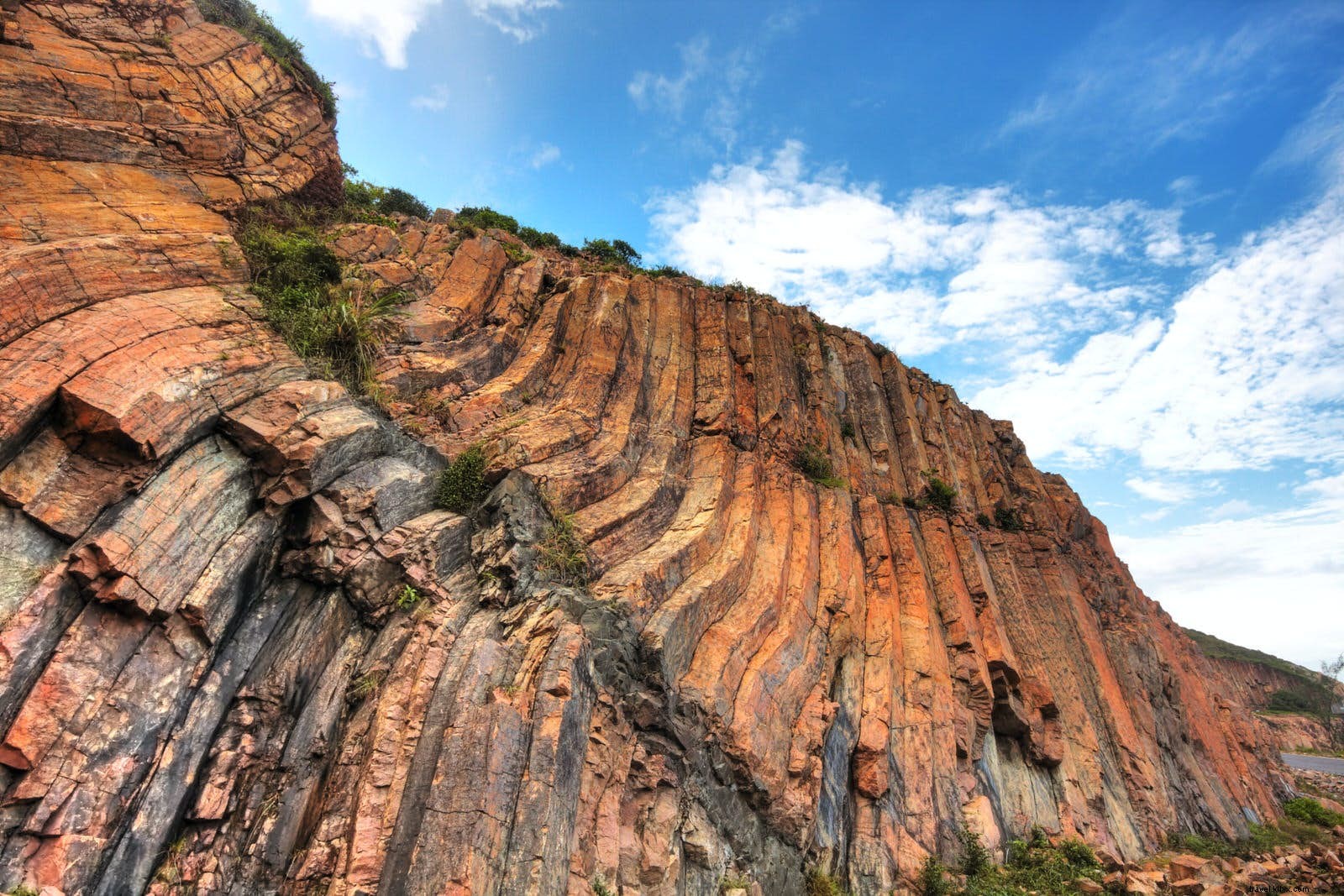
The UNESCO-listed Hong Kong Global Geopark stands as the jewel in the city's natural crown, spanning 50 sq km along the northeast coastline. It features two unique geological zones and eight remarkable sites, from islands and volcanic rocks to cliffs, sea caves, and a rare tombolo. Beyond these wonders, here are seven key reasons—plus a bonus—to visit the Hong Kong Global Geopark right now.
1. Easier Access Than Ever Before
Hong Kong authorities are enhancing accessibility to this stunning yet understated gem. The geopark spans the Sai Kung Peninsula's volcanic rocks and the northeastern New Territories' sedimentary formations and historic villages. Guided boat tours explore the islands, while ferries offer hiking, swimming, and wildlife viewing. Sharp Island, famed for its tombolo, is a quick 15-minute ferry from Sai Kung Town. Minibuses now connect Sai Kung to central Hong Kong in just 30 minutes.
2. Marvel at Rare Volcanic Formations Up Close
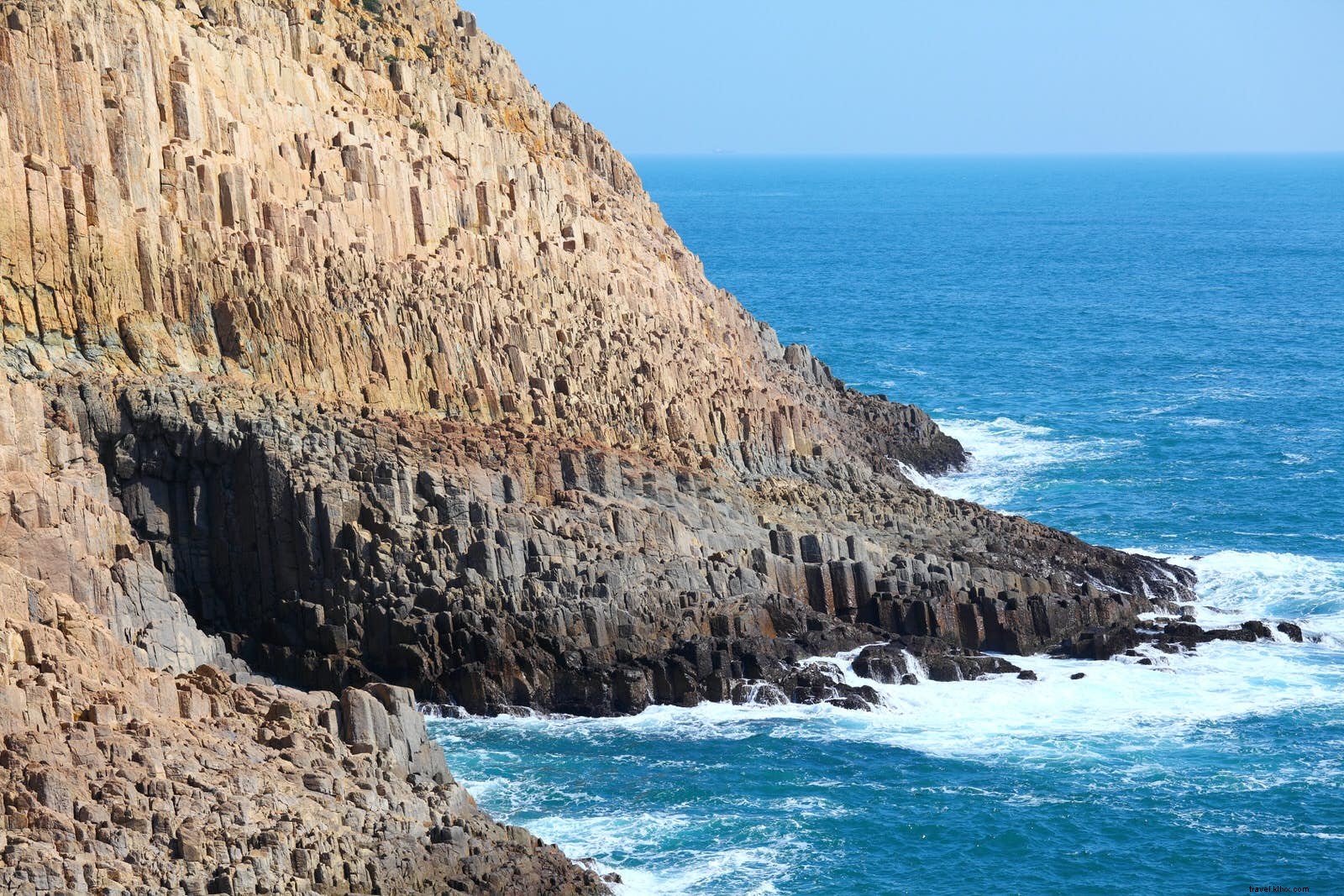
At the heart of the Sai Kung Volcanic Rock Region lie towering, hexagonal basalt columns—unique for their pinkish or luminous honey hues, unlike typical black basalt elsewhere. Formed by a massive eruption 140 million years ago, lava and ash cooled into uniform columns, sculpted by sun, wind, and waves into dramatic coastal poses: skirting islands, mural-like cliffs, sea arches, and spiral staircases on islets.
3. Convenient Shuttle to Colonial East Dam
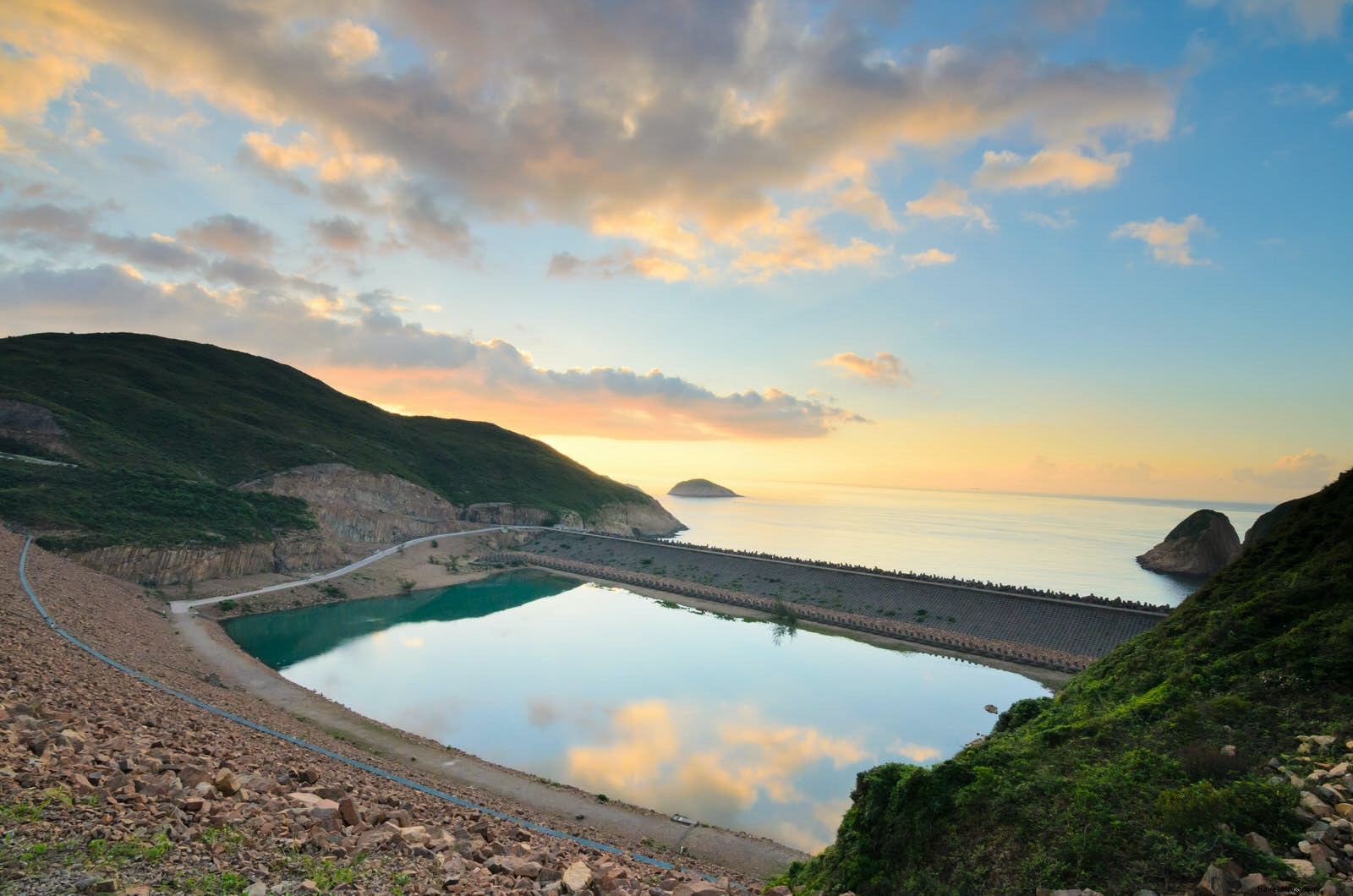
Short on time? A new shuttle bus serves the East Dam of High Island Reservoir, a striking colonial engineering marvel amid volcanic rocks. Departing Sai Kung Town four times daily on weekends and holidays (HK$90 round-trip; HK$85 children under 12; HK$50 one-way), it includes onboard guides. Explore for an hour before return. Book via the Volcano Discovery Centre for guaranteed seats.
4. Discover Dinosaur-Era Sedimentary Rocks
The Sedimentary Rock Region showcases Hong Kong's oldest formations (400 million years old), from the dinosaur age, in vibrant plum, ochre, and jade tones. Highlights include the eerie Devil's Fist—a human-sized sandstone fist sculpted by erosion—plus layered shale resembling cake or waves, and rock pools teeming with ecosystems.
5. Epic Hikes on the MacLehose Trail
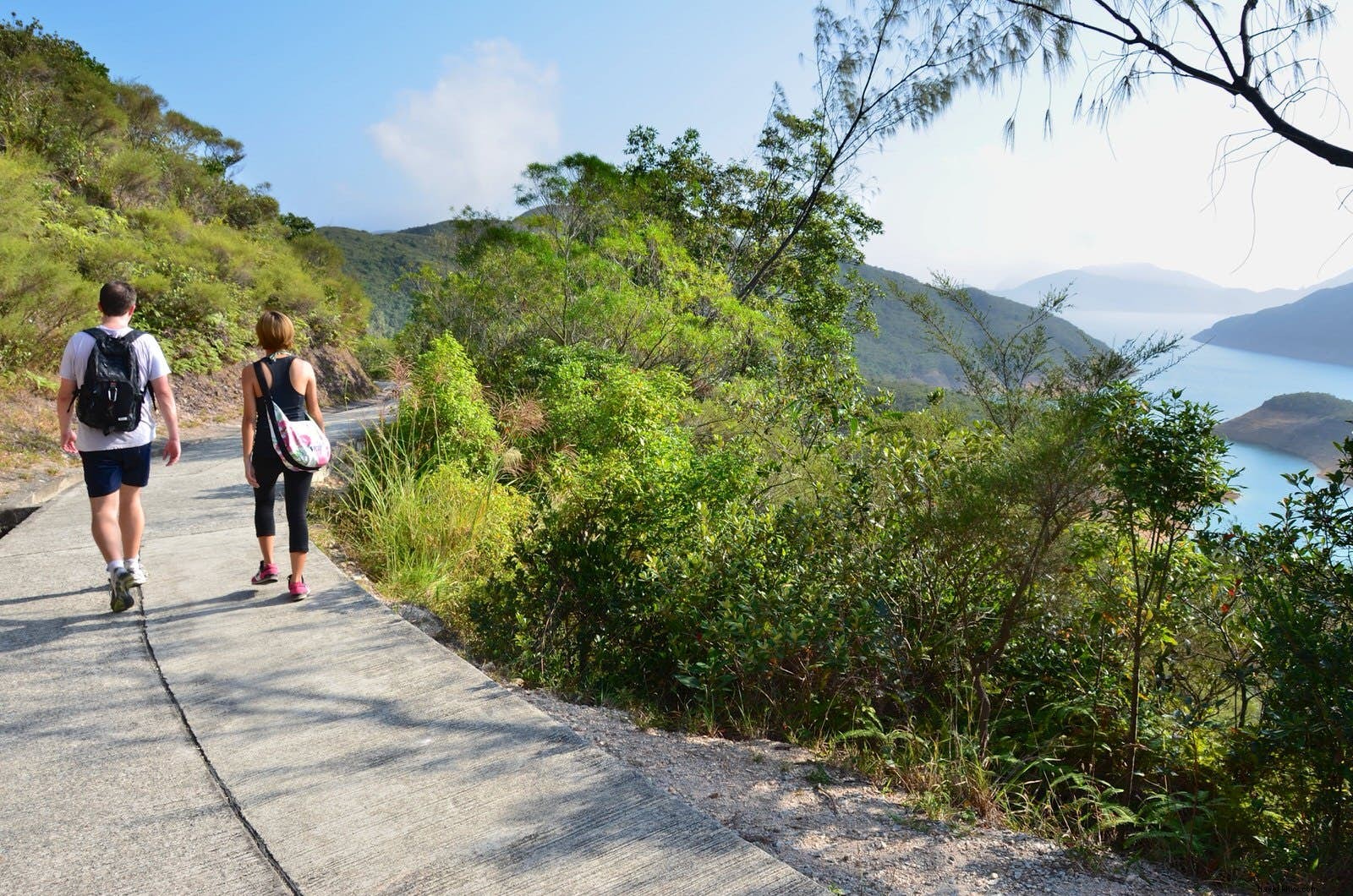
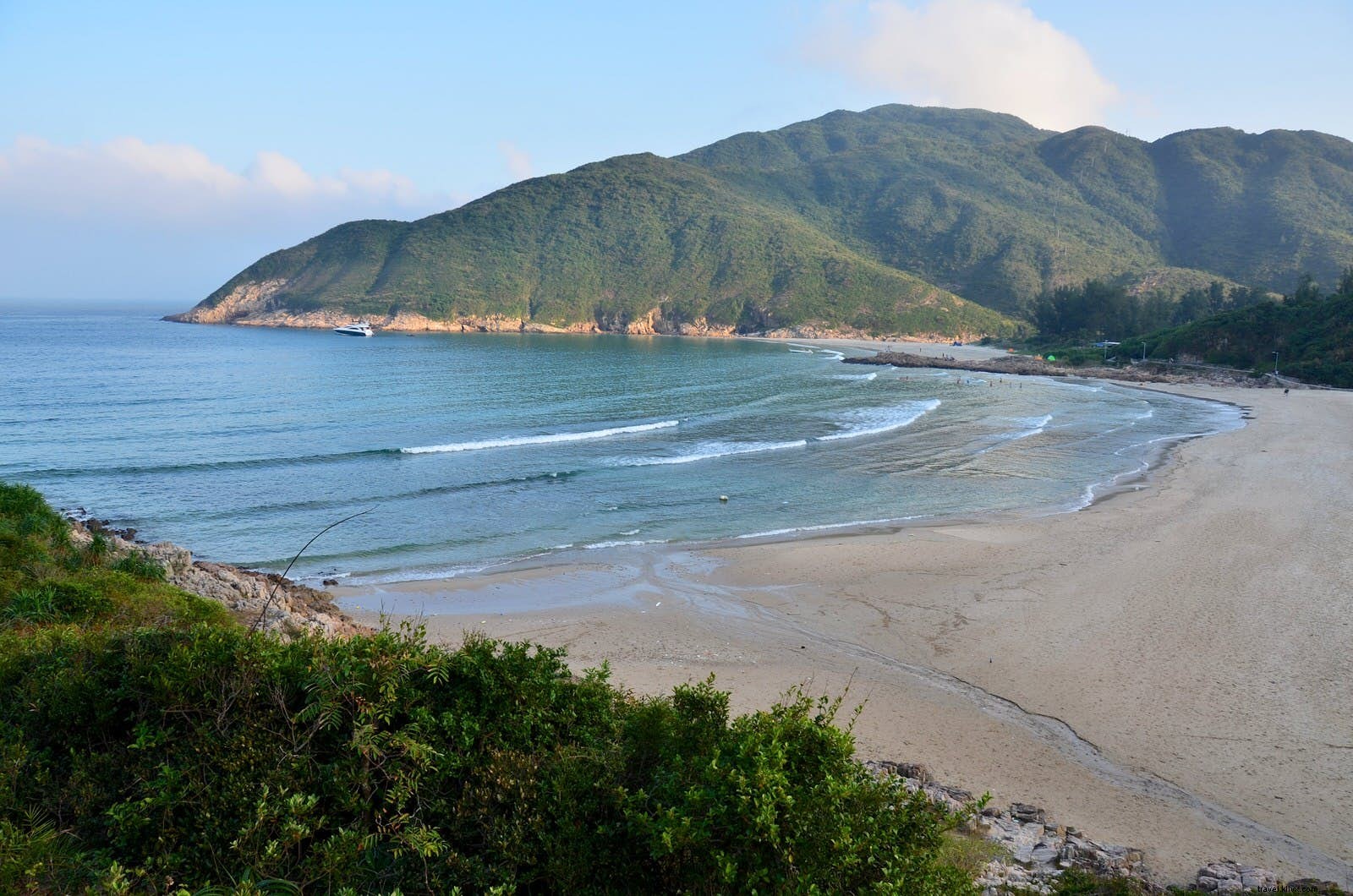
Opt for adventure: Hike to East Dam via the renowned MacLehose Trail's opening stage. A scenic 9km walk along Tai Mong Tsai Road and Sai Kung Man Yee Road leads there, extending 1.6km to stunning Long Ke Beach, framed by rhyolite pillars. Continue 13.5km through peaks and bays to Pak Tam Au in about five hours—often called the trail's most picturesque stretch.
6. Cultural Revival in Lai Chi Wo Village
The 400-year-old walled Hakka village of Lai Chi Wo, once semi-abandoned, is thriving again through community and conservation efforts. Revived fields grow rice and vegetables; old sheds host a mini-museum and research. Enjoy open-air dining, Sunday cultural/ecological tours, Hakka dumpling workshops, upcoming architecture tours, and volunteer stays for overseas visitors.
7. Expanded Ferry Services
A new ferry links Lai Chi Wo to Ma Liu Shui Pier (near Chinese University) Sundays and holidays, with more sailings weekly. Most Sedimentary Rock tours include it; alternatively, hike from Wu Kau Tang or Luk Keng.
Bonus: Vintage Tram Tour in Urban Hong Kong
For an eighth draw: Experience Hong Kong's iconic 'ding ding' trams via the TramOramic tour. Ride a 1920s-style open-top replica from Western District to Causeway Bay (or reverse), with multilingual audio guides, vintage displays, and souvenirs. Includes two days of unlimited tram rides.