
Architecture for Travelers: A Beginner's Guide to Spotting Iconic Styles
Unsure of the difference between a plinth and a pilaster? You don't need to be an architecture expert to appreciate outstanding buildings. Gaining a foundational knowledge of architectural history and styles can transform your strolls through unfamiliar cities into enriching experiences.
Master the basics with this guide and identify architectural styles during your travels.

Classical
Era: 850 BC to 476 AD
The cornerstone of Western architecture, classical style features elegant proportions and dignified symmetry from ancient Greece and Rome. Structures adhered to the 'orders'—Doric, Ionic, and Corinthian—distinguished by their column capitals.
How to spot it: Doric: plain capitals; Ionic: scroll-like volutes; Corinthian: acanthus leaf motifs.
Where to find it: Colosseum or Pantheon in Rome; Acropolis in Athens.
Byzantine
Era: 330–1453 AD
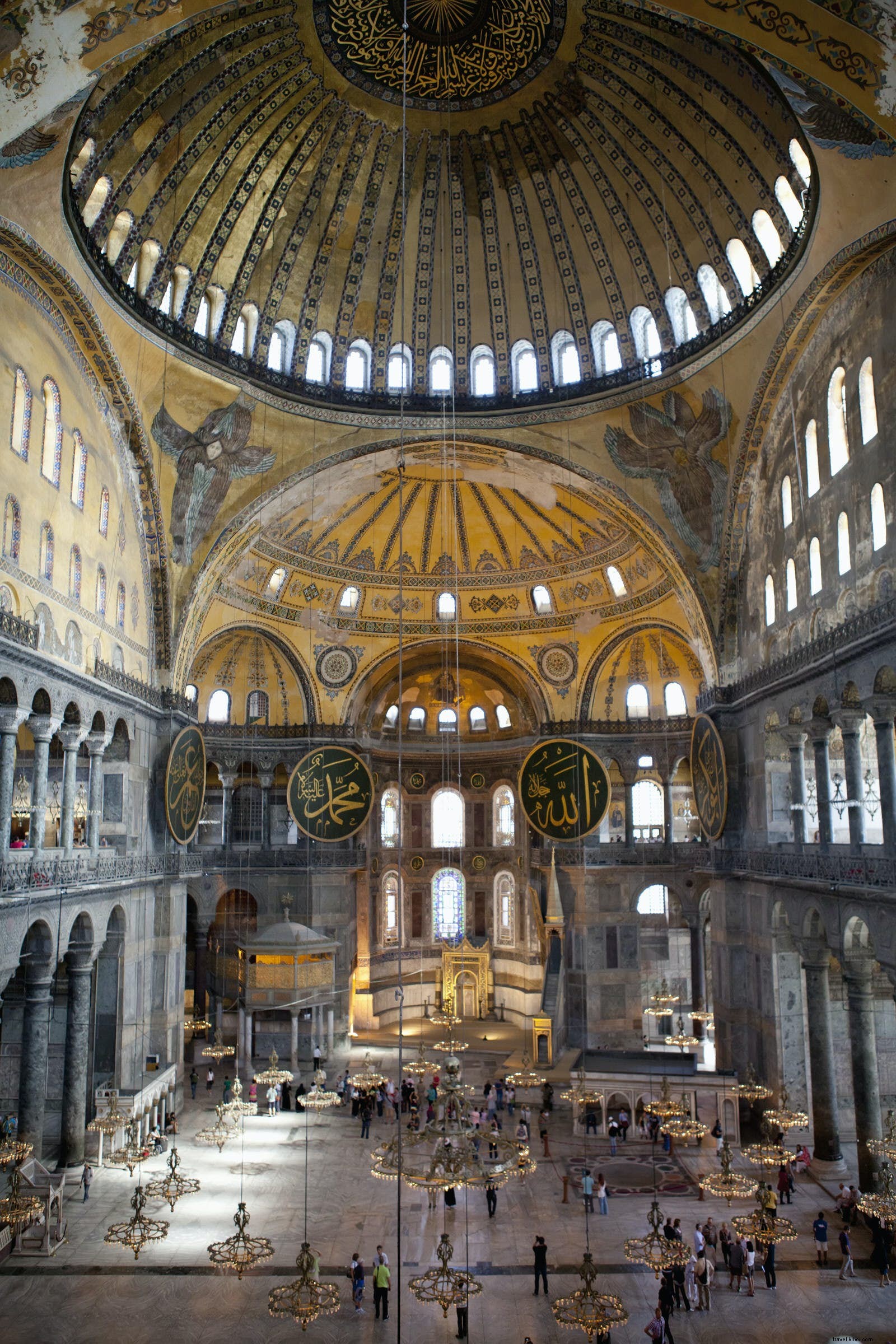
Renowned for shimmering mosaics and abundant domes, Byzantine architecture conveyed imperial power through opulent basilicas with soaring ceilings and golden embellishments.
How to spot it: Multiple domes and lavish interior decoration.
Where to find it: Hagia Sophia, Istanbul; St. Mark's Basilica, Venice; Sacré-Cœur, Paris (revival).
Romanesque
Era: 900–1200 AD
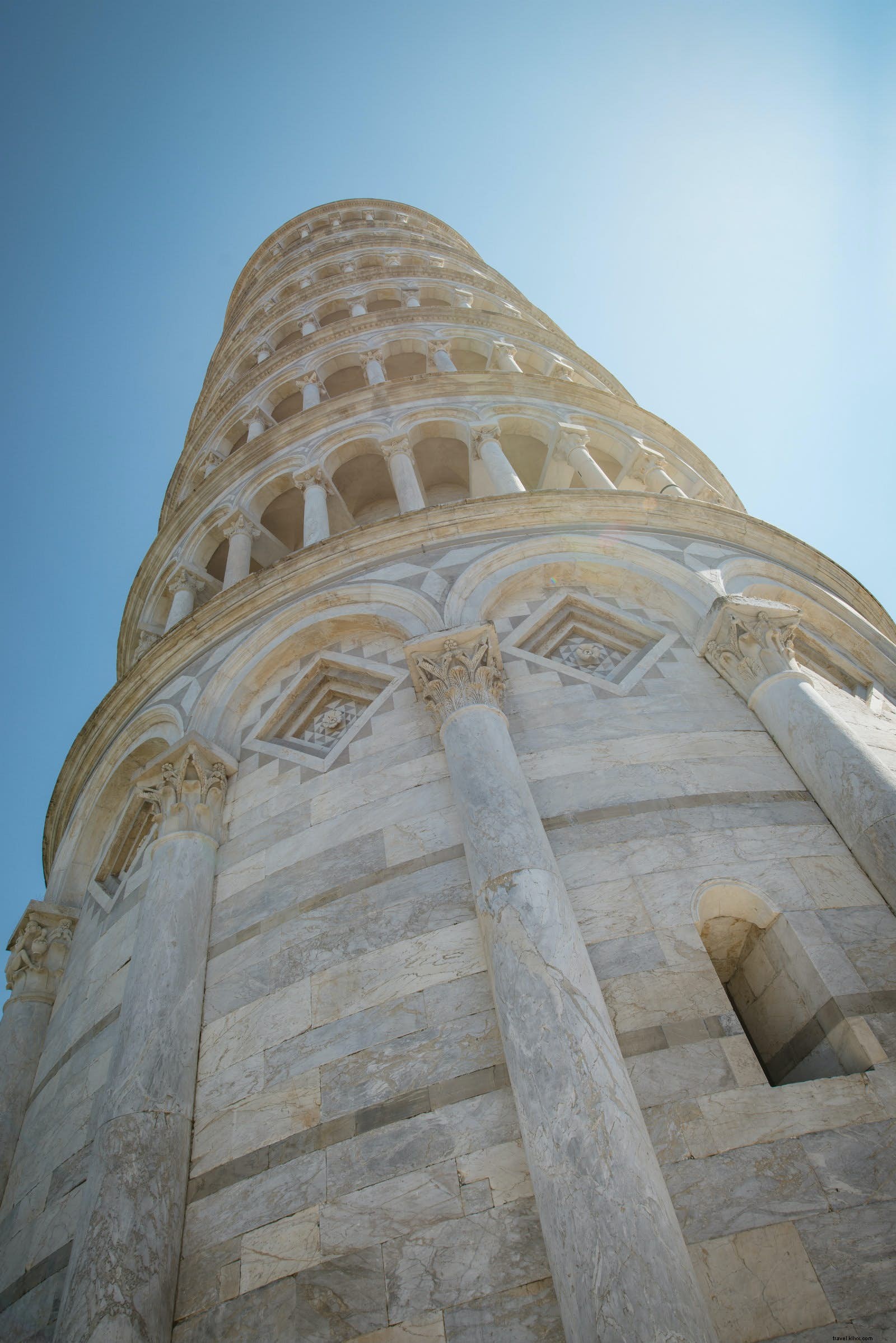
Known as Norman in the UK, Romanesque buildings are robust and solid, featuring thick walls, massive columns, rounded arches, small windows, and simple geometric motifs due to medieval construction limits.
How to spot it: Rounded arches and hefty columns.
Where to find it: Leaning Tower of Pisa; San Gimignano, Italy; Durham Cathedral, England.
Gothic
Era: 12th–16th centuries
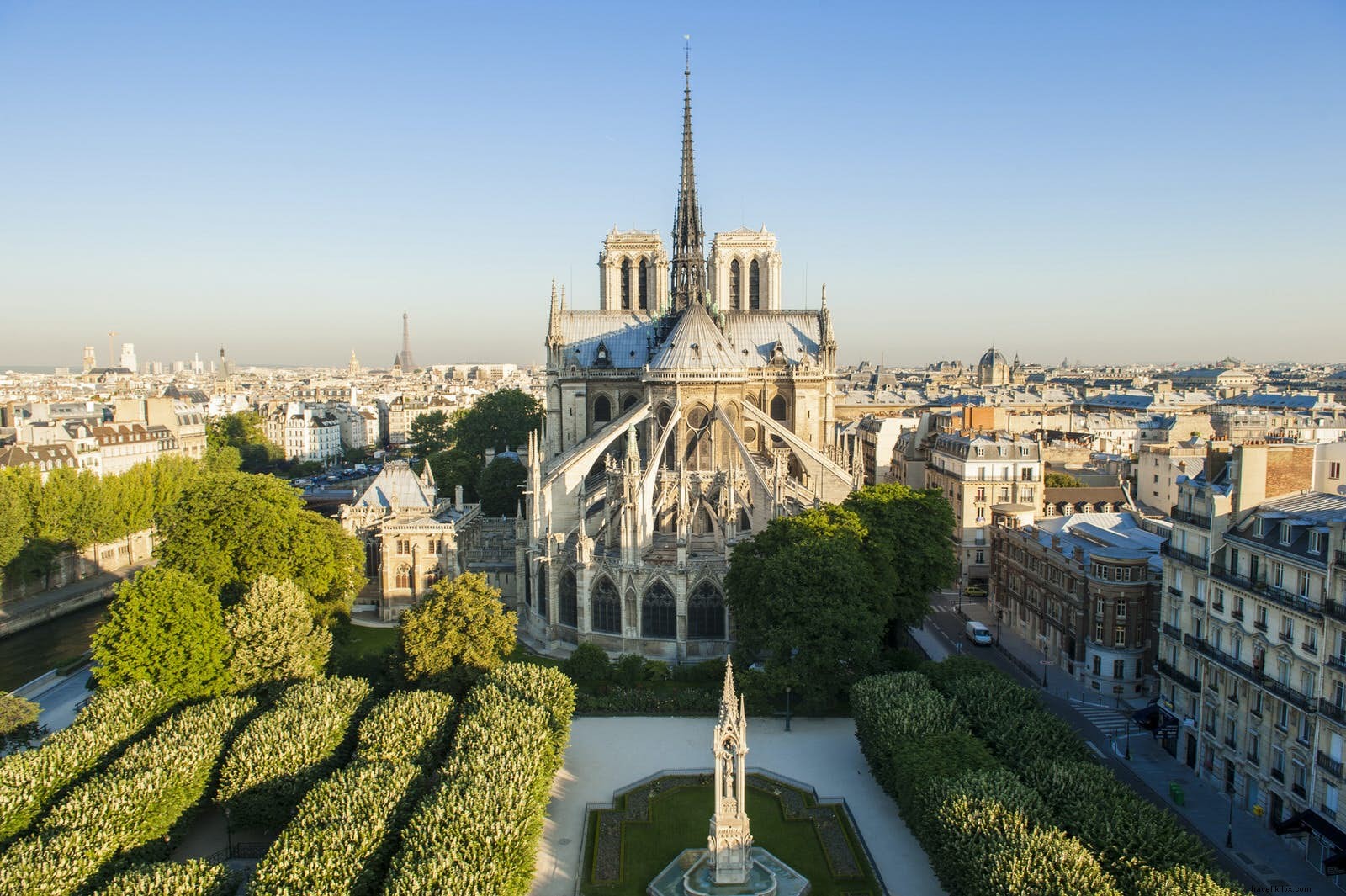
Advancements in engineering and prosperity enabled taller, lighter, and brighter Gothic structures. Adopted by church and royalty, it spread across Europe, with pointed arches as the hallmark—many examples stem from later revivals.
How to spot it: Pointed arches, slender columns, ribbed vaults, spires, flying buttresses.
Where to find it: Notre-Dame, Paris; Westminster Abbey, London; Cologne Cathedral, Germany.
Renaissance
Era: 14th–17th centuries, Europe
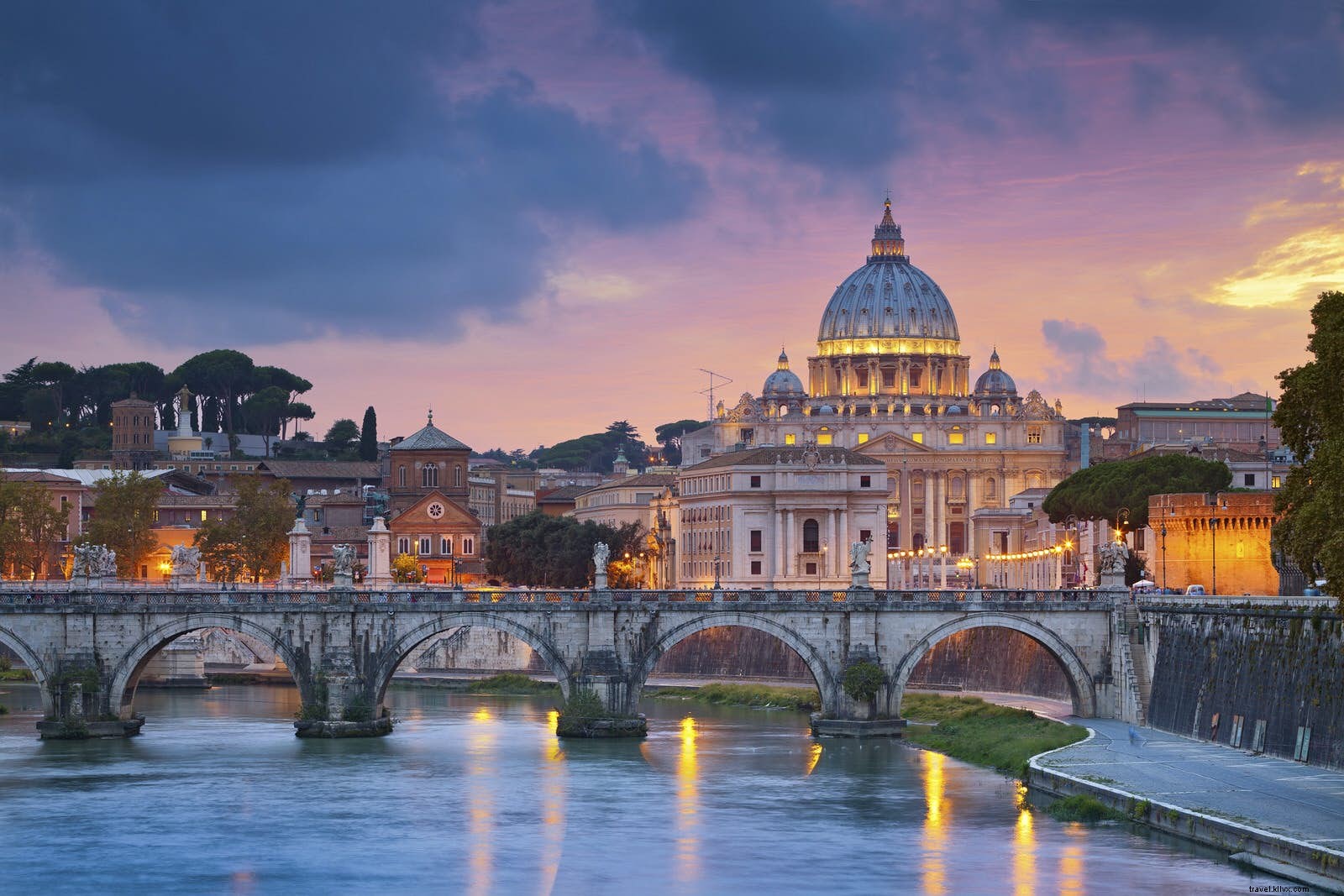
Reviving classical ideals, Renaissance architects emphasized proportion and symmetry, enhancing Greek and Roman elements with refined ornamentation.
How to spot it: Refined classical columns, pediments, and domes.
Where to find it: Florence and Milan Cathedrals; Louvre, Paris; St. Peter's Basilica, Rome.
Baroque and Rococo
Era: 1600–1750
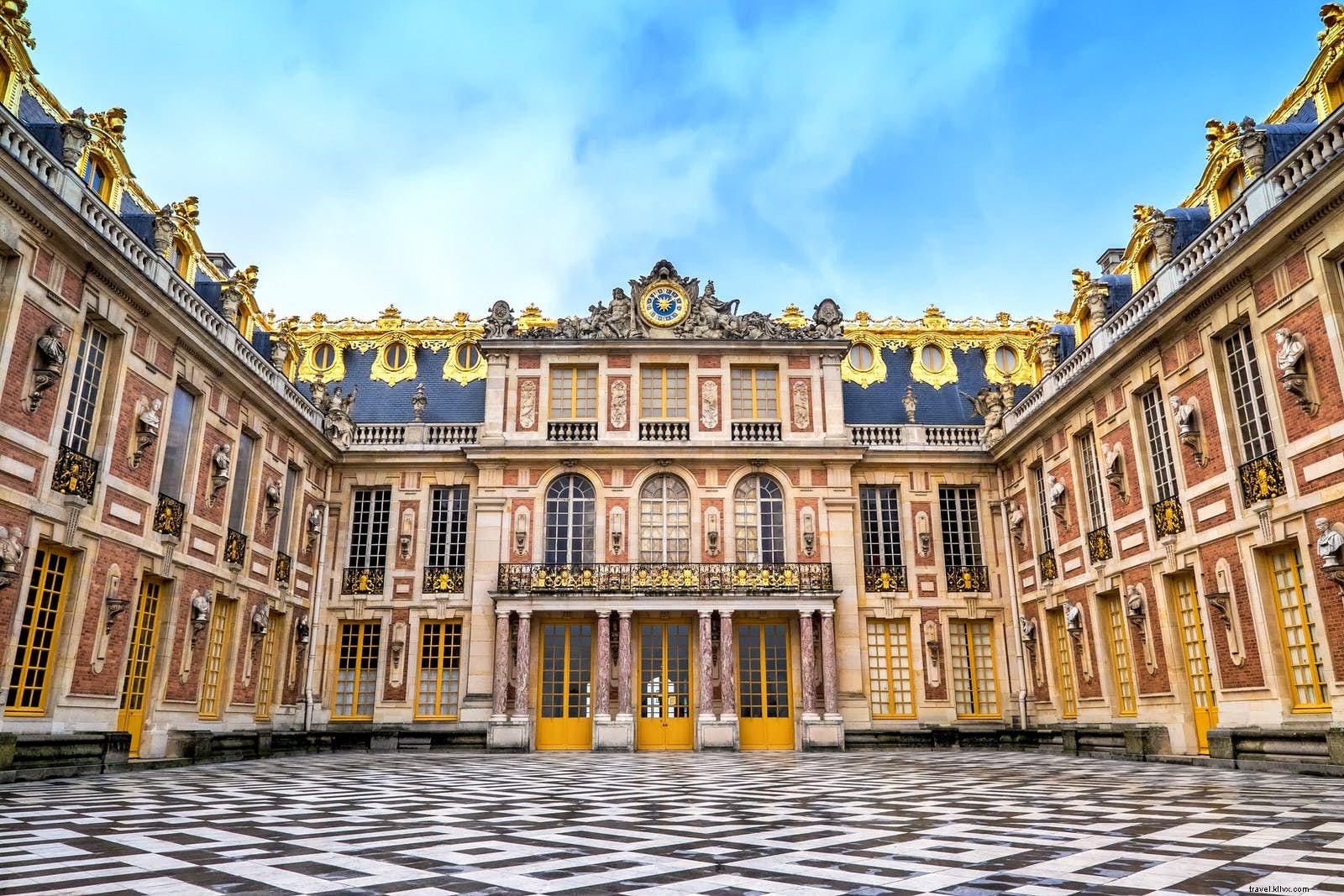
Baroque architecture dazzles with dramatic ornamentation, evolving into the even more exuberant Rococo by the late 18th century, featuring frescoes and theatrical lighting.
How to spot it: Elaborate decoration, ceiling frescoes, dynamic light effects.
Where to find it: Versailles, France; Trevi Fountain, Rome; St. Paul's Cathedral, London.

Neoclassicism
Era: Mid-18th century, Europe
Rejecting Rococo excess, Neoclassicism strictly revived ancient Greek and Roman forms with precise proportions.
How to spot it: Proportional columns, pediments, and domes.
Where to find it: The White House, Washington, DC; Hermitage, St. Petersburg; Brandenburg Gate, Berlin.
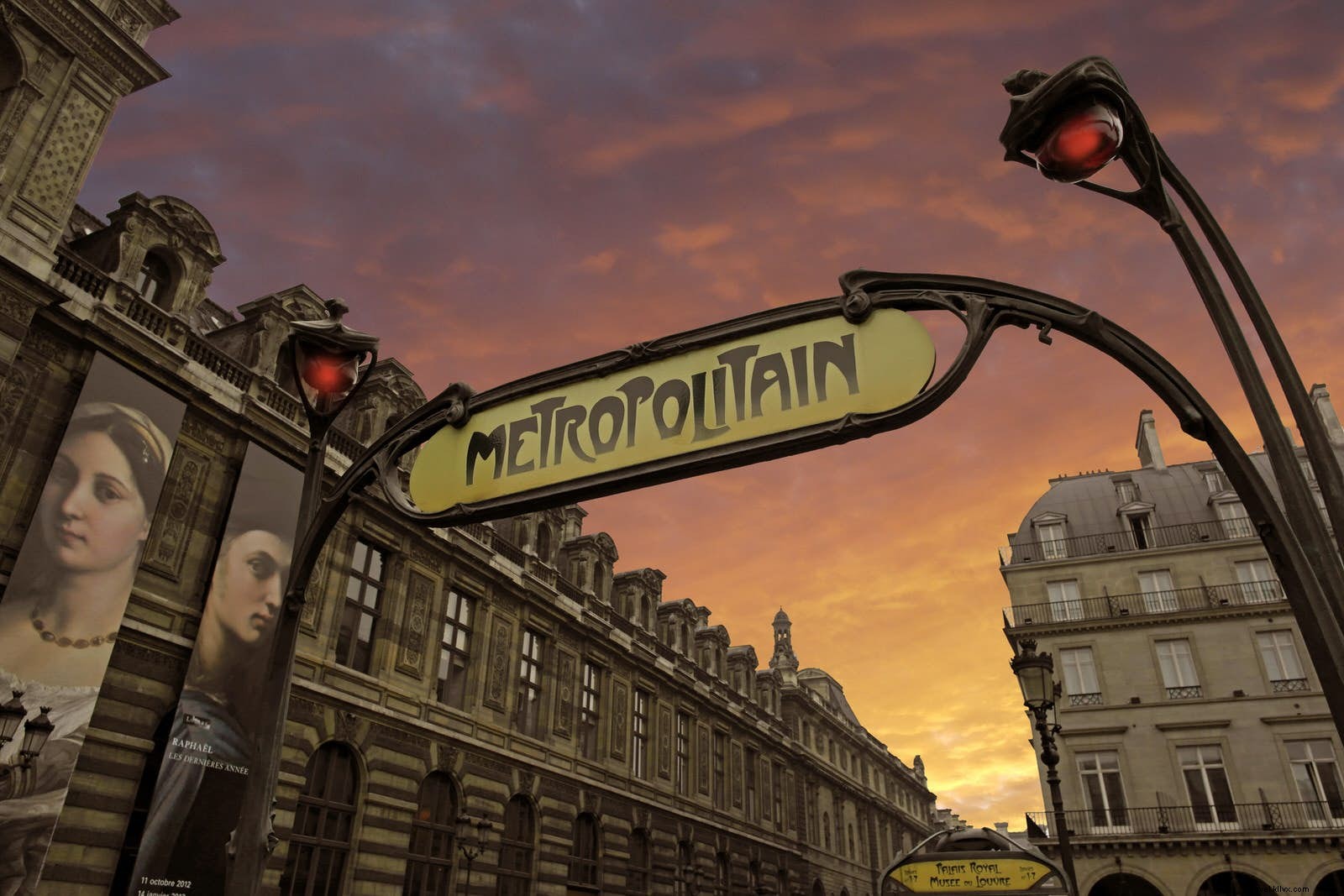
Art Nouveau
Era: 1890–1910
Characterized by sinuous, organic forms inspired by nature, Art Nouveau influenced architecture, notably Paris's Metro entrances.
How to spot it: Flowing lines, plant motifs, organic shapes.
Where to find it: Horta Museum, Brussels; Paris Metro; Lavirotte Building, Paris.
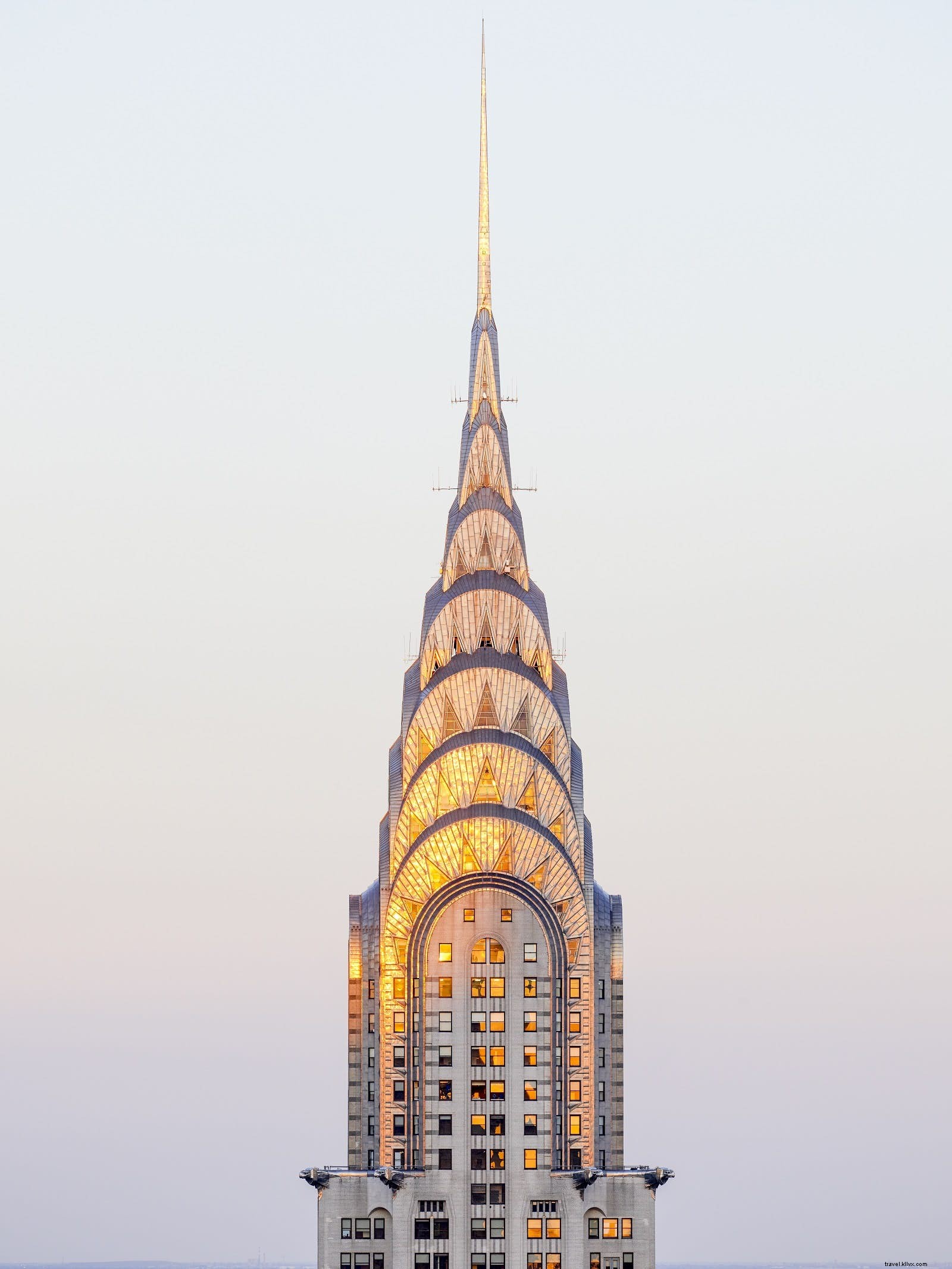
Art Deco
Era: 1915–1930
Capturing 1920s glamour, Art Deco uses luxurious materials, geometric patterns, and bold colors for sophisticated elegance.
How to spot it: Chrome accents, geometric motifs, vibrant hues.
Where to find it: Chrysler Building; Empire State Building; Miami Beach; Napier, New Zealand.
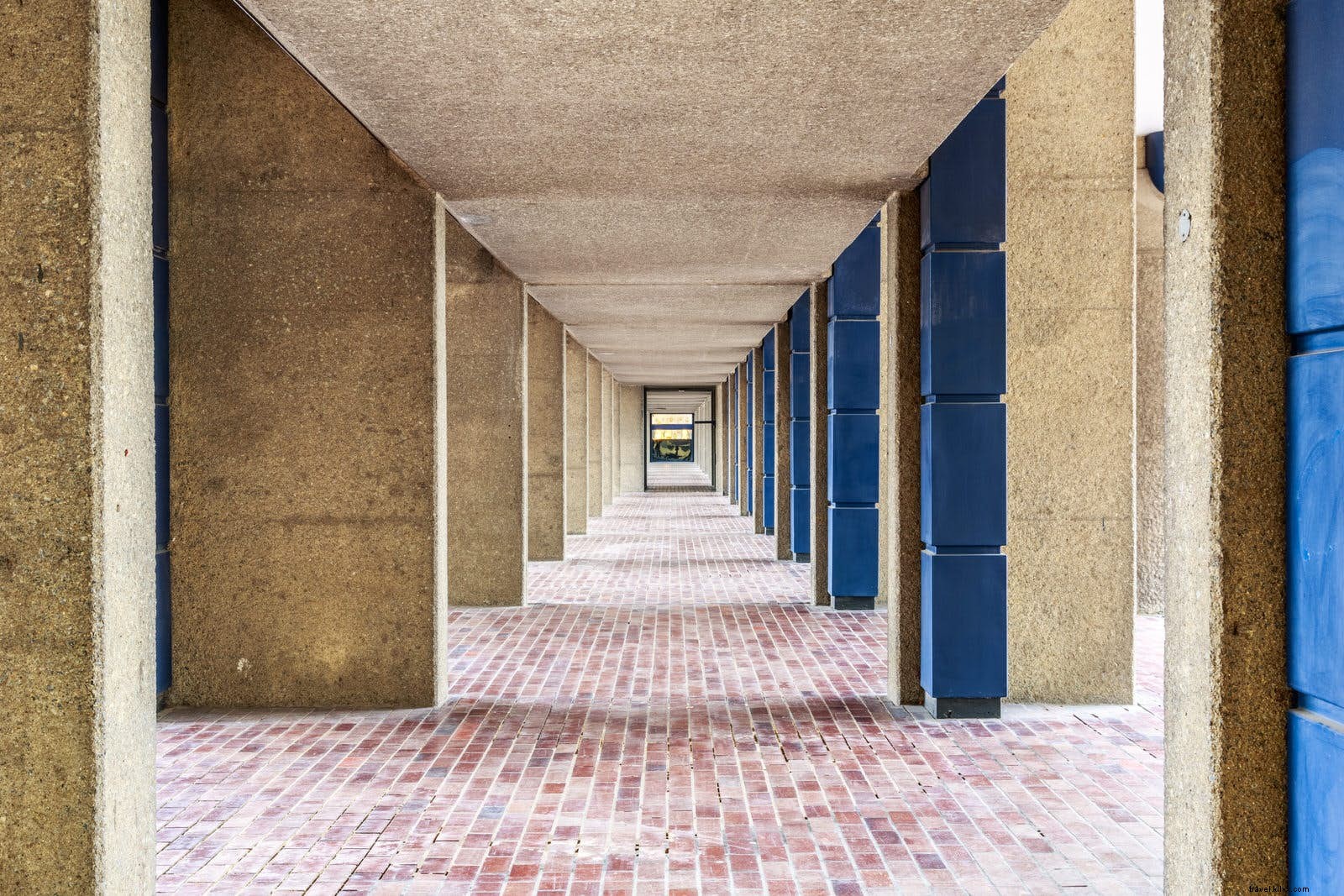
Modernism
Era: Early 20th century–1980s
Emphasizing 'form follows function,' Modernism favors minimalist, functional designs with concrete, open plans, and no ornament.
How to spot it: Rectilinear forms, reinforced concrete, expansive windows.
Where to find it: Boston City Hall; Barbican, London; Fallingwater, Pennsylvania; Brasília.
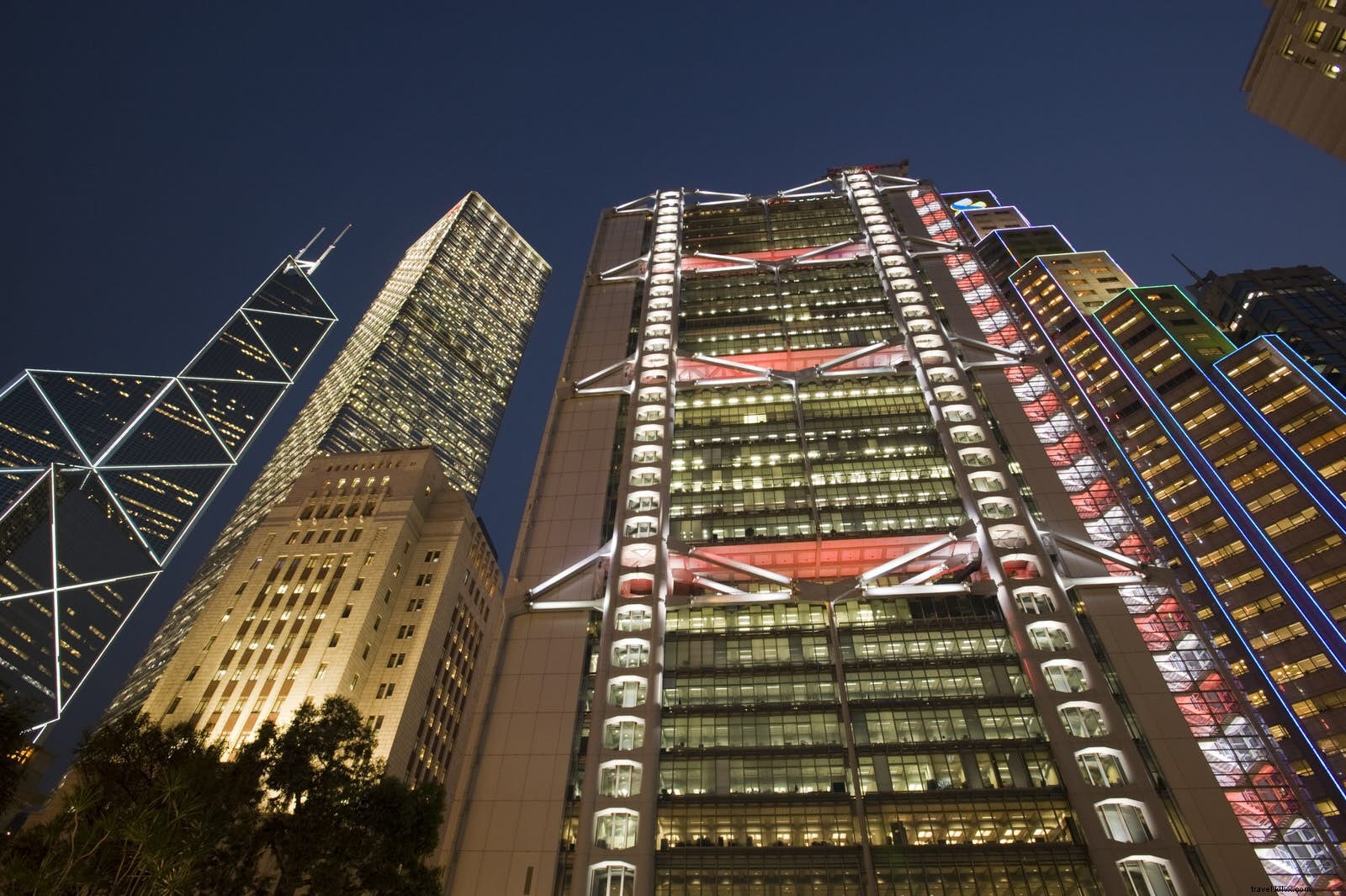
High-Tech Architecture
Era: 1960–1985
Exposing structural elements like pipes externally, High-Tech celebrates technology with flexible interiors.
How to spot it: Exposed services and mechanical features.
Where to find it: Centre Pompidou, Paris; HSBC HQ, Hong Kong; Patscenter, Princeton.
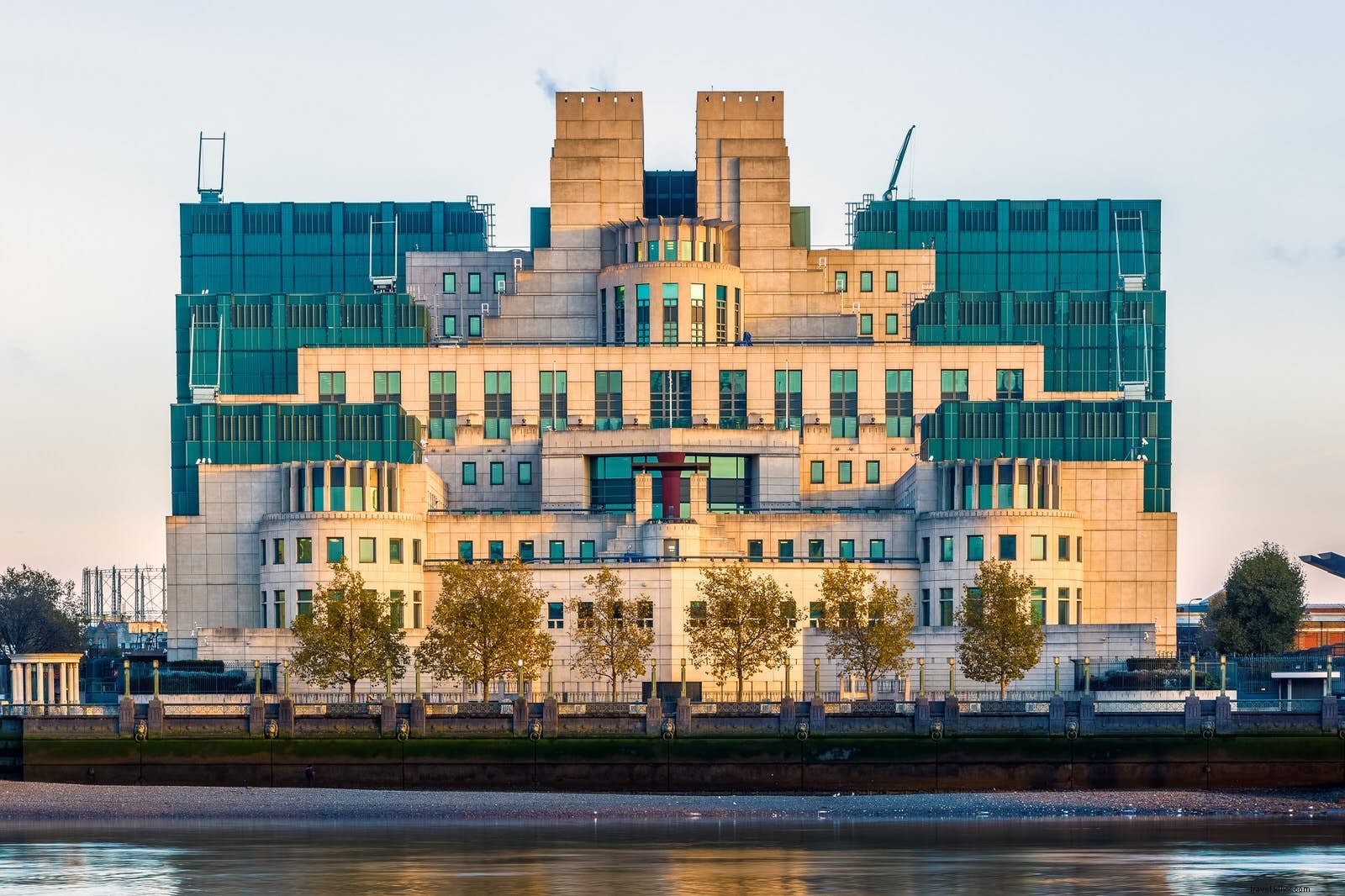
Postmodernism
Era: 1960s–present
Playful and eclectic, Postmodernism mixes irony, color, and historical references, challenging Modernist austerity.
How to spot it: Vibrant colors, eclectic shapes, classical nods.
Where to find it: Staatsgalerie extension, Stuttgart; Portland Building; MI6, London; M2, Tokyo.
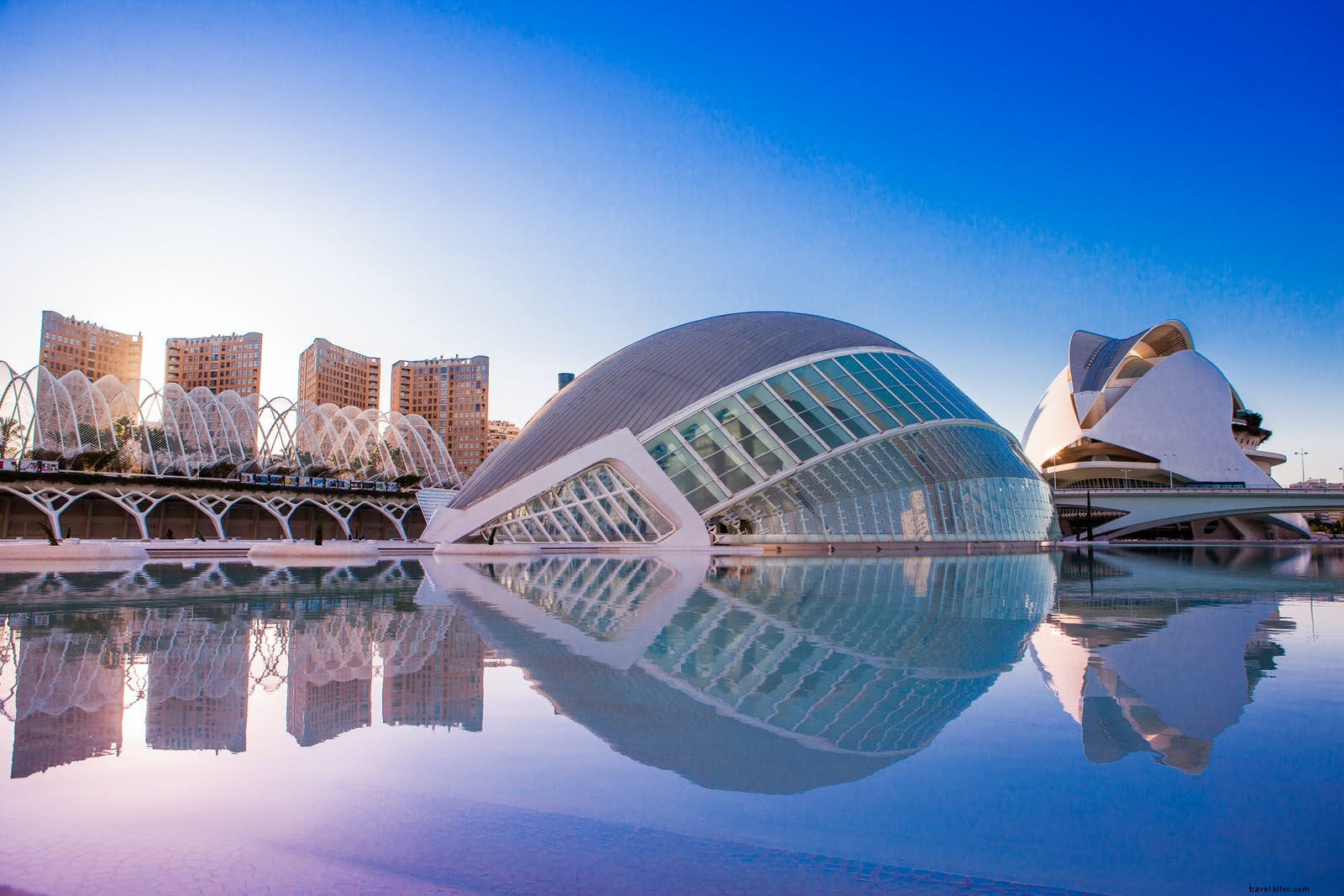
Neo-Futurism
Era: 1960s–present
Innovative and bold, Neo-Futurism employs advanced materials for dynamic, curving forms that defy convention.
How to spot it: Fluid curves, fragmented geometry.
Where to find it: Heydar Aliyev Center, Azerbaijan; City of Arts & Sciences, Valencia; The Gherkin, London.
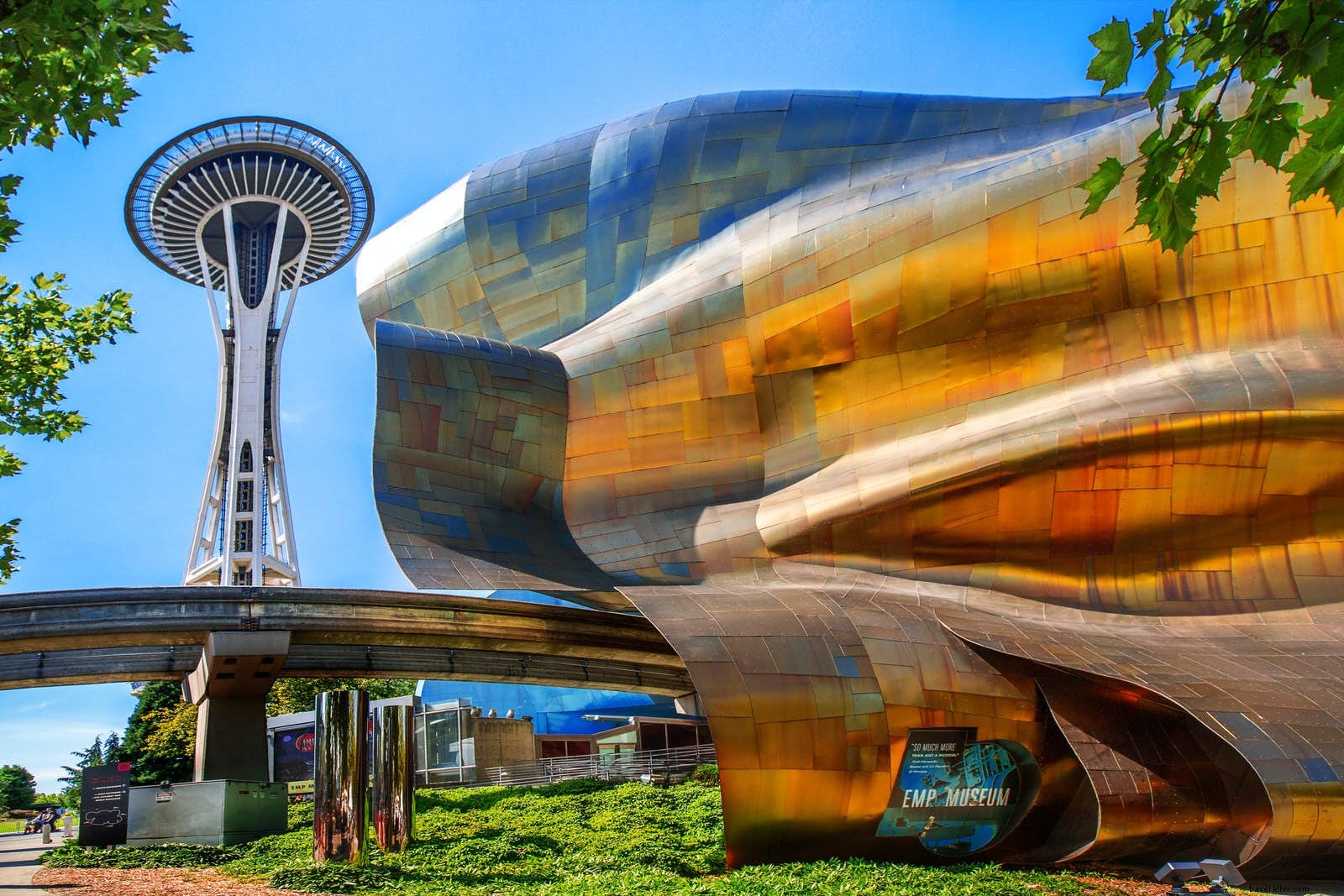
Deconstructivism
Era: 1960s–present
Featuring fragmented, angular forms that appear distorted, Deconstructivism challenges traditional geometry with precise chaos.
How to spot it: Irregular, flowing shapes in reflective materials.
Where to find it: Guggenheim Museum, Bilbao; Der Neue Zollhof, Düsseldorf; Museum of Pop Culture, Seattle; Jewish Museum, Berlin.