
Essential Silk Road Sights: Must-Visit Attractions in China's Wild Northwest
The timeless landscapes of China's far northwest Silk Road have captivated travelers for millennia. Enduring ancient sights date back to when monks carried Buddhism from South Asia and merchants traded silk for spices and goods.
Comprising a network of routes linking Chinese capitals to South Asia, Europe, and the Mediterranean, a Silk Road journey remains one of China's most epic adventures. Traversing Gansu and Xinjiang provinces—past fiery red mountains, vast sand dunes, and alpine lakes—it evokes the experiences of ancient traders. In 2014, UNESCO designated the 5,000km Tian Shan Corridor a World Heritage Site.
Enhanced accessibility comes from a new high-speed rail line through Xinjiang and Gansu, soon linking the northwest to Xi'an, Beijing, and beyond. Discover our curated east-to-west must-see highlights.
Terracotta Army
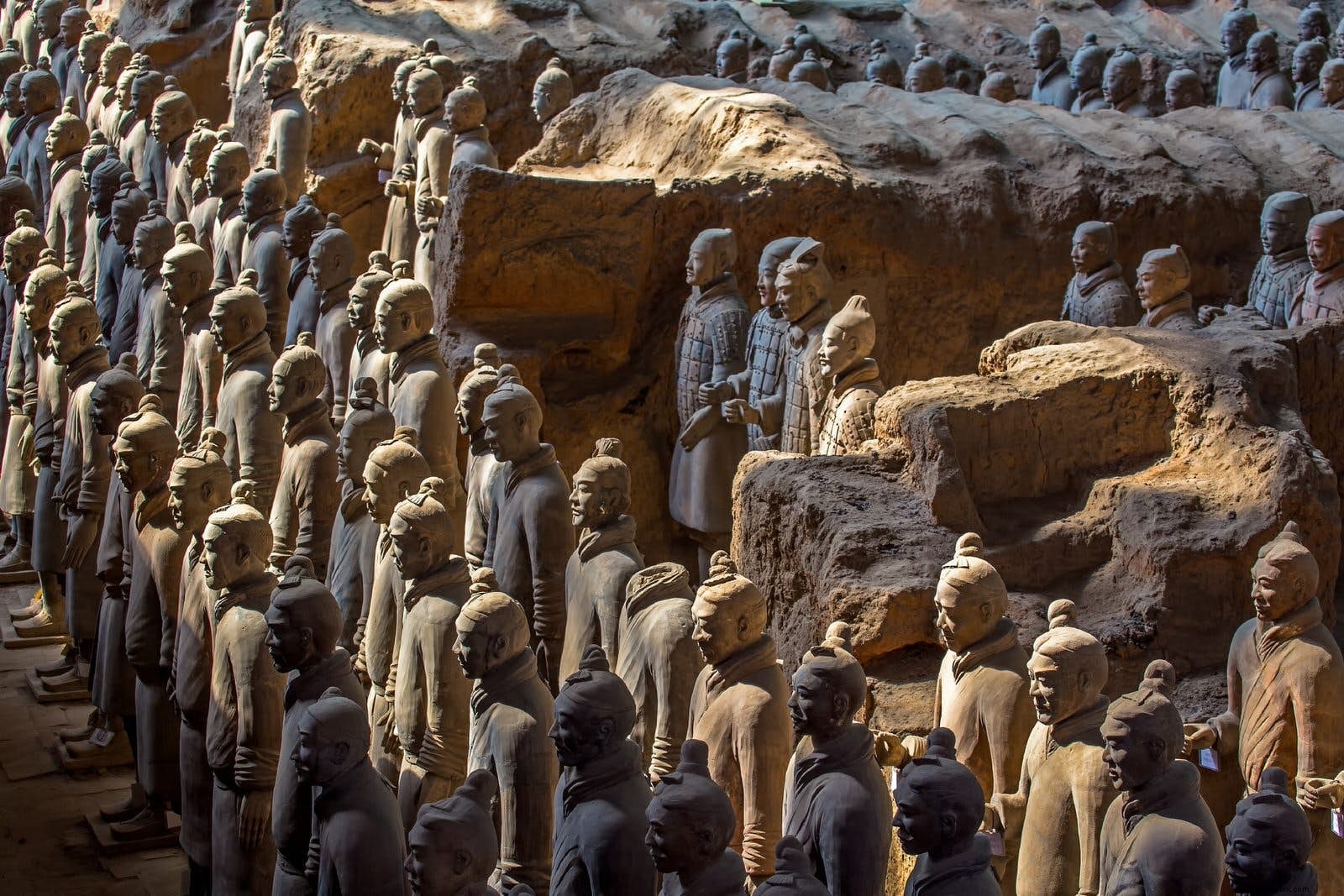
Crafted as eternal guardians for China's first emperor, Qin Shi Huang, the Terracotta Army was unearthed in 1974 near Xi'an in Shaanxi province. Thousands of life-sized warriors, archers, and chariots stand ready. As the eastern gateway to the Silk Road, Xi'an—former imperial capital on the Guanzhong Plain—connects eastern China to the rugged west. Today, it's a vibrant hub for ethnic minorities, including Hui Muslims.
Labrang Monastery
A cornerstone of Tibetan Buddhism's Gelug (Yellow Hat) sect, Labrang Monastery in Xiahe once housed 4,000 monks. It traces Buddhism's journey from South Asia through China to the Far East. Now home to 1,800 monks, its majestic prayer halls and elaborate yak-butter sculptures draw pilgrims and visitors alike.
Mogao Grottoes
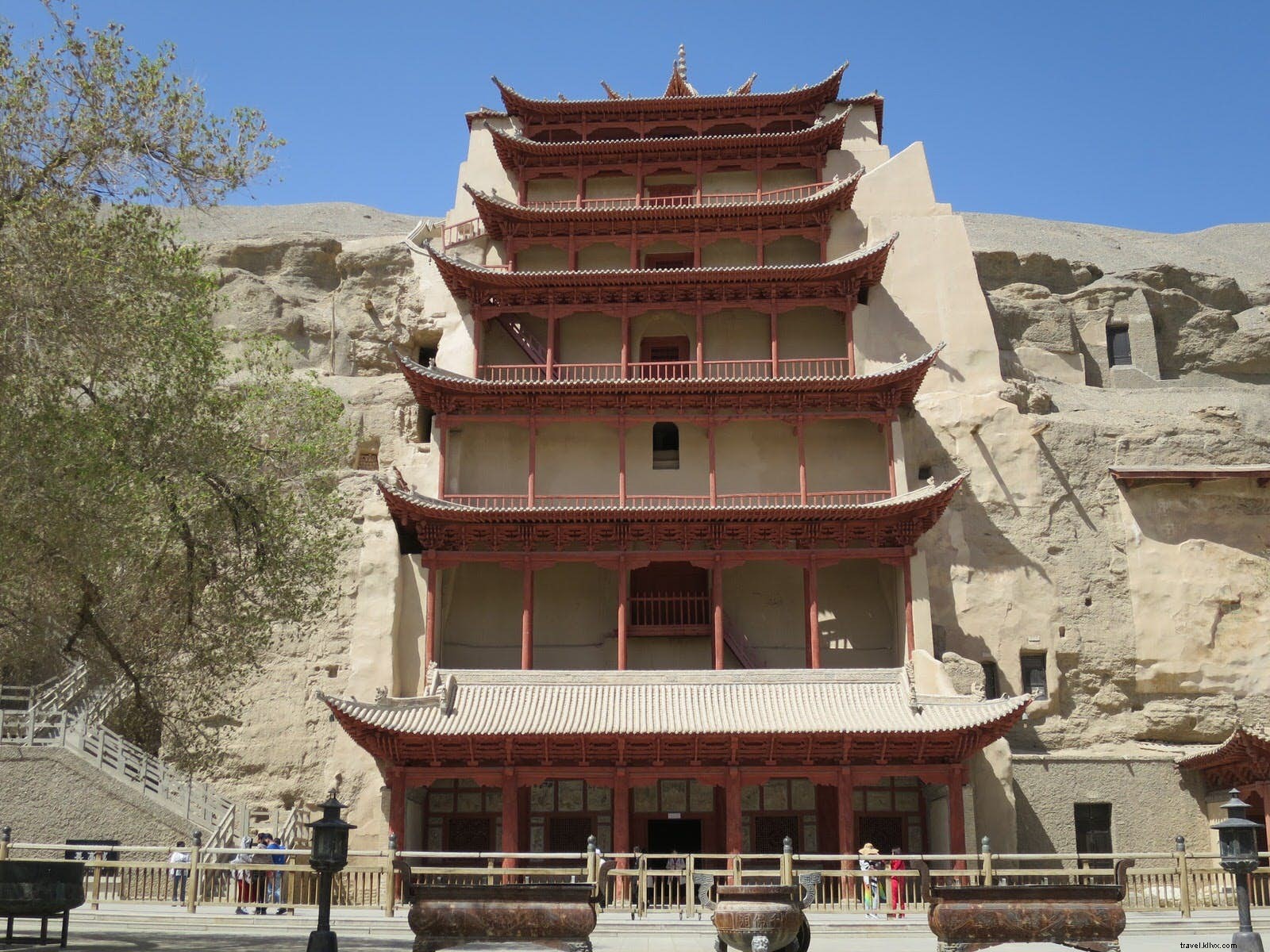
Near Dunhuang oasis, the Mogao Grottoes—one of the world's premier Buddhist art treasures—originate from around 366 AD. These caves preserved wall paintings, scrolls, carvings, and texts by passing monks and nuns. Despite early 20th-century looting, visitors can still admire the intricate interior artworks.
Overhanging Great Wall & Jiayuguan Fort
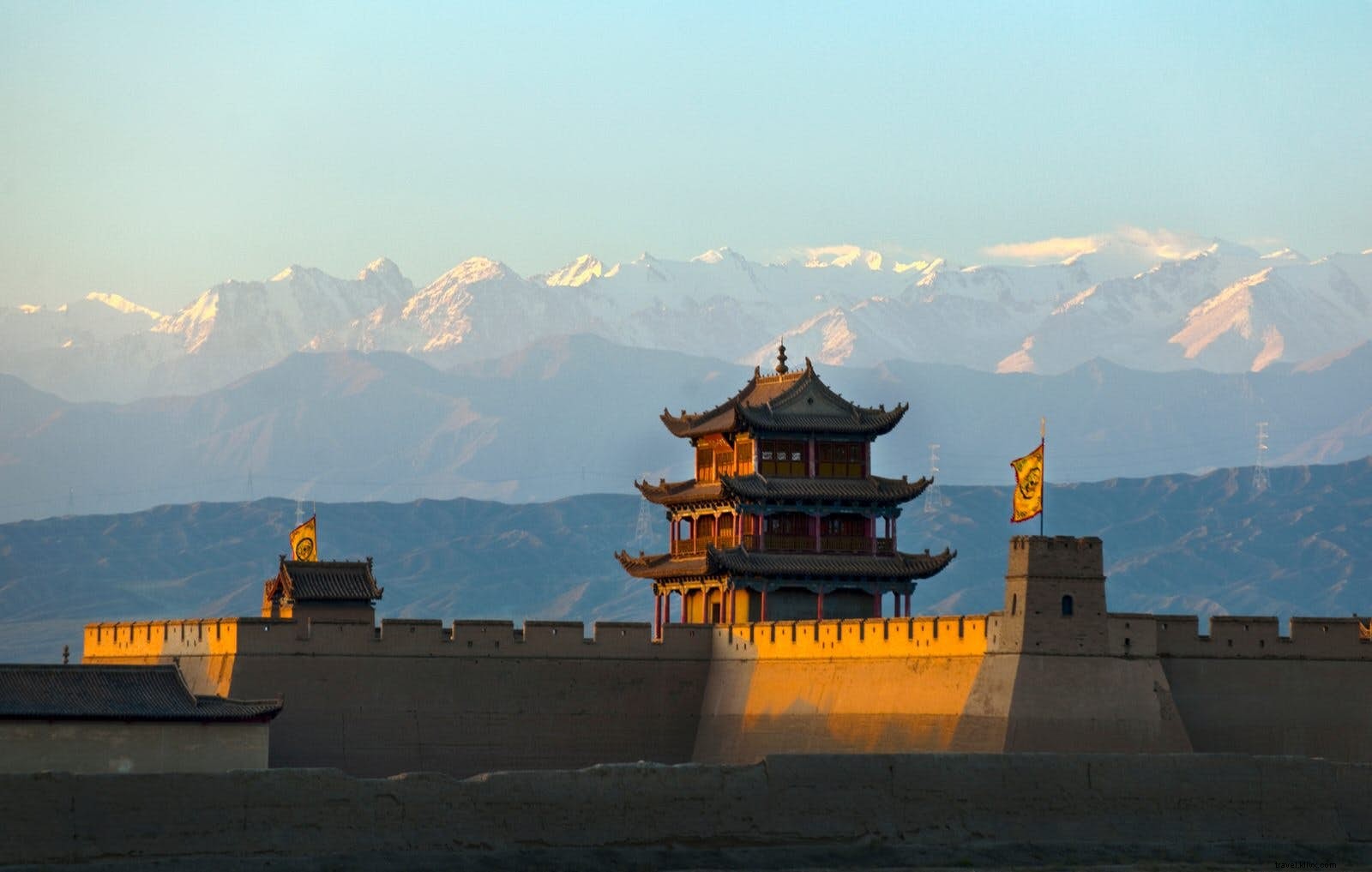
The Great Wall comprises myriad segments, culminating at Jiayuguan Fort—the westernmost fortress amid the desert, once China's frontier to the unknown. Its massive mud walls rise dramatically from the sands. Nearby, the Overhanging Great Wall clings to steep desert mountains, offering panoramic valley views. In Jiayuguan, savor Han, Hui, and Uyghur cultures and cuisine at Jingtie and Fuqiang night markets.
Singing Sands Dune & Crescent Lake
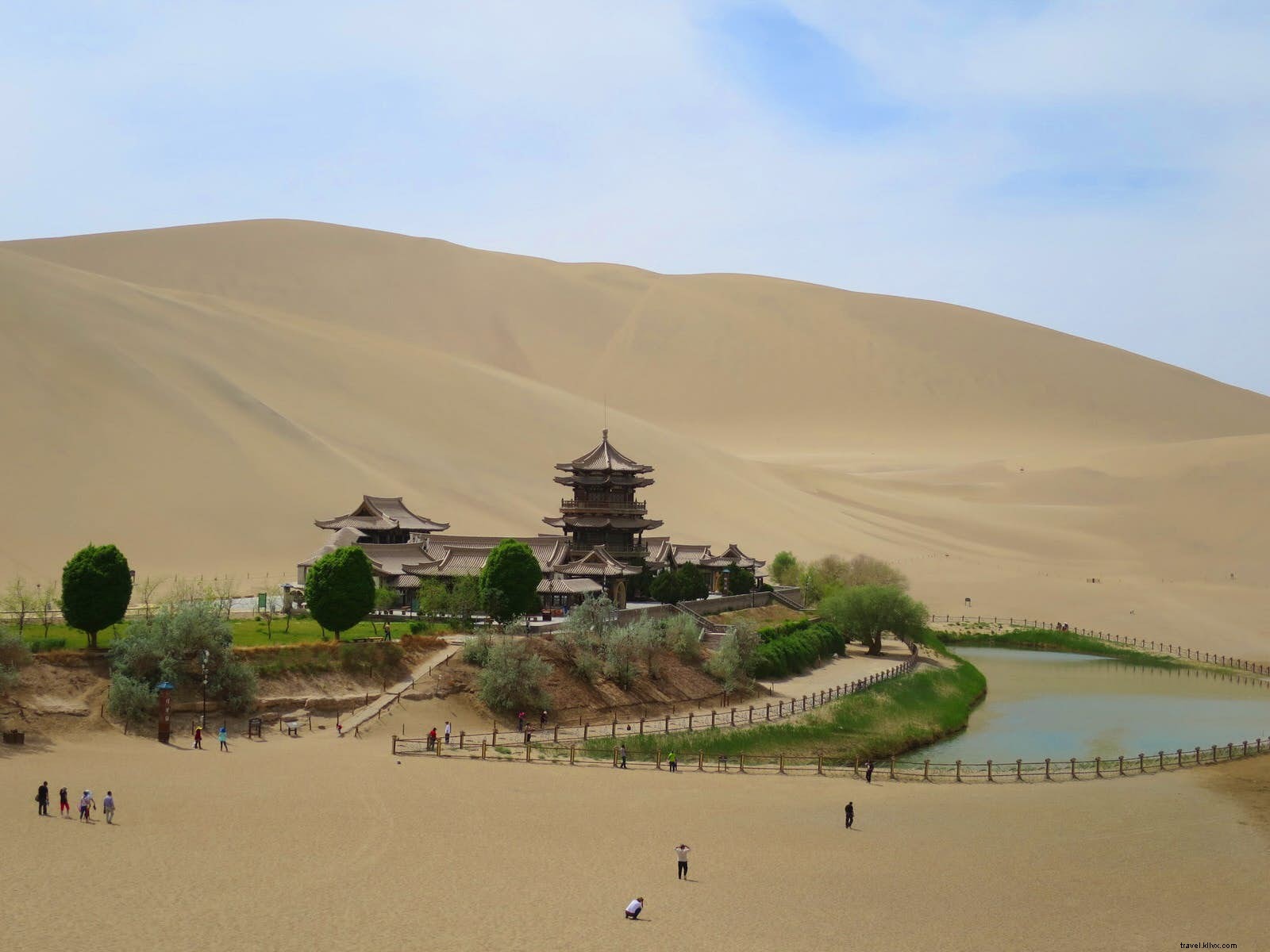
Dunhuang, an outpost edging the Taklamakan Desert, gateways to Mogao and hosts Crescent Lake—a mystical half-moon pond at the base of towering Singing Sands Dune. Local legend claims its magic defies encroaching sands. Summit the dune for a breathtaking vista over endless dunes, underscoring the Silk Road's vast scale.
Jiaohe Ruins
Dating to 108 BC (ancient Yarkhoto), Jiaohe was a vital Silk Road stop between Tian Shan mountains and Dunhuang oasis. Explore its mud-brick ruins and structures atop a riverside cliff. A short 10km ride from Turpan, famed for wines.
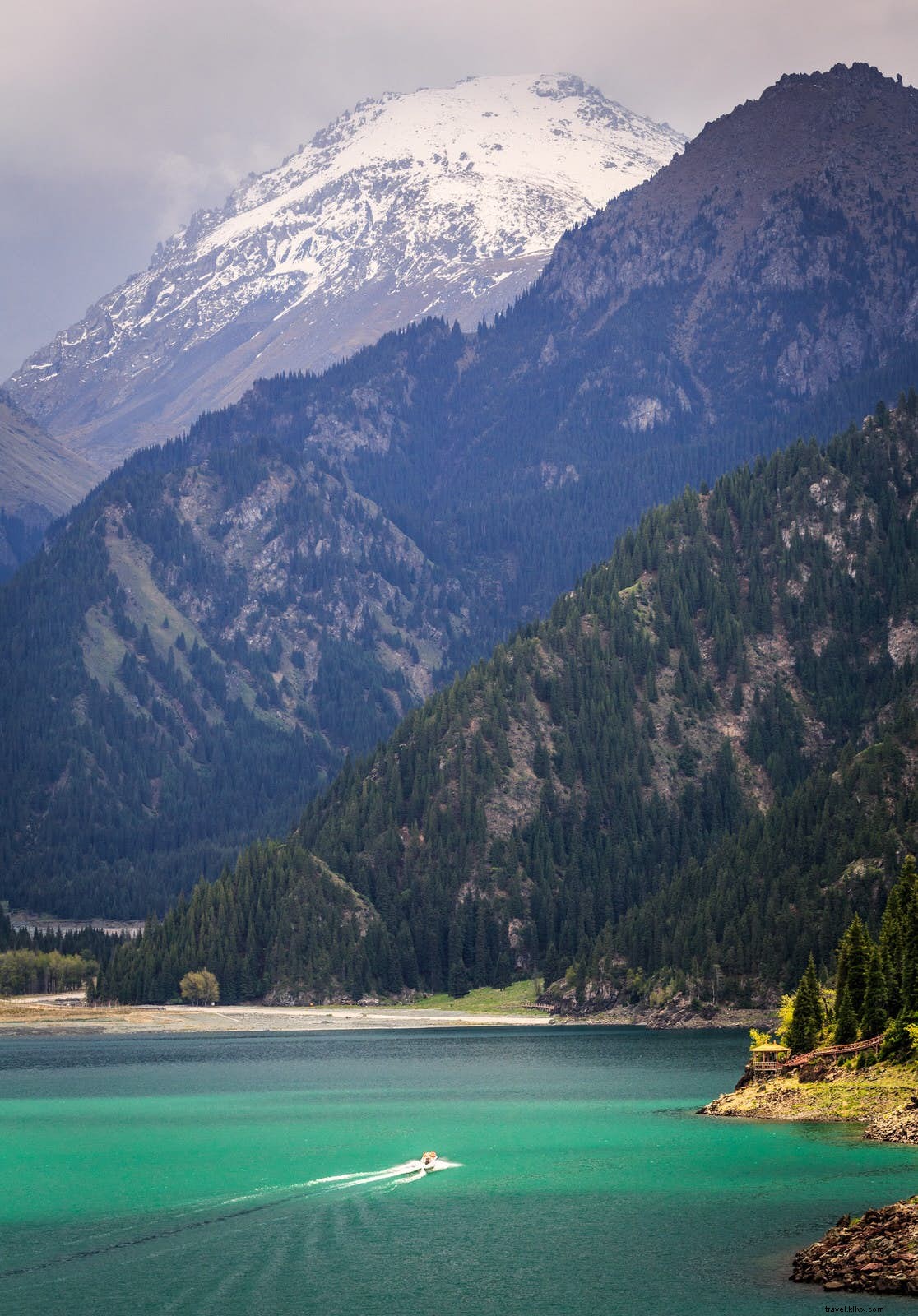
Tian Chi Lake
Heaven Lake (Tian Chi) is a pristine alpine disc ringed by Tian Shan peaks, with Bogda Feng (5,445m) towering above. Boat rides and Uyghur yurt stays enhance the sublime scenery.
Flaming Mountains
These eroded red sandstone hills stretch 100km across Turpan Depression—China's hottest, driest spot and Central Asia's lowest (154m below sea level), peaking at 800m. Immortalized in Journey to the West and films like Hero, they evoke otherworldly drama.
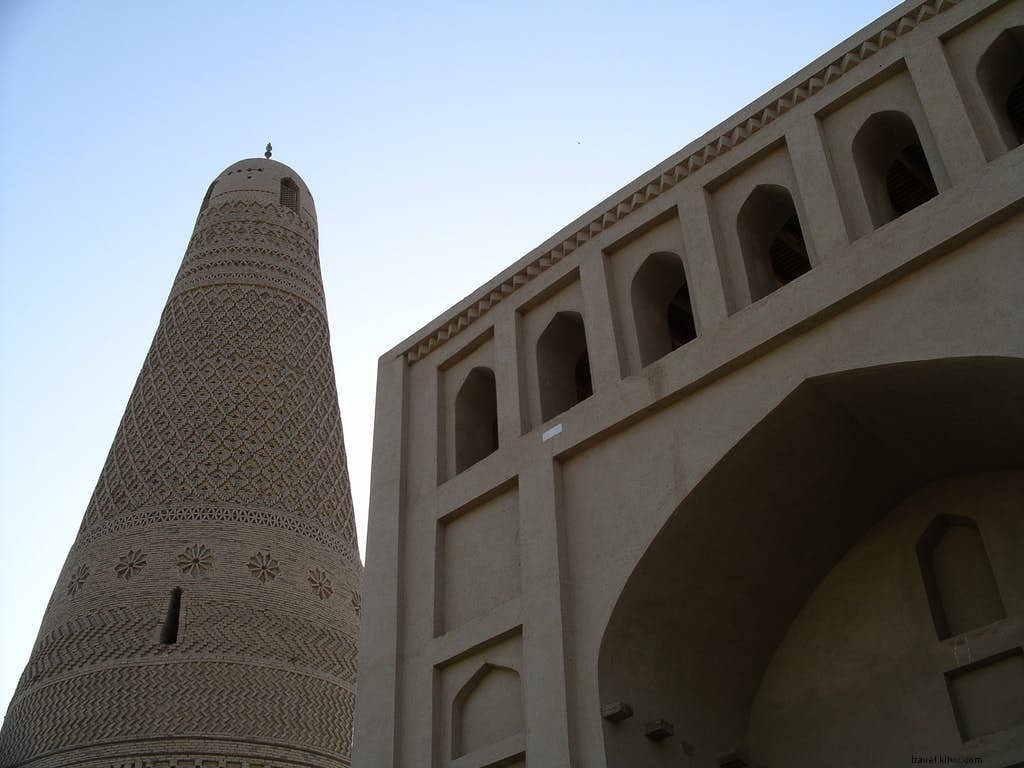
Emin Minaret
China's tallest minaret (1770s), near Turpan, honors a local leader with intricate floral mud designs and a distinctive shape, emblematic of Silk Road Islamic heritage.
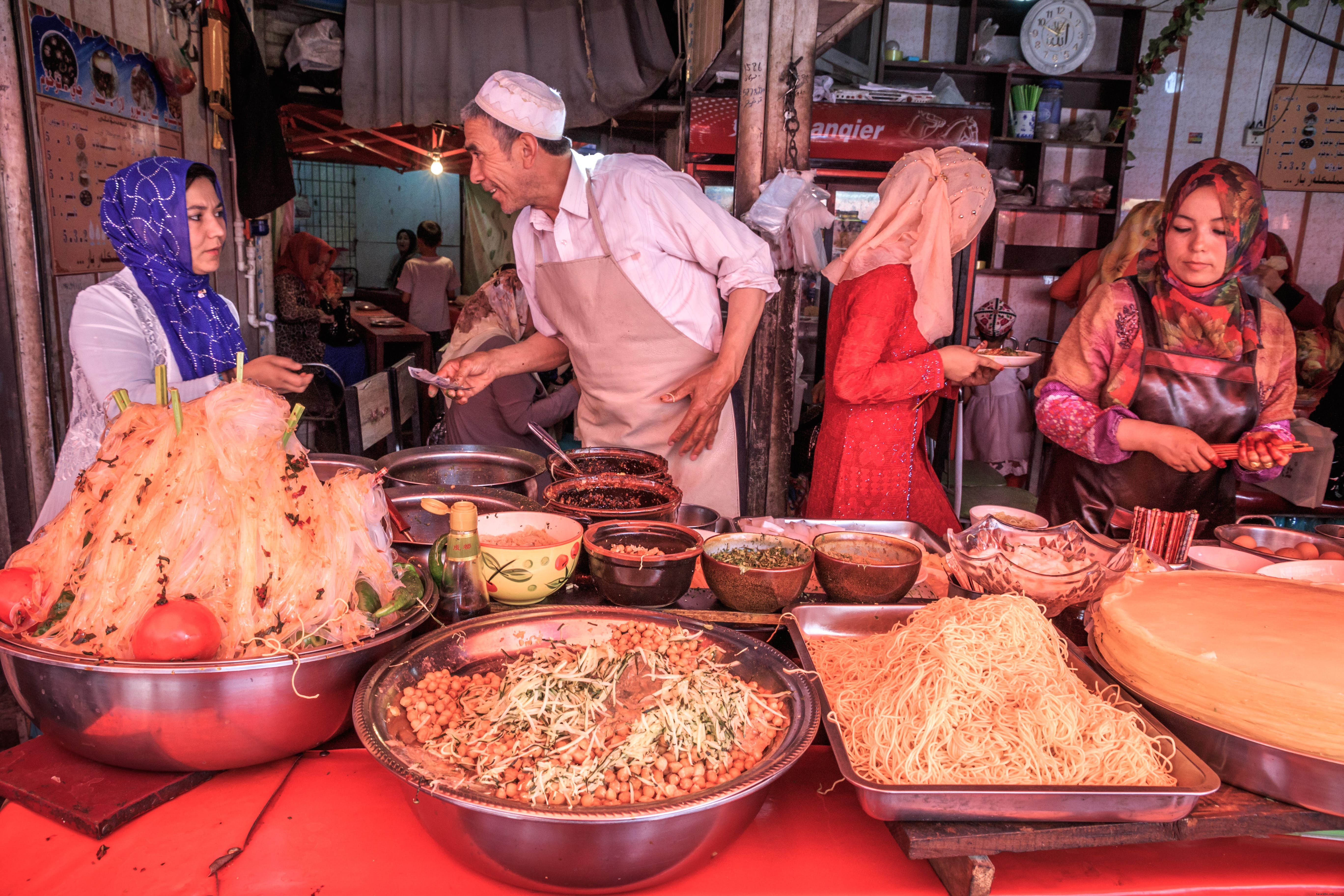
Kashgar's Grand Sunday Bazaar
Kashgar, the Silk Road's final major hub before Central Asia, hosts a 200-year-old bazaar brimming with spices, livestock, textiles, muqam music, carved boxes, and beaded crafts amid Uyghur vibrancy.
Originally published December 2015; updated May 2017.