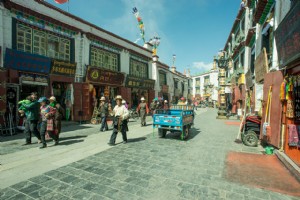

Suzhou's Classical Gardens: Timeless Retreats of Elegance and Serenity
Renowned as the 'Venice of the East' for its picturesque canal network, Suzhou on China's eastern seaboard is equally celebrated for its exquisite classical gardens.
Suzhou preserves 69 classical gardens today, nine of which are UNESCO World Heritage Sites. What elevates these gardens to iconic status, and what key features should visitors seek out?

Suzhou's Rich Historical Legacy
Situated in the Yangtze River Delta near Taihu Lake—one of China's largest freshwater lakes—Suzhou has thrived on its fertile surroundings and enduring stability.
Founded in 514 BCE as the capital of the Wu state, Suzhou's early rulers harnessed its natural bounty, constructing royal residences and parks amid prosperous fishing and rice farming.
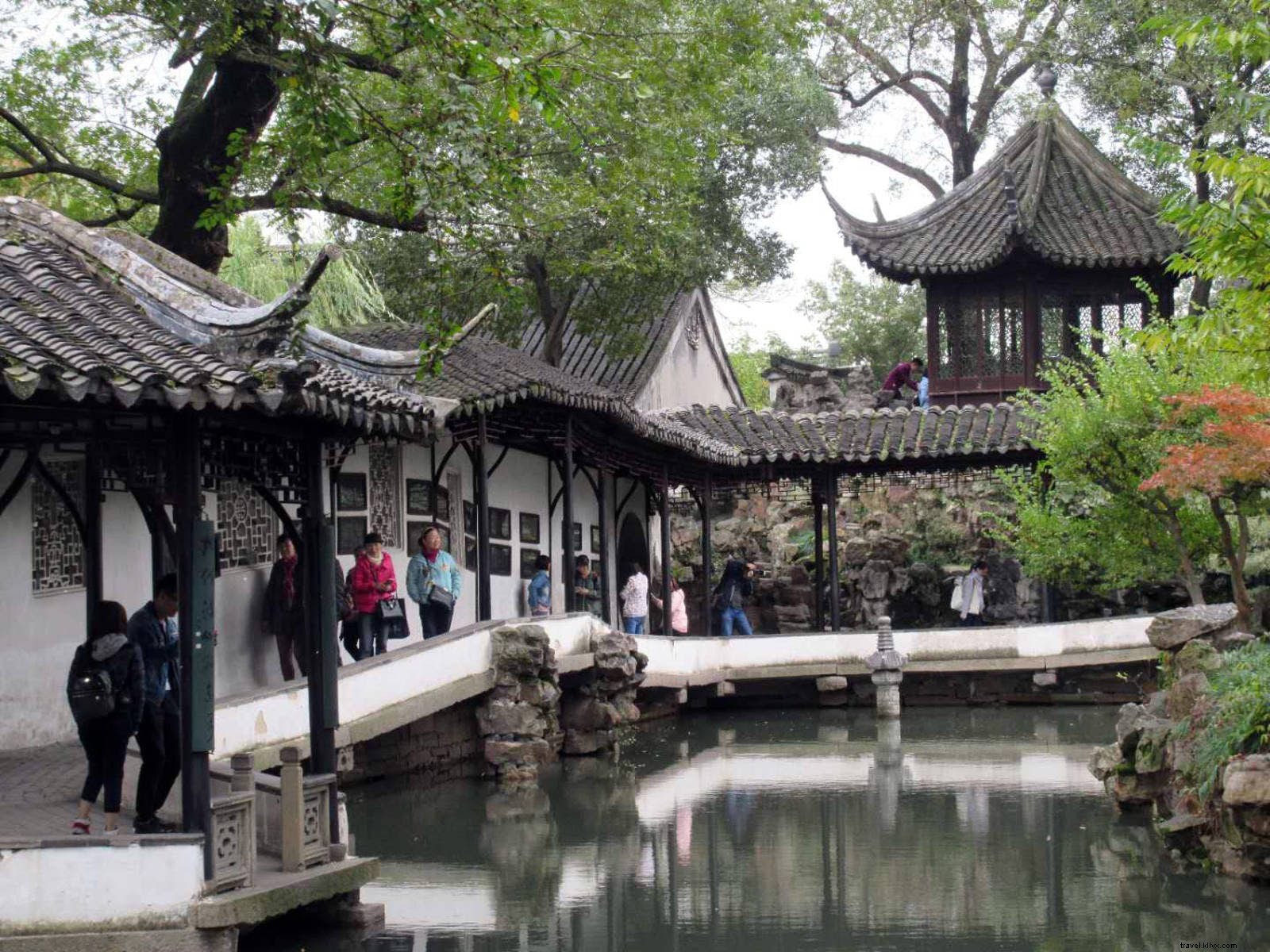
After the Wu state's fall in the early 5th century BCE, King Helü's burial mound at Tiger Hill endures today. Royal gardens declined but evolved into private ones, seeding modern designs.
By the late 1st century CE, Suzhou ranked among the world's largest cities. A surge in religious practices birthed temple-style gardens—rural retreats by scholars that mirrored natural beauty and shaped garden artistry.

Suzhou prospered over millennia, attracting ambitious families. The Sui dynasty's (581–618) Grand Canal positioned it on key trade routes, while the Tang dynasty (618–907) drew poets, scholars, and merchants.
This wealth and stability fueled aesthetic pursuits, with locals showcasing culture through gardens that symbolized leisure and refinement.
Intellectual Retreats
During the Ming (1368–1644) and Qing (1644–1911) dynasties, affluent scholars, poets, and artists flocked here, fostering a vibrant cultural scene. Their walled compounds offered serene escapes from bustling streets.
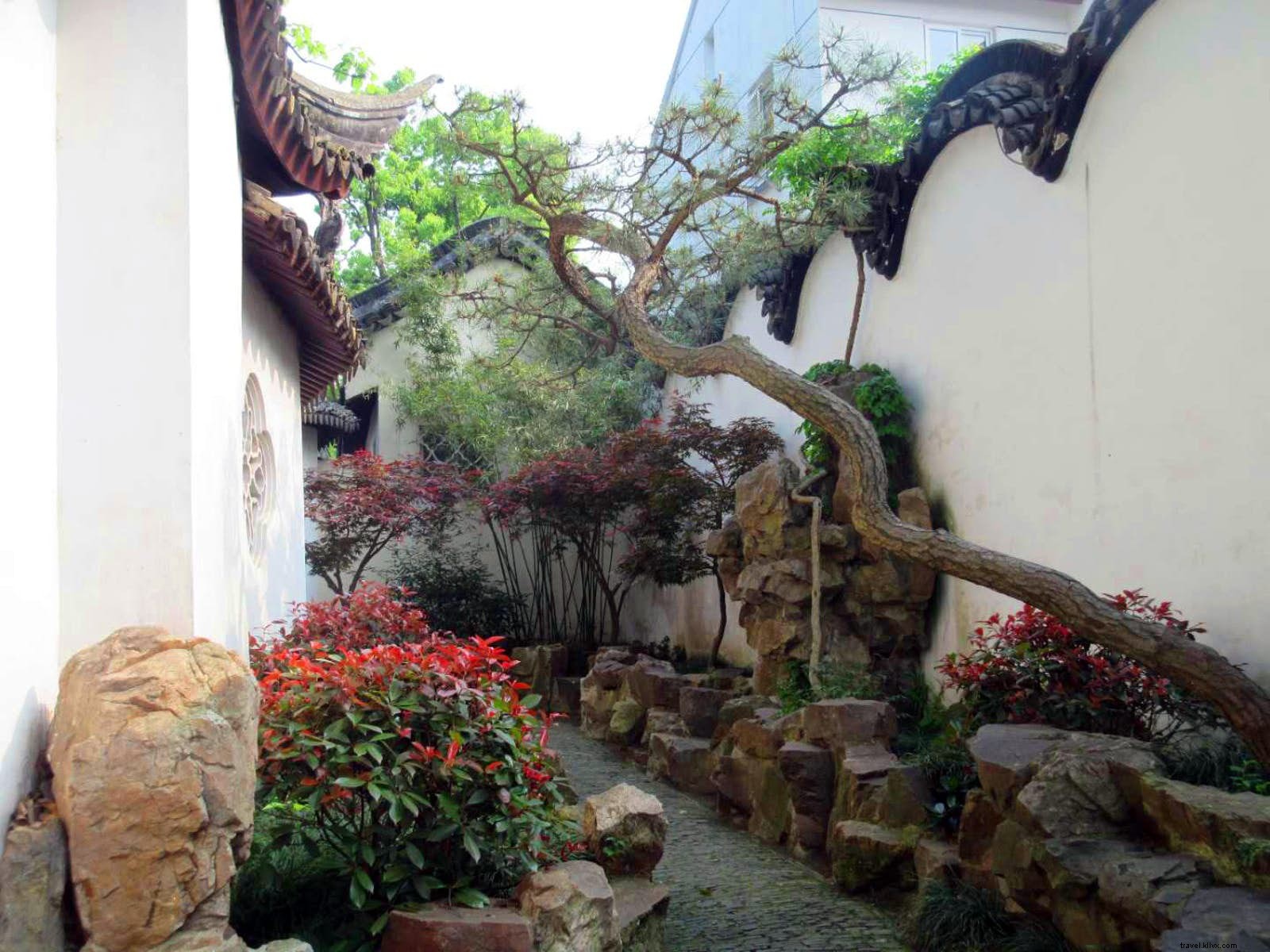
Garden-building became a competitive art among elites, refining landscape theory amid over 200 private gardens at their peak—occupying half the city walls.
These spaces displayed owners' erudition via art, inscriptions, and steles, as seen in the Garden to Linger In.
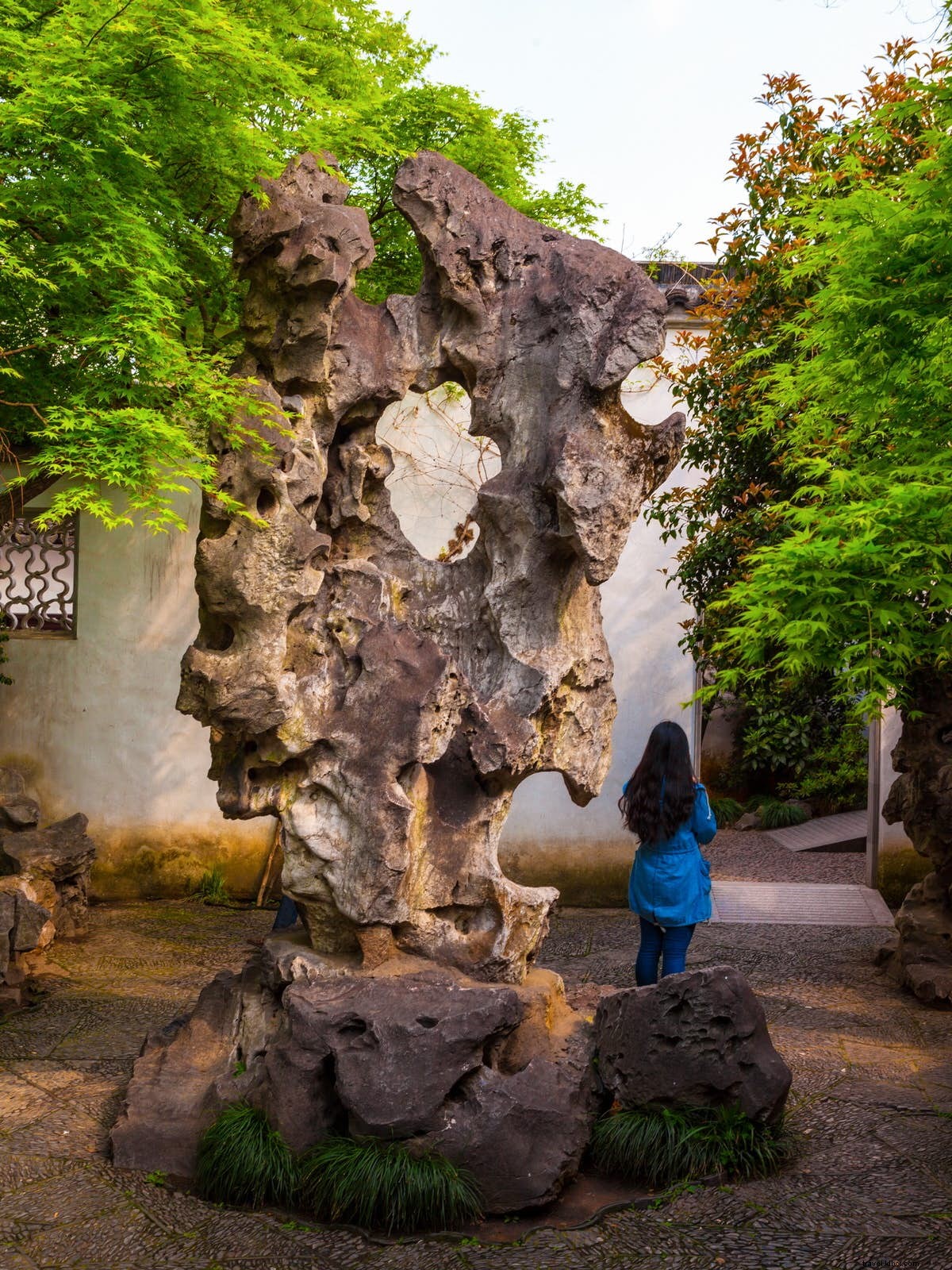
Retired officials often built them for respite; in 1510, Wang Xianchen created the Humble Administrator's Garden after his demanding career.
Gardens hosted intellectual discourse, like the Garden of Cultivation, where Ming scholar Jiang Cai gathered for political debates.

Enduring Through Turmoil
The 20th century challenged the gardens amid the Taiping Rebellion (1850–1864), World War II, 1949's republic founding, and the Cultural Revolution. Many were seized, destroyed, or neglected.
Restorations began in the 1950s for gems like the Humble Administrator's and Master of the Nets Gardens.
By the 1980s, tourism revival spurred renovations, affirming their cultural value. In 1997, UNESCO listed nine as World Heritage Sites—enduring emblems of Suzhou's civilized heritage amid rapid modernization.
Essence of Classical Chinese Gardens
Suzhou's gardens epitomize Chinese landscape architecture: compact microcosms evoking vast nature. Scaled rocks and trees craft grand illusions, as in Blue Wave Pavilion's seascapes.

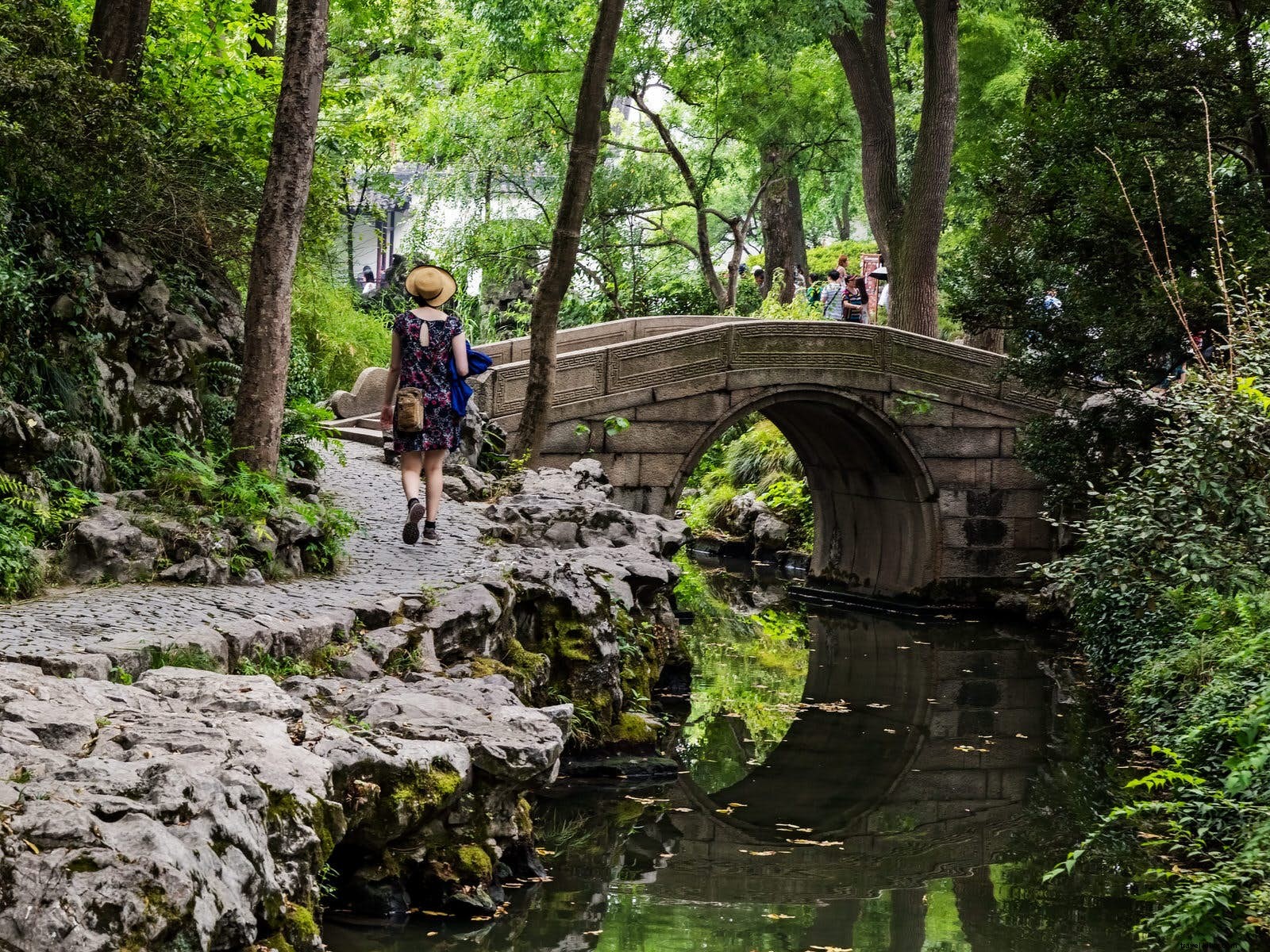
Views evolve like unfolding scroll paintings, with surprises via walls, gates, paths, and bridges. Moon gates frame vistas dramatically in the Humble Administrator's and Garden to Linger In.

White walls and dark eaves mimic paintings, balancing water, rocks, and plants. Pavilions and corridors ensure year-round enjoyment, like Lion Grove's sheltered rockeries.

Details enchant: pebble paths echoing 'heaven round, earth square'; symbolic bats, cranes for fortune; paired elements in Couple's Garden evoking love.
Plan Your Visit
In Jiangsu province, Suzhou links to Shanghai by high-speed train in 30 minutes.
Start at the free Suzhou Garden Museum for historical context.

All gardens captivate, but smaller ones like Garden of Harmony offer tranquility. Visit weekdays to evade crowds.
Subscribe to our weekly newsletter for travel inspiration, tips, and exclusive offers.