

IUCN Red List Update: 31 Species Declared Extinct, Sharks and Rays in Peril, Conservation Successes Highlighted
New data from the International Union for Conservation of Nature (IUCN) reveals that 31 additional animal species have gone extinct. It also highlights alarming trends for freshwater dolphins, sharks, and rays.
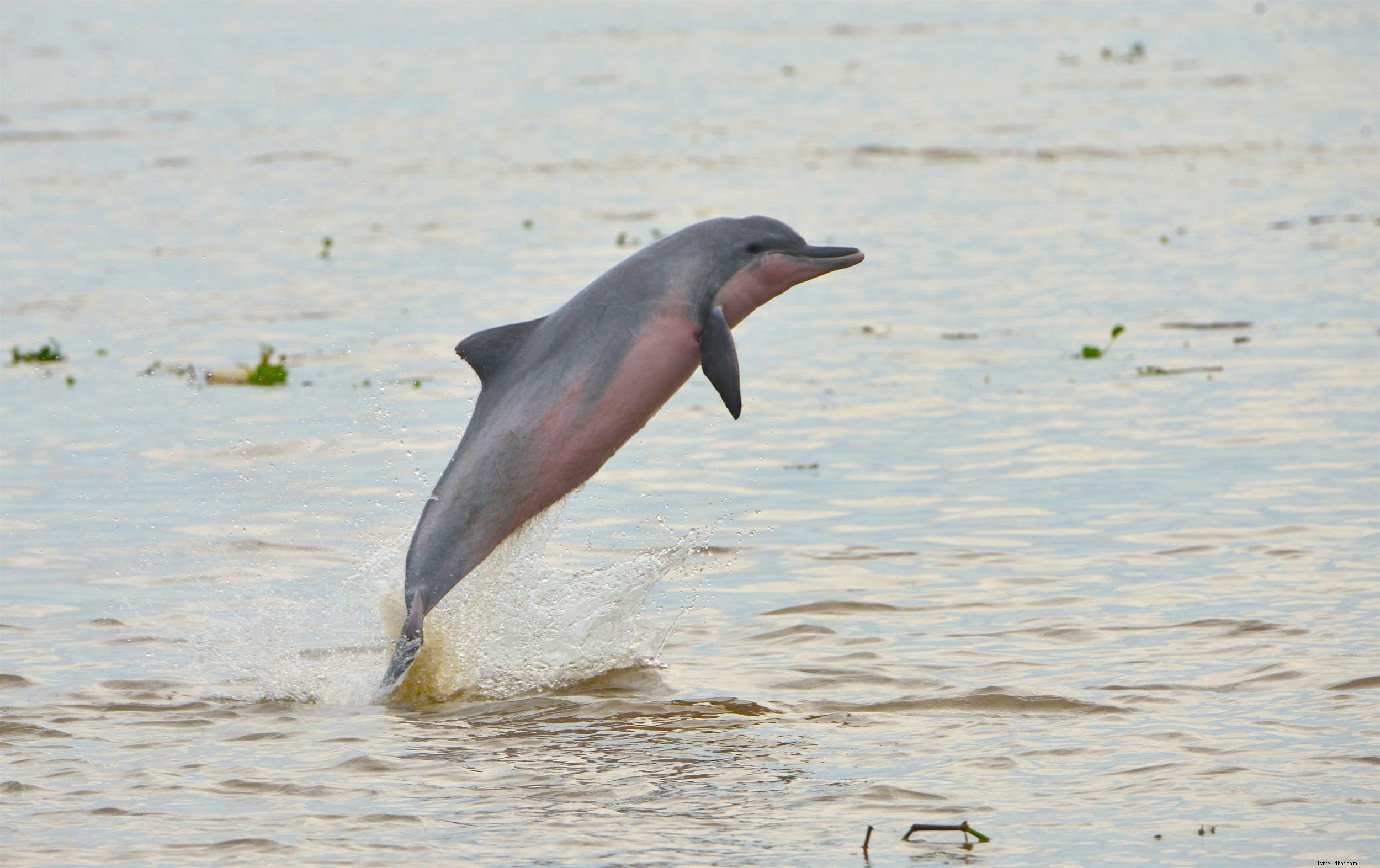
The IUCN Red List now includes 128,918 species, with 35,765 threatened with extinction. Recent assessments show over 316 chondrichthyan species—sharks, rays, skates, and chimaeras—at risk. The tucuxi (Sotalia fluviatilis) has shifted from Data Deficient to Endangered, placing all freshwater dolphins in severe peril.
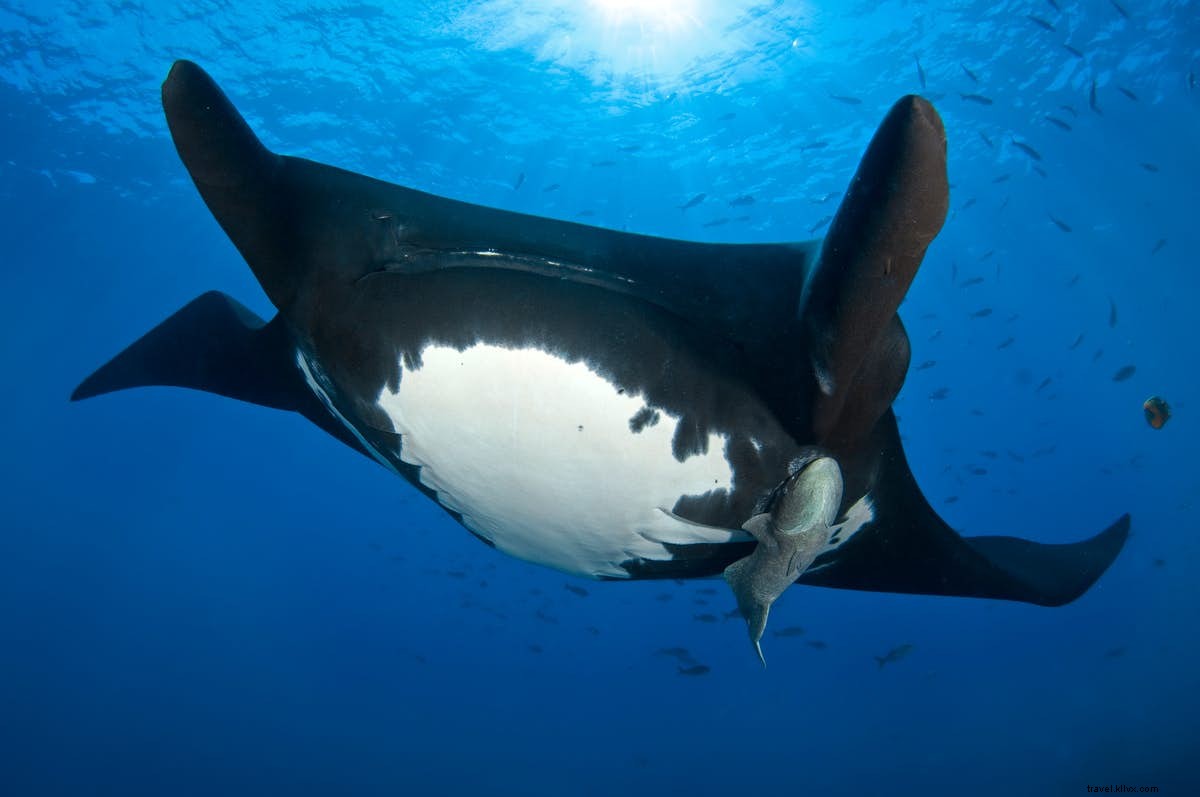
Updates cover more than 420 shark and ray assessments, with 154 classified as threatened. This includes four hammerhead shark species (Sphyrna family) and four angel shark species (Squatina family) that are Endangered or Critically Endangered—among the most imperiled shark groups. The giant manta ray (Mobula birostris) now faces a very high extinction risk. Since the 2014 update, sharks and rays are among the most threatened vertebrates.
“These findings are sadly predictable. As IUCN’s Shark Specialist Group reveals the plight of sharks and rays, it should alarm anyone concerned about ocean health. Two decades after the International Plan of Action for Sharks recognized overfishing threats, insufficient action has been taken,” said Dr. Andy Cornish, leader of Sharks: Restoring the Balance, WWF’s Global Shark and Ray Conservation Programme.
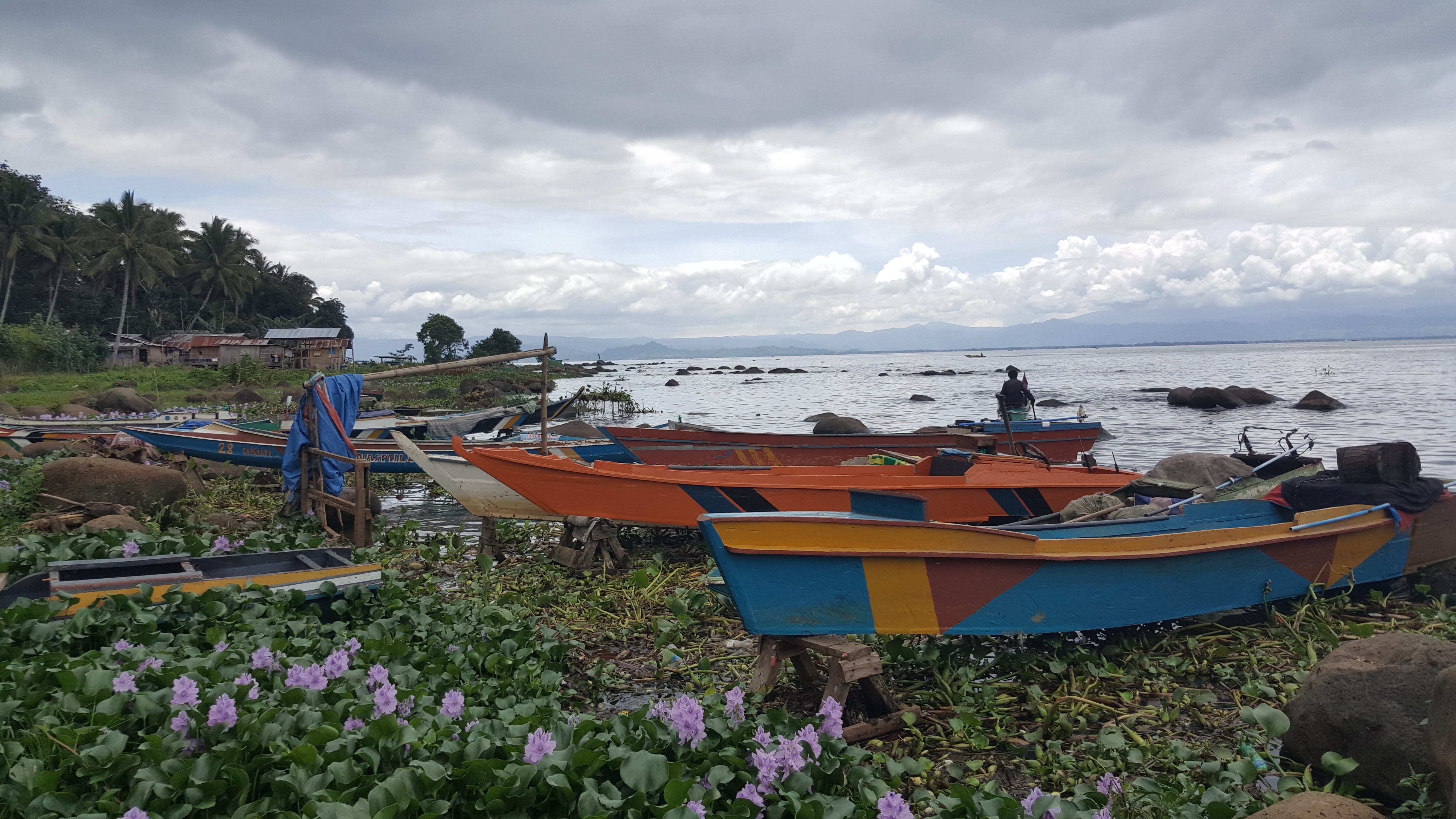
The lost shark (Carcharhinus obsoletus), formally described last year, enters as Critically Endangered (possibly extinct); last seen in 1934. Its South China Sea habitat is heavily overfished. All 17 freshwater fish species endemic to Lake Lanao and its Philippine outlet are extinct or Critically Endangered (possibly extinct), due to invasive predators, overharvesting, and destructive fishing.
Three Central American frog species are newly declared extinct, with 22 more across Central and South America as Critically Endangered (possibly extinct), mainly due to chytridiomycosis. IUCN notes conservation protecting habitats has aided amphibian recoveries, like the Oaxaca Treefrog (Sarcohyla celata), upgraded from Critically Endangered to Near Threatened by Mexican communities.
Positive news includes the European bison (Bison bonasus), population rising from ~1,800 in 2003 to over 6,200 in 2019, shifting from Vulnerable to Near Threatened.
“The European bison and 25 other species recoveries in today’s IUCN Red List update show conservation's power,” said Dr. Bruno Oberle, IUCN Director General. “But the growing extinct list demands urgent expansion of efforts against unsustainable fisheries, agriculture-driven land clearing, and invasives—integrated globally across economies.”
Additionally, 45% of protea plants (637 of 1,464 species) from the Southern Hemisphere are Vulnerable, Endangered, or Critically Endangered; 31% of oaks (113 of 430 species) are threatened.
More information is available on the official IUCN Red List website.
Read more:
Evidence the world's smallest possum survived Australia's bush fires
Here’s why Africa tops being a wildlife conservation destination
Researchers in Australia discover these adorable gliders are three separate species