Discover Namibia: Your Essential 9-Step Guide to Unforgettable Adventures
Namibia offers a captivating blend of desert elephants, colonial towns reminiscent of Bavaria amid the sands, and vibrant life in its sparsest landscapes. Its remote wonders are more accessible than you might imagine. Ready to dive into this fascinating African gem but unsure where to begin?
1. Start and end your journey in Windhoek, the compact, German-influenced capital dotted with historic buildings. Stay at the peaceful, budget-friendly Rivendell Guest House, complete with a swimming pool and homely vibe. For luxury, choose Hotel Heinitzburg, a majestic 1914 castle with upscale rooms.
2. Venture along the Skeleton Coast, spanning over 400 miles from Swakopmund to the Angolan border. The southern section is accessible via the C34 coastal salt road from Swakopmund. North of Möwe Bay lies the exclusive Skeleton Coast Wilderness, reachable only by charter flight.
3. Experience the remote Skeleton Coast Camp with exclusive wilderness access—premium pricing reflects its uniqueness. For more affordable stays on the Skeleton Coast, opt for Namibia Wildlife Resorts' Terrace Bay Camp, 30 miles north of Torra Bay along the C34.
4. Swakopmund evokes a German Baltic seaside town, minus the palm trees and desert backdrop. It's an ideal stop between Windhoek and the Skeleton Coast. Alte Brücke offers 23 chalets for 1-6 guests. The historic Hansa Hotel, dating to 1905, provides upscale comfort.
5. Explore the shifting dunes and vast pans of Sossusvlei in Namib-Naukluft National Park, past the Sesriem entrance. A road leads to Sossusvlei, but the final 3 miles require 4WD. Shuttles run from the main parking area, or hike the 1.5-hour trail with ample water.
6. Catch Sossusvlei at sunrise despite park hours via Kulala Desert Lodge's private entrance. This lodge features thatched or canvas en-suite tents with verandas; full board includes guided drives and visits.
7. Near Aus, Klein-Aus Vista spans a 10,000-hectare ranch with a guest lodge and scenic trekking routes. It's perfectly located for day trips to Kolmanskop and Lüderitz, plus guided tours to spot wild horses in the Namib Desert.
8. The abandoned diamond mining town of Kolmanskop, swallowed by sands since 1956, is a short drive from Lüderitz. Obtain a permit from Namibia Wildlife Resorts or operators like Lüderitzbucht Tours (00 264 63 202719; Bismarck St).
9. North of the restricted Sperrgebiet diamond zone, the surreal colonial town of Lüderitz awaits. Visit its museum and relax at the modern Sea-View Hotel Zum Sperrgebiet, boasting a glassed-in pool, terraces, and harbor views.
Frequently Asked Questions About Traveling in Namibia
How safe is Namibia?
The UK Foreign Office advises no restrictions on travel, though stick to main routes in the Caprivi Strip and far north due to wartime ordnance. Windhoek has rising street crime—lock doors, close windows in traffic, hide valuables. Stay vigilant after dark or with luggage; use hotel-recommended taxis. Namibia ranks among Africa's safest destinations. For camping/trekking, shake out boots/clothes and store sleeping bags daily to avoid snakes/scorpions, which rarely bite unless provoked.
Is there a malaria risk?
Areas in this guide (central, west, south) are low-risk; anti-malarials typically unnecessary. Northern third (excluding dry Skeleton Coast) is high-risk—consult your GP.
What wildlife can I see?
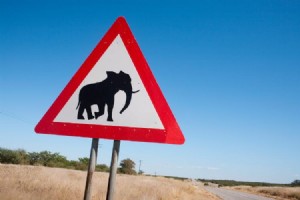
Etosha National Park in the wetter north teems with lions, giraffes, elephants, and rhinos. Inland Skeleton Coast areas host similar species. Southern/coastal zones feature springbok, gemsbok, zebras, and more.
Is driving in Namibia easy?
Main roads suit regular rentals; 4WD needed for remote spots. Excellent sealed roads complement well-maintained gravel C-roads (all vehicles); rougher D-roads. Fuel up at every station—carry extra 100L for remote drives, plus water for breakdowns. Avoid night driving; watch for sand near Swakopmund/Lüderitz. Rent from Budget at Windhoek airports/city.