8 Essential Tips to Protect Your Health While Traveling
Pack a small kit
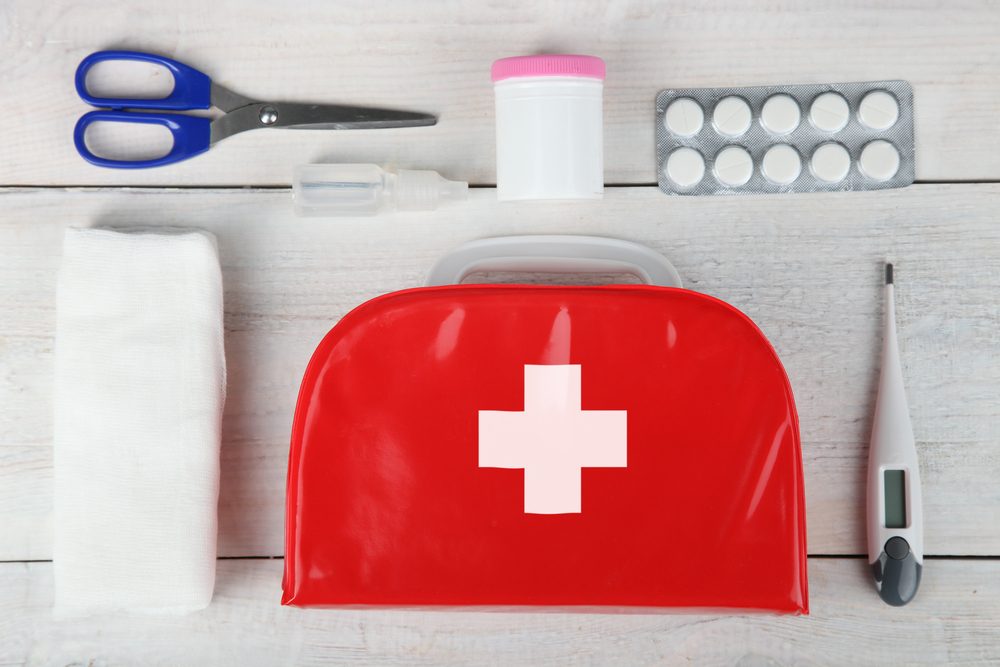
It’s a very smart idea to prepare and take a small medical kit with you, says Christopher Sanford, MD, an associate professor in the department of global health at the University of Washington in Seattle and author for the Merck Manuals. In addition to your routine prescription medications (in their original bottles and packed in your carry-on), he recommends packing the following over-the-counter products: pain medication, sunblock, aloe lotion, hydrocortisone cream, an antihistamine medication, eye drops, and any other pharmacy items you or your traveling companions may need. If these products are over the 3-ounce limit for carry-on liquids, pack them in a checked suitcase. Use this handy travel first-aid checklist to make sure you don’t forget anything.

Get ahead of jet lag
Although it is not a serious condition, jet lag can make it hard for you to enjoy your vacation for the first few days after crossing multiple time zones. To minimize the effects of jet lag, prep before you leave home, shares the U.S. Centers for Disease Control and Prevention. A few days before your trip, start going to bed and waking up an hour or two later than usual (before traveling west) or earlier than usual (before traveling east) to shift your body’s clock. During your trip, try to sleep at the normal hours for your destination; avoid large meals, alcohol, and caffeine; and drink plenty of water to stay hydrated. Another tip: Keep your schedule light the first day of the trip so your body can adjust. If you are sleepy during the day, take short naps (20 to 30 minutes) so you can still sleep at night. Here are 12 more tips to ease into your new time zone.

Prevent blisters
New shoes, lots of walking, and swollen and hot feet are a recipe for blisters. The best approach is to prevent blisters in the first place: Break in new shoes before leaving home, especially ones with straps, and choose cotton socks. Put your feet up at the end of the day if they’re puffy.
Head off heat exhaustion
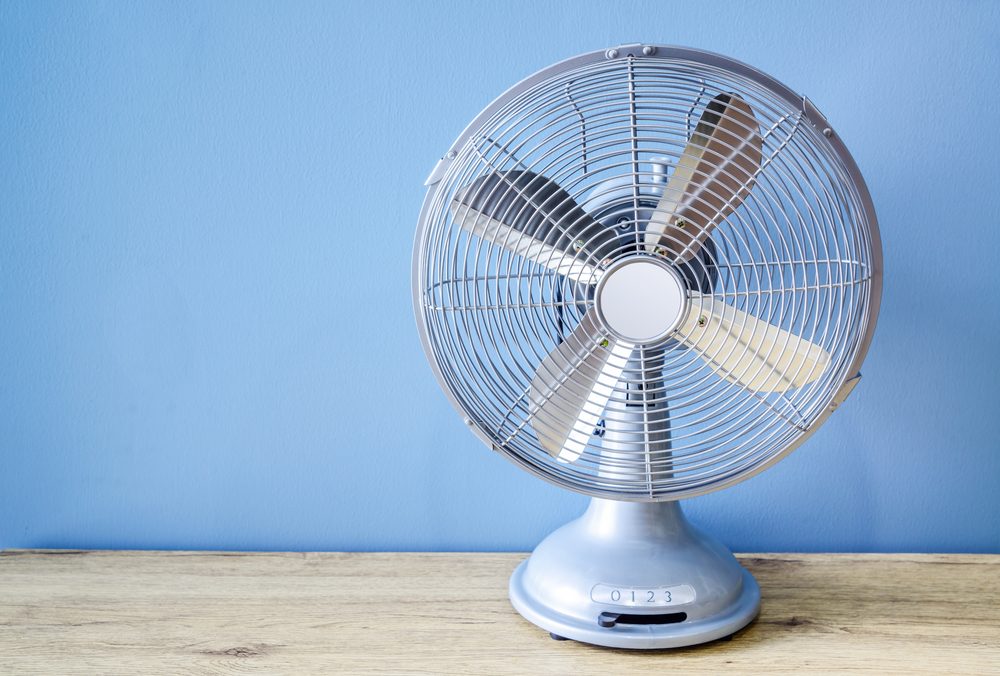
Sure, it’s okay to be tired and thirsty on a hot, hot day, but if your symptoms move toward dizziness and not being able to catch your breath, you need to seek medical attention. To prevent heat exhaustion, try to do your hiking or other outdoor activities early in the morning or later in the day when the sun isn’t at its strongest, and be sure to bring along plentiful water on your sightseeing outings. If you are prone to heart problems, make sure you take breaks, bring a buddy if possible, and don’t be too far from air-conditioning. Look out for these 8 ways you’re putting yourself at risk of heat stroke without realizing it.
Soothing sun poisoning
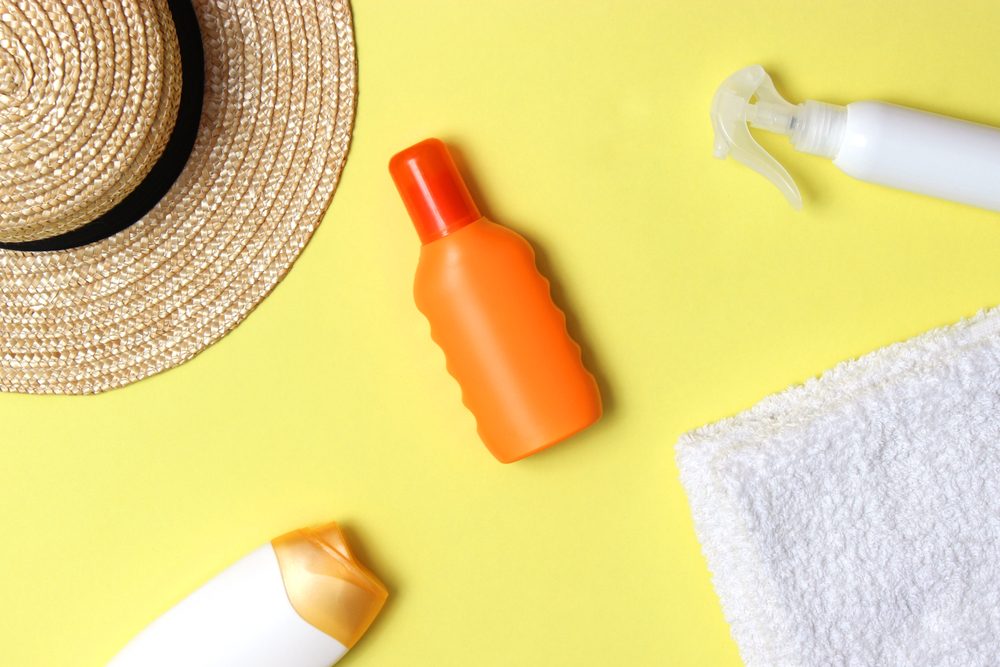
All sunburn is painful and should be treated, but if you’re red as a lobster, are blistering, or have a fever, it could be sun poisoning. Slather on aloe lotion, apply cold compresses, and take an ibuprofen to ease the pain and swelling.

Treating travelers’ diarrhea
“Travelers’ diarrhea can come from consuming contaminated water, but it’s also caused by a different mineral composition of the water,” says Caleb Backe, a health and wellness expert for Maple Holistics in Riverdale, New York. Your best bet is to stick to bottled water. However, even if you drink nothing but water, you may be unable to avoid it. For less severe symptoms, an over-the-counter diarrhea medicine should help you feel better. If that doesn’t help and/or you start to become severely dehydrated, you may need to head to the hospital. Look out for these 13 hotel room hazards that could put your family in danger.
Save your shoulders
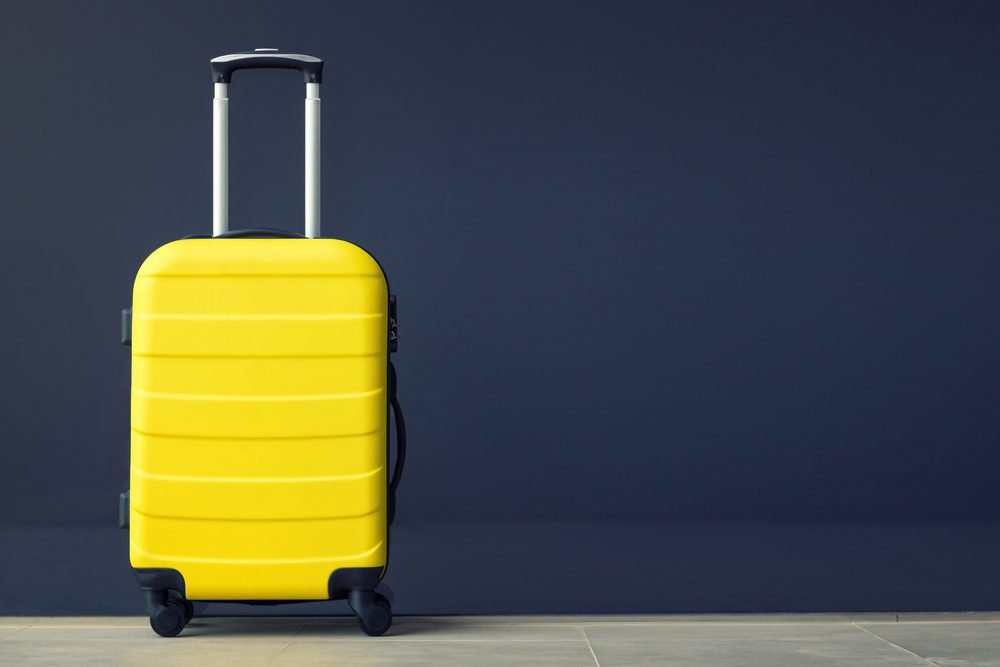
A rotator cuff strain can happen when you’re pushing or pulling heavy suitcases or lifting them up to put in overhead compartments, and it’s more common in people who aren’t used to lifting heavy weights, explains Jasmine Marcus, PT, DPT, a physical therapist in Ithaca, New York. To prevent this type of injury, Marcus advises packing lighter and knowing your own strength. “If your bag is too heavy to lift, ask for assistance or rent a cart to tote heavy bags. Once the rotator cuff muscles have been strained, your best bet is to refrain from further lifting, ice the injured shoulder, and take ibuprofen,” Marcus says.

Field off foot pain
Foot pain can surely put a damper on vacation plans. “Foot pain can happen when people walk a lot more than they’re used to while traveling,” Marcus explains. To prevent it, break in new shoes, and build up your walking routine ahead of your trip. “Once the foot pain has set in, try to give your legs a break by biking, driving, or taking public transportation to see the rest of the vacation sights.” Here are 15 more secrets to staying healthy on vacation.