7 Signs Your Luggage Is Built to Last
It doesn’t look flimsy
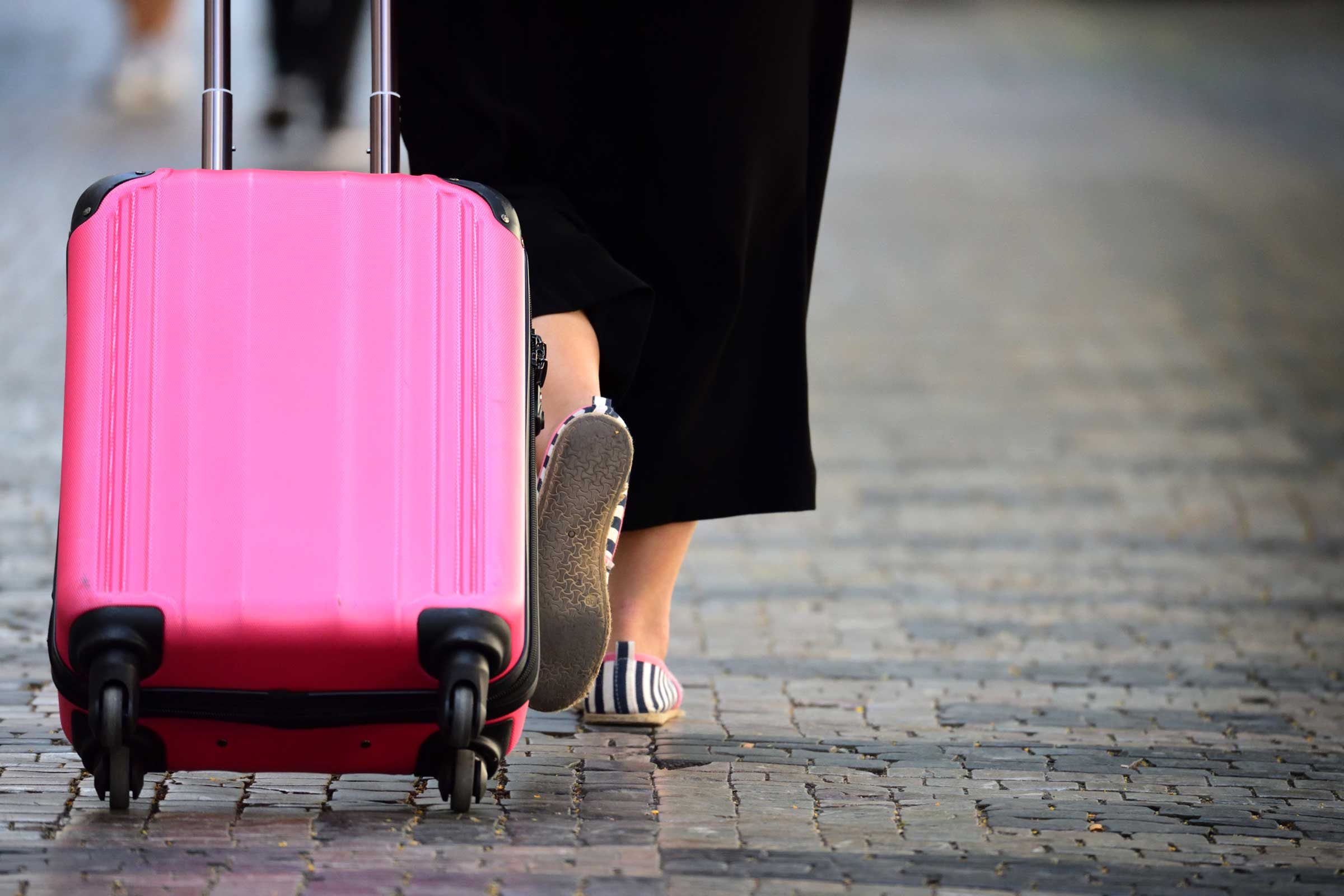
Obviously your luggage needs will vary based on your activities, destination, and travel style, but especially if you travel often, you need something strong and durable. “If you’ll be rolling your suitcase over rough surfaces like cobblestones, stones, or broken pavement, consider looking for all-terrain wheels, or be prepared to carry your suitcase,” says Alexandra Jimenez, editor of Travel Fashion Girl. Jimenez, who spends more time in airports than she does at home, urges travelers to avoid obvious non-starters, like flimsy handlebars and cheap plastic wheels. “If it looks like it will fall apart at first glance, it probably will,” she adds. Read reviews, and research thoroughly before you buy. It’s also a good idea to look for a lifetime guarantee on really expensive pieces, Jiminez says. (Here’s how to pack carry-on luggage to fit everything in.)
Look for quality materials
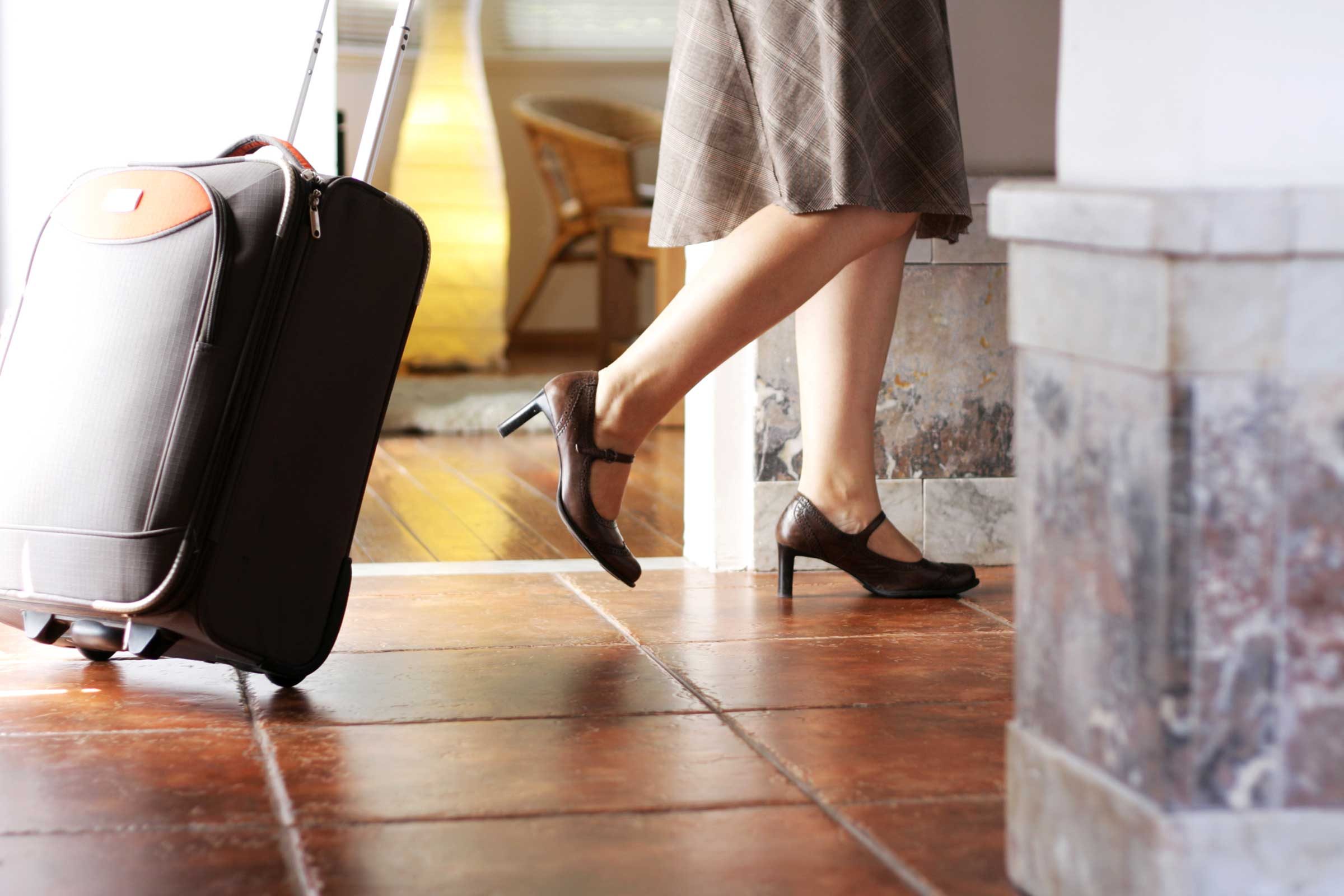
Whether you opt for hard or soft luggage, certain materials hold up better than others. “Soft bags are great if you like carry-ons, because they’re lightweight and easier to squeeze into overhead lockers,” Jiminez says. “They may also absorb shock better than hard shells.” Unless you see fraying fabric as a kind of trendy fringe, avoid polyester at all costs. Rip-stop nylon will wear forever, and is a better, more durable choice. “The argument for hard-sided luggage is that it protects belongings better, because the bag won’t cave in,” Jiminez says. Well-made hard luggage is typically constructed from man-made materials, such as super-durable polycarbonate, and are often covered in vinyl, leather, or fabric. (Don’t make these suitcase packing mistakes.)

Mind the handles
You may handle your luggage with kid gloves, but be assured, the rest of the world will not. “A broken handle is a common result of handlers throwing luggage around at the airport, so if you’re budget conscious, choose a two-bar handle,” Jiminez suggests, because they’re generally sturdier than a single bar, in less expensive luggage. If you’re investing in a quality brand, one handle should be strong enough. Use these brilliant packing tips to help you squeeze everything into your luggage for your next adventure.
Check the zippers
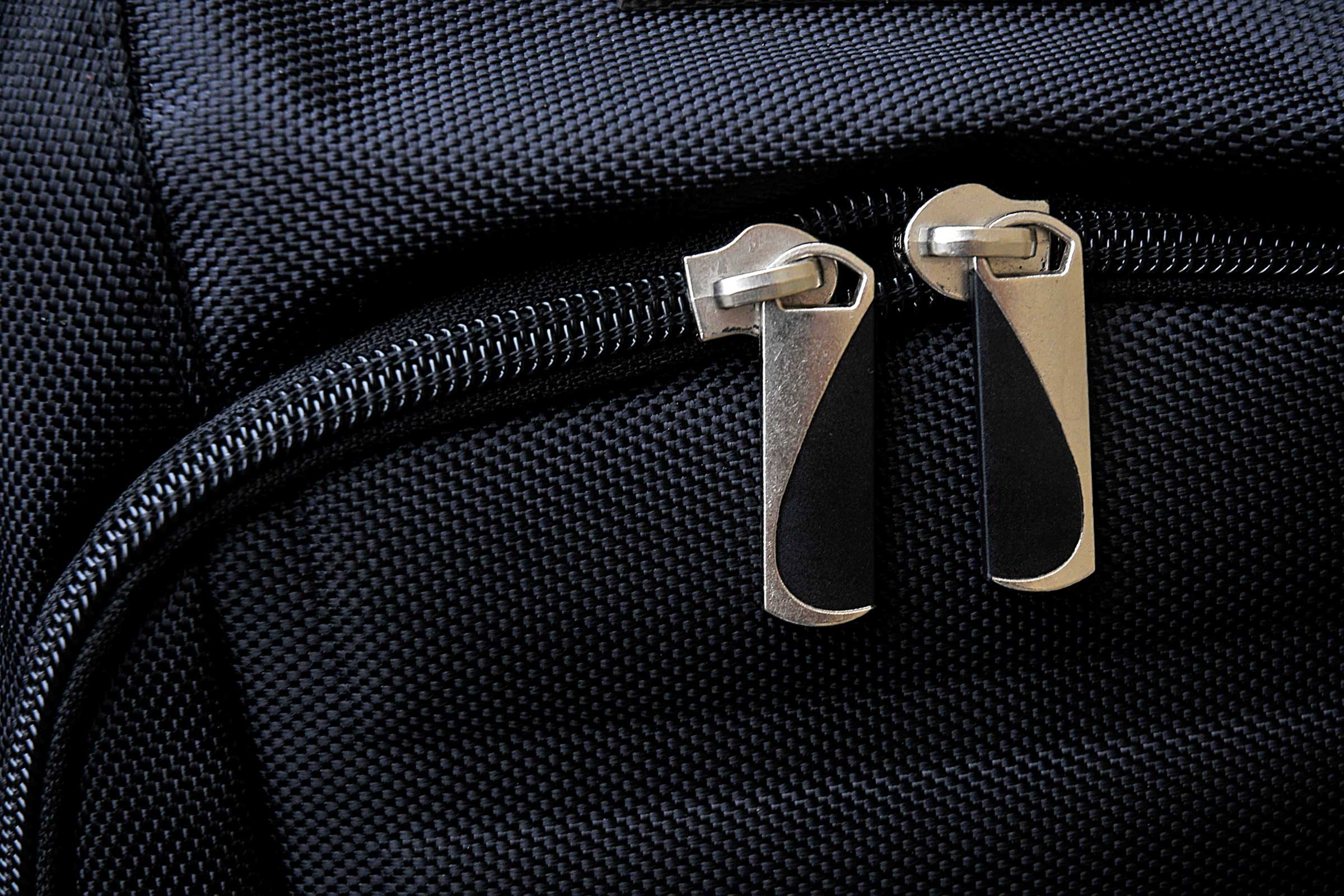
It stands to reason that poorly-made luggage will have poorly-made zippers that break and are expensive to replace. Quality luggage often includes zippers that are able to self-repair, which is a great investment. If you go for a soft, nylon bag, look for a zipper that is dyed-to-match the bag—a sure sign of quality. Zippers can blend into the overall design of your bag, or stand out as accents, but either way, the zipper’s size should be proportional to the bag. If your over-packing tendencies are legend, look for a zipper made from polyester coils. These types of zippers can take a huge amount of pressure because they don’t have individual teeth that pop out. And here’s how to pack lighter, so you’re less likely to bust even a high-quality zipper.
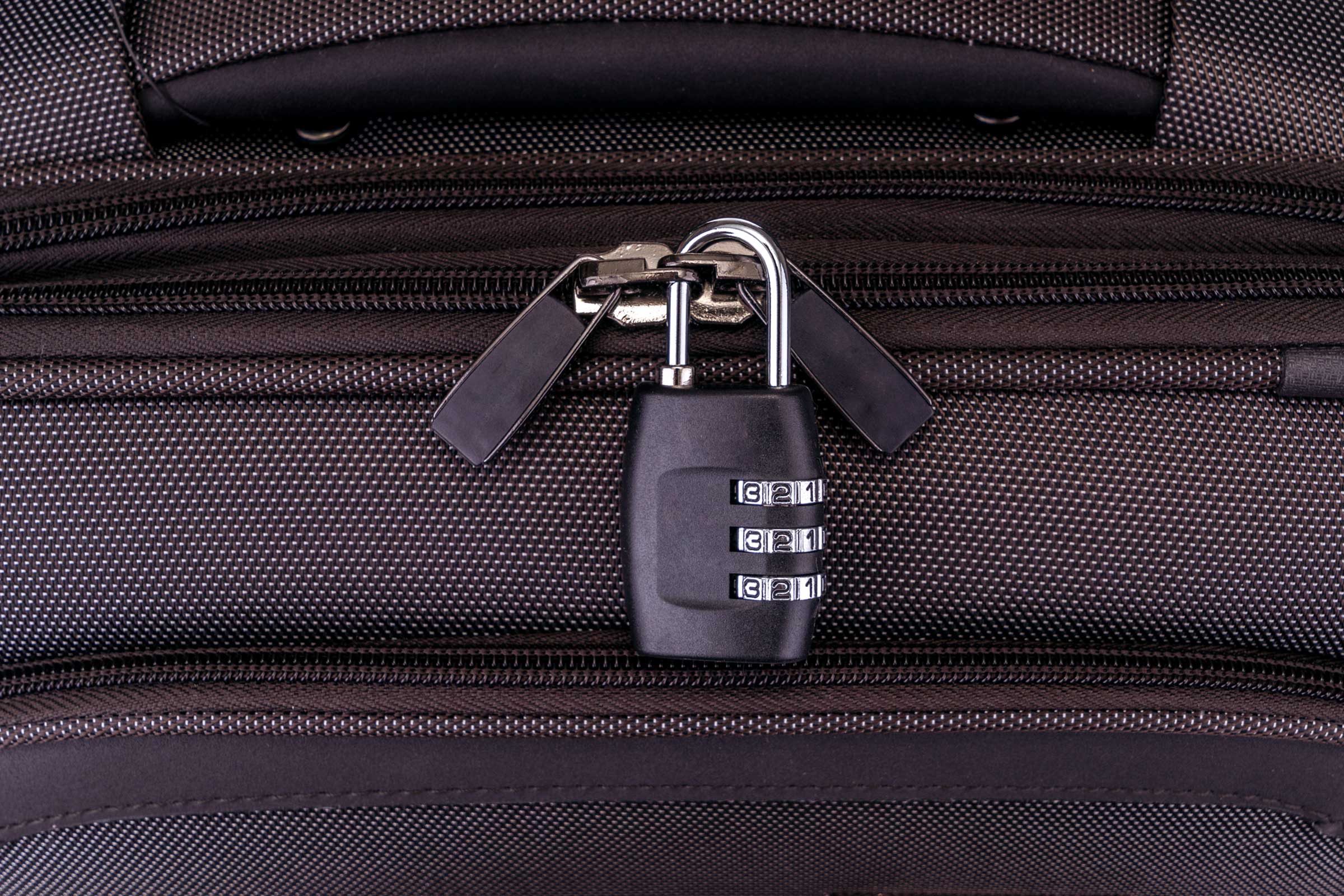
Check the locking system
Even if you’re not traveling with the crown jewels in tow, you still want to keep your stuff safe. A bag that doesn’t have a lock is an invitation to theft and a potential mark of low quality. High quality, soft bags often have key locks, or pad locks, attached to their zipper pulls. Well-constructed hard cases typically feature built-in, combination, or key-lock systems. Either way, look to see how the system is mounted onto the bag. The more adherents it has, such as prongs or rivets, the more durable it will be. You also want to make sure that the lock is mounted on straight, to avoid jamming.

Learn about the leather
One of the things you should look for when buying leather luggage is the grade used. Nothing is more sumptuous than deliciously creamy leather, but that’s not a guarantee that it will wear well. For maximum durability and long-lasting attractiveness, look for high-quality luggage made from full-grained leather or top-grain leather, which comes from the outermost part of the hide. Avoid processed leather, which is prone to cracking over time. It’s still 100 percent leather, but it comes from the innermost skin layers and is not as sturdy as top-grain. Processed leather is often constructed to mimic the look of better-quality leather. Also make sure to avoid any luggage constructed from leather scraps. These are often referred to as bonded leather, since they are bonded together with glue. Bonded-leather luggage may be prone to peeling and cracking, and will not wear well, long term.
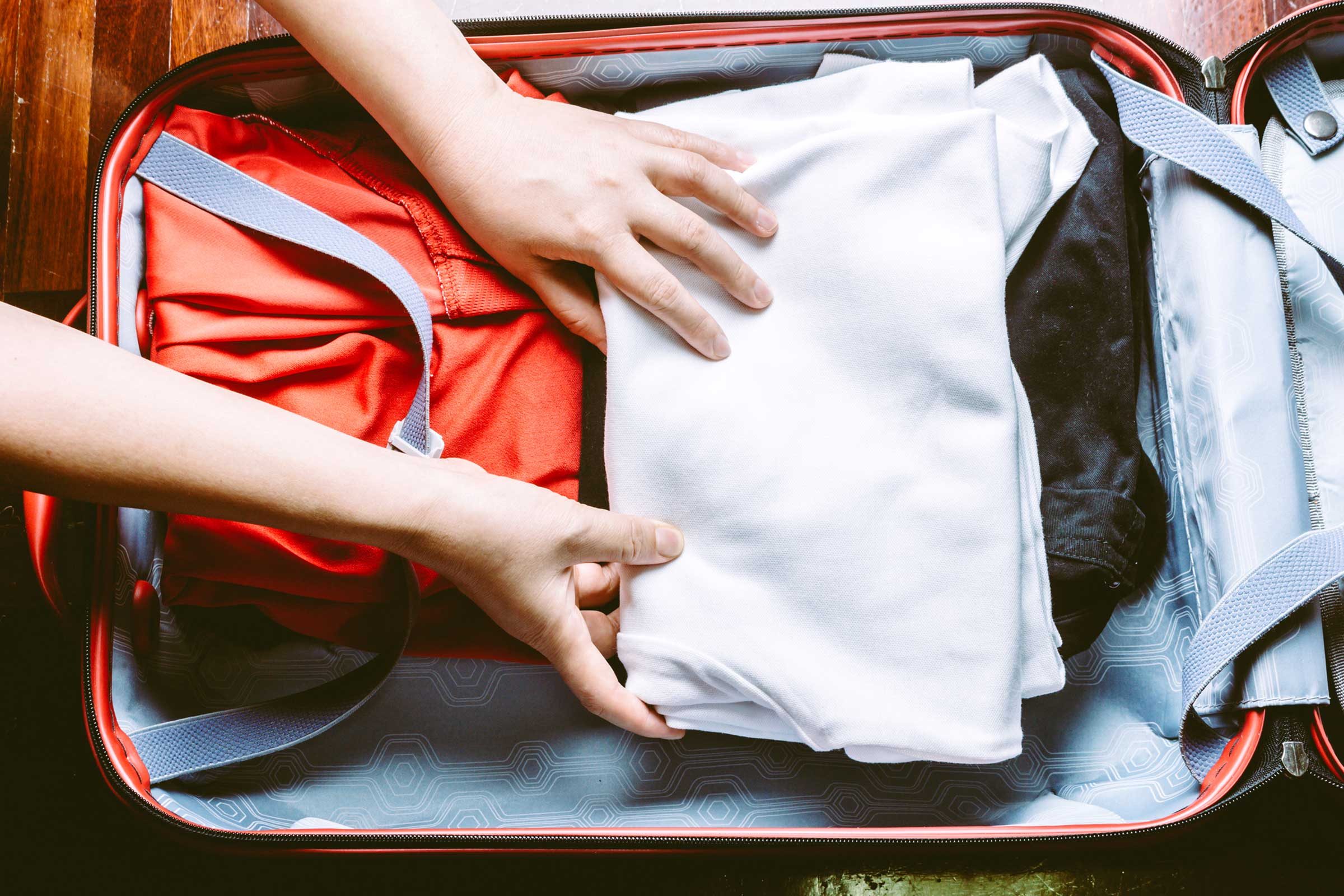
Observe the pouches and pockets
Outside pockets on a piece of luggage are more a matter of personal taste than overall quality of the bag. Jiminez personally prefers zero exterior compartments so she can organize her suitcase using packing organizers. If you prefer luggage with multiple compartments, so you know where everything goes, consider how they’re placed. Pockets can be designed in ways that either don’t maximize suitcase space or that ruin the overall bag design, two drawbacks that good luggage brands always avoid. If compartments are your thing, look for sturdy seaming and hidden layering, which will keep compartments from ripping away from the bag over time.