
Tracing the Zambezi: A Journey Through Southern Africa's Mythical River and Wildlife Wonders
In 1958, a visitor atop Bumi Hills peering through binoculars might have spotted Rupert Fothergill, Rhodesia's chief game ranger (now northern Zimbabwe), securing an elephant to a wooden raft. He led efforts to rescue wildlife stranded by the rising waters of the newly formed Lake Kariba during Operation Noah.
Archival footage captures Fothergill's daring rescues: wading shoulder-deep to grasp a wriggling hyrax, shooing a rhino with his hat, and lifting a soaked baboon aboard. By 1964, Operation Noah had saved over 6,000 animals.
From Bumi Hills today, Lake Kariba resembles an ocean. Shoreline herds of elephants, buffalo, and hippos graze on vibrant grass. Zambia's distant hills peek across the vast waters, with the 24-hour car ferry linking east to west. Created over 50 years ago, Kariba remains the world's largest man-made lake by volume—yet some predict its eventual demise.
In Tonga mythology, the Zambezi hosts Nyami Nyami, a serpent-bodied, fish-headed dragon god who aids his people. In 1957-1958, devastating floods twice destroyed the Kariba Dam wall under construction. The Tonga attributed this to Nyami Nyami's fury. Sightings of a 200-meter beast persist in local reports, with earthquakes blamed on his attempts to reunite with his wife beyond the dam.
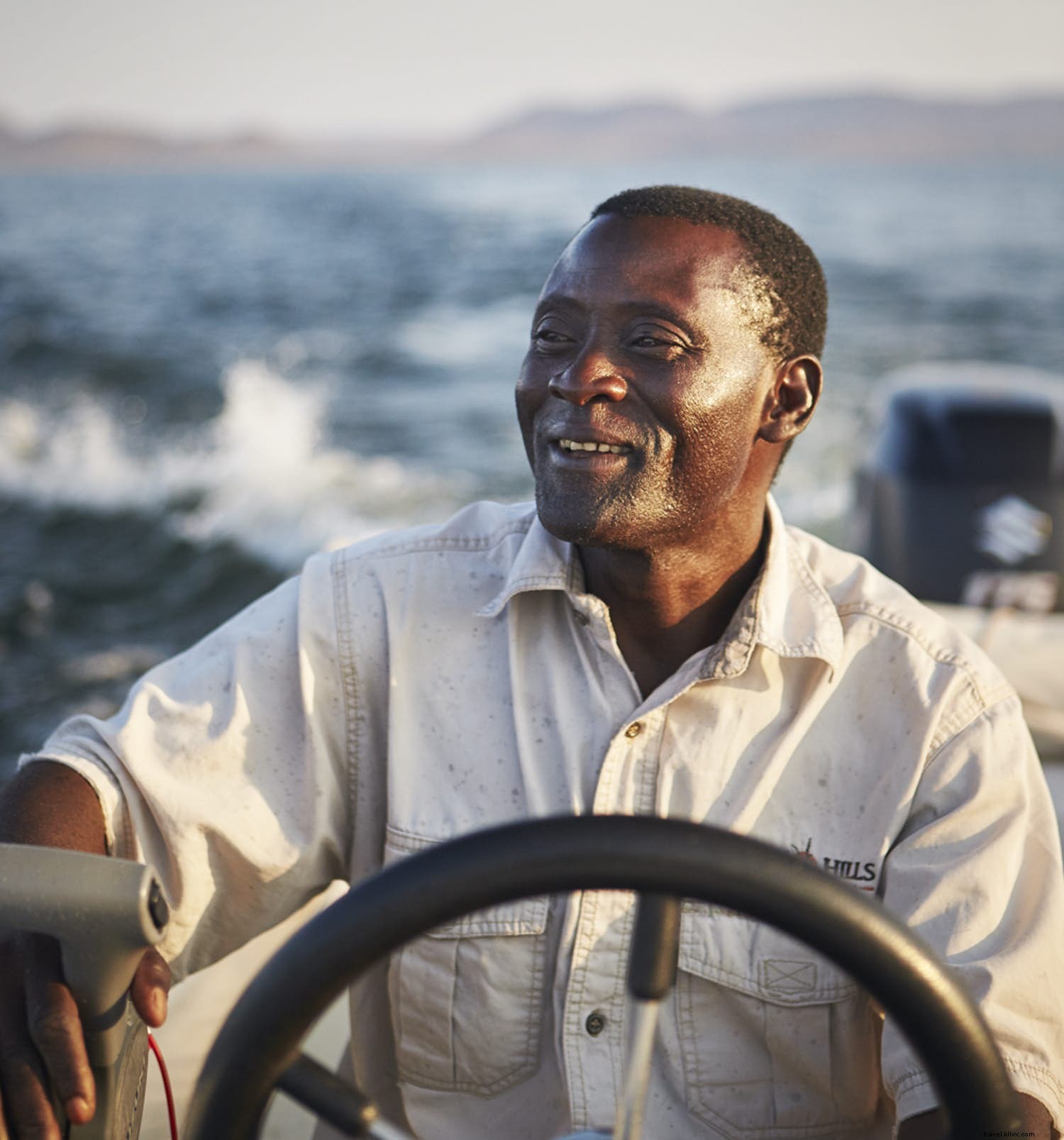
Local guide Student Muroyiwa, dressed in crisp safari attire, navigates his boat through submerged treetops—remnants of a mopane forest drowned by the dam. Cormorants perch on blackened branches, diving for fish, while swallows skim for insects.
Student highlights an island named for Mola, the last resident to flee rising waters. "Mola trusted Nyami Nyami and defied the dam, insisting the flood wouldn't reach him. But it did, flooding his home. He paddled away in his canoe," recounts Student.

Student's mother, Unarie, relocated 12 miles inland to a resettlement village. From her thatched mud-brick home, amid gardens of tomatoes, sweet potatoes, okra, and maize, she watches grandchildren guard against lions, hyenas, and elephants from a lookout tower. "My old village life was ideal. I've never seen Nyami Nyami, but I'd welcome him breaking the dam," she says.
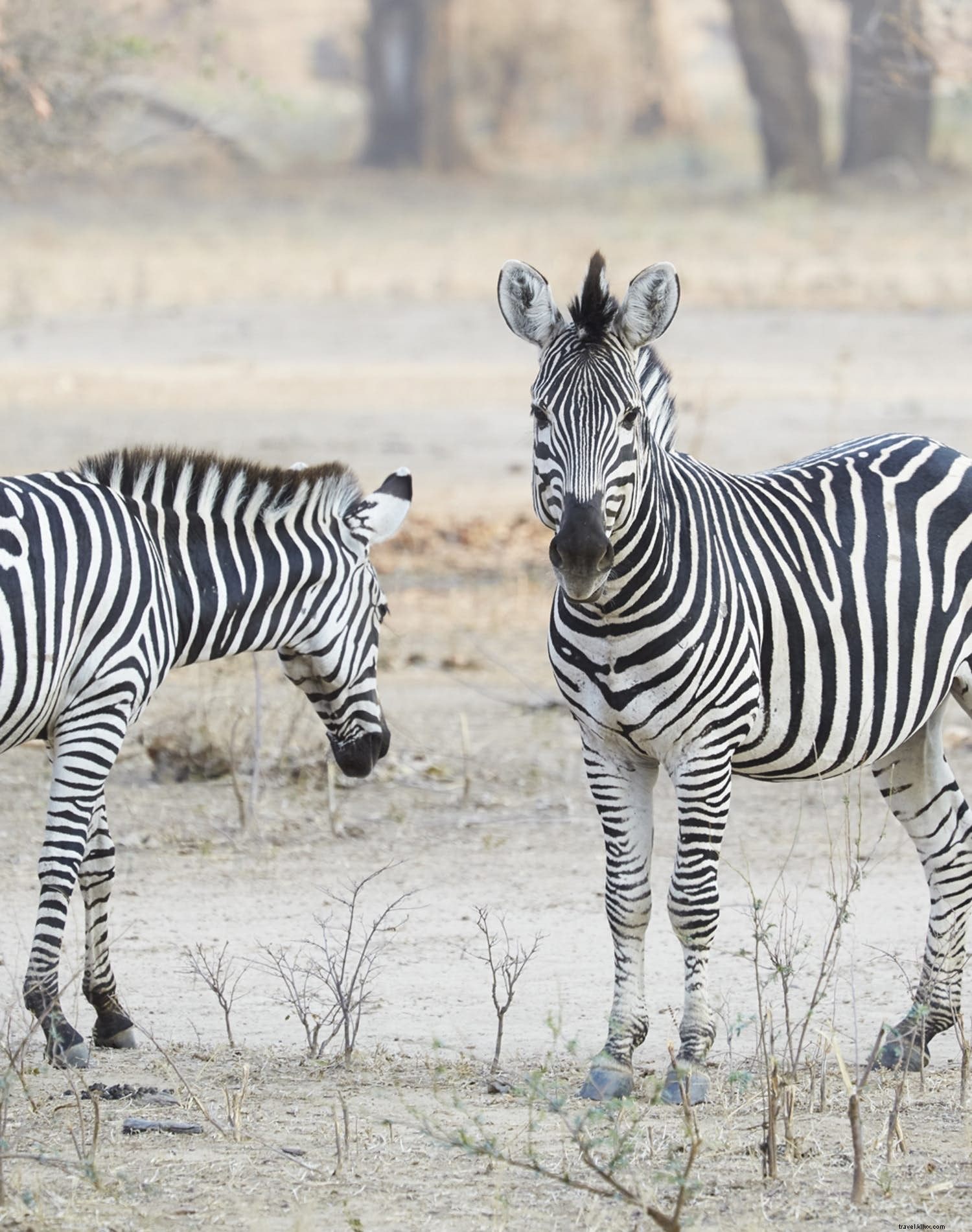
Adaptation persists downstream, where the Zambezi flows languidly toward the Indian Ocean through Faidherbia albida groves, evoking an English park—save for grazing zebras.
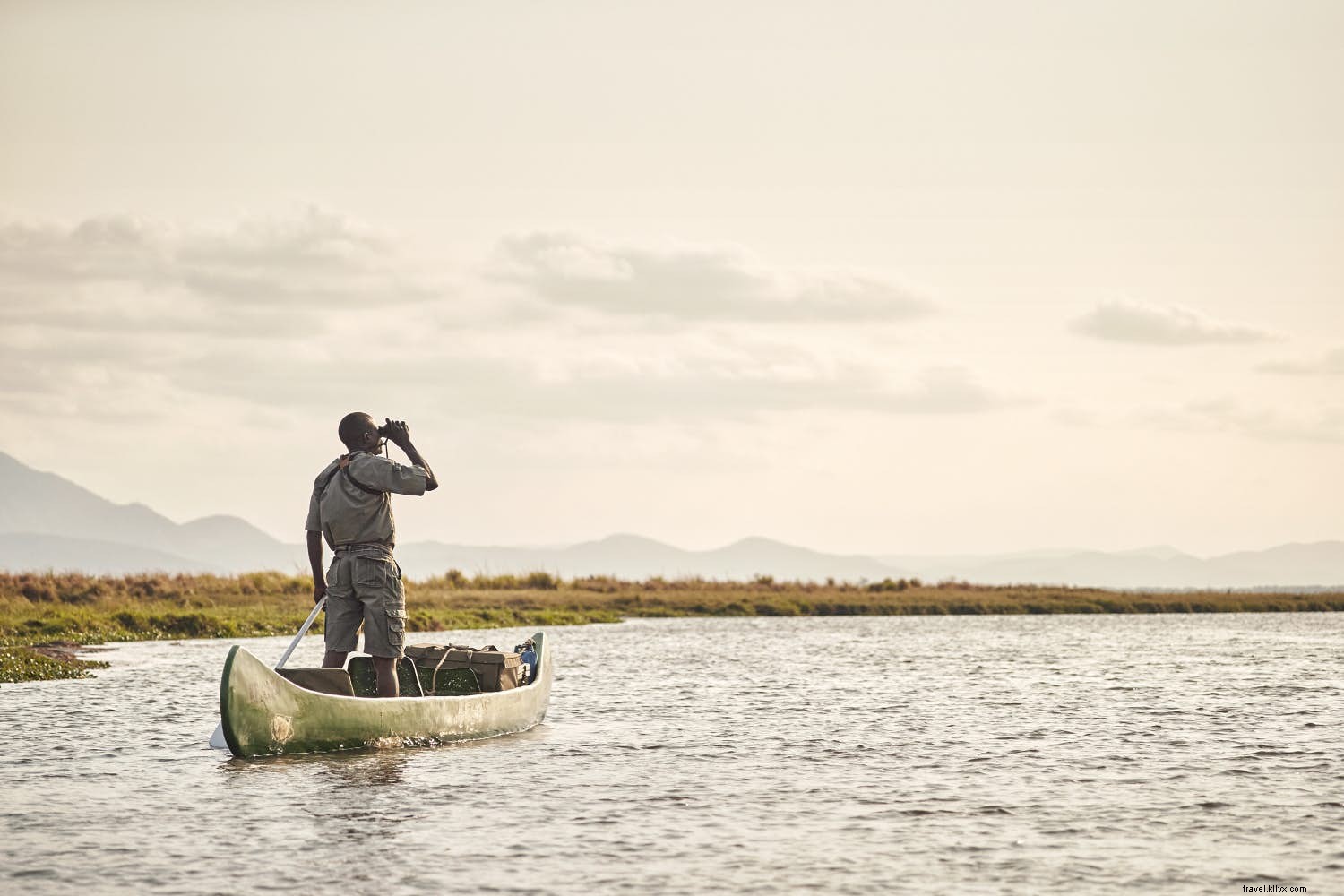
Guide Cloud Magondo, trained at Bumi Hills and now at Mana Pools National Park, paddles a canoe. A blacksmith lapwing protests, and a hippo surfaces. Cloud taps the hull to announce their presence: "Never surprise a three-tonne hippo." It charges past harmlessly. "Now, watch for crocs," he grins.
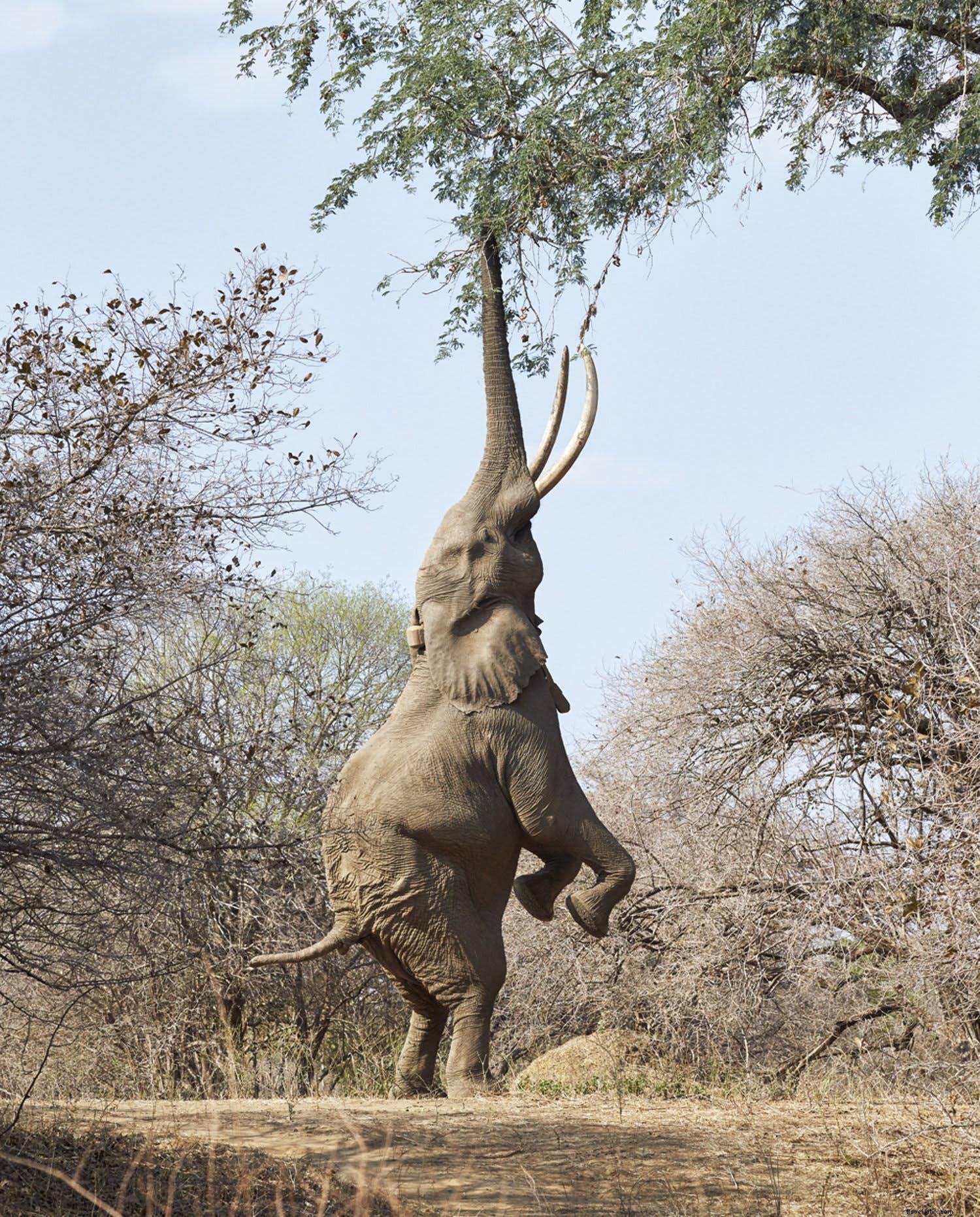
Abandoning the canoe, Cloud tracks Mana Pools' icon. Amid sausage tree blooms and a green-spotted bush snake, they spot Boswell—an elephant as ancient as Kariba. Beneath a Faidherbia, he rears on hind legs to reach pods, a rare behavior linked to declining trees post-damming. "Boswell adapted to reach higher," whispers Cloud.
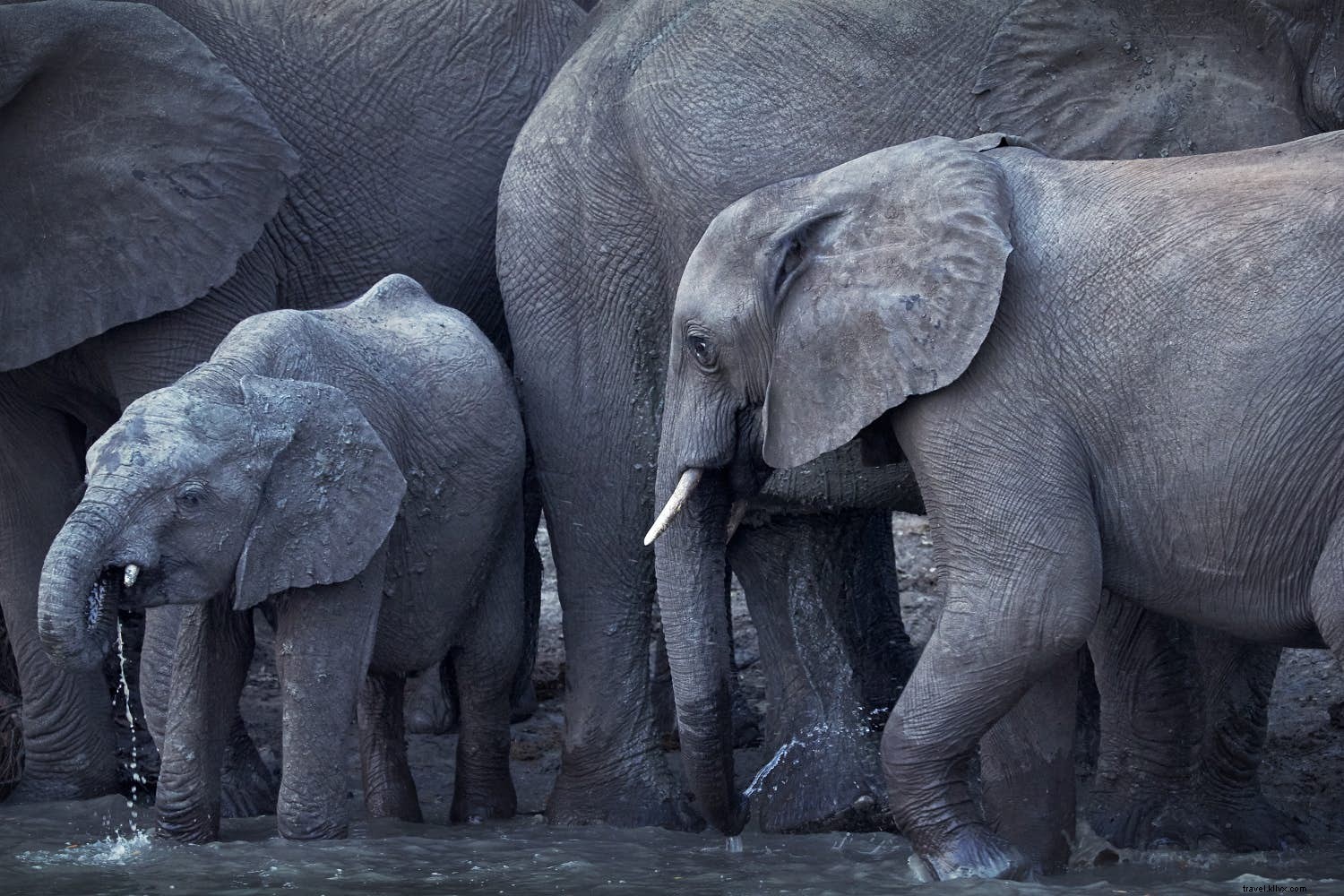
In distant Hwange National Park, amid Kalahari sands and thorn scrub, boreholes sustain life. Guide Adam Jones halts at a pump's rhythm: "The park's heartbeat." Elephants converge, trumpeting joyfully at waterholes along ancient trails.
Following these paths with guide Julian Brookstein reveals tracks of cheetah, hyena, porcupine, and klipspringer. An elephant skeleton lies nearby: "Where an elephant falls, so lies his ivory—a poignant reminder."
Julian, rifle at ready but unused in six years, advises confidence: Stand firm against charges. A 50-year-old bull charges; Julian advances boldly, dispersing it. Lions growl warnings, respecting boundaries.
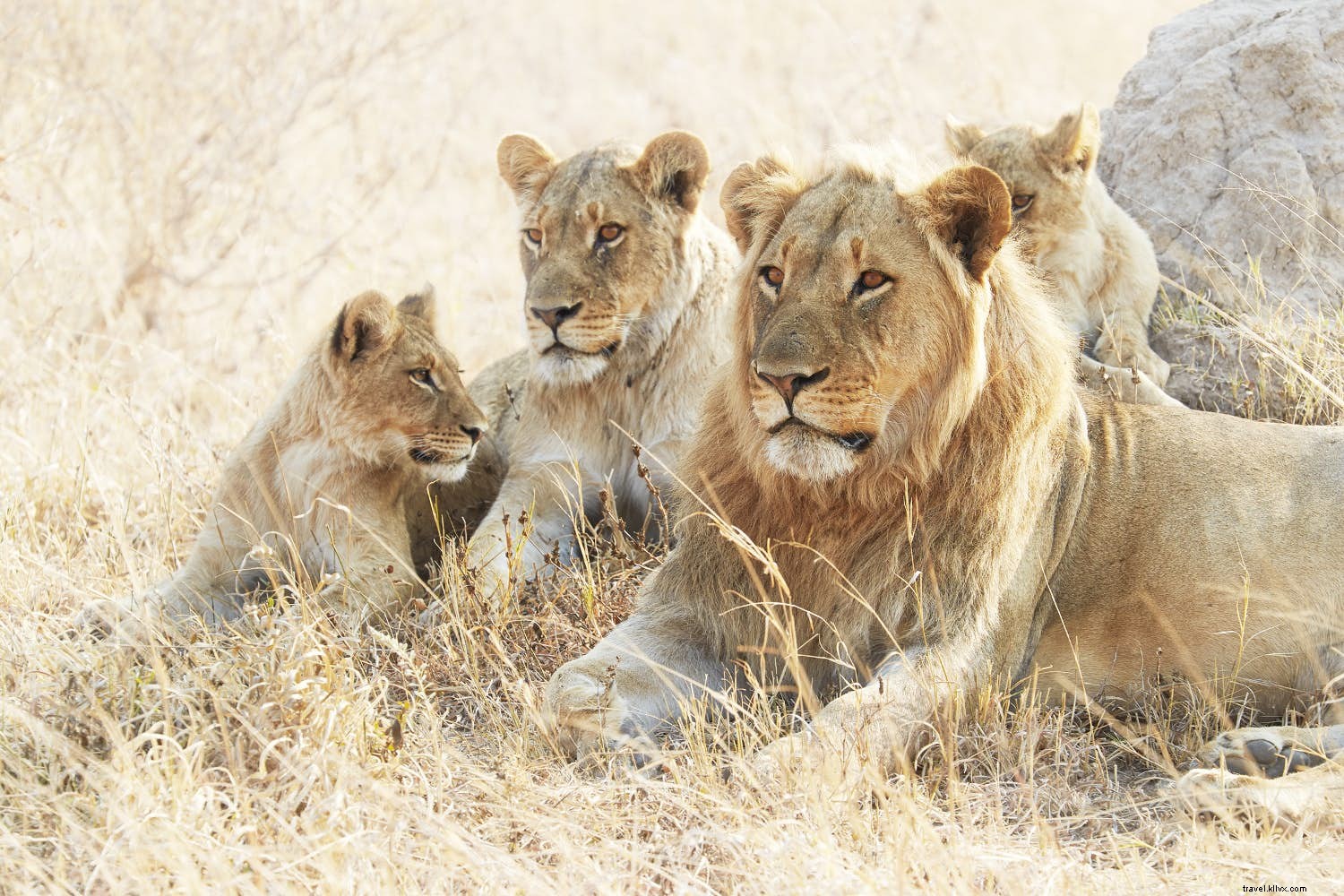
Hwange teems with lions: roaring nightly, lounging by waterholes, cubs playing. A young male lurks warily, aware of rivals—destined perhaps to roam, like one tracked 120 miles to Victoria Falls.
Victoria Falls, or Mosi-oa-Tunya ('the smoke that thunders'), roars from afar. The Zambezi plummets 100 meters into a mist-shrouded gorge, rainbows piercing the spray. Nyami Nyami's lair awaits his return to reclaim the river.