Madagascar's FCE Slow Train: An Unforgettable Journey from Highlands to Coast
While it takes 12 to 24 hours to cover the 163km from Madagascar’s highlands to its Indian Ocean coast, this deliberate pace defines the appeal of the Fianarantsoa-Côte Est (FCE) railway. It's not just about reaching your destination—it's about savoring every moment of the journey.

The FCE connects Fianarantsoa (elevation 1,100m) in the highlands with coastal Manakara. Steep gradients, frequent breakdowns, and heavy freight contribute to the slow progress, but the real draw is traversing roadless terrains that serve as a vital lifeline for local trade and travel. With 18 stops featuring dramatic loading and unloading scenes amid untouched landscapes, this trip offers an authentic spectacle.
Slow, unpredictable travel like this suits adventurers seeking immersion, not rigid schedules. Prepare for delays by building flexibility into your itinerary for the best experience.
A Brief History
Constructed by French colonial authorities from 1926 to 1936, the FCE aimed to boost east coast access and agricultural exports. Tracks came from Germany, carriages from Switzerland.
At its peak, two locomotives ran five weekly services, transporting 150,000 passengers and 20,000 tonnes of freight annually. Decades of political and economic instability since the 1960s have limited maintenance, leading to delays, derailments, and breakdowns. Today, one locomotive handles two weekly passenger services (plus one freight), causing overcrowding.
Second-class carriages are dilapidated—opt for first class, which offers comfortable seats, clean windows that open and close reliably.

The Scenic Route
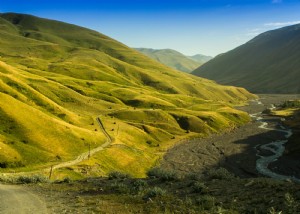
The highland section shines with scenery: winding through forested mountainsides, past waterfalls, terraced fields, and fruit plantations. Featuring 48 tunnels, 67 bridges, and four viaducts—including the towering Ankeba viaduct over rice paddies—the route captivates.
Averaging 20km/h with open windows releasing forest scents, it's rail travel perfected. Chat with fellow passengers, locals or tourists alike, escaping modern haste.
Around Fenomby (100km in), terrain flattens, air warms, with rice paddies and palms replacing slopes.

A Lifeline for Locals
Station stops are highlights: lasting 30 minutes to hours for unloading endless cargo like bananas, lychees, rice sacks, and furniture from villagers traveling up to 50km away. Stations buzz with traders selling fritters, kebabs, snacks, and spices like black and pink pepper—ideal souvenirs.
Novelty may fade after repeated stops, but the blend of authenticity, scenery, camaraderie, and uniqueness endures. In a land of rough roads, this comfortable ride for reading and people-watching is invaluable.

Top Tips for the FCE Journey
- Pack food, water for two meals, plus snacks. Stations offer fruit, biscuits, drinks; street food requires caution.
- Bring a book, cards, or games to pass time.
- Head torch advised, despite carriage lights (dark from 6pm).
- Layer up—highlands and nights are chilly.
- Travel pillow for naps or overnight.
- Toilets fill up; nature calls may be necessary.
- Best scenery Sahambavy-Fenomby: Fianarantsoa to Manakara ensures daylight views.
- Try Sahambavy start/end: skips dull stretch, saves 1.5 hours, stay at gorgeous Lac Hôtel.
Practical Information
FCE departs Fianarantsoa Tuesdays/Saturdays at 7am (approx.); returns Manakara Wednesdays/Sundays at 7am. Tickets: Ar 40,000 (1st class)/Ar 16,000 (2nd class).