Discover Minnesota's Wild Foods: A Trusted Guide to Outdoor Foraging
From berries to mushrooms to wild rice, Minnesota offers an abundance of native foods for people to harvest and eat. In recent years, as the desire has grown to eat locally sourced food, foraging has become an increasingly popular pastime, allowing people to be outside with a goal in mind during the spring, summer and fall.
Some folks simply like the idea of spending time in the woods and having a chance to find their own food. Others are more purposeful about foraging and use the food items they find as integral ingredients of their meals.
“For me, foraging is an excuse to get outside,” said Josh Carroll, a chef and avid forager from Bloomington. “Personally, I’ve always liked being outside, but have never been a game hunter. And I’m not a very fruitful fisherman. This is something I happened upon at a later age but that gets me outside with a purpose.”
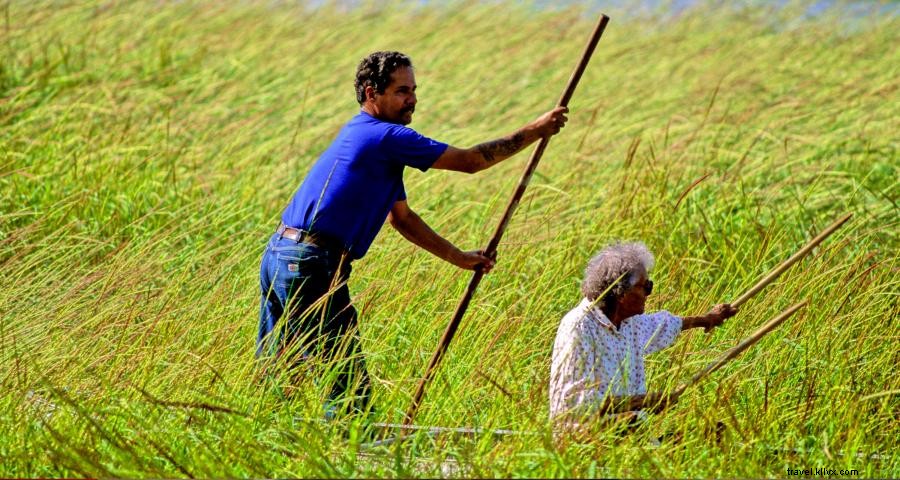
Wild mushrooms such as chanterelles, hen and chicken of the woods, and morels are among Carroll’s favorites. Other foragers look for the wide variety of berries that grow in Minnesota, while some launch canoes in wild rice lakes and collect rice. And don’t forget about plants such as leeks and ramps (also known as wild onions), or the nuts that grow on hazelnut shrubs.
Safety First
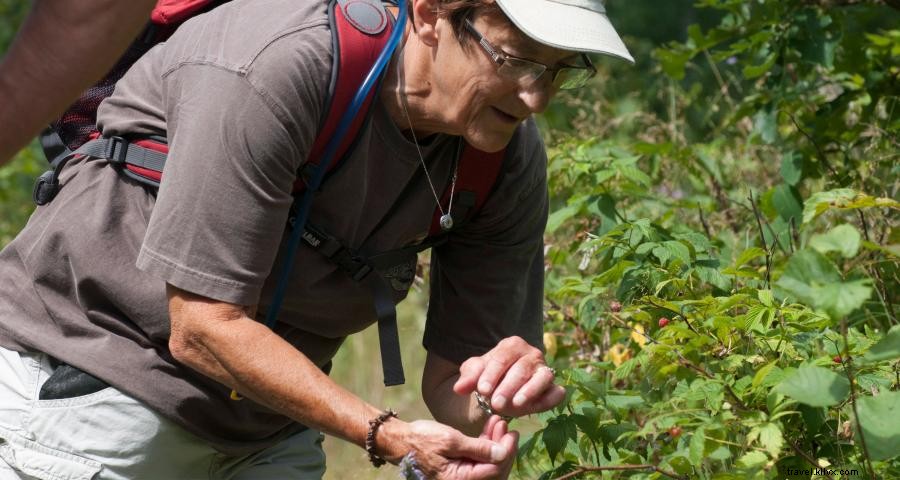
If there’s one thing to keep in mind above all else when foraging, it’s to be positive you know exactly what you’re harvesting. A wrong move could make your skin itch, make you sick, or worse. Anything you bring home should be washed before it’s consumed.
“Keeping safety in mind is paramount to an enjoyable foraging outing,” Carroll said. “You have to be sure what you’ve got, and it’s always best to learn from someone with experience. Otherwise, have two field guides and don’t eat anything until you can positively identify it in both guides.”
Foraging Habitats, Seasons & Equipment
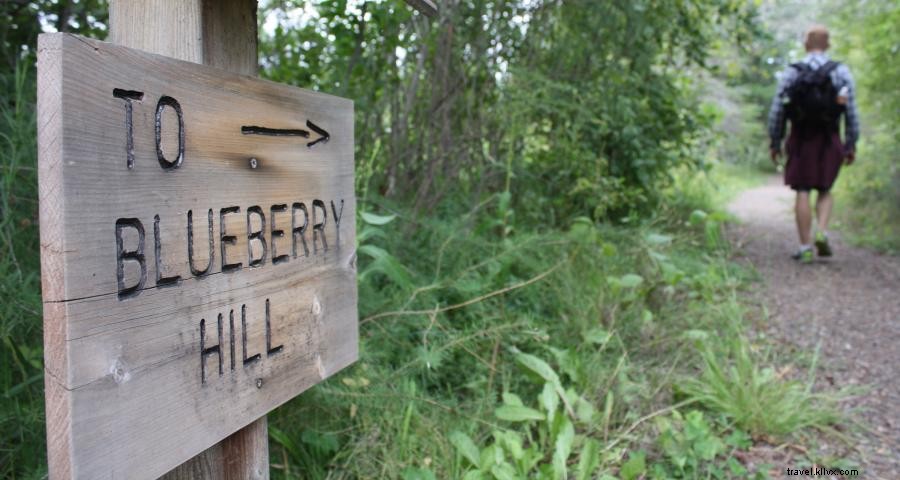
In addition to helping beginning foragers identify what they’re looking at, field guides also provide useful information about the habitats in which the various food items grow. While the ground around aspen and elm trees is productive for morel mushrooms for part of the spring, chanterelle mushrooms are more common around hardwood trees such as maples and oaks, for example. Blueberries can be found around jack and red pines, as well as in areas where fires have gone through, while places with disturbed soil and lots of sunshine are prime for raspberries.
There are seasonal variations, as well. With regard to mushrooms, for example, “if you want to be successful, pay attention to the season, the moisture and the trees,” Carroll said. “Different mushrooms pop up in different seasons. They require a certain amount of moisture within a recent period of time. They all kind of end up having a relationship with specific plants or trees.”
Generally speaking, foraging isn’t an equipment-intensive endeavor. Common pieces of equipment are small shovels, scissors and bags for carrying your bounty. Wild ricers need a canoe and special paddles to knock the seeds from the stalk (and then they have to process it themselves or take it to a processing facility), but little else.
Despite these low barriers to entry, it's important to keep in mind that unless you have an understanding of the fruits, fungi and plants you’re targeting, you may have a tough go of it at first. Rarely will a random walk through the woods yield a large amount of edible foods.
Foraging Classes & Events
In addition to having someone to show you the ropes, there are organized foraging events throughout the state aimed at teaching people how to find their own food. The North House Folk School in Grand Marais offers a one-day class on foraging in the spring, and the Ely Folk School has programs on foraging and wild rice harvesting. The Minnesota Department of Natural Resources’ Becoming an Outdoors Woman program also includes opportunities to learn about morel mushrooms.
Other foraging events—such as the Biggest Blueberry Contest on the Gunflint Trail in Cook County—are more about fun than education, but could provide the opportunity to talk with and learn from experienced foragers.
Eating Foraged Foods
If you'd prefer to let others do the foraging for you, you'll find several Minnesota restaurants willing to oblige. At Rochester's aptly named Forager Brewery, dishes feature locally foraged mushrooms, herbs, flowers and spices, and there's even a foraged yeast in one of the beers.
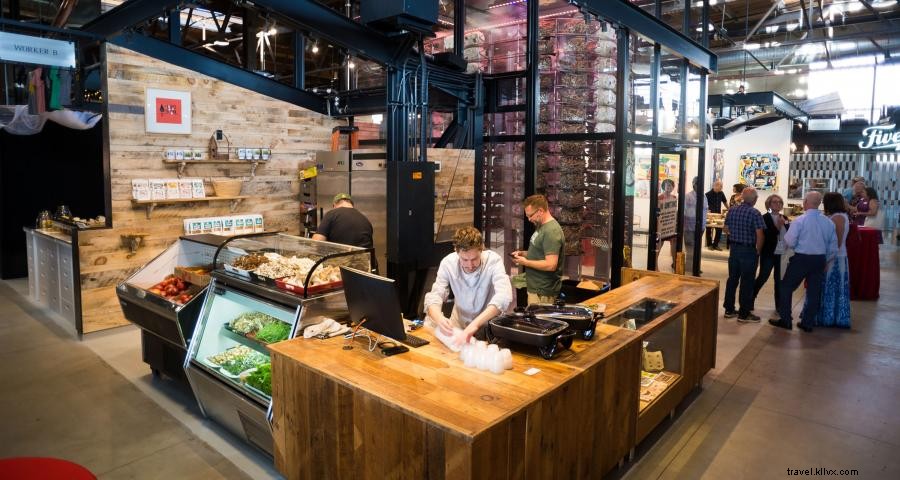
In St. Paul, Keg & Case Market is home to the state's first wild food store, Forest to Fork. Owner Mike Kempenich has foraged since childhood, and is one of the region's chief foraging experts. The store sells wild and foraged mushrooms, greens, nuts, berries and rice, as well as foraging supplies and books.
Kempenich also supplies close to 200 Twin Cities restaurants with foraged ingredients, including Keg & Case's In Bloom and Clutch Brewing (the Goomba Chaga ESB features steeped chaga mushrooms). Look for the market's annual Wild Food Fandango, where you can taste and vote for your favorite foraged dishes from a dozen area chefs.