The Perfect One-Day Itinerary in Imperial Meknes: Hidden Gems of Morocco
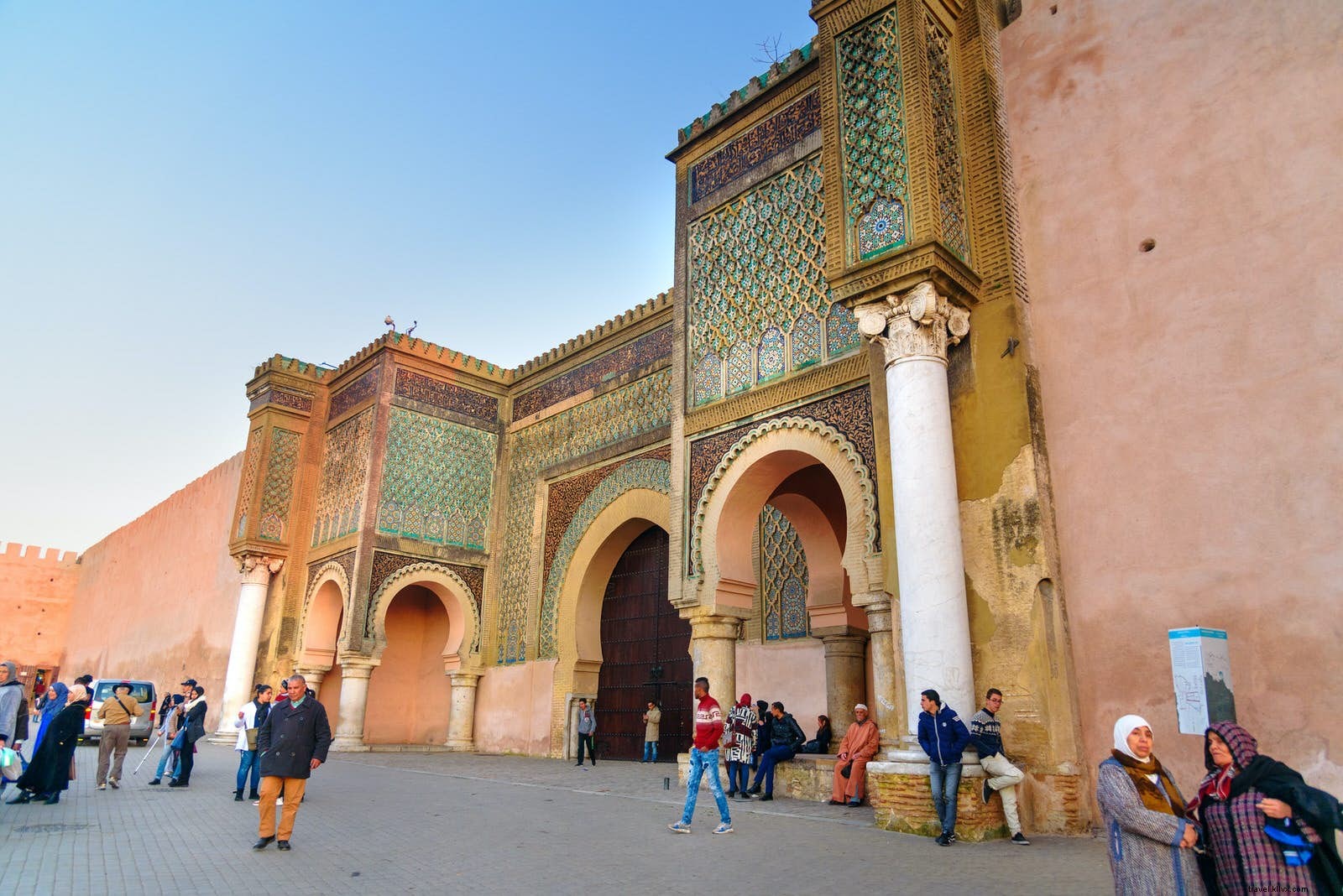
As dusk settles over Meknes, the setting sun bathes the grand Imperial gateway of Bab El Mansour in a fiery glow, resembling Saharan sands. Locals linger with shopping bags, while tourists are scarce. Without Fez's sprawling medina or Marrakech's vibrant fusion scene, this former Moroccan capital often flies under the radar on travel itineraries.
Meknes's understated charm is its greatest asset. Expect affordable, hearty cuisine, and a booming mid-range riad scene offering Fez- and Marrakech-level elegance at half the price. Above all, explore the enduring legacies of Sultan Moulay Ismail's 17th-century rule: formidable fortifications woven into the cityscape and unique historical sites that promise an unforgettable visit.
Morning
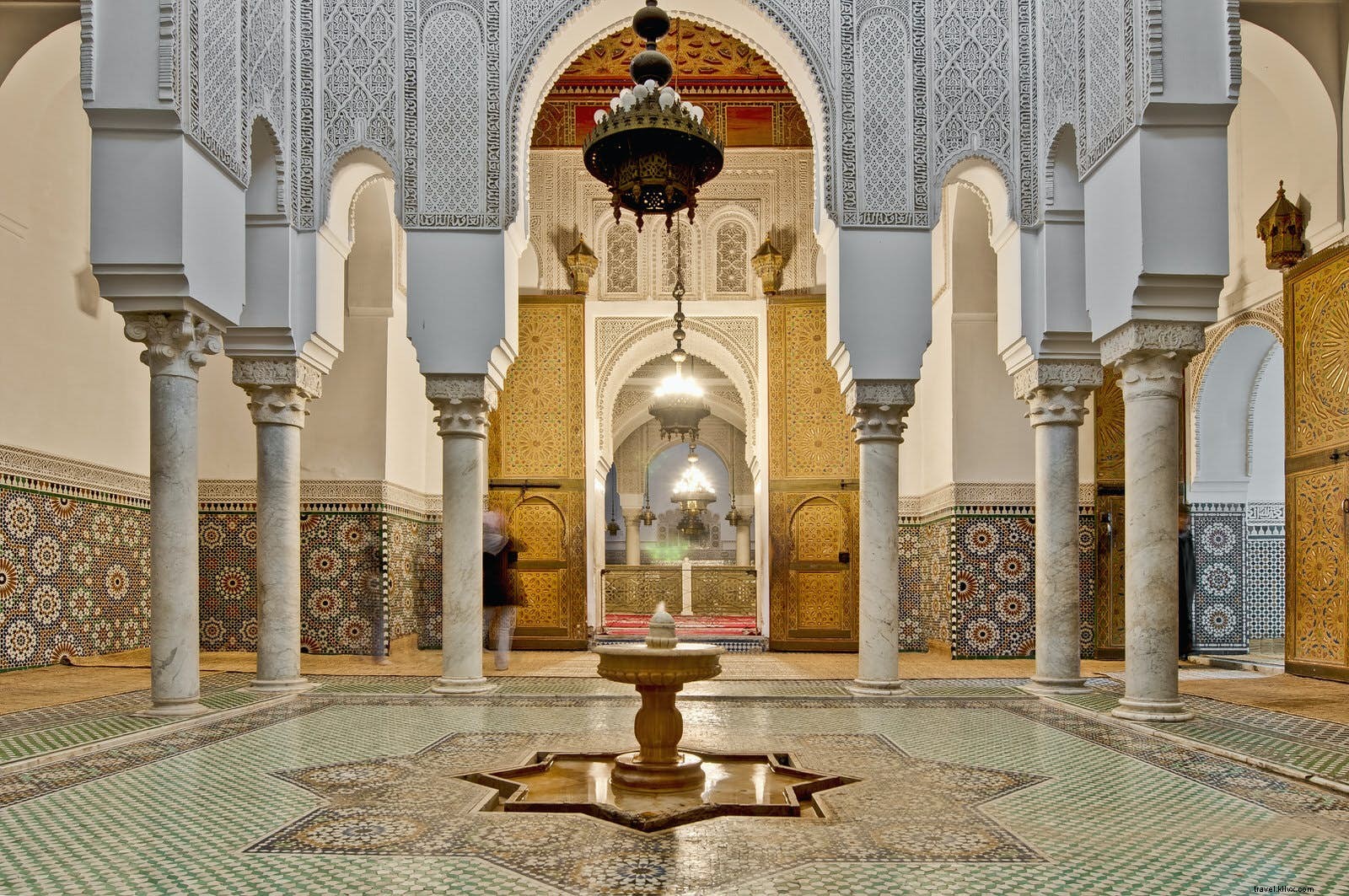
Begin at the Mausoleum of Moulay Ismail, Meknes's top draw, to beat the crowds. This architectural masterpiece, completed after a refurbishment in 2018, honors the sultan—a descendant of Prophet Muhammad, suitor to King Louis XIV's daughter, and unifier of Morocco through iron-fisted campaigns (1672-1727). He shifted the capital from Marrakech, sparking a cultural boom that faded post-mortem.
Opposite lies Koubbat As Sufara, previewing Heri Es Souani's underground chambers—likely food stores, or perhaps dungeons for Ismail's Christian slaves, per local lore. Before lunch, return to central Place El Hedim for the Dar Jamaï Museum. This 19th-century palace-turned-museum displays traditional textiles, cedarwood crafts, and jewelry amid a serene, bird-filled Andalusian garden—ideal for an hour's respite.
Afternoon
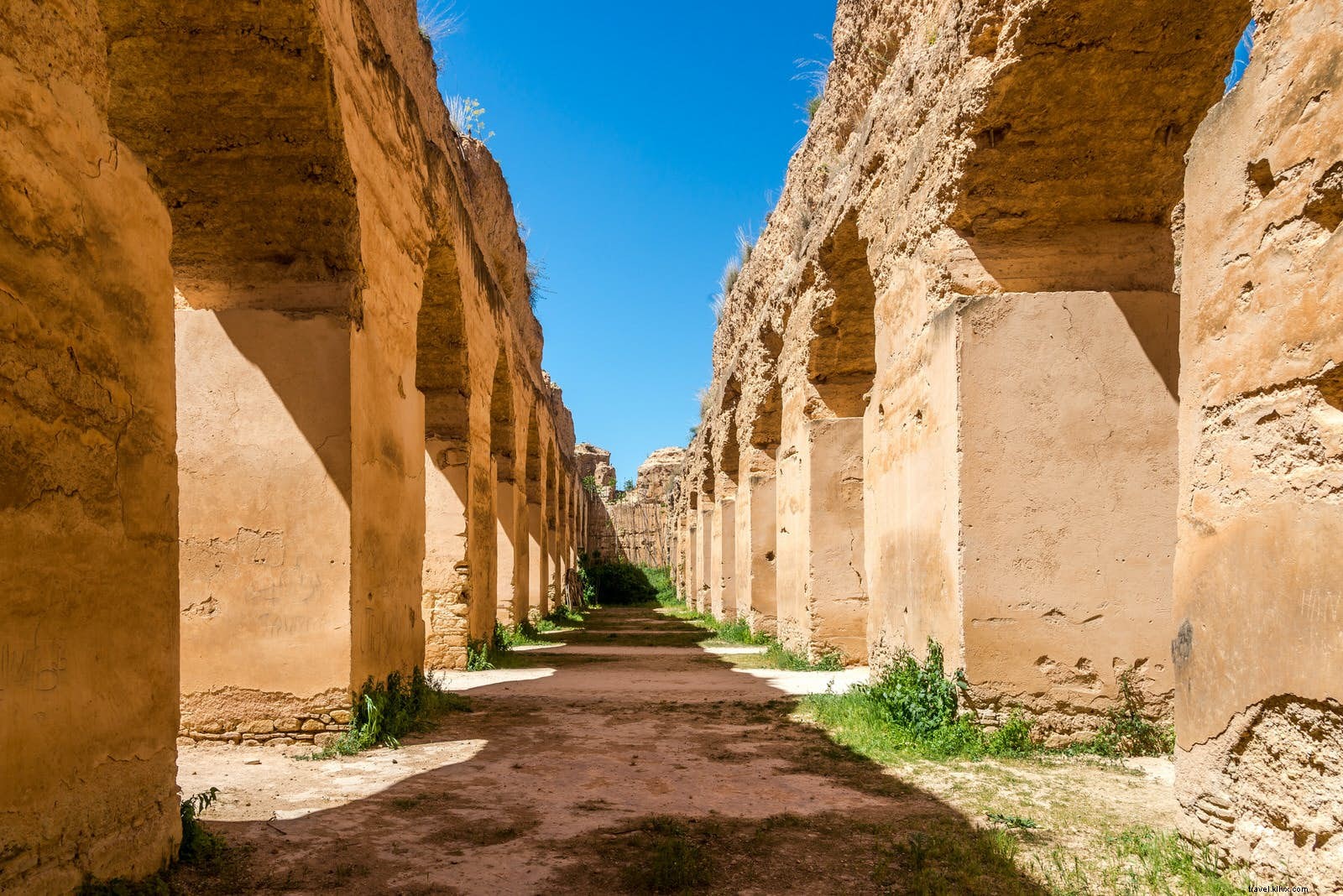
Meknes isn't a culinary hotspot, so grab a quick grilled kofta sandwich on the square before a calèche (horse-drawn carriage) ride 2km southeast to Heri Es Souani. Nestled between ancient fortifications, these royal granaries and stables housed 12,000 horses in vast arcades, exposed by an 18th-century earthquake. Marvel at cavernous vaults rivaling fantasy realms, decaying cedar doors, and a preserved noria (water wheel) room where horses hauled water from aquifers.
Refresh in the medina with Moroccan pastries (Dh30) and mint tea or café noir at Ryad Bahia. This characterful converted family home—linked to Dar Jamaï's original owners—welcomes non-guests for authentic afternoon tea.
Sunset
Capture sunset at Bab El Mansour, Moulay Ismail's bold statement against rival cities. Built post-mortem with Roman stone plundered from Marrakech—including Corinthian marble columns—it dwarfs gateways elsewhere. View from Cafe Restaurant Place Lehdime's rooftop terraces on Place El Hedim's north side, sipping mint tea as amber light illuminates the Arabic inscription: 'I am the most beautiful gate in Morocco. I’m like the moon in the sky. Property and wealth are written on my front.'
Evening
For dinner, head to Riad Meknès (call ahead for directions)—Meknes's most atmospheric spot. Backlit ruined palace walls frame cactus-filled courtyards with zellij tiles and ceramics. Nearby Place Lalla Aouda buzzes with local life, revealing Meknes's authentic side.
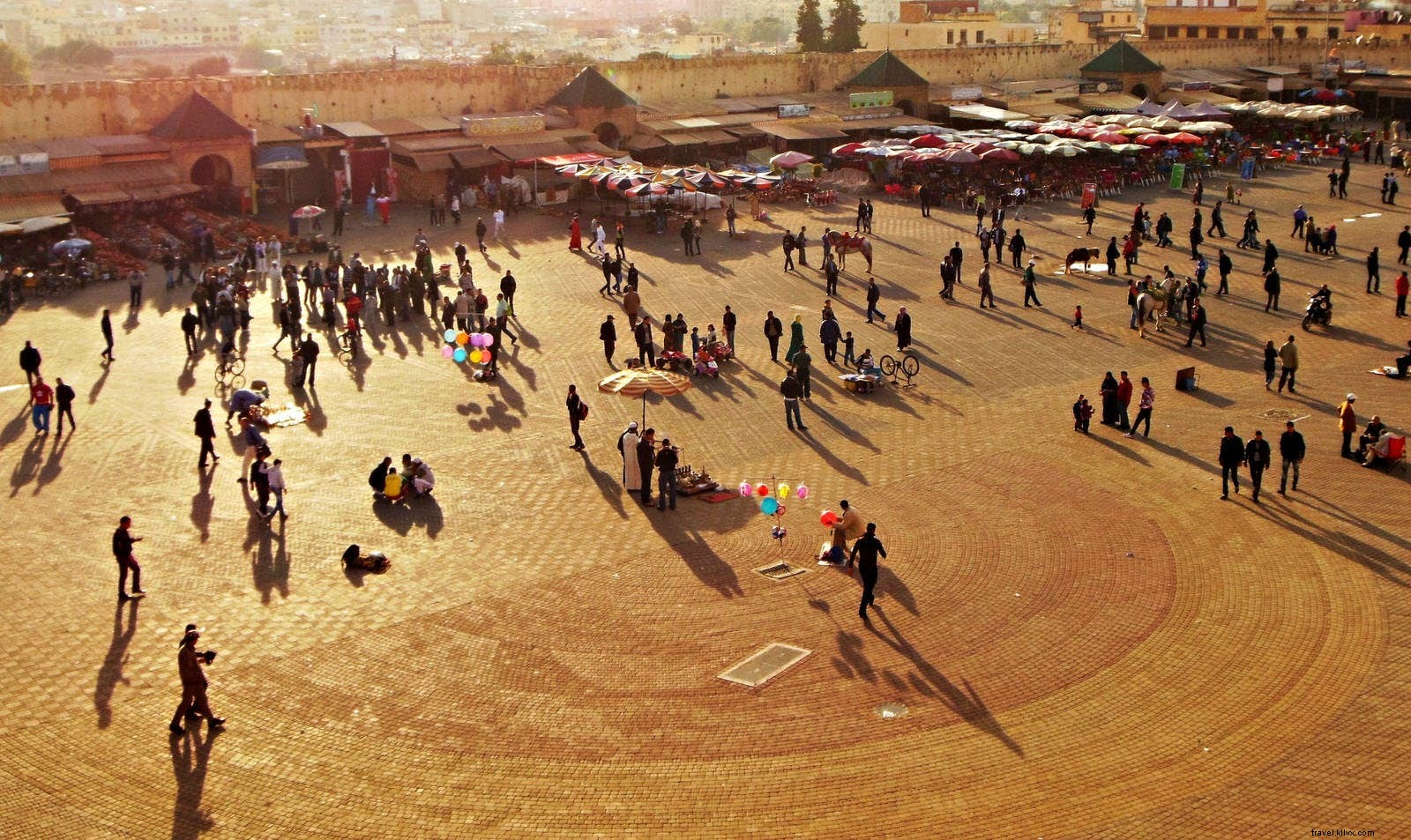
Alcohol is scarce in the medina; instead, join Place El Hedim's vibrant scene: strolling couples, kids with toy cars, and storytellers drawing crowds.
Stay Another Day?
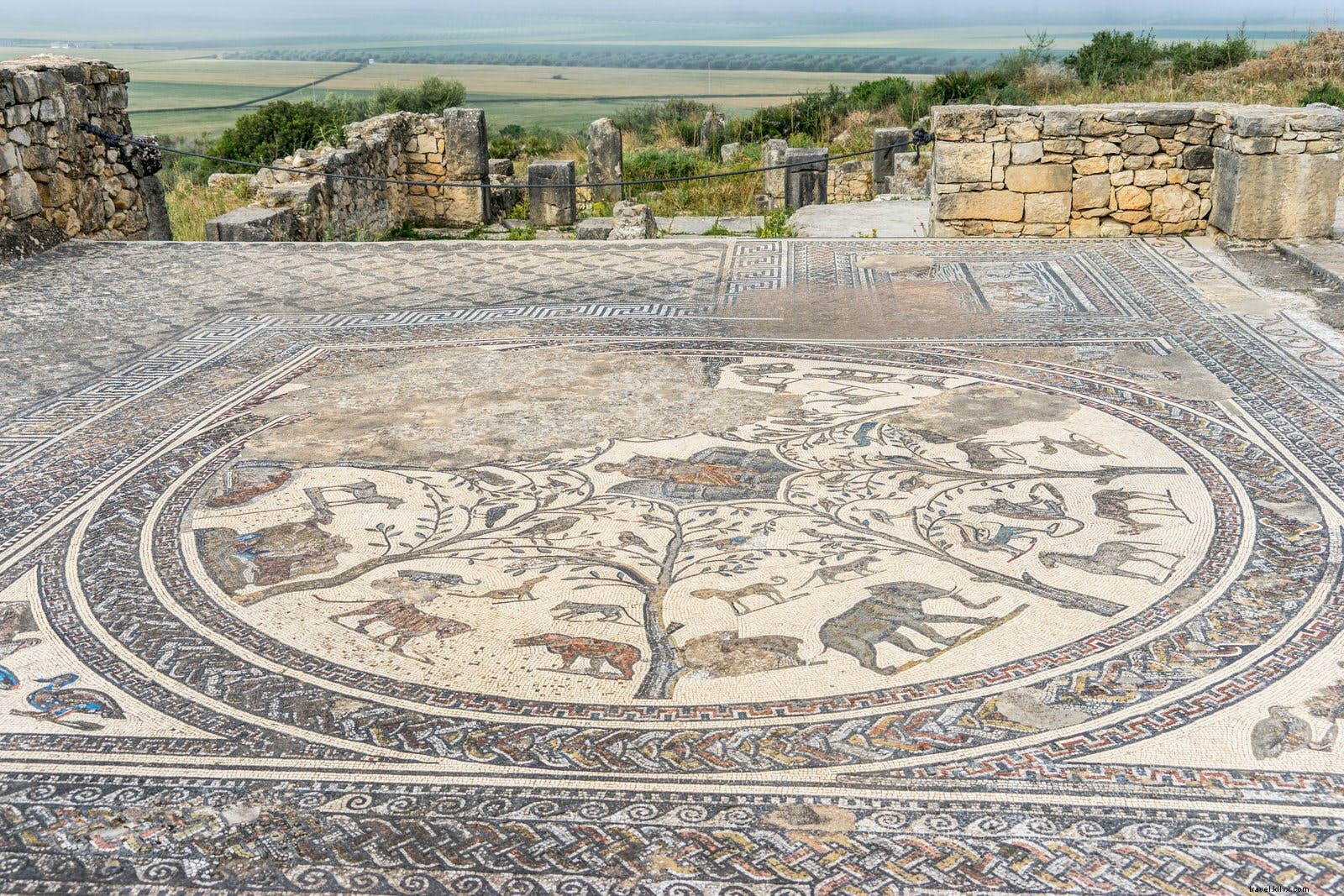
Use Meknes as a quieter base for Middle Atlas trips versus Fez's medina. Trains link frequently; it's nearer Volubilis ruins and Moulay Idriss pilgrimage town. Locally, visit the modest Medersa Bou Inania, stroll column-dotted Lahboul Gardens, or see the ongoing restoration at 17th-century Palais Al Mansour.