Responsible Travel in Marrakesh: Ethical Tips for Sustainable Exploration
Marrakesh, the iconic red city, draws visitors to its labyrinthine medina, treasure-filled souks, zellige-tiled mosques, and vibrant Jemaa el-Fna food stalls. As overtourism rises, responsible travelers must prioritize minimal impact to preserve this UNESCO gem.
Responsible travel involves mindful choices that respect environmental, social, and cultural aspects. Support local businesses, honor customs, avoid exploitative activities, minimize waste, and choose ethical options for stays, dining, shopping, and sightseeing. Here's your guide to traveling responsibly in Marrakesh.
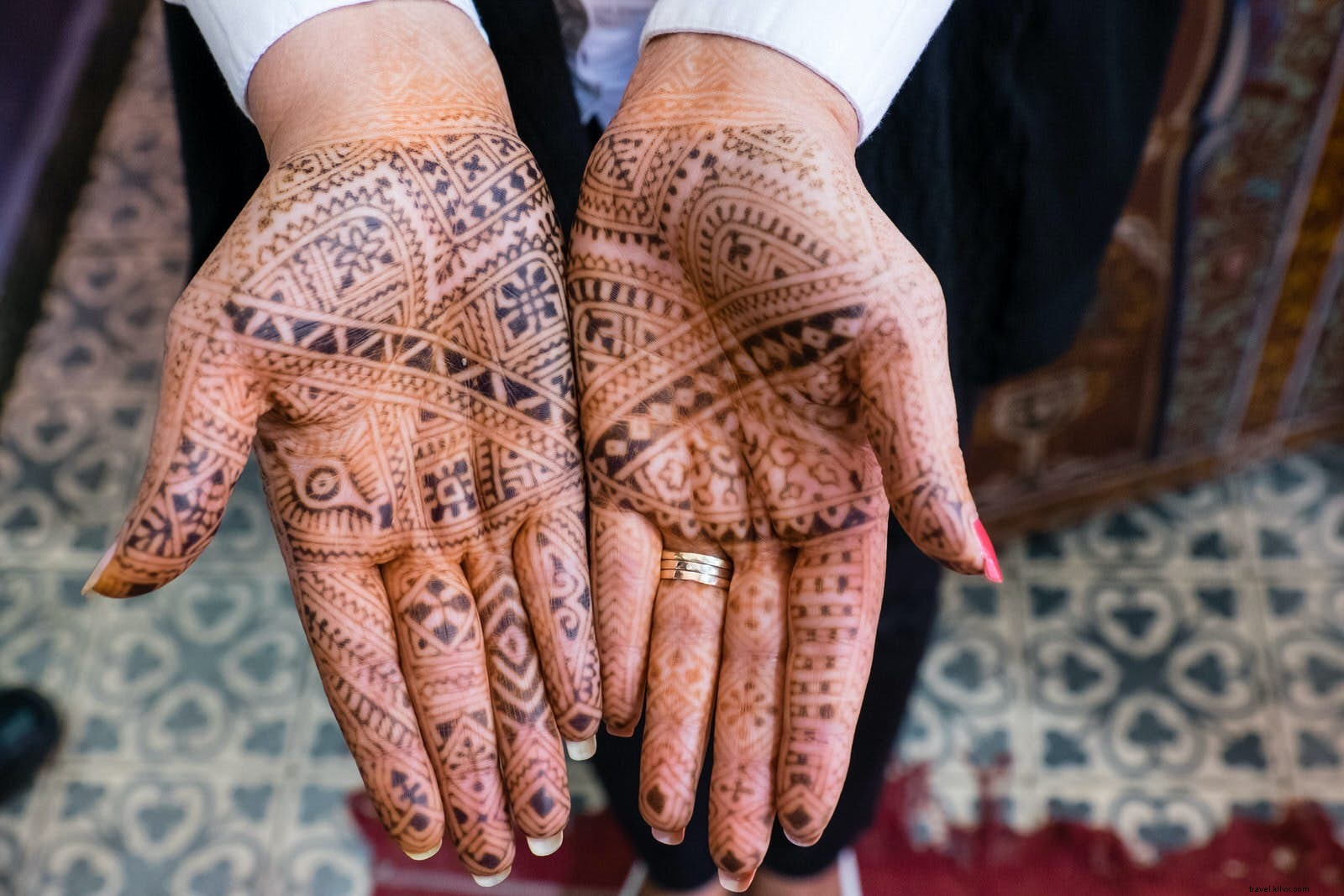
Henna Cafe
Savor authentic Berber cuisine—lentil salad, cured lamb, and couscous—at Henna Cafe's intimate rooftop terrace amid the medina's bustle and call to prayer. Local women apply natural red henna designs, with all proceeds funding free education for Marrakesh residents through their cultural foundation.
Jarjeer Equine Refuge
At Jemaa el-Fna, avoid unethical animal interactions like posed monkeys or snakes, often involving abuse. Instead, visit Jarjeer Equine Refuge, a sanctuary for over 50 rescued donkeys and mules. Learn their stories from Berber muleteers advocating for welfare. Meet leader Tommy, a SPANA rescue who blogs for the refuge. Free entry; donations welcome. Located 24 km on Route d’Amizmiz in Douar Oumnas, Atlas foothills.
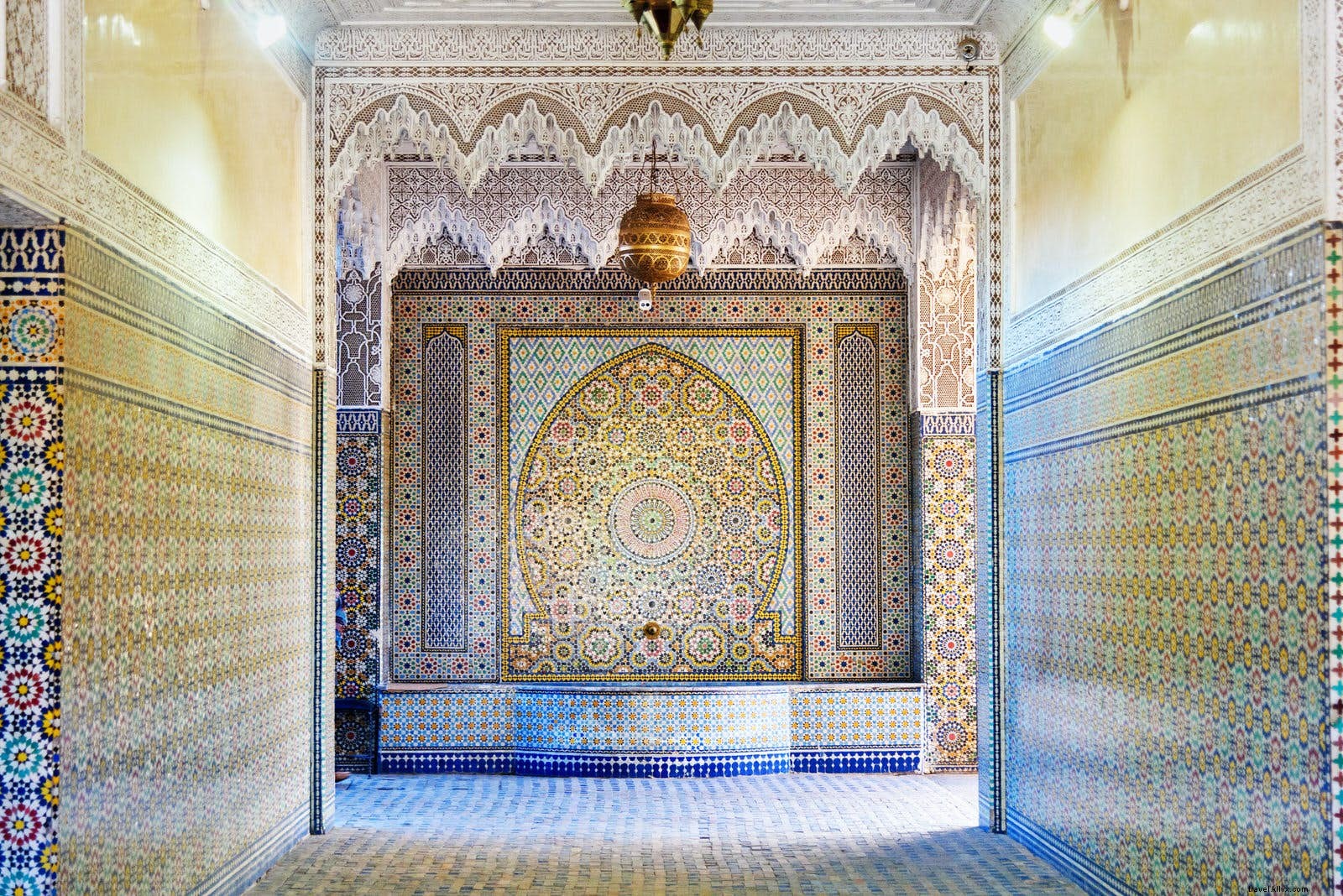
Ensemble Artisanal
Shop fair-trade crafts at this government-backed market in a tadelakt-plastered building with zellige fountains. Watch artisans train apprentices in traditional Moroccan handicrafts. Customize Berber rugs, camel leather babouches, or embroidered bags from women's cooperatives. Fixed, fair prices—no haggling. Bring a reusable tote, as plastic bags are banned in Morocco.
Dar Justo
Stay at this 14th-century medina riad, now an eco-hotel repurposing wastewater for gardens and toilets, powered by solar panels. It employs locals with fair wages, education, and training. Enjoy hand-carved wood rooms and hammam treatments at Le Bain Bleu.
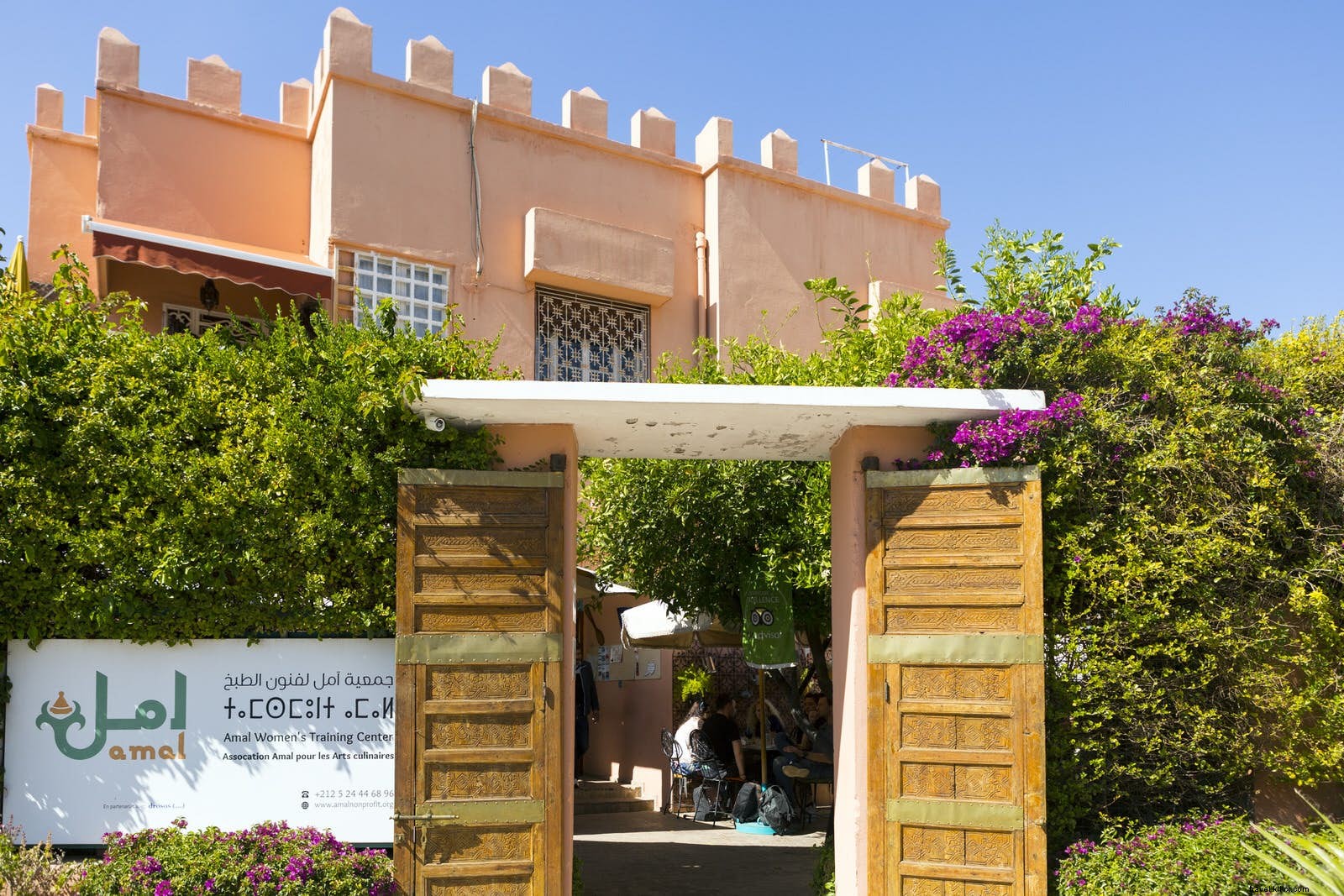
Amal Center and Cafe
Master tagine, couscous, or pastilla at Amal Center, a nonprofit empowering disadvantaged women with free culinary training for financial independence. Dine at their Gueliz cafe (near Jardin Majorelle) or Targa branch on trainee-prepared meals.
Le Palais Paysan
Experience luxury sustainability at this eco-resort outside the city. Staff from local villages receive hospitality training. Enjoy organic orchard produce, free-range hens, village-fresh baladi bread, solar power, and well water. Relax poolside or in Arabic calligraphy classes with Atlas Mountain views. At Km 20, Route d’Amizmiz.
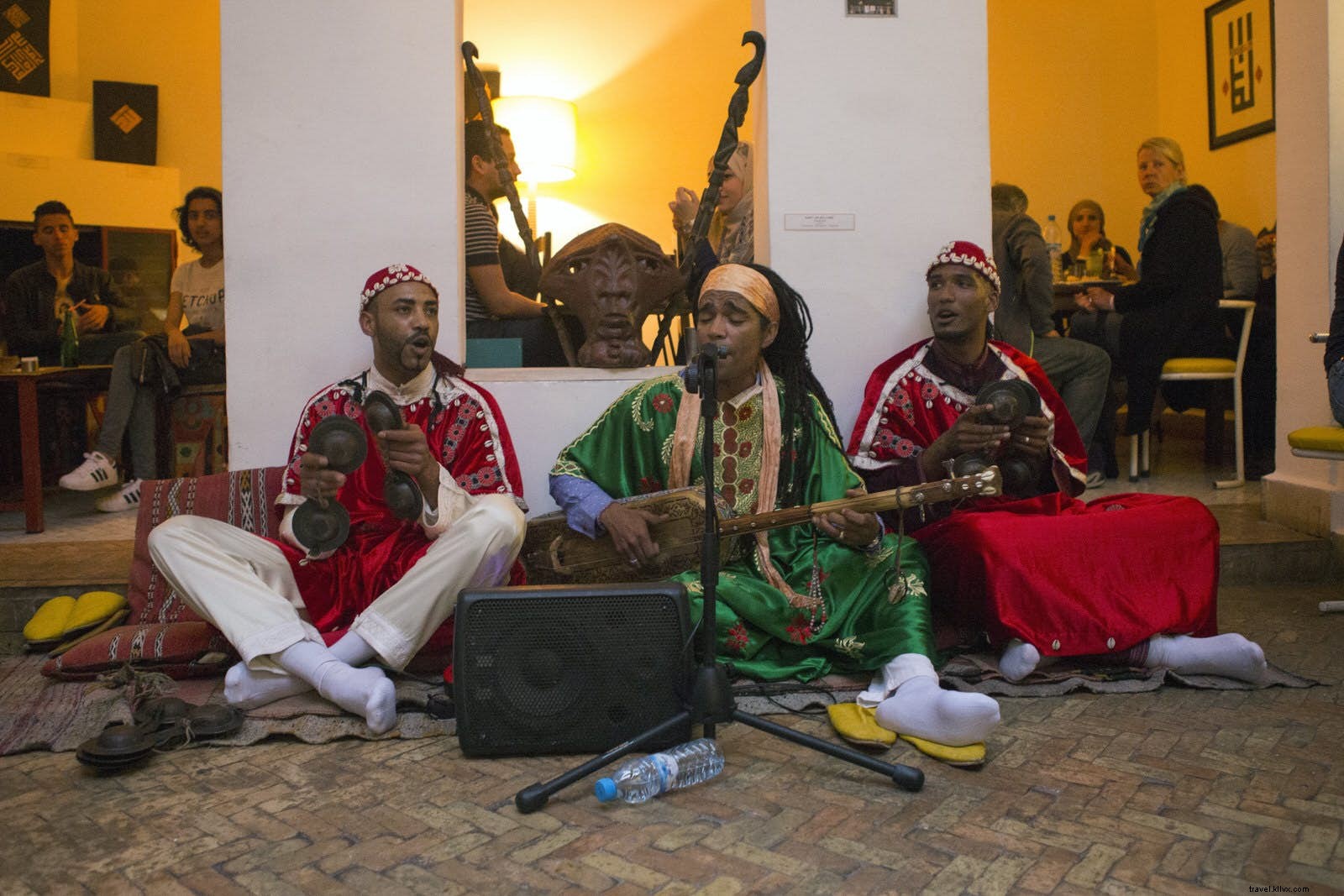
Cafe Clock
In a modernized riad, Cafe Clock blends Moroccan dishes (vegan, vegetarian, gluten-free, camel burgers) with cultural events: Houariyat poetry, Gnaoua hymns, storytelling, and oud lessons from Mohammed Semlali. Crisp whites, colorful decor, and rooftop seating celebrate heritage.
Free Walking Tour with GuruWalk
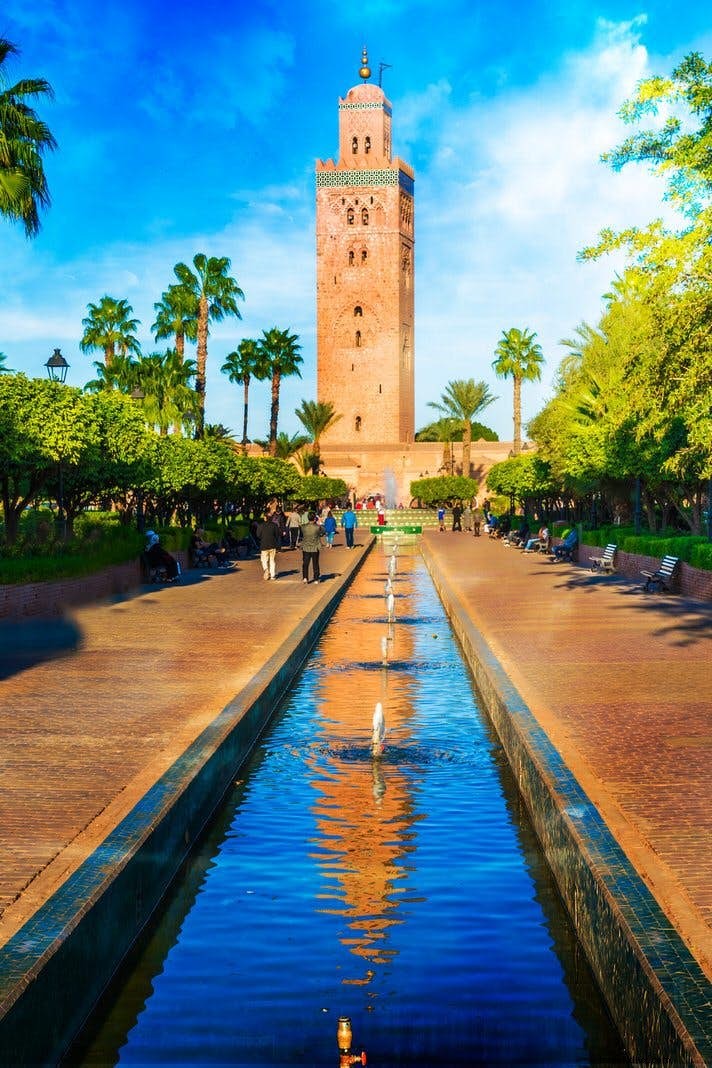
Join Basma, a local expert, for a 4-hour female-led GuruWalk tour of the medina's alleys, cooperatives, hidden gems, and street food. Tailored to history, ecotourism, photography, art, music, or culture. Free; tips appreciated. Meets near Koutoubia Mosque.