Fez's Master Artisans: Discover Timeless Moroccan Crafts and Creators in the Medina
For centuries, Fez—Morocco's imperial city—has been a global hub of artisanal excellence. In the winding alleys of its UNESCO-listed medieval medina, generations have preserved traditions in leatherworking, brass etching, woodcarving, and more.
As Fassi artisans confront competition from mass-produced imports, restored funduqs—ancient merchant inns—have become vibrant centers for endangered crafts. Designers innovate with time-tested techniques, and immersive tours provide behind-the-scenes access to these living traditions.
Meet the Artisans with Culture Vultures
The half-day Artisanal Affairs tour by Culture Vultures invites you to explore the medina's lanes, connecting with skilled craftspeople in their workshops—weavers, wood painters, leather artisans, tailored to your interests and availability.
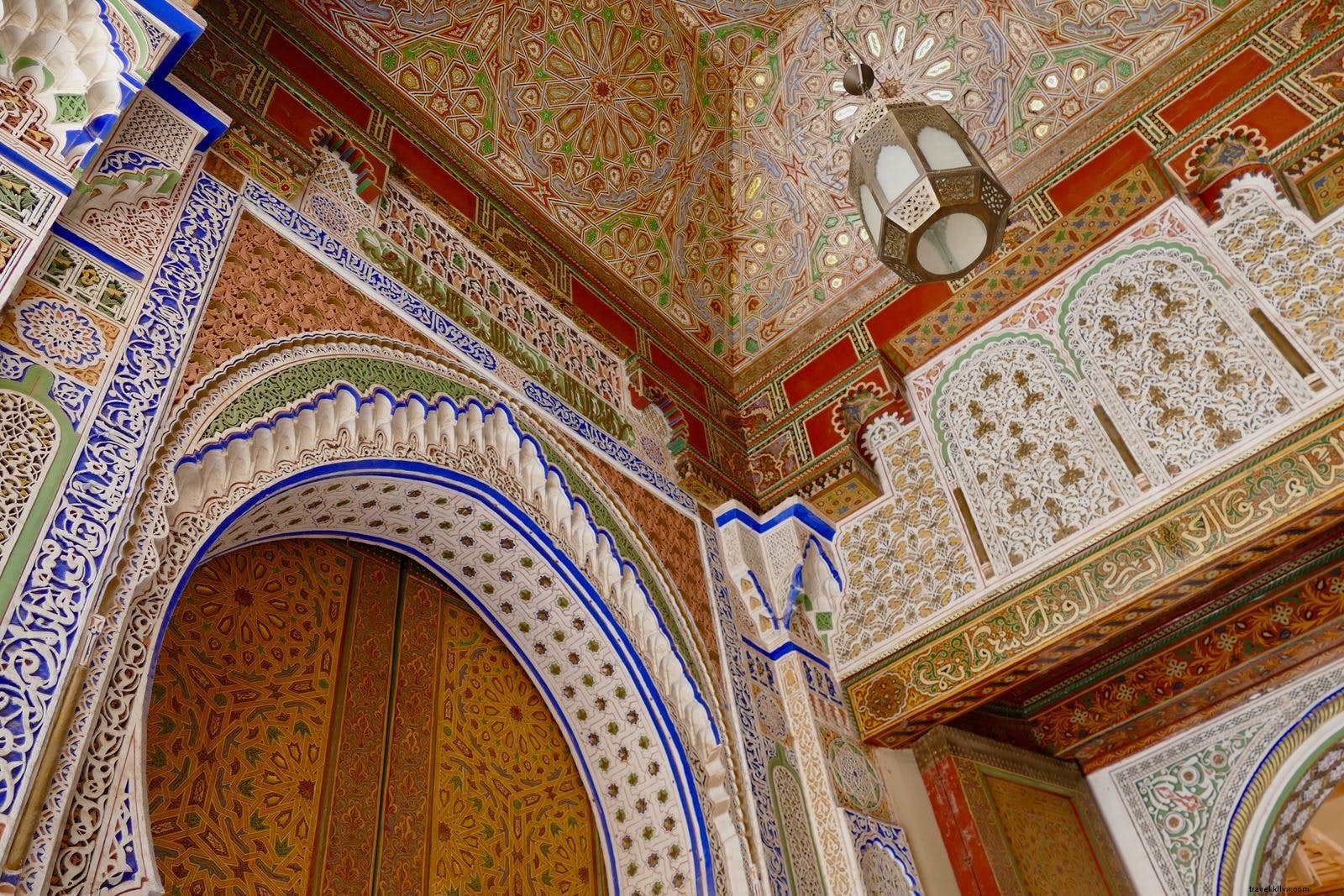
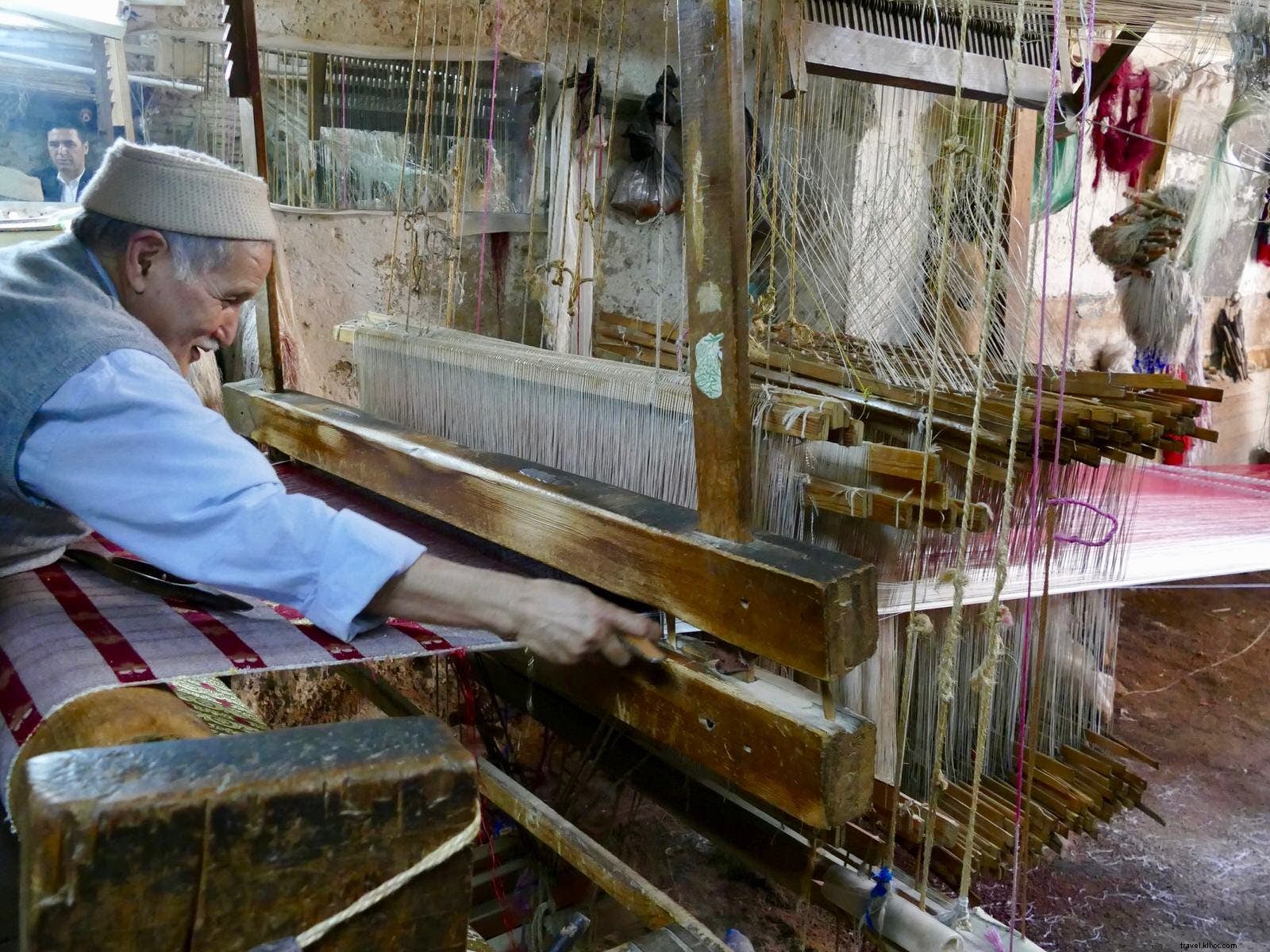
You might meet 87-year-old Abdelkhader El Ouazzani at his wooden loom, deftly weaving 4,000 threads into shimmering silk brocade fit for a New York fashionista or Fassi bride. Or witness Abdul and Nordeen perfecting an intricately painted wooden door for Middle Eastern markets, impossible to replicate by machine.
Culture Vultures also offers visits to Fez's artisan school in Batha. Once reliant on master-apprentice lineages, today's trainees master over 20 crafts alongside literacy, marketing, and computing. Observe woodworkers, plaster carvers, and babouche (traditional pointed slippers) makers sharing expertise through songs and stories, with opportunities to purchase their work.
Get Hands-On
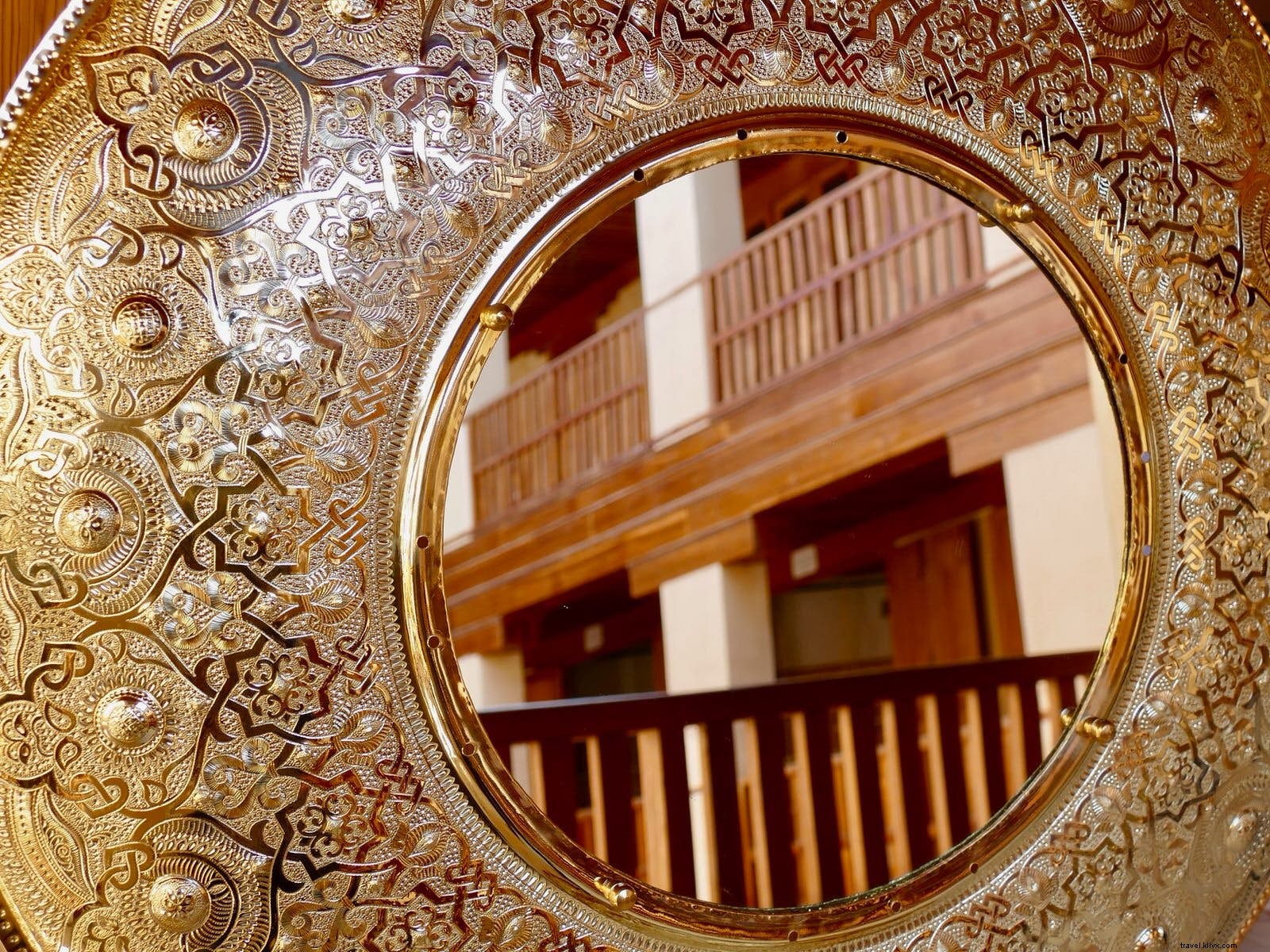
For a deeper dive, join Craft Draft workshops with social entrepreneur Hamza El Fasiki, a master artisan whose father's brass etchings adorn the studio. Learn bookbinding, brass etching, or leather embossing as Hamza traces the craftsman's journey from apprentice to master, introducing tools with centuries-old names.
Crafting a leather-bound book? Use a compass, scorer, and ruler—all by eye for Hamza's Islamic-inspired designs. Embrace the mantra: 'no perfection, no eraser.' Using handmade paper and Coptic binding, emerge after three hours with your unique creation.
Plan-it Morocco offers artisanal tours for hands-on pottery, slipper-making, or drumming. In a hidden funduq, watch a drum assembly line: painting ceramic bases, prepping camel hides, and stitching skins. Nearby, stitch your own yellow Fassi babouche from goatskin, cowhide, and sheepskin.
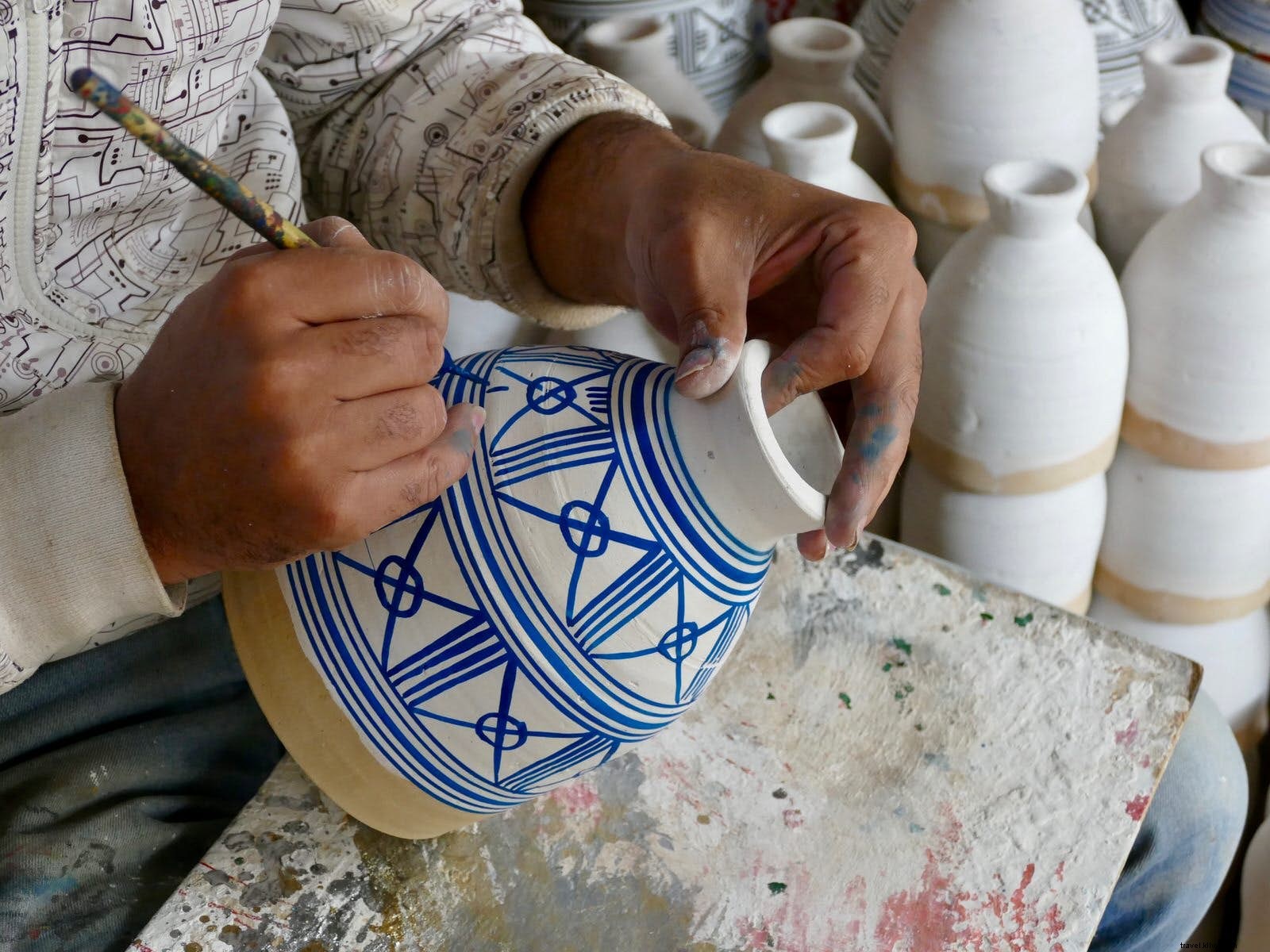
Outside the city, explore Fez's iconic blue-and-white pottery: shaping clay on foot wheels, sun-drying, hand-painting geometric patterns, and kiln-firing.
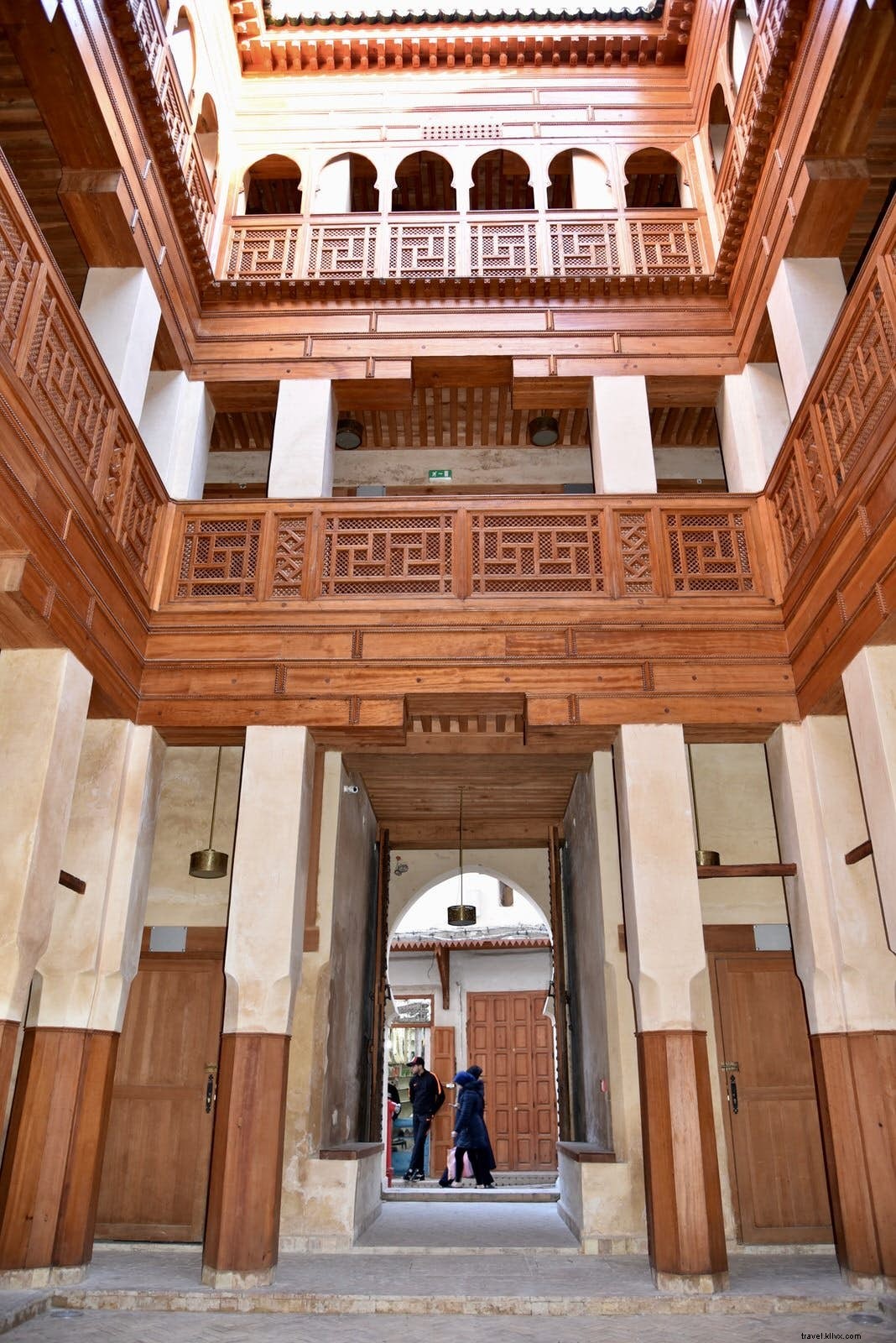
Where to Shop in the Medina
Historically traded via camel caravans, Fassi crafts were stored in funduqs. Now, a restoration project by ADER-Fès and the US Millennium Challenge Corporation revives four, featuring soaring columns and cedar balustrades.
The 13th-century Chemmaine-Sbitryine funduqs on Rue Quaraouyine showcase vanishing crafts like wooden hammam buckets, fire bellows, and Fassi embroidery, with workshops, exhibitions, and cafes. Barka funduq on Rue Kettanine empowers women's cooperatives crafting kaftans, carpets, and button necklaces.
For modern twists, visit Médin'ART, Fez's pioneering concept store by Laurence Alberro. Discover embroidered tees from Mawj, scarves from Mouhib, and weavings by self-taught Ashraf, plus Ytto's Amazigh-alphabet decor and Jabi's sfifa-edged jackets.
At boutique riad Le Jardin des Biehn, owner Michel Biehn curates vintage kaftans, boucherouite rugs, Artisan Project blankets, and Alfred Berlin's leather bags—all sustaining local skills.
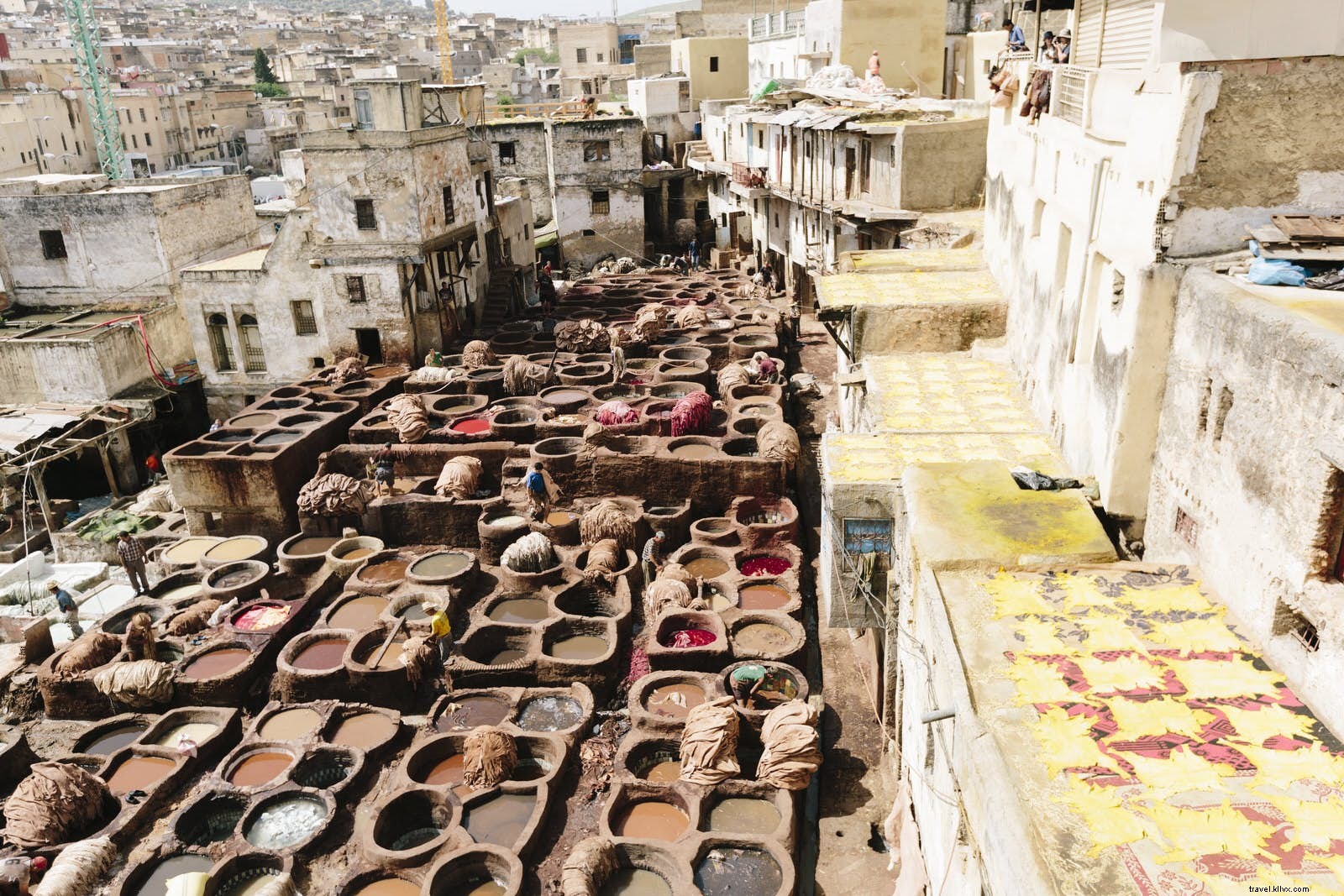
Iconic Chaouwara Tanneries offer a mesmerizing view of 11th-century dyeing vats. Shop leather goods from pouffes to custom jackets—bargain respectfully if buying.