Off-the-Beaten-Path Morocco: Discover Taroudant, Tafraoute, and Mirleft
With Morocco's surging popularity, escaping the crowds is increasingly challenging. Iconic spots like Marrakech, the High Atlas, and Essaouira draw massive visitors, but venture south to three lesser-known gems. Immerse yourself in authentic Berber culture, majestic mountains, and uncrowded surf spots.
If you love Marrakech … head to Taroudant
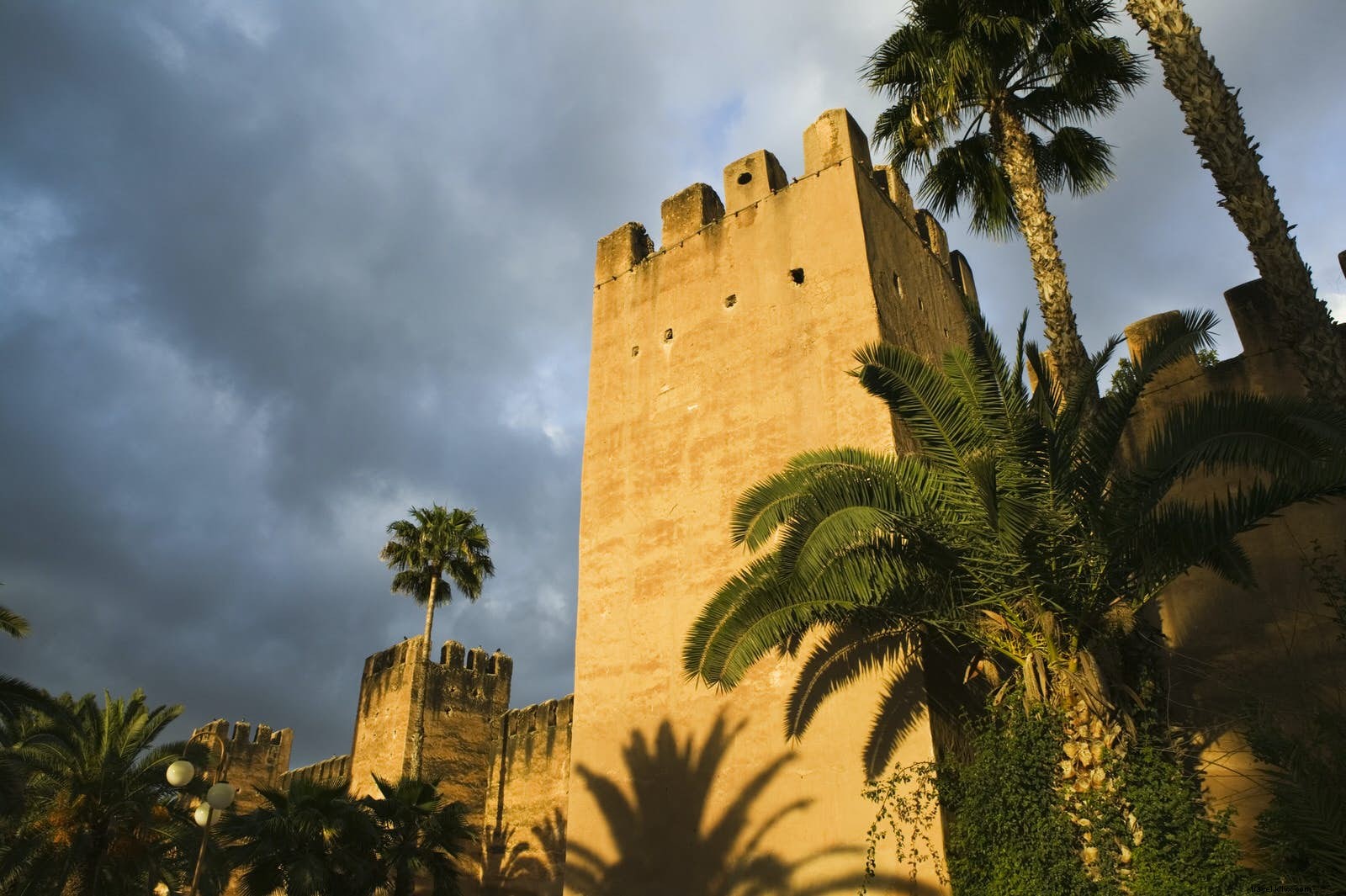
Known as ‘mini Marrakech,’ Taroudant is a vibrant trading town in the lush Souss Valley, ringed by stunning honey-colored ramparts and framed by the High Atlas and Anti-Atlas peaks. Once a brief Saadian dynasty capital five centuries ago, it offers a relaxed pace, uncrowded souks, and zero tourist hustle—ideal for savoring local life. Explore the ancient city walls via horse-drawn calèche (carriage) and visit the historic kasbah. Stop at Hotel Palais Salam, a former pasha’s palace now a charming, faded hotel where mint tea grants access to its tiled salons and Moorish gardens.
The bustling Sunday souk is perfect for selecting long-lashed camels or massive watermelons. Taroudant’s two daily markets flank Place Assareg: Souq Berbère brims with colorful spices and fresh fruits, while the older Souq Arabe specializes in terracotta pots, vibrant ceramics, handwoven baskets, and leather goods from nearby tanneries outside Bab Taghrount—authentic and aromatic, much like those in Marrakech and Fez.
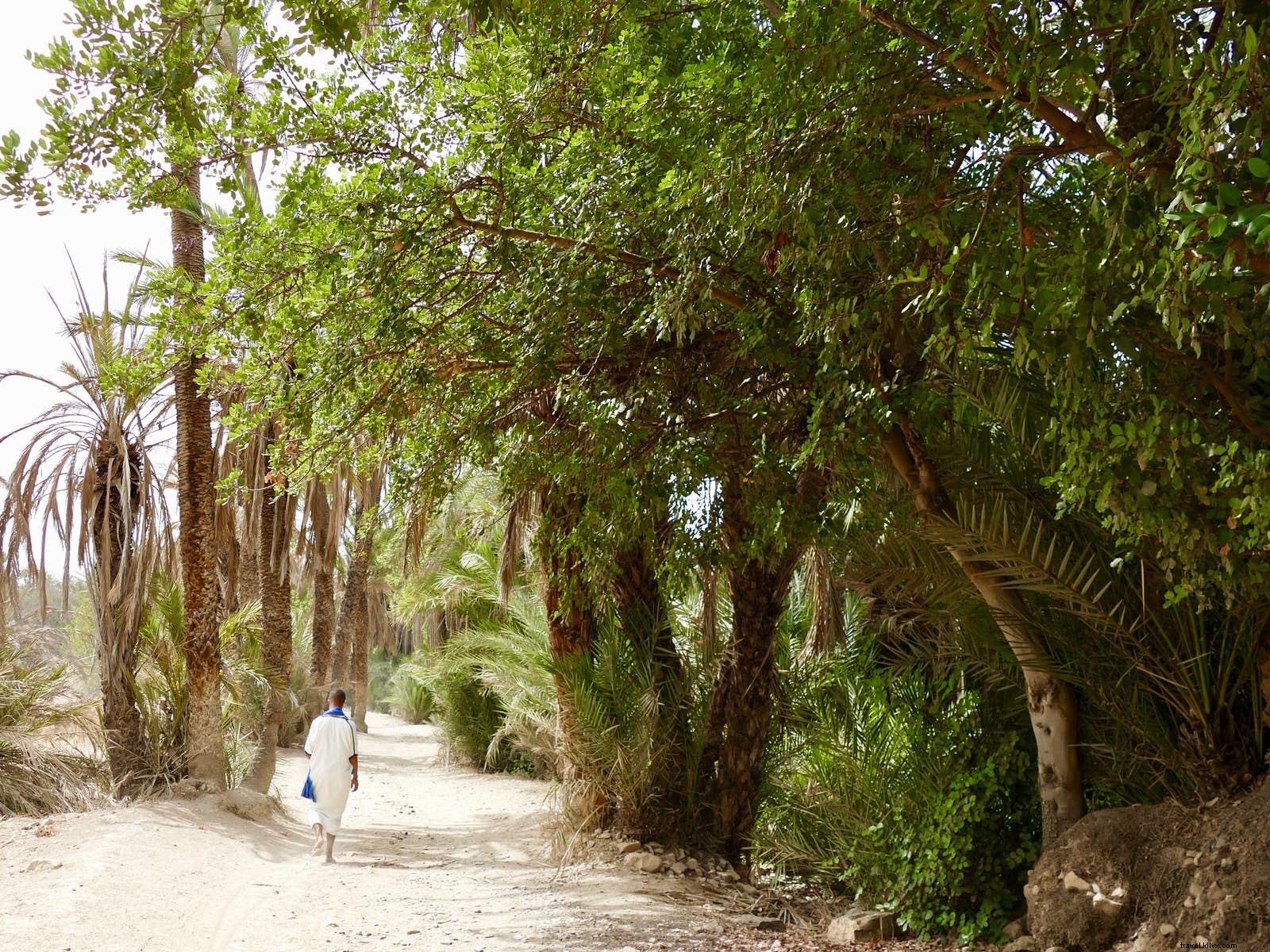
North of town, Palais Musee Claudio Bravo—the former home of Chilean hyperrealist artist Claudio Bravo—welcomes visitors. A guided tour (Dh200) reveals private suites adorned with his global art collection, including Japanese prints, Iranian chairs, and Indian chests, plus his workshop with an unfinished painting on the easel. Southeast, 30km away, Tioute Oasis features a thriving palm grove amid arid land, where locals grow dates, mint, alfalfa, bitter oranges, figs, and prickly pears using traditional irrigation, watched over by a striking kasbah ruin.
Where to eat
For a break from tagines, visit Sidi ou Sidi, a restored medina house filled with art. Savor pasta, fresh salads, and desserts in sunlit salons or the lush rooftop terrace. It also stocks local handicrafts in its boutique.
Where to stay
Seven kilometers from central Taroudant, Dar Al Hossoun offers serene, uniquely decorated rooms with colorful rugs and weavings amid cactus gardens, orange groves, and jasmine. Enjoy two pools, a hammam spa, and Moroccan-Mediterranean cuisine. Cat enthusiasts will adore its 20 rescued felines. Owners arrange excursions, including to Souss-Massa National Park.
If you love the High Atlas … explore Tafraoute in the Anti-Atlas
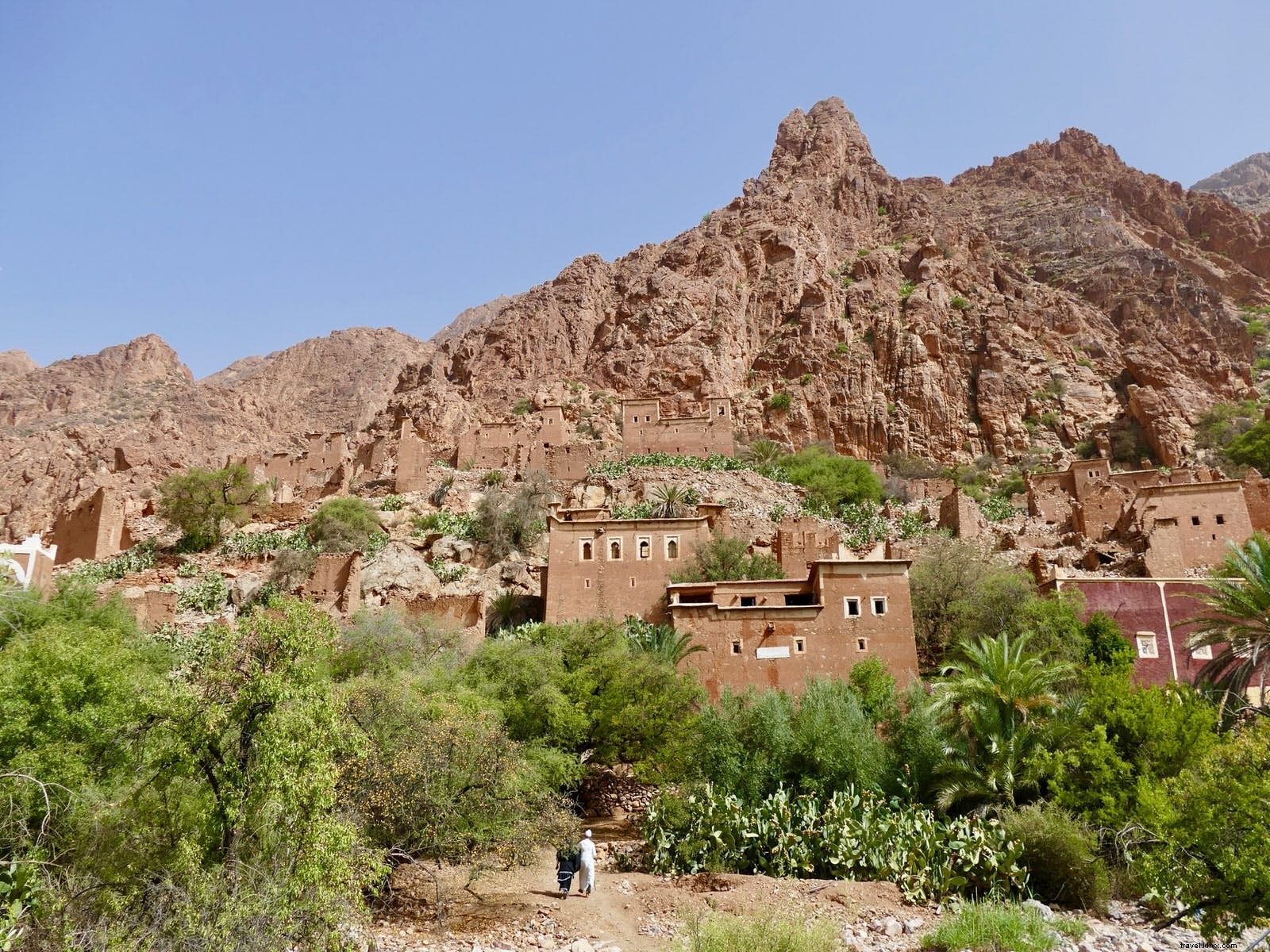
Far less trodden than High Atlas trails, Tafraoute anchors Morocco’s Berber heartland, preserving ancient tribes and traditions amid hilltop kasbahs, quaint villages, and palm oases. It’s a haven for hikers and climbers tackling the rugged Anti-Atlas peaks and historic Berber paths. Jebel El Kest (2,359m) is the highest, but gentler routes wind through the Ameln Valley’s scenic, sometimes abandoned villages.
La Maison Traditionelle in Oumesnat provides an intimate look at vanishing Berber life. Host Ahrass Abdeslam, blind since childhood, guides you through his grandparents’ thick-walled earthen home—complete with separate doors for humans and livestock—sharing tools, traditions, music, and mint tea.
Wednesdays bring lively markets with local produce; Tafraoute leads in almond production, hosts the spring Almond Blossom Festival, and produces amlou—a delectable almond-argan-honey paste dubbed ‘Moroccan Nutella.’ The souk offers affordable woodwork, silver jewelry, men’s yellow leather babouche, and embroidered women’s shoes signaling marital status.

Nearby, Le Châpeau de Napoléon (Napoleon’s Hat) overlooks Aguerd-Oudad village, 3km south. Four kilometers farther, the surreal Painted Rocks—vibrantly colored by Belgian artist Jean Verame in 1984—remain a striking landmark despite sun-fading.
Where to eat
Seek out Chez Sabir (ask locals for the alley off the main road), home of Berber chef Abdellatif Bakrim. Indulge in rich harira soup, varied Moroccan salads, and flavorful tagines from a lineage of traditional cooks.
Where to stay
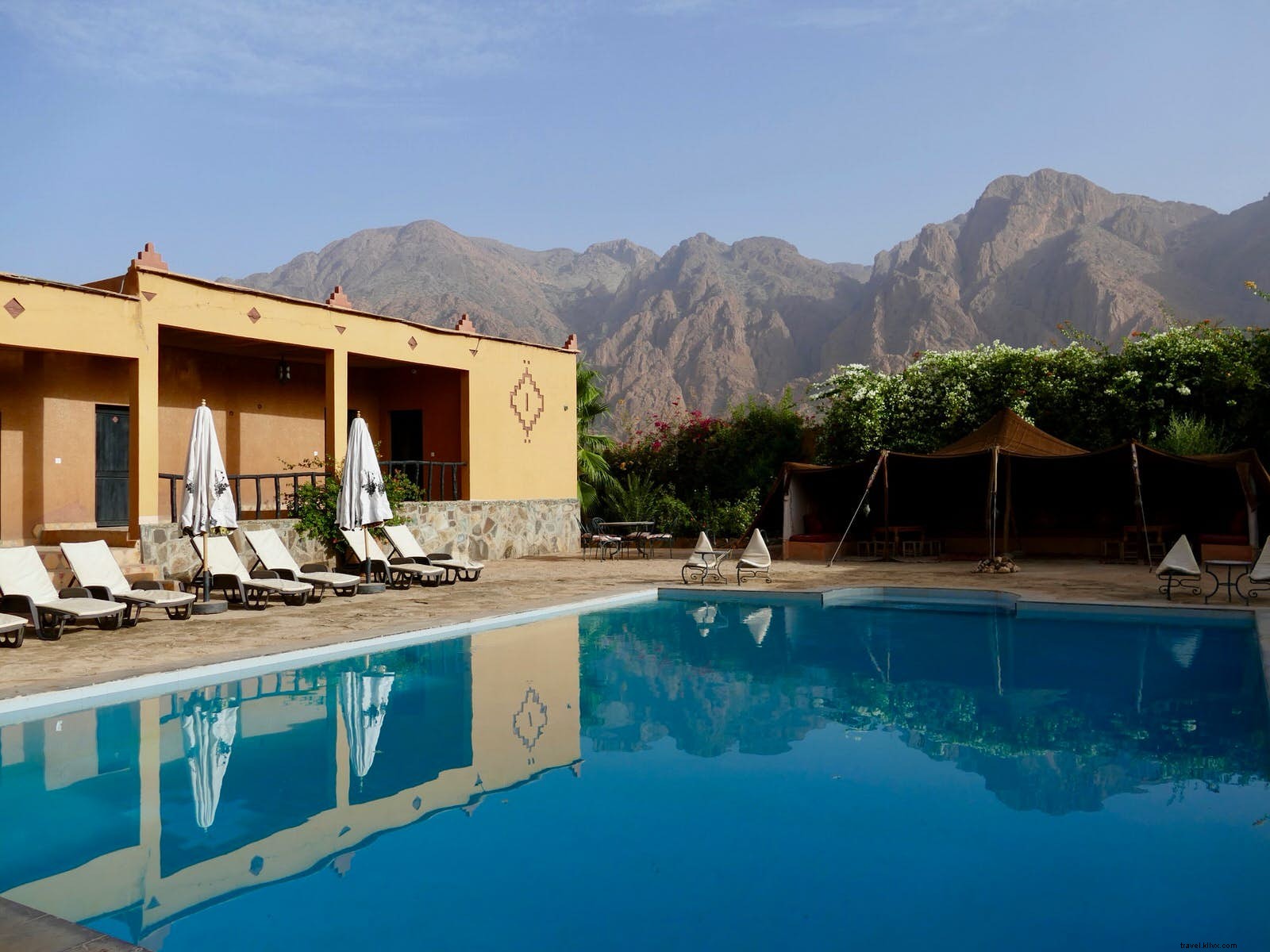
In the Ameln Valley beneath La Tête du Lion boulder, Chez Amaliya Auberge Kasbah features poolside rooms and alfresco dining from tagines to pizza. Multilingual staff assist with guided hikes, climbs, or self-guided adventures.
If you love Essaouira … try Mirleft
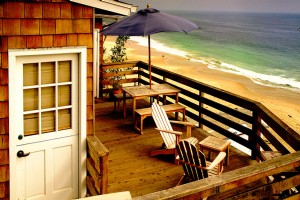
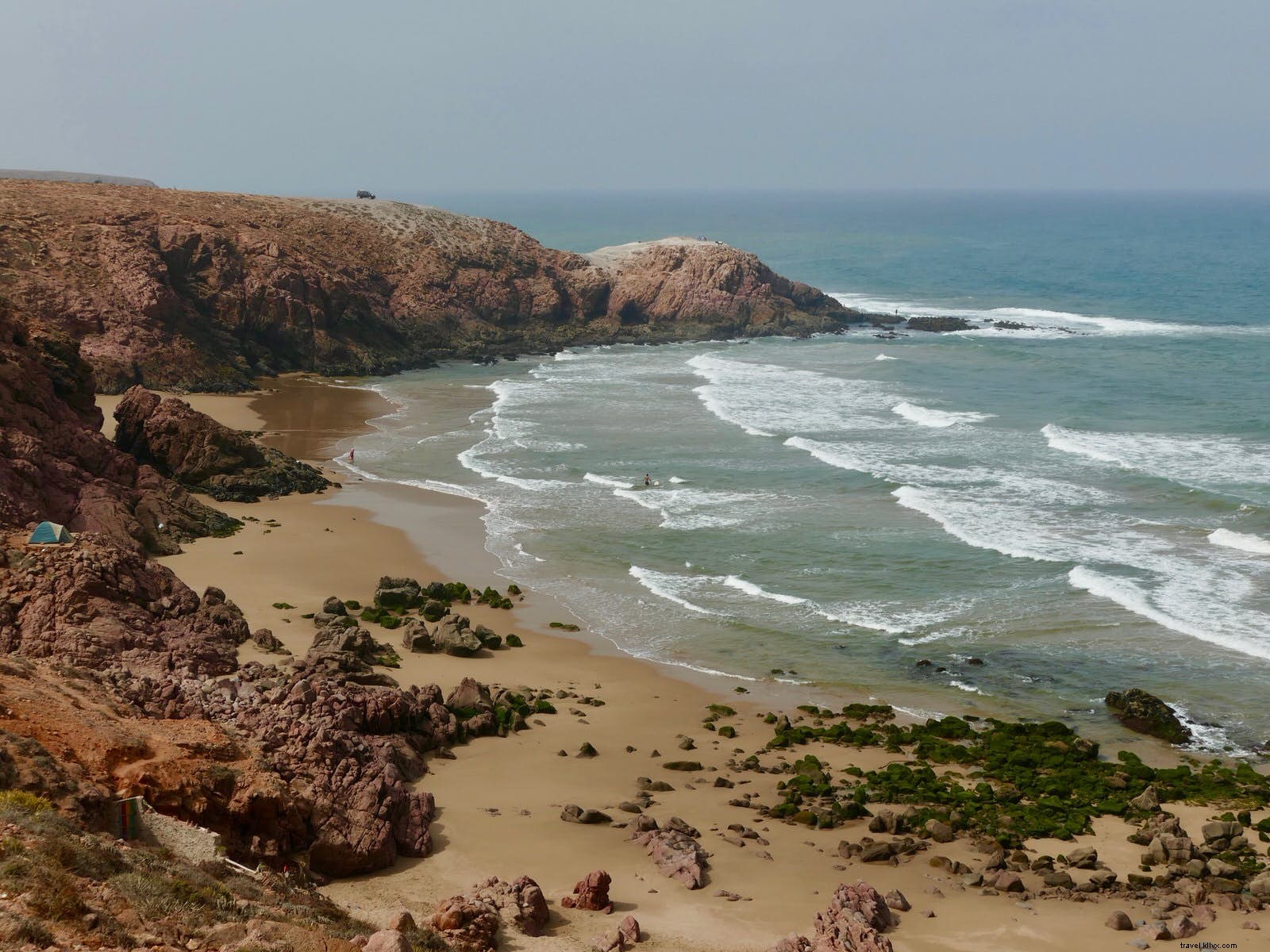
Where Anti-Atlas mountains kiss the Atlantic, tranquil Mirleft boasts pristine beaches (often empty outside holidays), a growing surf culture, and cozy guesthouses—a calmer, less windy Essaouira alternative. Its year-round mild climate and bohemian vibe attract artists, musicians, backpackers, and expats, plus watersports fans. Spot-M offers lessons and yoga-inclusive surf camps for all levels. Thrill-seekers can paraglide from Le Nid d’Aigle with Abertih Paragliding, or try quad biking, horse riding, and treks.
Beaches steal the show: Family-friendly Imin Tourga sees bikinis to burkinis, football games, and camel strolls; wilder stretches lead to Legzira’s iconic stone arch. Mirleft’s two main streets host shops, cafes, ice cream spots, a fish market with smoky grillades (sample mussel tagine), and a sunset climb to the old Spanish fort for panoramic views.
Where to eat
Don’t miss Le Café de Pêcheur on Aftas beach (ask locals). Host Hassan, a ‘60s-‘70s rock scene veteran who welcomed Jimi Hendrix and Patti Smith, serves fresh sea bass, squid, grilled sardines, and live music.
Where to stay
In cliff-top Les Amicales, Sally’s B&B feels like a welcoming home with prime grand plage views. Moroccan-marine decor, communal breakfasts on the terrace, and insider tips from longtime British expat Sally make it unforgettable.