
Explore Hungary's Waterways: Danube in Budapest, Lake Balaton, Tokaj Wines & Beyond
Despite being landlocked, Hungary thrives along its rivers and lakes, delivering some of its most unforgettable experiences. Plan your journey through these scenic waterways this spring or summer for the ultimate adventure.
Relax on Budapest's Iconic Danube Banks
As UNESCO notes, "This stretch of the Danube has been the location of human settlement since the Palaeolithic." Budapest's riverbanks earned World Heritage status for their "scenic view... a unique example of the harmonious interaction between human society and a natural environment." These are must-visit shores blending history and natural beauty.
Strolling the banks is magical, but elevate your visit with diverse perspectives. On the Buda-side Római shore, unwind at Fellini Kultúrbisztro (May to October) in deck chairs, toes in the Danube, watching boats glide by. On the Pest side, Pontoon offers alfresco movie screenings, live music, and gourmet bites, with the stunning Buda skyline best enjoyed spritzing a fröccs wine spritzer.
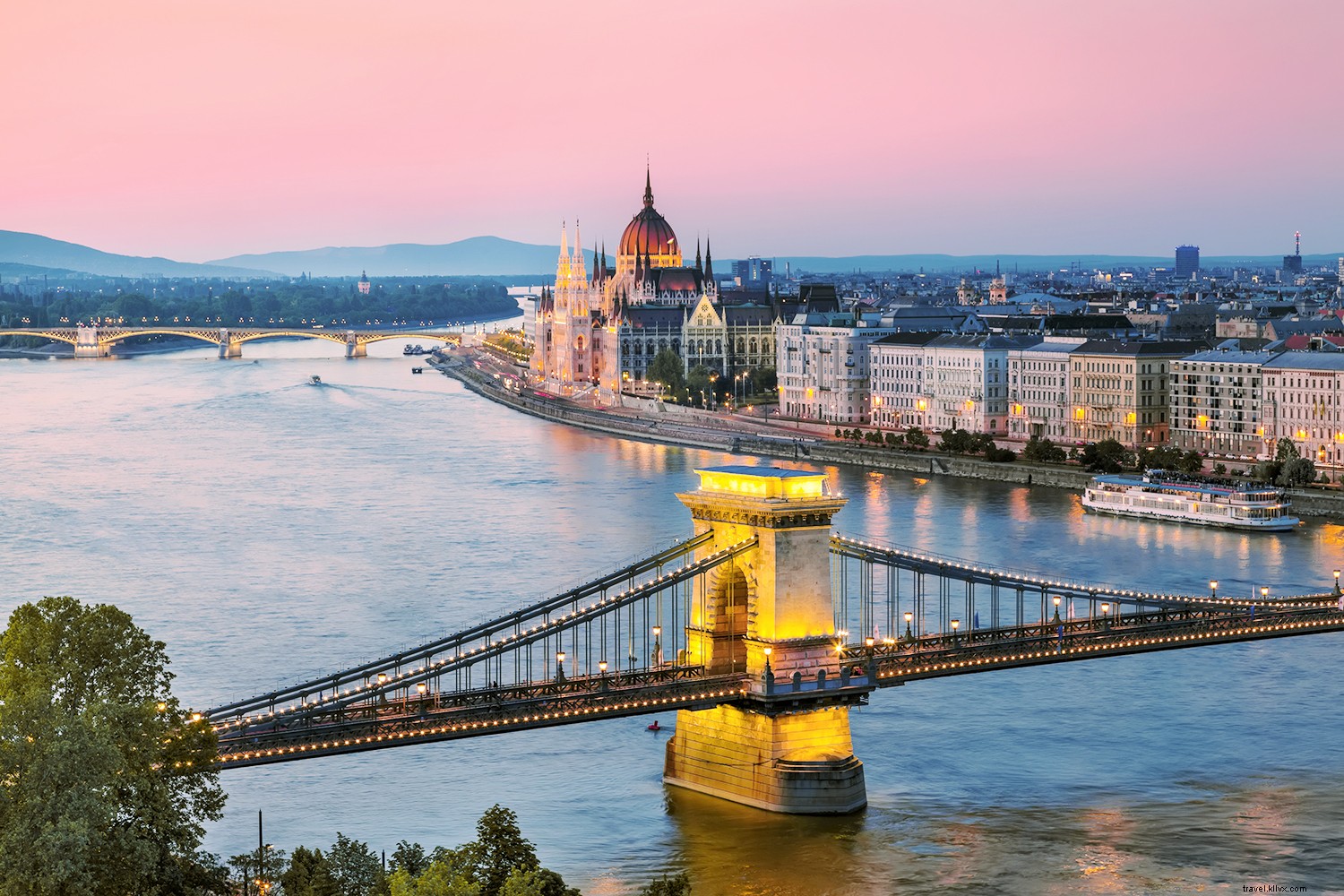 Once captivated by the Danube—which happens instantly—venture onto the water. Reach Margaret Island, Budapest's lush, water-encircled oasis akin to Central Park, featuring Franciscan ruins and classical music concerts. Nearby Óbuda Island hosts the renowned annual Sziget Festival every August, with past headliners like Rihanna and Post Malone. Even bridges join the fun: Liberty Bridge turns pedestrian-only on select summer weekends for concerts, yoga, and picnics.
For a transcendent Danube experience, join a SUP Budapest sunrise paddle tour (May-August). Witnessing the sun illuminate the dramatic skyline from the water is truly unparalleled.
Water-to-Winery Tours in Tokaj
At the Tisza and Bodrog rivers' confluence in Tokaj, UNESCO-protected terroir produces some of the world's finest sweet white wines for over four centuries. The region also preserves rich Jewish heritage; by the late 1700s, Polish Jews played a pivotal role in the Tokaj wine trade, leaving synagogues, cemeteries, and sites like Royal Tokaji in the historic Zimmermann family home—gold medal winners in 1890s Berlin and Paris.
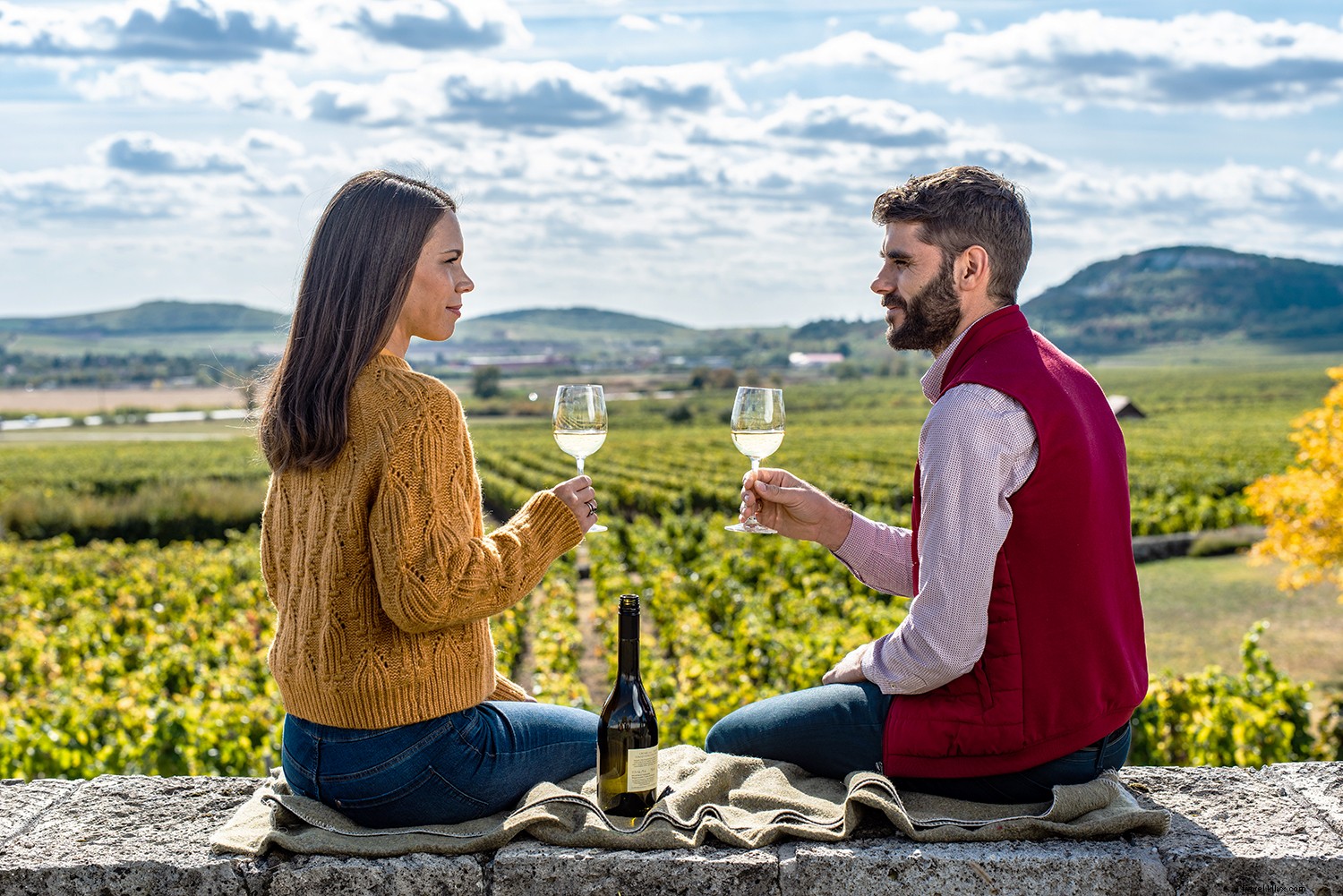 Delve deeper at the World Heritage Wine Museum's interactive exhibits on centuries-old winemaking. Key insights: Tokaj's 21 square miles yield diverse flavors from volcanic mineral-rich soils. Discover aszú, the "king of wines," a royal favorite that shines solo or with blue cheese.
Experience tastings by water: Cruise the Bodrog to Dereszla Winery, opt for the three-stop Wine Bus, or attend the June Tokaj Wine Festival to meet top producers in the main square.
Immerse in Lake Balaton's Beauty
Nicknamed the "Hungarian Sea," Lake Balaton spans the Bakony Hills, attracting nature lovers, wellness seekers, and foodies. Try sailing or windsurfing (lessons available), then savor the gastronomic scene at Vitorlás restaurant—once a shipyard—pairing local wines with grilled catfish and saffron risotto.
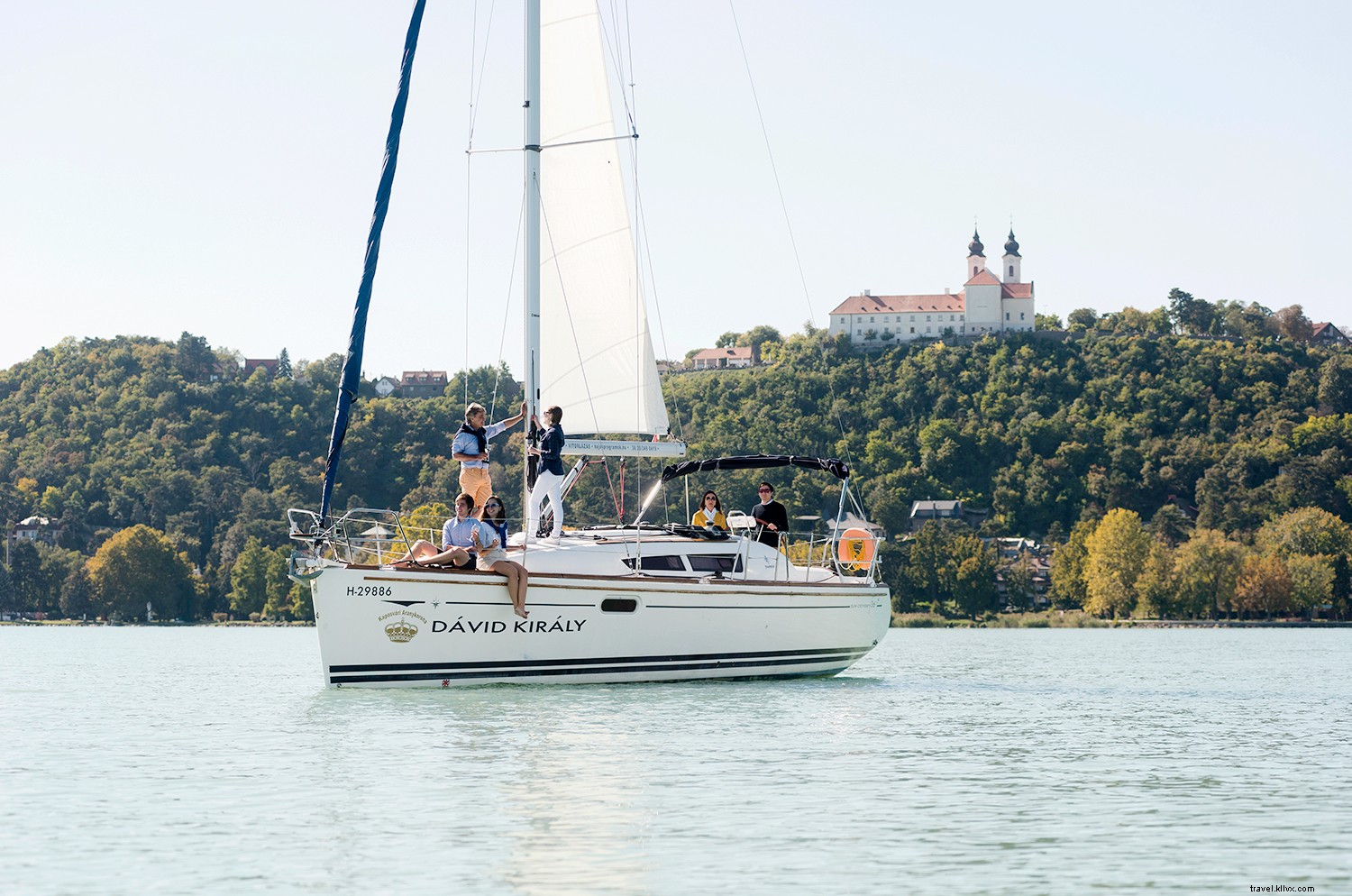 Explore Balaton Uplands National Park's four miles of crystalline caves by headlamp. Relax in Roman-era thermal springs like Hévíz Lake Bath. For culture, visit 18th-century Festetics Palace (now Helikon Palace Museum and Balaton Wine House) or the Benedictine Abbey's convent and lake-view art museum.
Uncover Győr, the City of Waters
At the Moson-Danube, Rába, and Rábca rivers' confluence, Győr—shortlisted for European Capital of Culture 2023—is a hidden gem and gateway to Pannonhalma Protected Area. Highlights include oak-filled hills, Rába wetlands, and the UNESCO-listed Pannonhalma Benedictine Abbey.
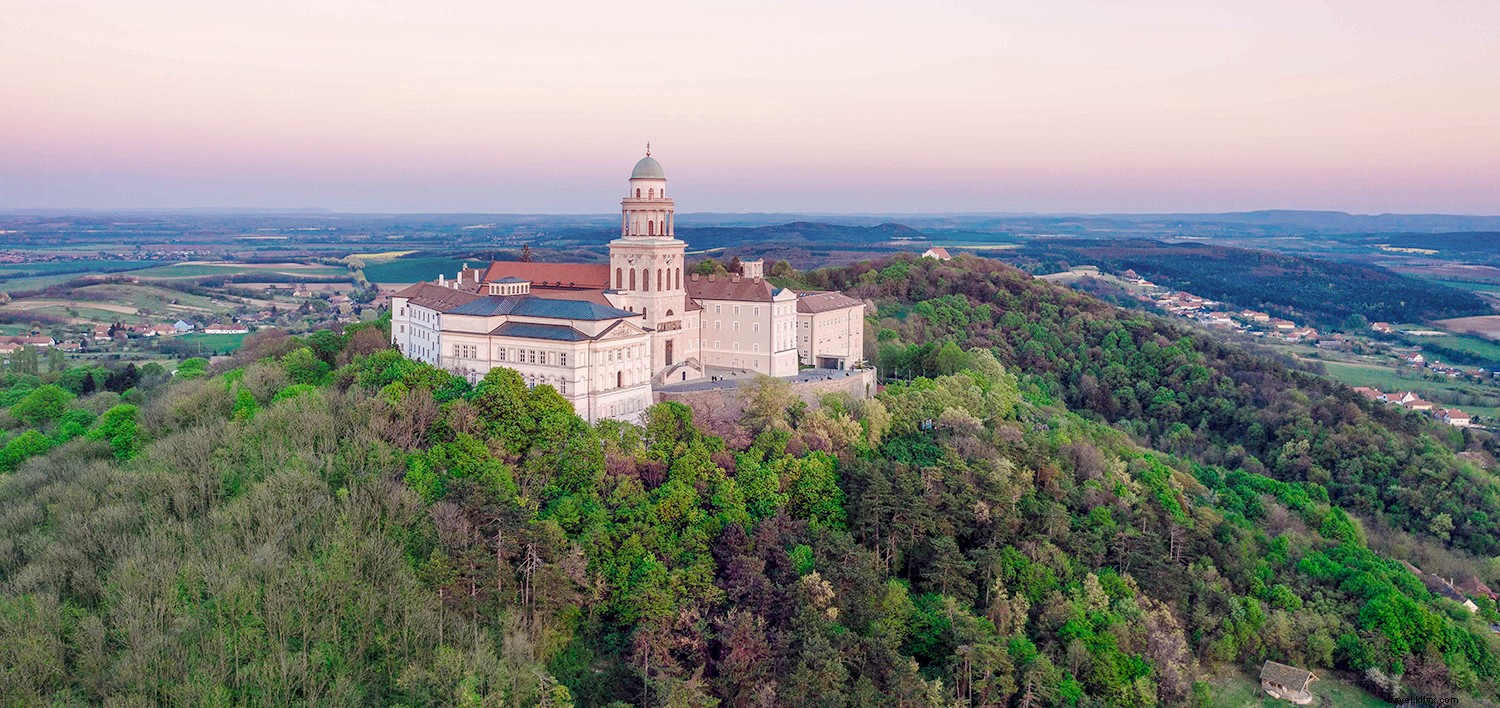 At the 13th-century Pannonhalma Basilica, wander the arboretum and herb garden, tour monastic libraries, and join a monk-led visit to the wine cellar and lavender distillery crafting herbal teas and liqueurs. Hungary's waterways truly redefine liquid assets.